Home Blog Page 188

Inspiring shooters: Ernie Brooks

0
© Ernie Brooks

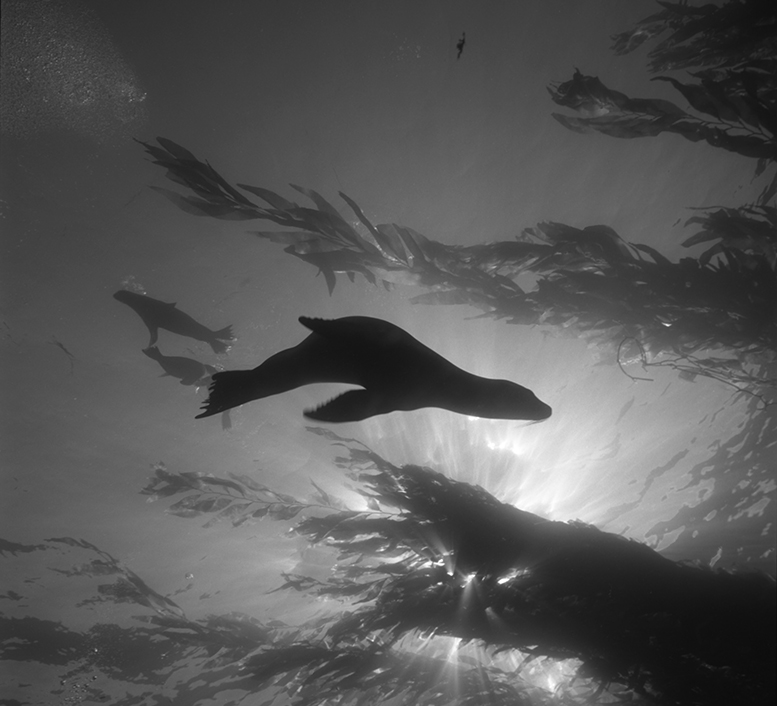
Ernest H. Brooks II

As a noted professional photographer, educator and ambassador to the industry, Ernie Brooks has won international acclaim for underwater photography and audio/visual presentation. He established the world’s first accredited course sin underwater photography at the prestigious Brooks Institute. Ernie has also contributed work to numerous magazines and organizations including: Cousteau Society and Natural Wildlife, and has been exhibited at various museums and exhibitions. Brooks has won an incredible array of awards and received much recognition, from the Platinum Pro Diver Award to entering the Hall of Fame for the Underwater Photographic Society.

Specialty

Black & white

Year started diving

1949

Inspiration

Hans Hass, Ansel Adams

ASIA DIVE EXPO (ADEX 2013, 2015, 2014 (CHINA) SPEAKER)
EHB 3MedV5_599
Part of the 122 inspiring shooters you should know in Scuba Diver Ocean Planet
Don’t want to miss an issue? Get subscribed.

Inspiring shooters: Jacques-Yves Cousteau

0
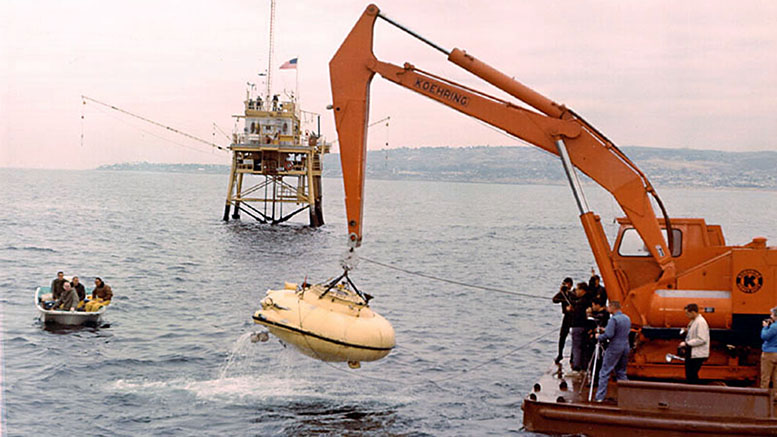
Cousteau's Diving Saucer SP-350 Denise ("SP" for soucoupe plongeante - French for "Diving Saucer"- and "350" for "350 metres", her maximum depth)

Jacques-Yves Cousteau (1910 – 1997)

A pioneering undersea explorer, photographer, inventor, and writer. Most significant was the work he produced for television, which enlightened audiences around the world about the ocean’s natural treasures and the effects of pollution. While some critics have challenged his scientific credentials, Cousteau never claimed “expert status” in any discipline. But perhaps to a greater degree than any of his fellow scientists, Cousteau was one of the first to publicise the irreversible effects of environmental destruction.

“Sharks” by Jacques-Yves Cousteau

Part of the 122 inspiring shooters you should know in Scuba Diver Ocean Planet
Don’t want to miss an issue? Get subscribed.

Inspiring shooters: Bruce Mozert

0

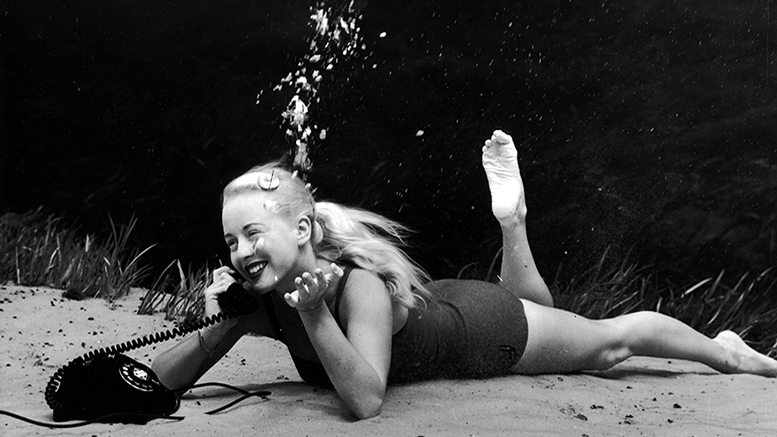
Bruce Mozert (1916 – 2015)

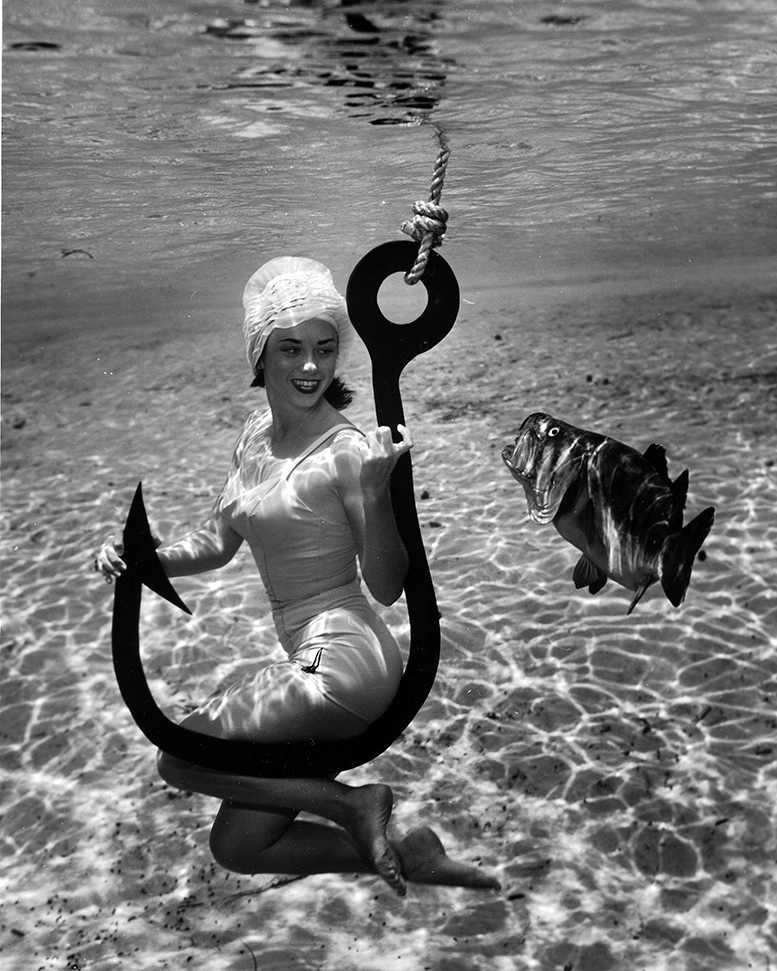
By the age of 20, Bruce was already an accomplished photographer in N.Y. City. He went to Silver Springs in the autumn of 1938, and soon after arriving, he built his first underwater camera case. The underwater pictures he took were so clear that MGM took them to Hollywood, and they were picked up by magazines throughout the world. Soon, Mozert was as well known for his underwater photographs, as well as his sexy pin-ups and animal photos. He also worked as an underwater cameraman for NBC, ABC and CBS. His awards include two Lifetime Achievement awards, one from the Florida Photographers Workshop and the other from Silver Springs.

Specialty

Underwater pin-up girls

First underwater photograph

1938

img005

Part of the 122 inspiring shooters you should know in Scuba Diver Ocean Planet
Don’t want to miss an issue? Get subscribed.

Inspiring shooters: Hans & Lotte Hass

0

Hans (1919 – 2013) & Lotte (1928 – 1915) Hass

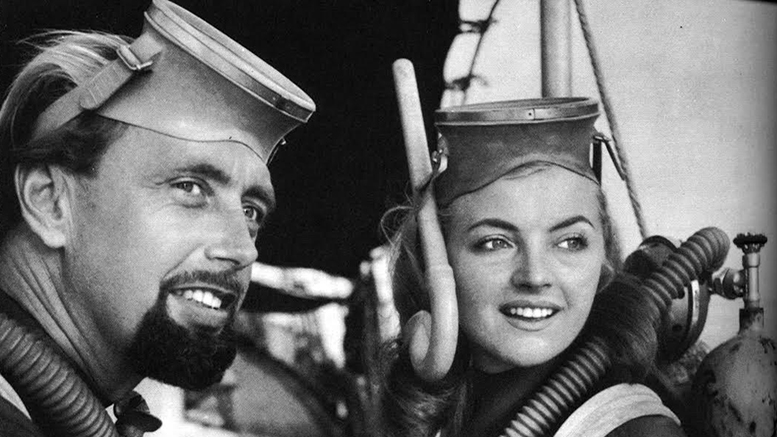
Known mainly for being among the first scientists to popularise coral reefs, stingrays and sharks, Hans pioneered the making of underwater documentaries and led the development of an underwater breathing apparatus, an early oxygen rebreather. With more than 25 published books, over 60 television productions and four films – he is undoubtedly a legend in the world of underwater image making. His second wife, Lotte is a legend in her own right. One of the first female underwater photographers, her underwater images were published before she joined Hass on his expeditions and formed one of the most famous partnerships in the world of diving.

Specialty

Documenting reefs, stingrays and sharks

First underwater photograph

1938

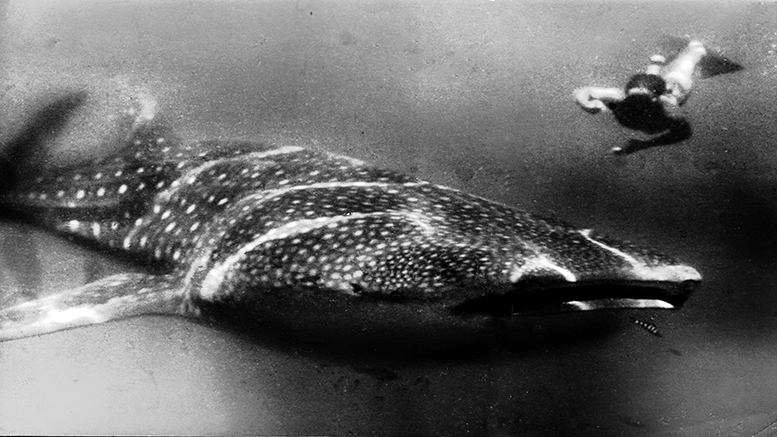
whalesharkhanshass
1950, Red Sea. Hans’ photograph of a whale shark with a diver in the background on his second Red Sea expedition © The Hans Hass Institute
Part of the 122 inspiring shooters you should know in Scuba Diver Ocean Planet
Don’t want to miss an issue? Get subscribed.

Announcement: 122 inspiring shooters

0

For the lead-up to the Asia Dive Expo (ADEX) Singapore 2016 (15th to 17th April), we’ll be showcasing each photographer from the Inspiring Shooters list in the Scuba Diver Ocean Planet Through The Lens Special Edition.

An extraordinary underwater photographer’s profile a day, including their biography, incredible pictures and behind-the-scenes information on how they captured their shot. Watch this space over the coming days for some of the world’s greatest underwater photographs, in our very own ADEX advent calendar.

The octopus: 11 freaky facts

0

Easily the most bizarre creature in the sea, the humble octopus is a cephalopod of many talents, with DNA like that of no other animal (described by one scientist as looking as though it had been rearranged in a blender). An octopus also holds the record for longest brood period of any creature, with one octo-mum tending her eggs for 4.5 years! Facts suggest there to be 289 recognised species of octopus, and all species have distinct characteristics, from the giant octopus, which can grow up to 9 metres across, to the Wolfi, the world’s smallest octopus, which measures only 1.5 centimetres and weighs less than a gram.

Here are 11 reasons why they are one of the ocean’s weirdest:

1. Octopuses have 3 hearts

They have 2 small hearts located close to each of their gills that enrich the blood with oxygen before transferring it to 1 larger heart, which then pumps it around the rest of the body.

2. Octopus blood is blue

Unlike our red, iron-based blood, octopus’ blood is blue because it is copper based, and more efficient at transferring oxygen around the body in the cold.

3. They have no skeleton

Meaning octopods are able to slip in and out of tiny holes no bigger than the neck of a beer bottle.

4. Octopuses love their gardens

Some octopuses will collect attractive things, and build their own unique garden around their lairs. It could be a fortress to defend, a way of attracting mates or pray, or just because it looks good.

5. They are quite the performers

To attract a female, the male will flash intricate skin displays. Males will normally die soon after mating while female octopuses will selflessly tend their eggs, and succumb to an in-built self-destruct mechanism that kicks in once the young have hatched.

6. They have a toxic weapon

They disorientate predators with dark, toxic ink that reduces visibility, interferes with the sense of smell and taste, and irritates the eyes.

7. A short life-span

Octopuses typically only live from one to five years.

8. Freakishly intelligent

Octopuses have the largest brain of any invertebrate, and 2/3 of all their neurons are actually in their tentacles. As a result they are excellent problem solvers, can learn to navigate mazes, unscrew jars, and use “tools”.

9. They have been around for a long time

The oldest-known octopus fossil is 296 million years old!

10. They are stronger than they look

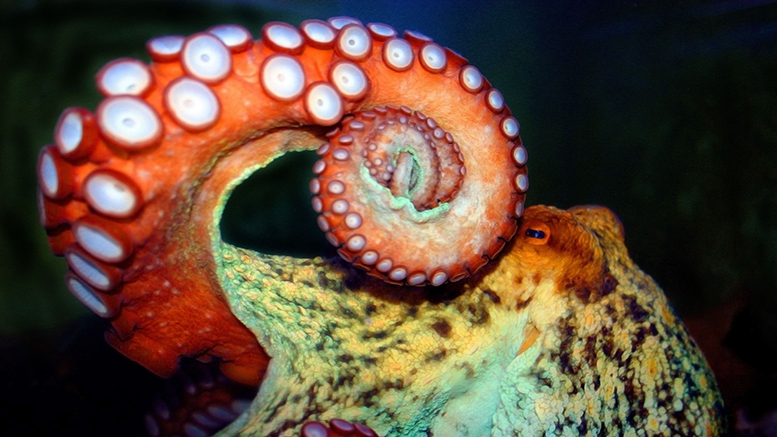
Pacific octopus suckers are so strong that each one can lift a weight of almost 16 kg! The average octopus has eight arms with 240 suckers per arm. That’s about 1,920 suckers in total.

11. Masters of disguise

In a fraction of a second, octopuses can change the colour and texture of their skin to blend perfectly with their surroundings.

This article featured in Scuba Diver AUSTRALASIA issue 7/2015, AA No.84
Subscribe now by clicking here.

Scuba Diver OCEAN PLANET: 5 reasons why you should get your hands on the 2015 special edition

0

They say one of the best ways to improve at whatever you try in life, be it swimming, writing etc., is to have a guide. This guide could help you improve as a person, teach you new skills or just make you aware of who and what is already out there.