Home Blog Page 79

Fish, The New Drug

0

WHEN I was 11 years old, I played hooky from school, borrowed my brother’s 10-speed bike and went about 30 miles over the hills from Mountain View to Half Moon Bay on a dangerous twisty highway road to go snorkelling in the murky tide pools of Central California. These are some of the best memories of my childhood. In these tide pools were juvenile fish, lobster, invertebrates, sea stars, anemones and corals – it was magical.

In contrast, my family life was tortured with two heavy-drinking parents and near nightly beatings, one of which left me with a broken jaw. That is most of what I remember from my childhood.

The oceans gave me peace, focus and hope. When I tell people the sea is my mother, I mean it’s not only because up to 71 percent of the oxygen I’m breathing comes from her and the food I eat is a product of the favourable weather the seas maintain on earth, but because I love her as a mother. She was there giving me what I needed as a child when my parents did not.

rECOn “COMBAT” DIVES

There is nothing worse than a bully. Bullies cause wars, kill children, rob people and do what they can to further themselves without regard for others. I hate bullies.

Most commercial fishermen and all poachers are bullies. They kill or capture the innocent for personal gain with little regard for others or their effect on the environment. Most commercial fishermen I’ve met will often resort to loud profanity, threats or even violent behaviour if you challenge their “job” – solid signs of bullies. And poachers are much worse.

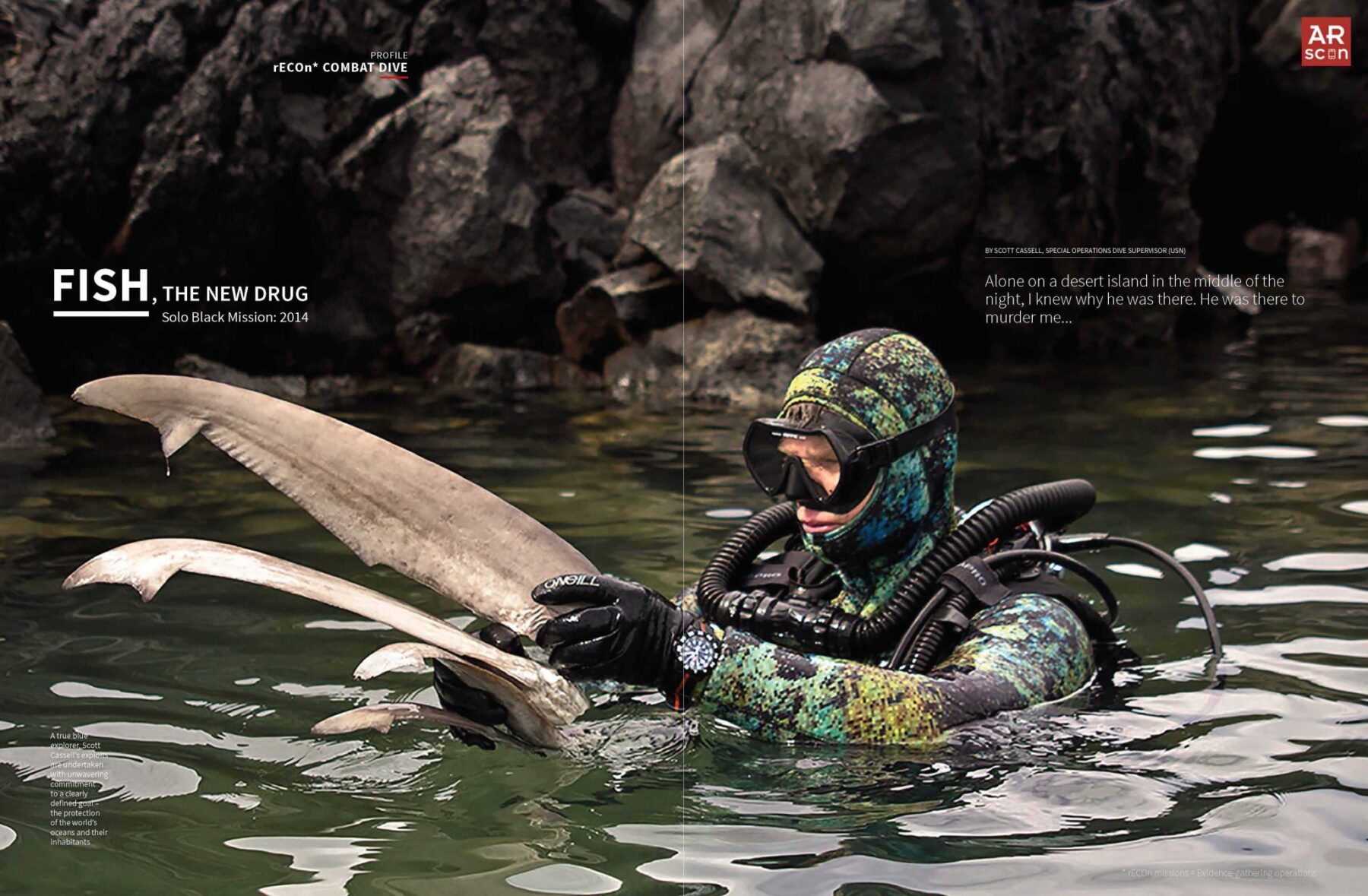
I can count over 13 times a poacher has attempted to kill me, from running me over with boats, stabbing me with a boat hook in my chest and trying to crush my head in with a rock, to name a few. Over the last 20 years, I have made countless rECOn dives into the bullies’ den. I prefer to perform rECOn missions completely alone to reduce the small footprint, thus making my efforts stealthier. These are called Solo Black Missions. The more secret I am, the better the evidence gathering and success of each mission.

In blacked-out gear – even wearing short underwater ghillie suits – with my O2 CCR leaving no bubbles, I operate directly under the killers’ boats, as they conduct their cowardly lawless acts upon Nature. Quietly, I hover below them and film the results.

Corpses drift past me, still-blinking sea turtle heads, still-alive finned sharks, entrails of endangered fish – all caught by my camera as evidence as my heart fills with hate for this filth of humanity.

The public seldom hears of what I do. My motivation has always been about preserving life, not getting attention. Working in the absence of the media has been a blessing. To this day, I don’t like public attention. Privacy is rich and I cherish it.

But now, some of my stories should be heard.

THE REALITY OF SEAFOOD

Organised crime reaches between 35 and 50 percent of all seafood around the world. Fish can be worth thousands of dollars and a person can be worth as little as $100 to eliminate. Totoaba swim bladders from Mexico, people have been murdered for; shark fins, people have been murdered for; sea lion penises, people have been murdered for. This is what people are responsible for when they eat these species.

A short time ago, I posed as a brightly dressed dumb American tourist at the fish market in Ensenada, Mexico. I discovered a baby great white shark (a protected species) for sale.

It was beheaded and the fins were cut off, but you could easily tell what it was. For the most part of over an hour, I hovered nearby until I watched it get sold to an American buyer of a California restaurant chain as “swordfish”. He avoided eye contact with me and I think he did not like the fact another American was around. Perhaps he saw me as a threat, but he concluded his purchase of the “swordfish” and continued his foray.

American officials and the media portray our fish as legal and safe. With my own eyes, I have seen that this is not true. Yet, Americans eat fish without true knowledge of what it is or where it comes from and blissfully suck down sushi without a clue… or maybe they don’t want to know? I honesty don’t know.

For a long time, local law enforcement from different countries would secretly accept my findings (evidence) from rECOn missions into their bag of weapons to be used as legal evidence against their countrymen as their laws permit. My actions had value and poachers paid the legal price for breaking the law and have been imprisoned. And just last month, all that changed.

Very recently, I faced a terrible reality. A friend in a foreign country that I have worked with for years to bring poachers to justice (whose name must remain anonymous) told me he couldn’t help me anymore. He explained that recently, a stranger walked into his office unannounced, right past his security. The stranger placed a picture of my friend’s wife on his desk, smiled and said, “She is very beautiful. After I kill your kids, I might [derogatory term for having forced sex] her before we send her off to the [sex trade]… then we will cut off your head.

“But, if you are real good and don’t interfere with our operation [illegal fishing], everything will be OK. You and your beautiful family go on like nothing ever happened. And if you are really good, I might just give you some nice gifts as well. Think about it. You don’t have to contact me. We will be watching you.”

Surprised and horrified, he watched the stranger smile at him, pick up the picture of his wife, place it into his back pocket and leave. This powerful, honest man – a good friend of mine – looked at me helplessly and asked me, “What would you do?”

Then my friend warned me that if “they” ever think I would become a problem, they would kill my loved ones. He then said that if I go public with what I just filmed, “They will kill you all.” I learned how real this was when a man near this village was shot and beheaded recently to prove a point to the police. Local rumour was that they made the “hit” for about $100.

To drive the point home, my friend explained it was probably “they” who sent the man to the island to (very likely) murder me. After 20 years of hunting bad guys and trying to bring local officials facts for prosecution – with limited success – I must stop all actions.

This is excruciating for me. Our oceans are dying at the hands of man. For years, I felt that some of my work was doing some good. Against my warrior spirit, for the sake of those I love, I have decided not to go public with any specific facts, locations or even species ruled by these criminals.

Read the rest of this article in 2015 Issue 1 Volume 136 of Asian Diver magazine by subscribing here or check out all of our publications here.
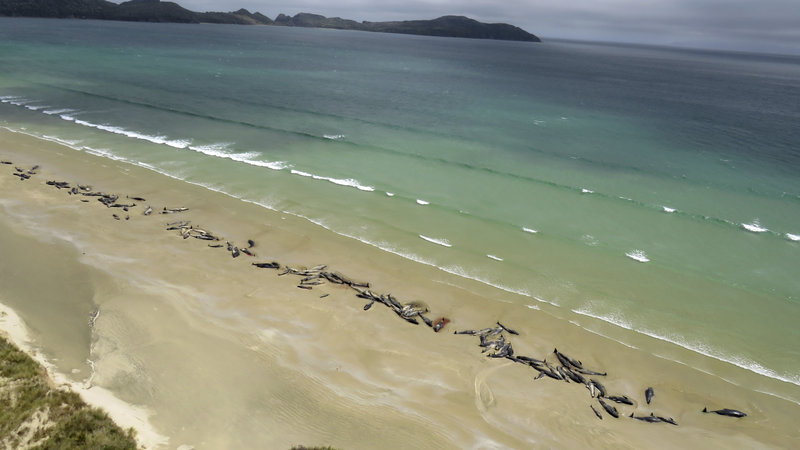
 

145 Pilot Whales Die in Stranding On Remote New Zealand Beach

0
Photo by New Zealand Department of Conservation via AP

Nov 26 (Monday) – As many as 145 pilot whales were found stranded on the beach on Stewart Island (also known as Rakiura) at the southern end of Mason Bay over the weekend after a hiker stumbled on the site just 30 kilometres off the southern coast of New Zealand’s South island. The New Zealand Department of Conservation (DOC) was notified on Saturday night but with 75 of the whales already dead at the point of discovery and the remaining in extremely bad condition with the remote location making rescue improbable, a decision was made to euthanise the remaining whales.

Photo by New Zealand Department of Conservation via AP

“Sadly, the likelihood of being able to successfully re-float the remaining whales was extremely low. The remote location, lack of nearby personnel and the whales’ deteriorating condition meant that the most humane thing to do was to euthanise,” stated Ren Leppens, the DOC’s Rakiura Operations Manager, in a statement released on Monday.

“However, it’s always a heart-breaking decision to make.”

“You feel for the animals, it’s just really a sad event. It’s the kind of thing you don’t want to see. You wish you could understand the reasoning why the whales strand better, so you could intervene.

The DOC has reached out to the 375 local residents on Rakiura to discuss what to do with the whale carcasses. With a lot of the whales already half buried in the sand having been likely beached for an entire day before discovery, the islanders might be inclined to let nature takes its course and leave them where they are.

Unfortunately, this stranding was not the only one, with the department reporting at least four other stranding incidents across the country in the last weekend alone. In another stranding near the northern most tip of New Zealand that has already claimed the lives of two pygmy killer whales, the DOC has called upon volunteers to save the remaining eight whales by floating them out to sea on Tuesday.

Whale strandings are a common occurrence on New Zealand shores. According to the DOC, there are an estimated 85 whale strandings a year in New Zealand. The exact reasons on why strandings occur are as yet unknown with sickness, navigational error, geographical features, a rapidly falling tide, extreme weather and pursuit by predators all contributing factors.

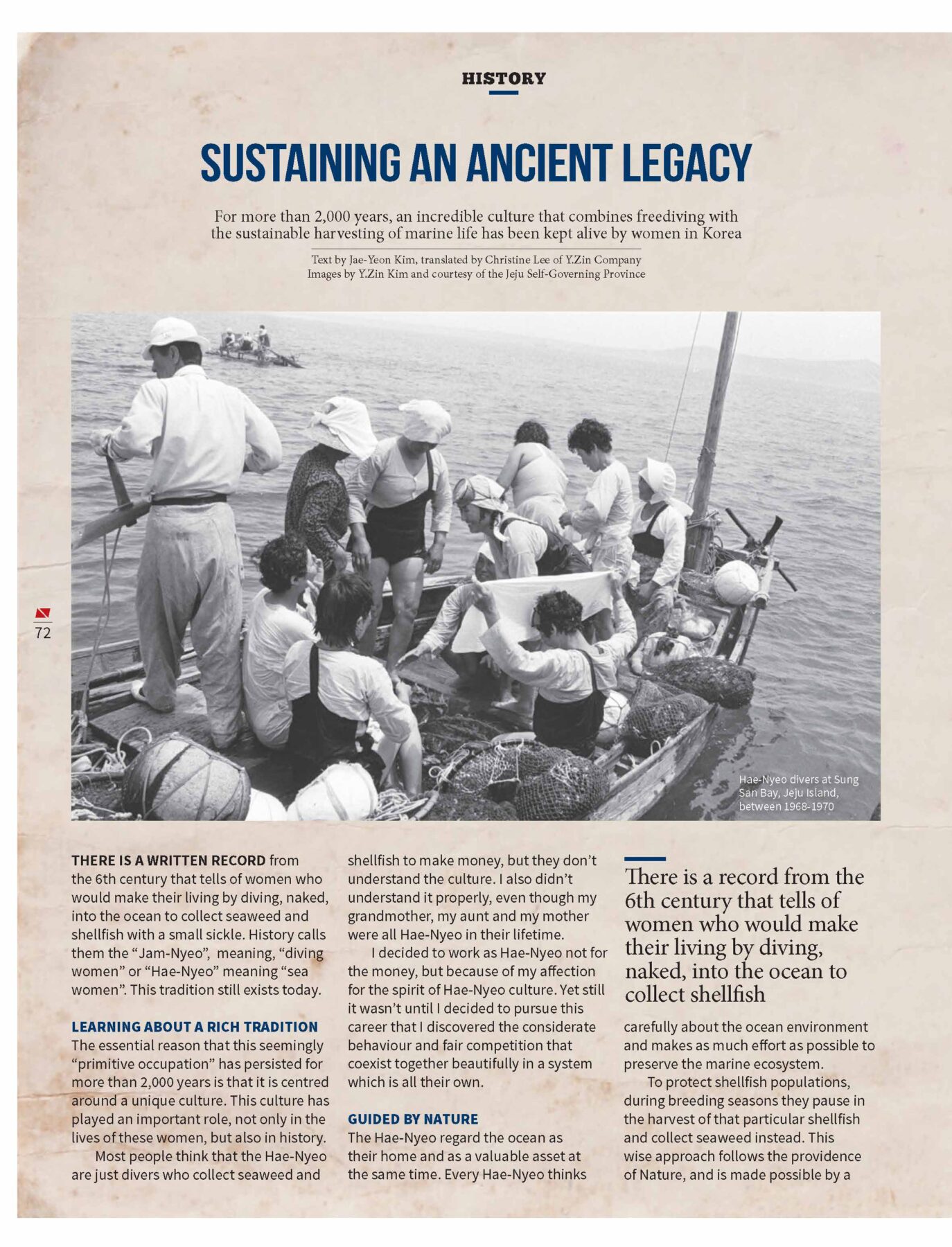
Sustaining An Ancient Legacy

0

Text by Jae-Yeon Kim, translated by Christine Lee of Y.Zin Company. Images by Y.Zin Kim and courtesy of the Jeju Self-Governing Province

THERE IS A WRITTEN RECORD from the 6th century that tells of women who would make their living by diving, naked, into the ocean to collect seaweed and shellfish with a small sickle. History calls them the “Jam-Nyeo”, meaning, “diving women” or “Hae-Nyeo” meaning “sea women”. This tradition still exists today.

LEARNING ABOUT A RICH TRADITION

The essential reason that this seemingly “primitive occupation” has persisted for more than 2,000 years is that it is centred around a unique culture. This culture has played an important role, not only in the lives of these women, but also in history.

Most people think that the Hae-Nyeo are just divers who collect seaweed and shellfish to make money, but they don’t understand the culture. I also didn’t understand it properly, even though my grandmother, my aunt and my mother were all Hae-Nyeo in their lifetime.

I decided to work as Hae-Nyeo not for the money, but because of my affection for the spirit of Hae-Nyeo culture. Yet still it wasn’t until I decided to pursue this career that I discovered the considerate behaviour and fair competition that coexist together beautifully in a system which is all their own.

GUIDED BY NATURE

The Hae-Nyeo regard the ocean as their home and as a valuable asset at the same time. Every Hae-Nyeo thinks carefully about the ocean environment and makes as much effort as possible to preserve the marine ecosystem.

To protect shellfish populations, during breeding seasons they pause in the harvest of that particular shellfish and collect seaweed instead. This wise approach follows the providence of Nature, and is made possible by a natural order and an inherited system of rules that have been passed down through the generations for thousands of years.

The Hae-Nyeo ranks are divided into high, intermediate, and lower levels, determined by their actual experiences over the years, and their skill. It is not an authoritative, imposed hierarchy but is something born of careful consideration, responsibility, and fair leadership.

The older Hae-Nyeo lead the culture of the community, discussing issues and plans together. To avoid intense competition for resources, they cooperate, and don’t harvest areas that have recently been targeted by other members. They keep appropriate distances, yet still protect each other’s safety.

Read the rest of this article in 2016 Issue 4 Volume 143 of Asian Diver magazine by subscribing here or check out all of our publications here.
 

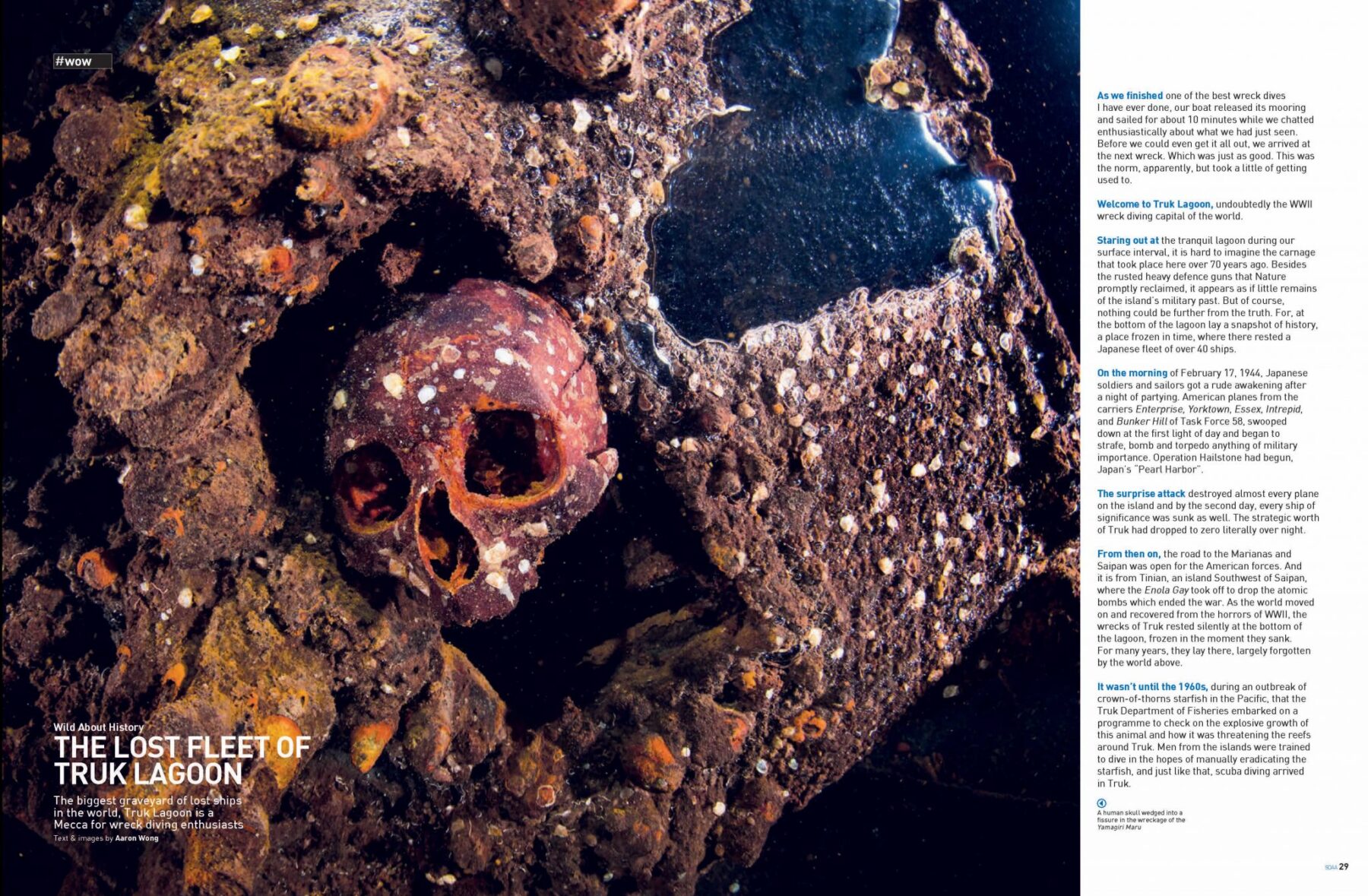
The Lost Fleet of Truk Lagoon

0

As we finished one of the best wreck dives I have ever done, our boat released its mooring and sailed for about 10 minutes while we chatted enthusiastically about what we had just seen. Before we could even get it all out, we arrived at the next wreck. Which was just as good. This was the norm, apparently, but took a little of getting used to.

Welcome to Truk Lagoon, undoubtedly the WWII wreck diving capital of the world.

Staring out at the tranquil lagoon during our surface interval, it is hard to imagine the carnage that took place here over 70 years ago. Besides the rusted heavy defence guns that Nature promptly reclaimed, it appears as if little remains of the island’s military past. But of course, nothing could be further from the truth. For, at the bottom of the lagoon lay a snapshot of history, a place frozen in time, where there rested a Japanese fleet of over 40 ships.

On the morning of February 17, 1944, Japanese soldiers and sailors got a rude awakening after a night of partying. American planes from the carriers Enterprise, Yorktown, Essex, Intrepid, and Bunker Hill of Task Force 58, swooped down at the first light of day and began to strafe, bomb and torpedo anything of military importance. Operation Hailstone had begun, Japan’s “Pearl Harbor”.

The surprise attack destroyed almost every plane on the island and by the second day, every ship of significance was sunk as well. The strategic worth of Truk had dropped to zero literally over night.

From then on, the road to the Marianas and Saipan was open for the American forces. And it is from Tinian, an island Southwest of Saipan, where the Enola Gay took off to drop the atomic bombs which ended the war. As the world moved on and recovered from the horrors of WWII, the wrecks of Truk rested silently at the bottom of the lagoon, frozen in the moment they sank. For many years, they lay there, largely forgotten by the world above.

It wasn’t until the 1960s, during an outbreak of crown-of-thorns starfish in the Pacific, that the Truk Department of Fisheries embarked on a programme to check on the explosive growth of this animal and how it was threatening the reefs around Truk. Men from the islands were trained to dive in the hopes of manually eradicating the starfish, and just like that, scuba diving arrived in Truk.

One of these young divers was Kimiuo Aisek, a man who would later be recognised as the most eminent figure in diving in Truk, and the local custodian of the sunken Japanese Marus. As a Micronesian, Kimiuo had an innate instinct for navigation and for noticing little secrets that the sea tries to tell.

One day, on the way back from fighting the crown-of-thorns starfish, he noticed a discolouration of the lagoon bed. He asked the boat to stop and dived in. The rest, as they say, is history, for he had stumbled upon the Yamagiri Maru.

Read the rest of this article in No. 109 Issue 3/2017 of Scuba Diver magazine by subscribing here or check out all of our publications here.
 

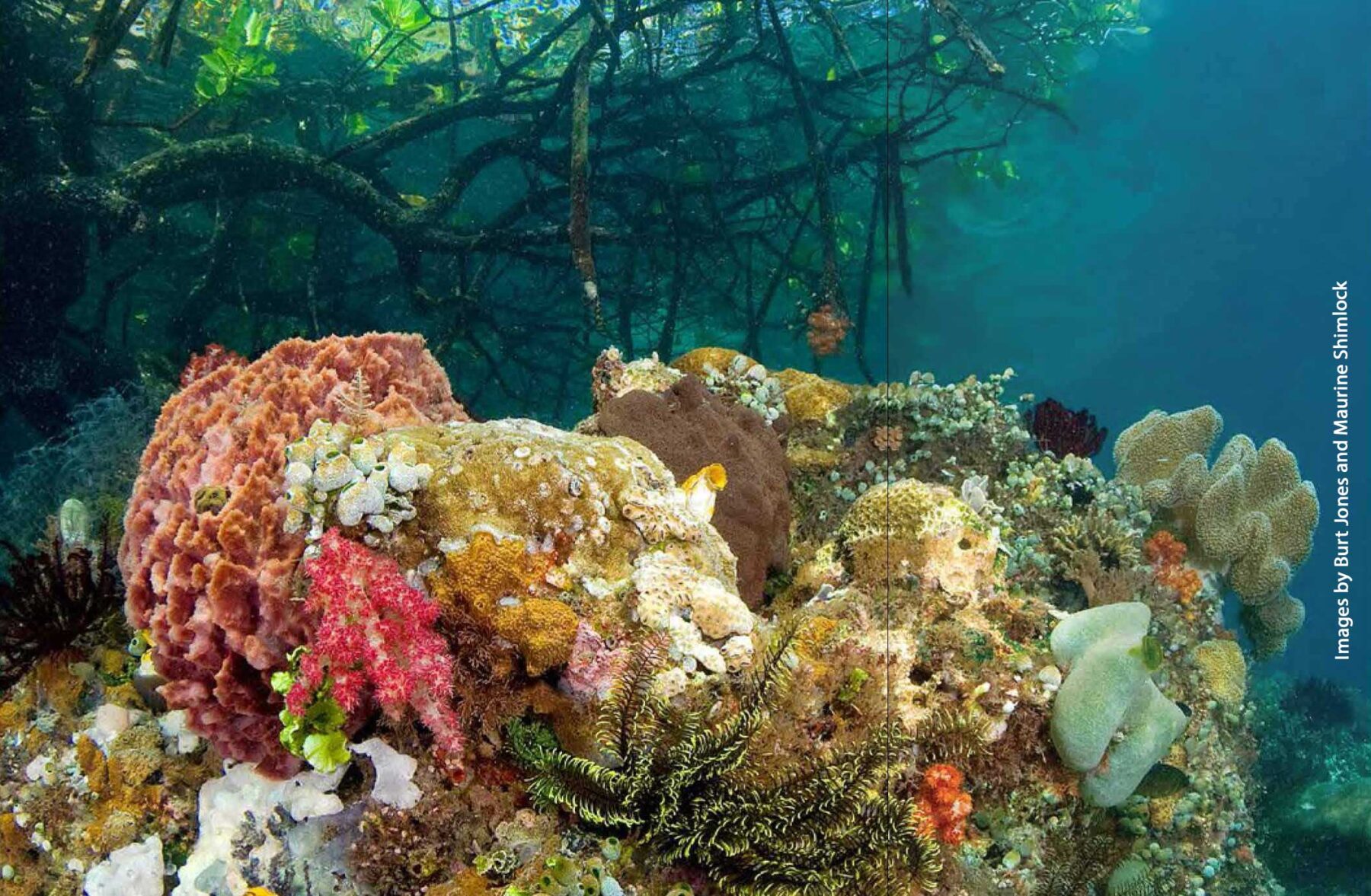
Extreme Corals

0


OUR OCEANS ARE changing at an alarming rate – alongside localised pollution, reefs worldwide are becoming warmer and more acidic – which together threaten the survival of coral reefs. 2016 has seen the world’s third mass coral bleaching event. (Not sure what “coral bleaching” is? See the box below.) We have all seen images and videos from around the world showing fields of white coral skeletons, where only weeks before existed colourful, healthy coral reefs.

THE WATER’S HOTTING UP

Warmer seawater is often the cause of coral bleaching; this year alone, it is estimated that over a third of Australia’s Northern Great Barrier Reef has been killed due to coral bleaching from the warmer-than-normal water associated with an El Niño event.

  • Above average seawater temperature is the main culprit causing coral bleaching but it can also occur from other stressors such as disease, high light, pollution and changes in salinity.
  • Corals can only recover from bleaching if “host tissue” remains intact on the bleached skeleton to reacquire zooxanthellae and rebuild energy reserves. This is only possible given enough time between repeat El Niño (or stress) events.

  • Corals that lose their host tissue are dead, and collapse of the reef framework follows. Corals can only repopulate impacted areas from neighbouring reefs that are unimpacted or through “reef restoration” practices.

  • CORALS CAN’T STAND AN ACID HOUSE

    Adding to the challenge for coral to survive our changing oceans is the rising acidity of seawater. As oceans absorb carbon dioxide they become more acidic. This is a problem for marine organisms, like corals, that build a calcium carbonate skeleton. In more acidic water, the ability for corals to build teir skeleton becomes compromised: Quite simply they need to invest more energy to sustain their skeletons or otherwise lose their structural integrity.

  • Each year the oceans absorb 25 percent of all carbon dioxide that we emit.

  • The ocean pH is around 8.1 (which is actually slightly alkaline) and is predicted to drop to 7.8 (still slightly alkaline) by 2100.

  • The oceans are nearly 30 percent more acidic than they were at the start of the industrial revolution.

  • By the year 2100, it is predicted that the oceans could be 100 to 150 percent more acidic.

ANSWERS IN EXTREME PLACES

With so much pressure on the Earth’s fragile coral reefs, their survival is uncertain. Scientists around the world are exploring how corals may be able to survive in the future, within a changed climate. One way that researchers can study this is by laboratory experiments, where future ocean conditions are simulated in a controlled setting.

Another approach is to locate environments where corals are already, naturally, living in extreme conditions. Here, scientists can explore which organisms are able to survive and how. Such natural extreme systems are more common than you would think, and it seems that if we look, Nature may already have provided some of the answers we are after.

WHAT IS CORAL BLEACHING?

Corals are animals that live in harmony with microscopic algae (commonly called zooxanthallae) that act as solar cells for the coral, producing energy by absorbing sunlight. Unfortunately, this relationship can break down under stressful conditions, causing corals to expel their microalgae, the sign of stress we know as “coral bleaching”.

Corals typically survive within a narrow range of environmental conditions [e.g., light, temperature pH (acidity) and salinity], which are critical to sustain optimum growth. However, accelerating human impacts are changing the world’s oceans, requiring corals to survive under conditions that are suboptimal. Many coral reefs worldwide are therefore now in a state of change as they attempt to keep pace with environmental change and successfully function under new conditions.

Read the rest of this article in 2016 Issue 4 Volume 143 of Asian Diver magazine by subscribing here or check out all of our publications here.
 

A Tale of Fishermen

0

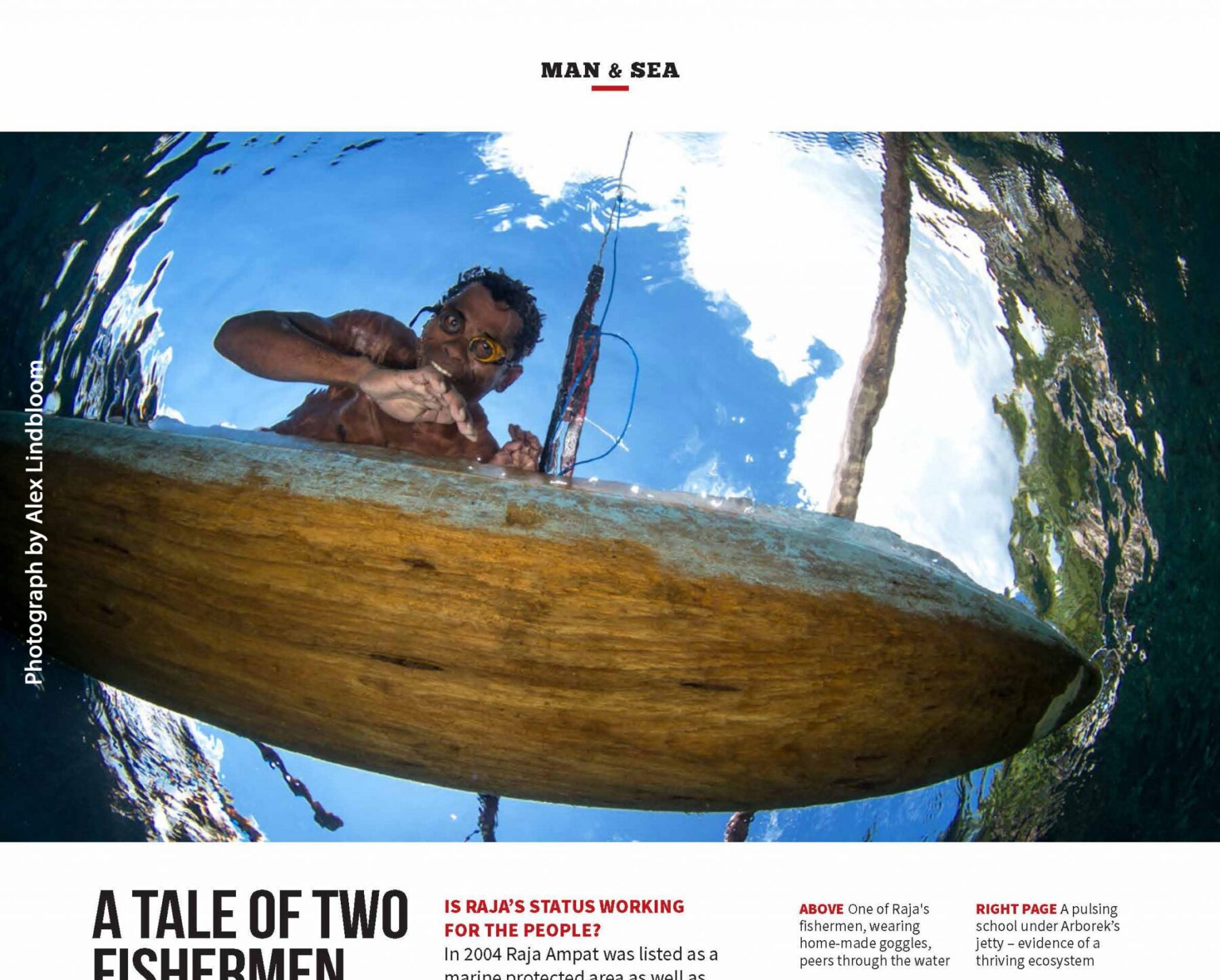
THOUSANDS OF TOURISTS come from all over the world to blow bubbles in Raja Ampat. But there are people who have lived here since long before all this, people who have made their lives from Raja’s rich waters and continue to do so. These people have seen huge changes, some of which may have affected their lives and livelihoods as well.

IS RAJA’S STATUS WORKING FOR THE PEOPLE?

In 2004 Raja Ampat was listed as a marine protected area as well as the world’s first manta sanctuary. Local residents are still allowed to fish, although fishing species like sharks, mantas, turtles, and dugong is strictly prohibited, along with certain destructive fishing methods like dynamite fishing. With a steady influx of visitors, brought into the area largely by the the region’s incredible and now famous diving, the tourism industry is growing at a steady rate. As eco-resorts, homestays, and liveaboards slowly establish themselves here, they seem to be opening up a wide range of new job opportunities for people as boat captains, dive guides, construction workers and others.

From most peoples’ perspectives all these things sound like an instant win – protected waters and lots of new jobs. Winner! But it would be naive to think that everyone would perceive these new changes as a positive thing, specifically those whose lives are changing. After all, the people of Raja have been living here, in more or less the same way, for generations – making their living from what they’ve harvested from the land and sea – only to watch it all that change in less than a decade.

It recently occurred to me that maybe they don’t like sharing their fishing grounds with divers, or having tourists wandering around their villages as if they were some kind of attraction at Disney World’s Epcot Center. I decided it was time to stop just assuming everything is peachy and find out for myself.

I figured that asking some local fisherman would be the best way to get a feeling for how the local people see the evolving situation in Raja, so I set out to find some fishermen on a small sandy island called Arborek. I chose Arborek for several reasons. The first is that it is still very much a fishing village, which means lots of fishermen, and the second is that it has become quite popular with tourists. To me, it seemed the perfect place to explore some of the questions that I had bouncing around in my head.

ANSWERS IN ARBOREK

I didn’t have to walk far (about two metres) down one of Arborek’s well manicured, white-sand pathways before I came across a bare-chested man wearing an old, weathered pair of athletic shorts, as most of the fishermen in Raja do. I introduced myself and shook his hand and I noticed how powerful, calloused, and scarred his hands were. I assumed this strength had developed as a result of a lifetime of wrestling unwilling tuna and other large pelagics into his small boat. While physically he appeared to be in his fifties, his eyes looked like those of a much older man, with that thick glaze, characteristic of too much sun. That being said, I’m sure he could spot fish better than any electronic fish finder. His name was Yance, and he was indeed a fisherman and had been one for nearly 40 years.

Read the rest of this article in 2016 Issue 4 Volume 143 of Asian Diver magazine by subscribing here or check out all of our publications here.
 

Guide To Muck Diving

0
Photo from Shutterstock

WHAT IS MUCK?

The term “muck” originates from diving in muddy and murky conditions in an environment where the seafloor consists predominantly of sediment, sand (often black volcanic sand), fine silt, rocks and dead corals or coral rubble.

At some muck diving sites you’ll also find small, sporadic clusters of coral or patches of anemones but nothing that could be described as a reef. Many muck diving sites also “feature” manmade debris ranging from tyres and paint cans to air conditioning units and beer bottles – ask any experienced muck diver – they will have probably seen them all.
WHY DIVE MUCK?

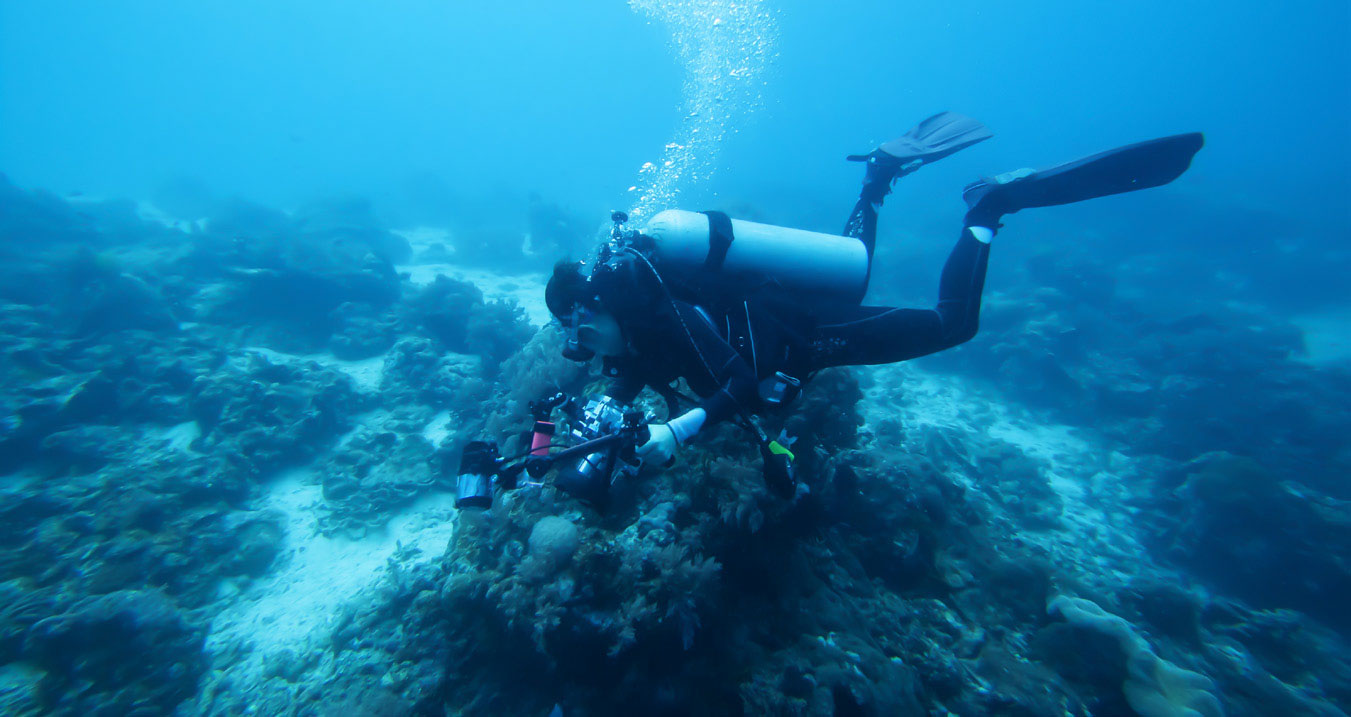
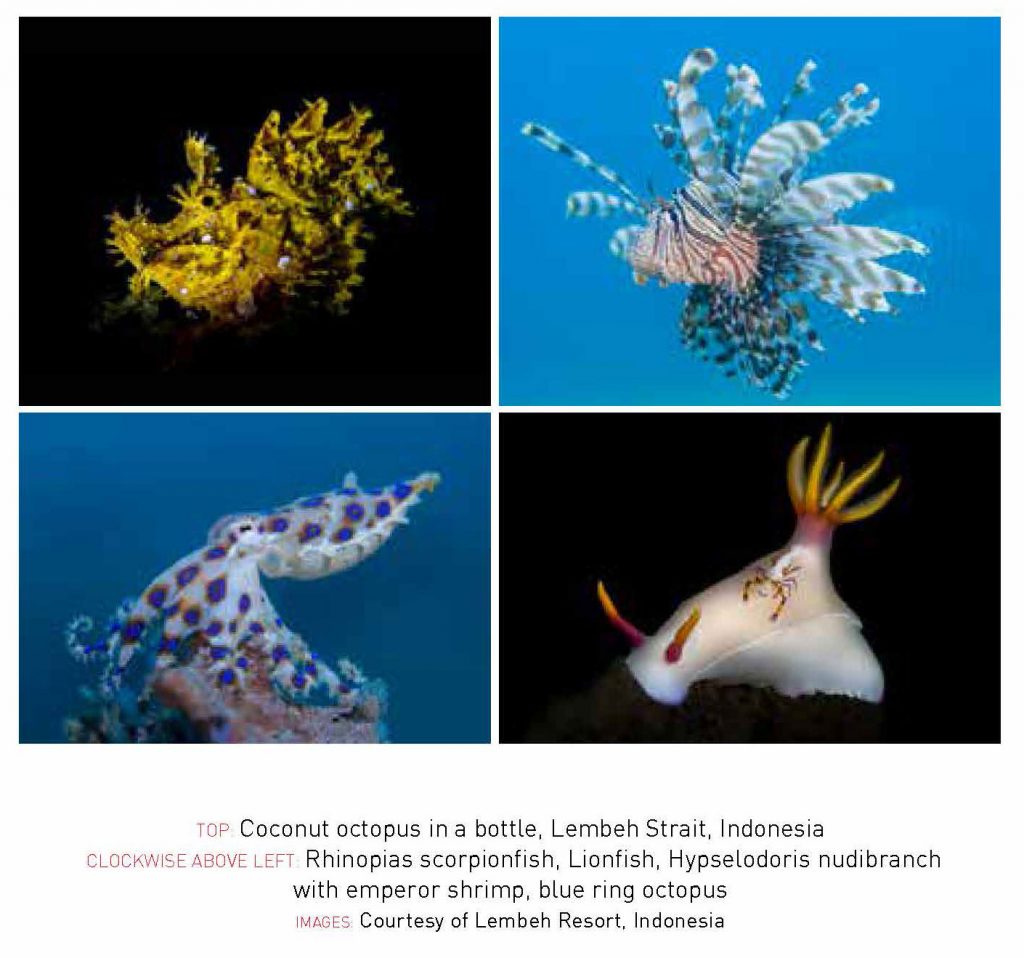
Muck diving offers a completely different experience to reef diving. Muck diving takes a much more focused approach which can best be described as “critter hunting”. Once your eyes have adjusted to water visibility the fun really begins. You’ll cover a relatively small area in a lot of detail. Usually you’ll start at one end of a site – or the deepest section and work your way along or up the muck in a zigzag pattern – leaving no patch of sand un-examined. The thrill of finding critters is one of the major draws to this type of diving. With little coral growth to camouflage themselves again you’ll find critters which are doing an astonishingly excellent job of hiding in plain sight and often displaying unusual behavioural traits including mating, laying eggs, hunting, feeding and even hatching. On these desolate looking sites you’ll find some of the world’s rarest and most bizarre marine life. With iconic critters such as hairy frogfish, flamboyant cuttlefish, blue ring octopus, mandarinfish, harlequin shrimps, wunderpus and mimic octopus, decorator crabs and a countless array of shrimps it’s no wonder that the world’s most elite underwater photographers spend so much time muck diving.

ESSENTIAL TIPS AND TECHNIQUES

FOR MUCK DIVING

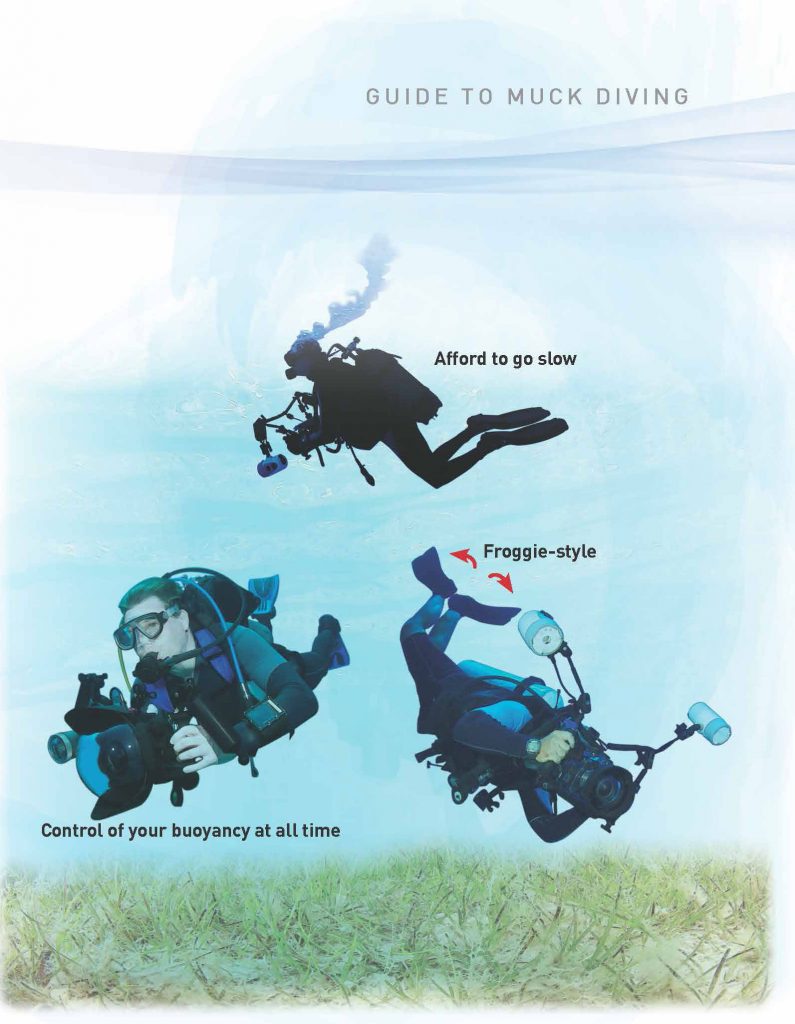
Go Slow: This is not a race and it takes time to find critters that are camouflaged. Give your eyes time to catch up and study objects closely – not just by giving a cursory glance. Look out for features such as distinguishable fins or eyes and try to peer underneath debris, numerous cleaner shrimp and commensal shrimp species hide in the shady areas around the base of rocks, tree branches and even plastic trash. You will be covering a relatively small area so you can afford to go slow.

Buoyancy: Remember to maintain excellent control of your buoyancy at all times. Many critters at muck diving sites lay just beneath the sand and can deliver a nasty sting if you accidentally brush up against them. Perfecting your buoyancy will improve your underwater photography in leaps and bounds too as you’ll be able to hover motionless without disturbing the bottom composition (or the critter) while perfecting your shots.

Keep your Fins Up: The fine silt on the bottom is very easily disturbed and a careless fin kick can result in a silt cloud which limits visibility and takes a longer time than sand particles to settle. When finning, kick slowly and use a froggie-style technique keeping your knees bent at 90 degrees and your fins up and raised behind you – much like the technique used by cave divers. Every now and then take a look back to make sure that you are not leaving a silt cloud behind you.

Look for Hot Spots: Although the critters at muck diving sites are perfectly at home on the exposed bare sands, they often still seek shelter from currents and places to hide from predators. With limited options this means that any foreign matter on the sand is a potential beehive of activity. Once you have spotted a possible “hotspot” (such as items of debris), approach slowly and observe and closely inspect it. Remember that you see what you expect to see, so if you are looking at some tangled rope, without really studying it, you will see only tangled rope and miss the ornate ghost pipefish that is hovering alongside it.

Learn about Marine Life: Find out more about the marine species you are hoping to see in order to increase your chances of a sighting. Experienced dive guides don’t just have good eyes; they are armed with a wealth of knowledge. Through learning some basic information about a critter, such as what it feeds on, its preferred habitat and depth range, you’ll be able to focus on areas where you are most likely to have an encounter. If you are hoping to learn more about marine life during your trip, look for muck diving resorts which have a marine biologist on staff.

Monitor your Dive Time: It’s extremely easy to lose track of your dive time when you become engrossed in critter hunting and underwater photography. Keep an eye on your no-decompression time and make sure you agree to a maximum bottom time with your buddy before the dive. Plan your dive and dive your plan.

Plan your Shots: Many critters’ eyes have adapted to the murky conditions in which they live and they do not handle constant flash photography well. Remember that muck dwelling critters rely on camouflage rather than swimming (flight) to remain undetected and so they will remain still when flashed. For this reason, limit your number of shots. It’s easy to find a stone, shell or coral and use it to take practice shots first so you can adjust your settings and gauge your distance from the subject. Once you have everything in place then take a limited number of shots of your subject. Some critters will turn away from the camera after one or two flashes (for example pygmy seahorses); take the hint and move on to another subject.

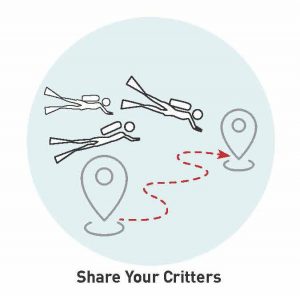
Share Your Critters: Let other divers  in your group know when you spot a critter of interest – it will encourage them to do likewise.

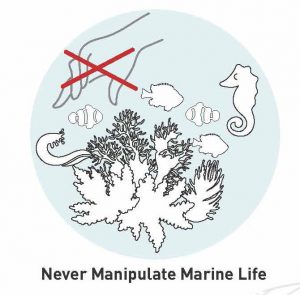
Never Manipulate Marine Life: Many of the critters are extremely sensitive and manipulating critters to get a closer look or to take a better photograph is not acceptable. In recent years, underwater photography competitions have disqualified entry photographs where the critter appears to have been manipulated. Disqualification can occur when a critter appears to have been moved to an environment not common to that species or when the subject is displaying behaviour indicative of it feeling threatened. If you observe another diver manipulating marine life, report it to your dive guide. It is only through respectful diving practices that these intriguing marine species will continue to thrive.

WHERE TO GO MUCK DIVING

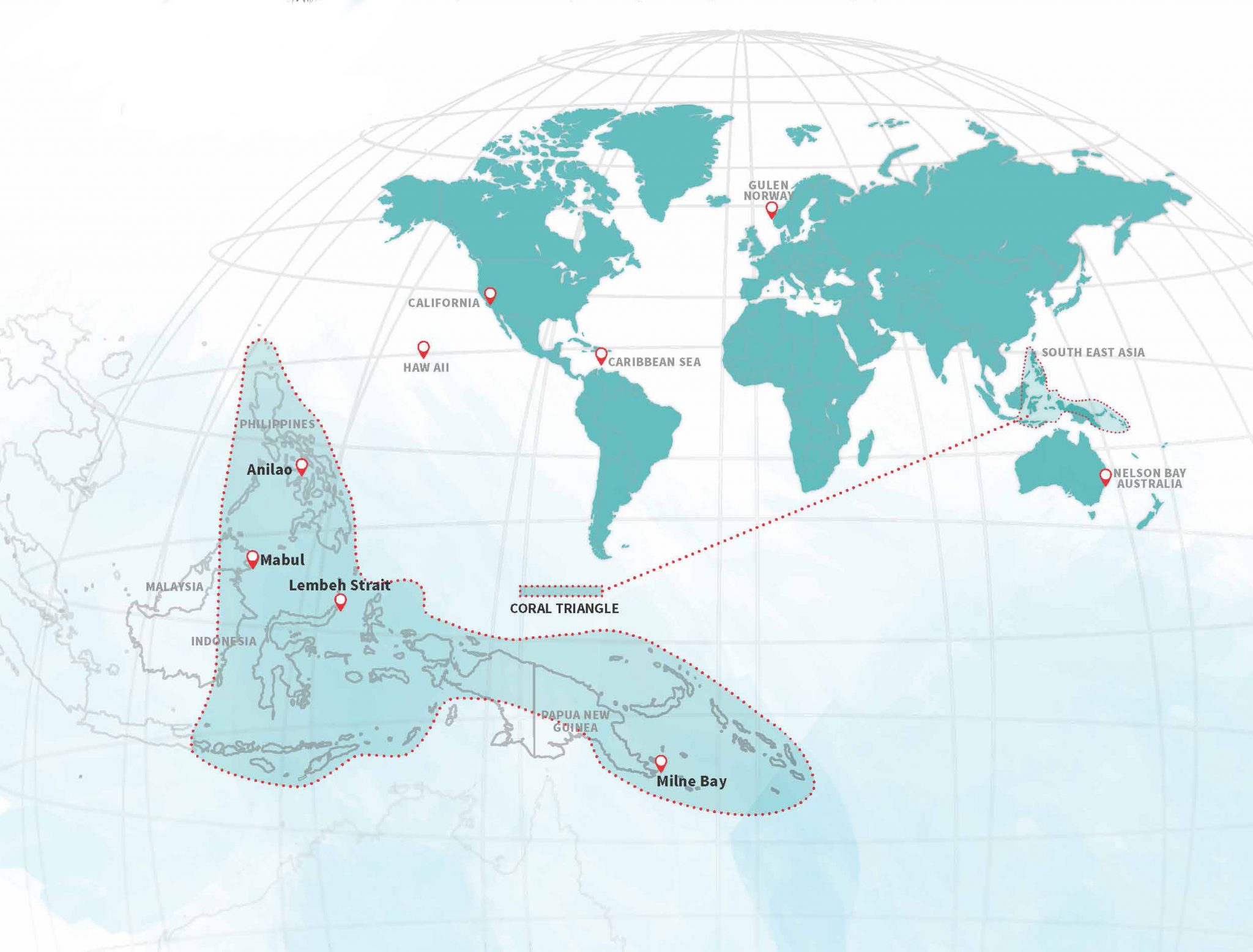
Many of the best muck diving sites in the world are located in South East Asia and most notably in the Coral Triangle, such as the Lembeh Strait in Indonesia (also known as the Critter Capital of the World), Milne Bay in Papua New Guinea, Mabul in Malaysia and Anilao in the Philippines. Other destinations worldwide include California, the Caribbean, Hawaii, Gulen in Norway and Nelson Bay in Australia.

So are you ready to dive into the weird and wonderful world of muck diving? Our final piece of advice is beware – muck diving is highly addictive!


Read more about muck diving in Issue 3/2018 Volume 151 of Asian Diver magazine by subscribing here or check out all of our publications here.