Home Blog Page 128

Underwater Photographer of the Week: Marco Colombo

0
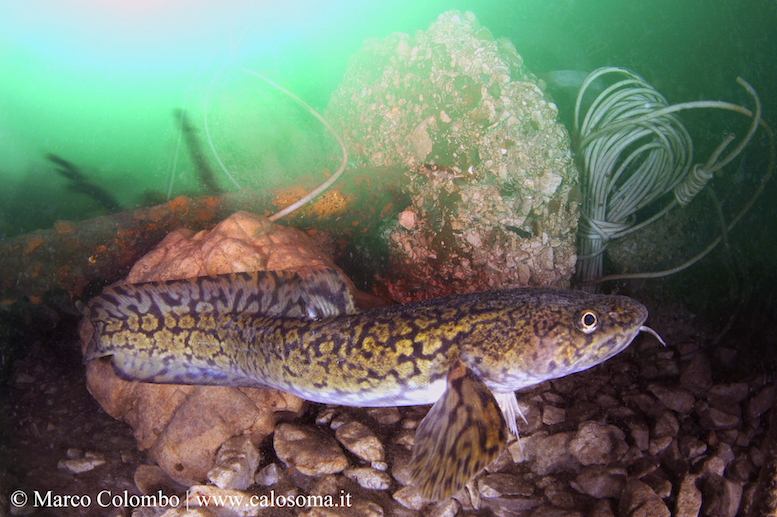
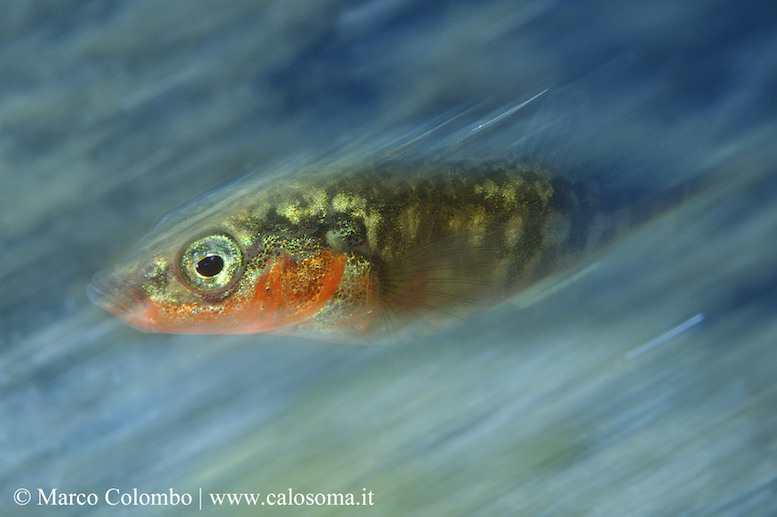
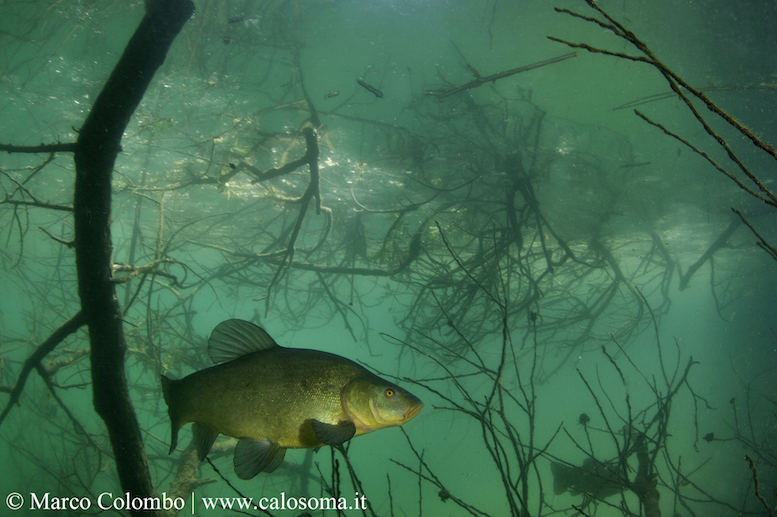
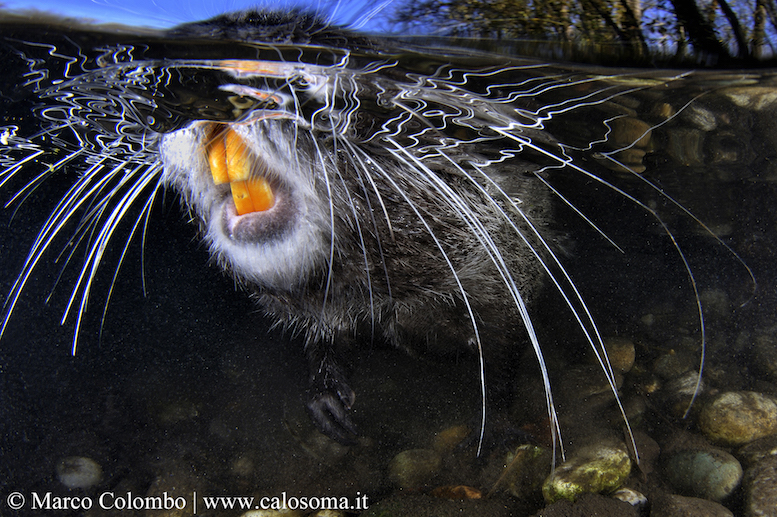
“I think it is better to not concentrate on huge equipment, but begin with a compact camera and train the eye.” © Marco Colombo

With a strong love for Nature, Italian-born Marco Colombo has travelled to some of the world’s wildest places, from fast-flowing European rivers to crawling under the ice of frozen lakes. Graduating with a degree in natural sciences, Colombo tied his adoration for the natural world with his eye for photography and became a wildlife photographer.

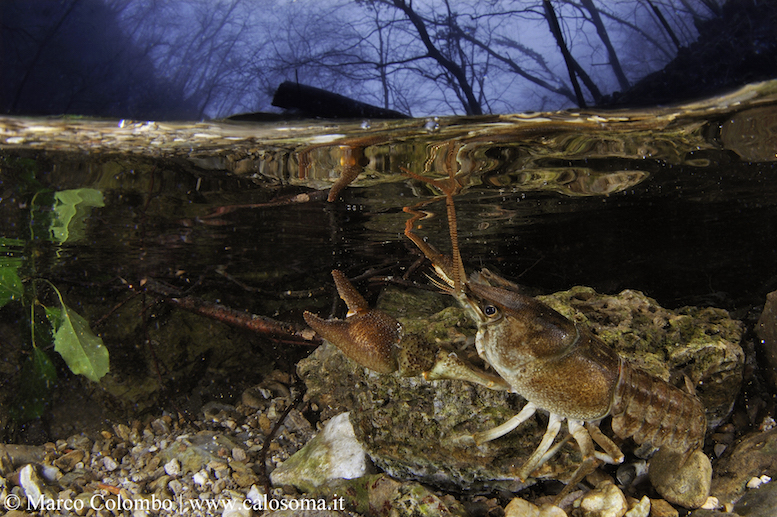
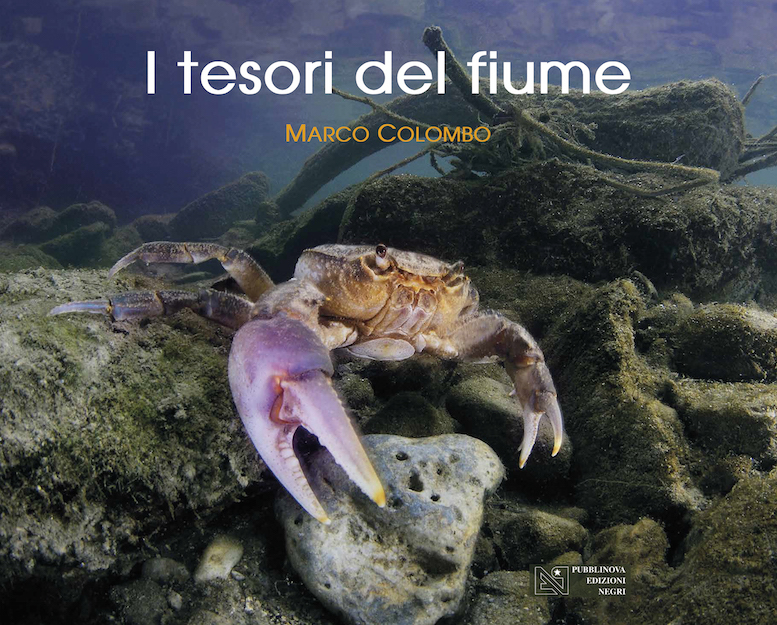
His work has now been published in some of the top international magazines – along with the publication of a new book (in Italian) I tesori del fiume (River Treasures), and he has received many awards and honourable mentions in international photography competitions. To him, curiosity and passion, together with a respect and awe for natural environments are the top ingredients for creating honest wildlife images – images that hope to inspire and educate people on conservation. UW360 caught up with the man to discuss more on his career and showcase his top images:
01

09
“I just want people to realise that they have a huge treasure close to their home: biodiversity. And this matters…” © Marco Colombo

What made you want to become an underwater photographer?
I’m not strictly an underwater photographer, as I practise most of the fields of Nature photography: macro photography, hiding for birds and mammals, “herp” shots (reptiles and amphibians), and underwater too. I graduated in natural sciences and have a love for Nature and animals, which comes before photography.

Your first underwater shot?
I began taking photos in 1999 when I was 11 years old. After a couple of years, I had a Nikonos V and started taking underwater photos. It was a beautiful experience and since then I haven’t stopped. I usually concentrate on sea during summer and fresh water all year round.

The story behind your most memorable underwater shot?
I don’t have a most memorable underwater shot in particular. I could say: a mobula that I encountered in Sardinia, with only nine remaining shots in the film, and only one in-focus shot; or a huge hammerhead shark, which escaped before I entered the water.

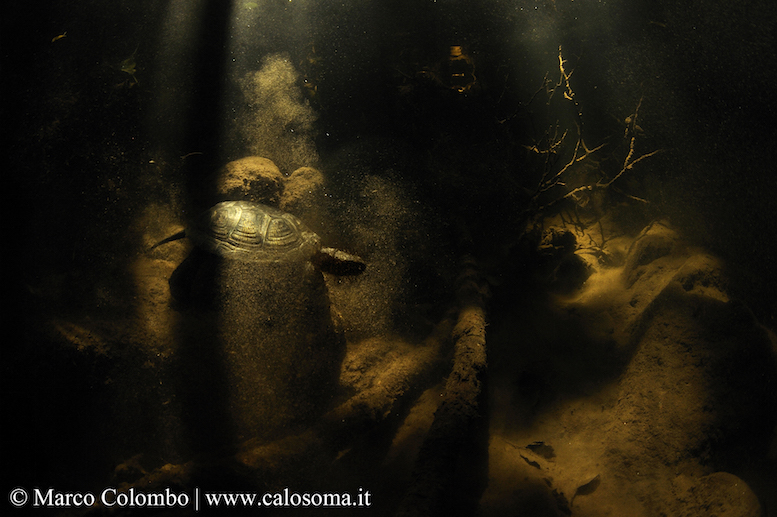
As far as fresh water is concerned, I could say something about the European pond turtle. One day I went to the river in order to photograph pond turtles, and once there I realised the harsh summer had reduced the stream to little pools. I entered the water and my strobe stopped working. As I couldn’t open it (covered in mud) without flooding, I decided to concentrate on natural dramatic light, thanks to sunbeams filtering from the branches outside; it portrayed a turtle in this environment of golden lights and shadows – a true “little treasure”.
05
“I decided to concentrate on natural dramatic light, thanks to sunbeams filtering from the branches outside; it portrayed a turtle in this environment of golden lights and shadows – a true ‘little treasure’.” © Marco Colombo
"You are the masters of composition and lighting, not the camera." © Marco Colombo
“You are the masters of composition and lighting, not the camera.” © Marco Colombo

Where is your favourite dive destination?
I usually go to the caves in northwestern Sardinia, near Alghero. Here you can find beautiful underwater landscapes, dark tunnels and very interesting animals thriving in the dark. A selection of marine shots can be found here.

The site you’d most like to dive, but never have?
I’d like to go diving in the Messina Strait, between Sicily and Calabria. I think it is a very nice diving spot for benthic animals.

The weirdest thing you’ve seen underwater?
Two of the most unusual things I’ve met in the sea are related to hermit crabs: one evening I found one giving birth to its larvae, and another day I saw one changing its shell. Of course, no good photos…

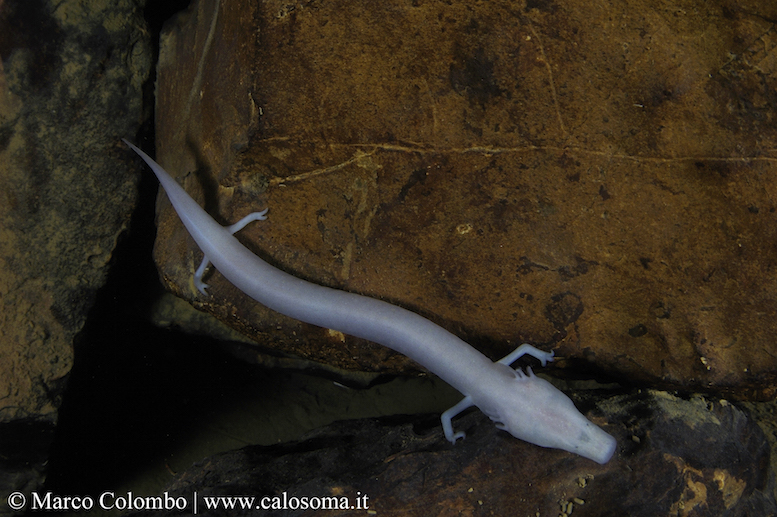
In the rivers, two species in particular were very weird. The sea lamprey, an ancient animal related to fish, unchanged for millions of years: It lives in the sea but in spring swims upstream in order to breed; it has a sucker-like mouth used to feed on the blood of big animals and to move pebbles during nest building on the bottom of the river. The other strange creature is the olm, a blind, white and neotenic salamander that can starve up to eight years and live up to 100 years. It only thrives in underground lakes and rivers of northeastern Italy and adjacent areas, but is very difficult to find and photograph.
03
“The other strange creature is the olm, a blind, white and neotenic salamander that can starve up to eight years and live up to 100 years. It only thrives in underground lakes and rivers of northeastern Italy and adjacent areas…” © Marco Colombo

What camera equipment are you currently using?
At the moment I am using a Nikon DSLR camera in an Isotta housing – one of my sponsors – together with ESA Worldwide and MaGear; I also use two old Nikonos SB-105 strobes for lighting. 

What is the highlight of your career?
I do a lot of work as a naturalist: lectures, projections, conferences, articles in magazines, scientific publications, books, exhibitions, guided visits to museums and natural parks, workshops, environmental education with schools… I think the best moments are when you know your message of conservation is passed to the public. 
07

11
“We depend on Nature and have to protect it; I hope that showing the beauty of animals, plants and places, people put them in their heart and try to save what they can.” © Marco Colombo

… And the low point?
Working as a wildlife photographer is not always easy…

Could you tell us more about your newly released book?
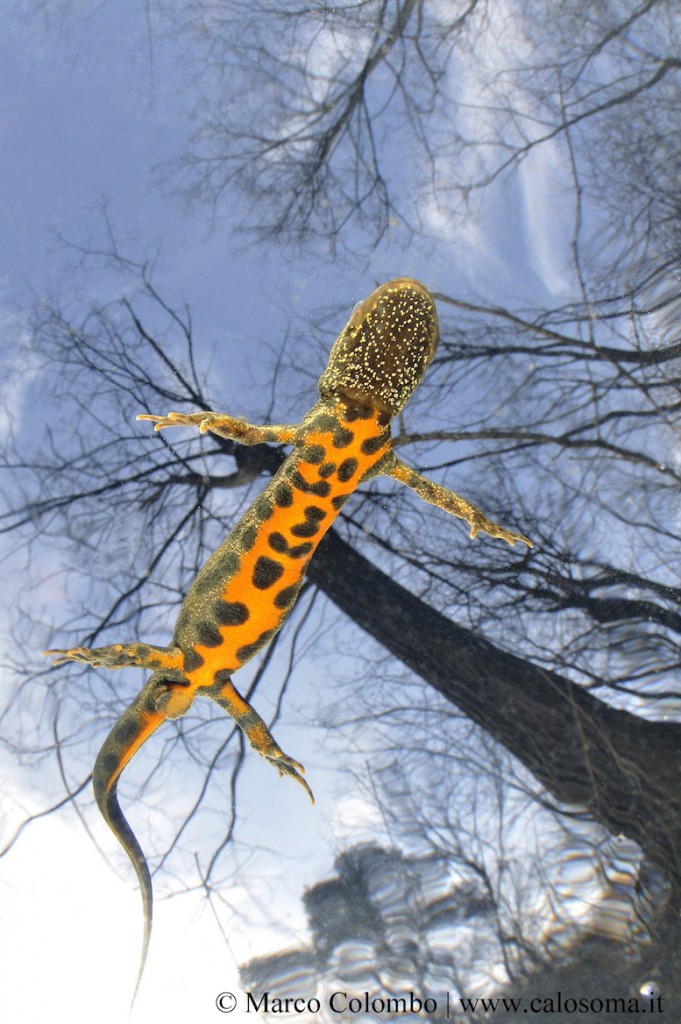
The book is a passionate ode to freshwater biodiversity. Using field stories, scientific data and unpublished images, some of the most endangered and precious Italian habitats are explored, from frozen lakes in altitude to lagoons on the coast, passing through streams, rivers and big lakes. Crabs, crayfish, sponges, insects larvae hiding on the bottom; mythological lampreys migrating for hundreds of kilometres; a variety of rare and common fish; toads, frogs, newts, including the very rare olm from underground pools; waterfowl and mammals on the shores. And then conservation issues, pollution, alteration, poaching, introduction of alien species, and some projects a
imed to save endangered species. In order to take photos, hours of diving has been spent in frozen lakes, in the mud of dark ponds and in the strong currents of the biggest rivers.

The preface was written by marine biologist and underwater photographer Dr. Alex Mustard.
12
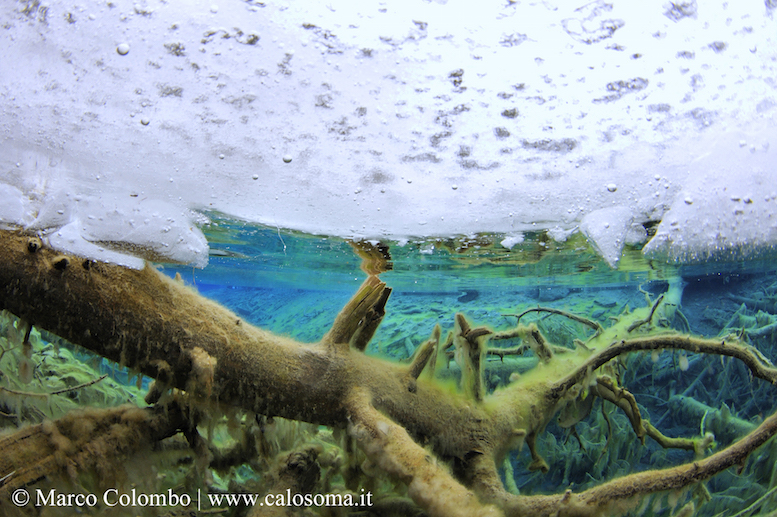
“In order to take photos, hours of diving has been spent in frozen lakes, in the mud of dark ponds and in the strong currents of the biggest rivers.” © Marco Colombo

What do you want readers to get from your images?
I just want people to realise that they have a huge treasure close to their home: biodiversity. And this matters, from many points of view, even medical ones. We depend on Nature and have to protect it; I hope that showing the beauty of animals, plants and places, people put them in their heart and try to save what they can. Sharing information is an important aspect of my work.

Have you any advice that you’d like to give aspiring underwater photographers?
I think it is better to not concentrate on huge equipment, but begin with a compact camera and train the eye. If you like underwater photography, after some time you can upgrade your equipment, but I’ve seen so many beautiful photos with cheap cameras too. You are the masters of composition and lighting, not the camera.

Is there any particular shot that you still want to get?
Yes, many. But that’s a secret!
02

08
“I graduated in natural sciences and have a love for Nature and animals, which comes before photography.” © Marco Colombo

Ask the Experts: Knee Irritated and Covered in Red Bumps After Diving, What Happened?

0
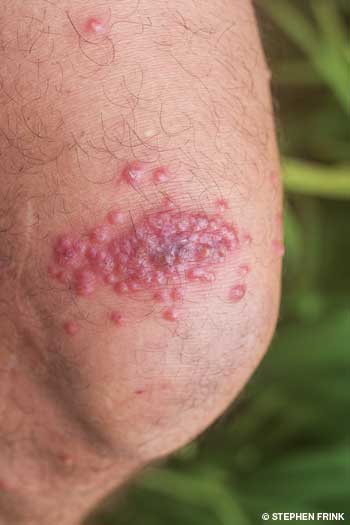
The effects of a hydroid sting © Wikimedia Commons

This week a diver approaches the DAN experts to ask about “Hydroid Sting”:

Diver question: On a recent outing with my dive club, we spent some time kneeling in the sand while practicing skills. My knee is now irritated and covered in red bumps. What happened?

DAN Answer

hydroid_sting-1This particular pattern of red bumps is most likely the result of hydroid stings. These organisms, which can look like plants, seaweed or clumps of feathers, are actually invertebrates of phylum Cnidaria. Like their relatives, fire corals and jellyfish, these animals have tiny stinging cells known as nematocysts. Hydroids are carnivores and use their nematocysts to catch passing plankton and shrimp. The stinging nematocysts may also fire into the skin of unsuspecting divers, which results in a cluster of red welts and bumps that burn and itch.
To treat these injuries, rinse the skin immediately with seawater. Try to refrain from rubbing the area, as this may induce further nematocyst discharge (this is easier said than done). Never use fresh water as it may actually cause undischarged nematocysts present on the skin to fire. Once the area is well irrigated with salt water or saline, apply white household vinegar (four to six percent acetic acid) to help neutralise remaining nematocysts. If vinegar is not available, isopropyl (rubbing) alcohol may be used. Pain can be treated with the local application of heat or hot water.

Once neutralised and cleaned, topical steroids such as hydrocortisone and antihistamines such as Benadryl (diphenhydramine) are commonly employed to reduce local skin irritation and itching. If the reaction is severe or persistent or an allergic reaction occurs, seek medication attention immediately. Reduce your risk of contacting these organisms with good buoyancy control and exposure protection such as wetsuits or dive skins.

Answer provided by DAN’s Lana Sorrell, EMT, DMT, and Nicholas Bird, M.D., MM

For more diving health and safety information, visit “Diving Safety” at www.danap.org

Truk Master Liveaboards – What Lies Beneath Paradise

0
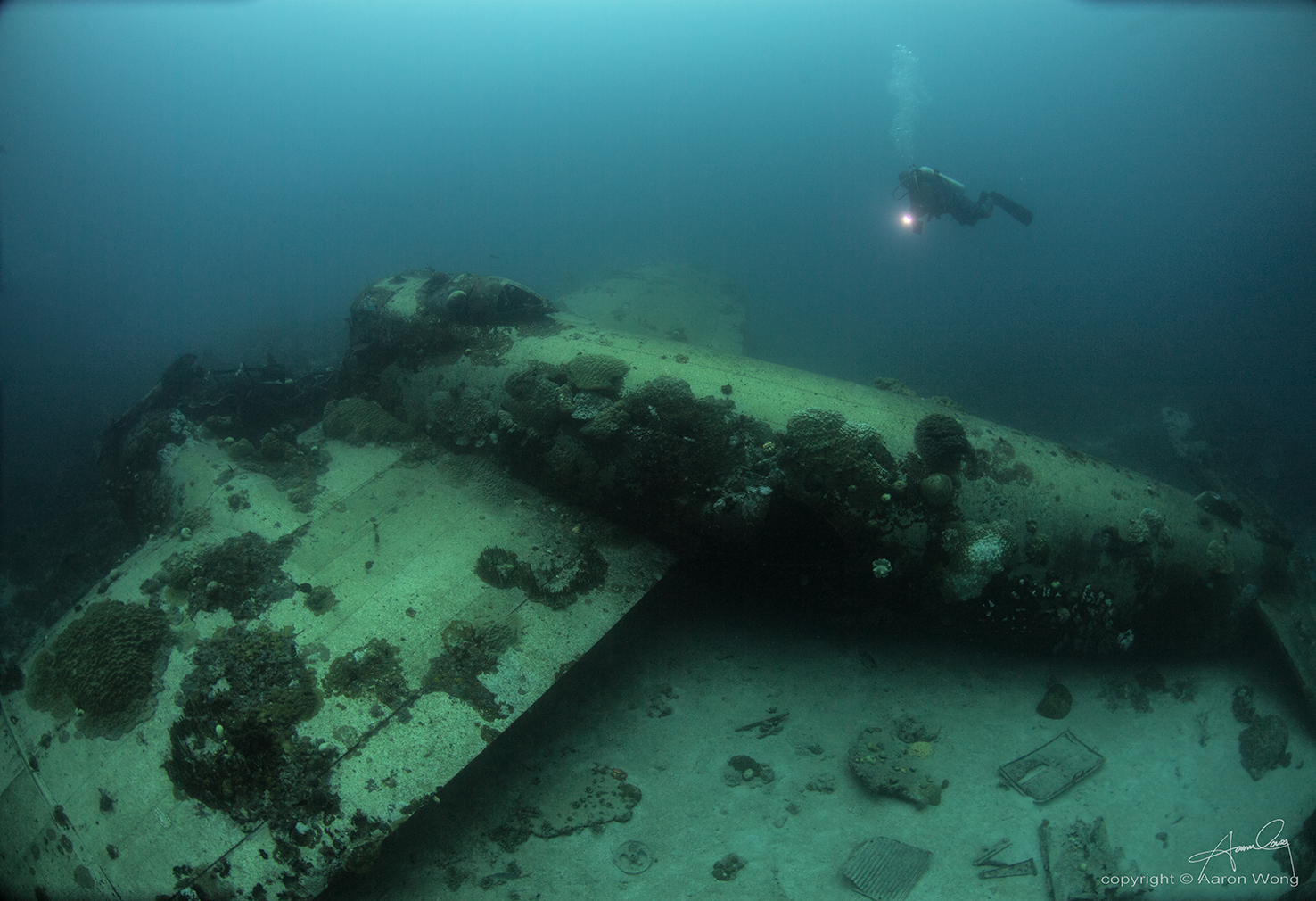
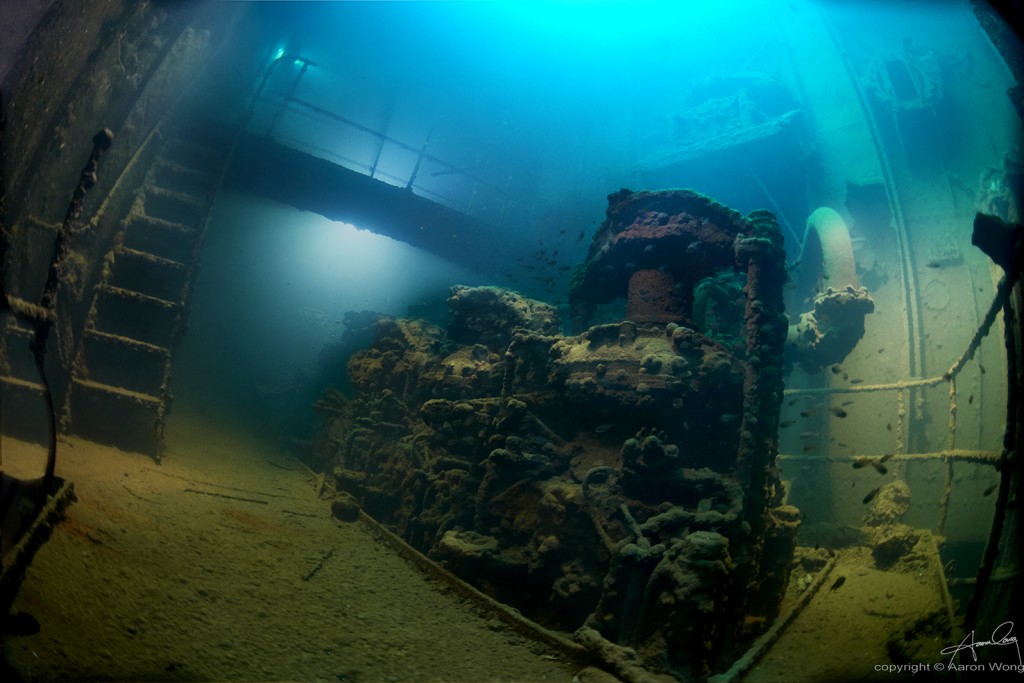
Diving the Billy Bomber © Aaron Wong

Well known for its world-class wreck diving, Truk Lagoon is now the featured destination for Master Liveaboards. With over 60 wrecks, from supply vessels to planes and one submarine, this tightly packed coral reef lagoon has attracted divers from the world over. 

With a chance to dive into history, through the remains of a WWII Japanese fleet, divers can enjoy many hidden artefacts and completely immerse themselves into a forgotten world below the waves. The wrecks are encrusted with corals that run along the ship corridors and through the various engine rooms, and there is even the chance to see the mounted guns and fallen tanks within the many dive sites.

The next scheduled trip is from October 26 to November 5, and is available from USD4,345.


Press Release

Are you a wreck-fanatic and/or a tek diver and ready for exciting wrecks? Come and join us aboard the new and luxurious Truk Master yacht to explore some of the best WWII wrecks in history. Operations in Truk Lagoon have now commenced with both seven and 10 night itineraries available.

Diving in Truk (also known as Chuuk) Lagoon is quite unlike any other destination you probably have ever been to. A historically important site: the sunken Japanese Imperial fleet of war and merchant vessels that has, over time, developed into a beautiful coral reef. This combination makes for a unique diving experience. Many war and cargo relics remain on the vessels, creating an exceptional atmosphere and an extraordinary diving experience.

In February of 1944, during WWII, the Americans launched Operation Hailstone on the Japanese naval base in Truk. They effectively eradicated 61 ships with a combined air/naval and submarine strike. The result of this attack is a collection of shipwrecks closely packed into a coral lagoon, many of which lie at depths easily reached by recreational divers. For tek and wreck specialist divers, Truk is a diving delight as well as many wrecks can be explored and penetrated in deeper waters (40+ metres).

The Kensho Maru engine room © Aaron Wong

Highlights:

  • Fujikawa Maru – An armed cargo ship measuring 132 metres and featuring a 6-inch bow gun. She was carrying several parts of a Zero Fighter Aircraft, such as propeller blades and engine parts, still visible today. Deeper down into the ship there are four more disassembled Japanese fighter planes: Mitsubishi A5M and Mitsubishi A6M.
  • Submarine 1.169 – Submerging quickly to avoid damage during the attacks in 1944, the crew omitted to close the valves causing the submarine to sink completely. She is now at her final resting place at 38 metres depth.
  • Nippo Maru – This 118 metre long cargo ship carried a tank and Howitzer guns and lies at a depth of 18-48 metres.

Truk Master crew and boat

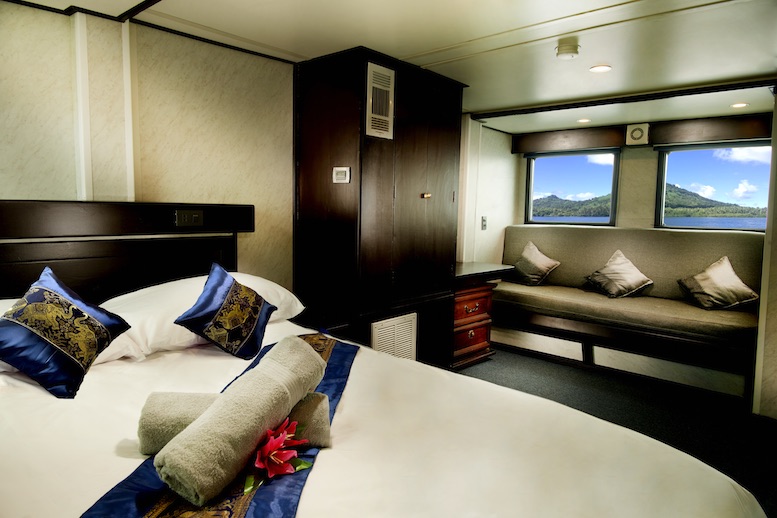
The crew of the Truk Master will provide you with the top-notch service that Master Liveaboards is known for. The yacht has undergone a complete re-fit through 2016, to meet all specific requirements of divers on a liveaboard holiday; i.e. luxurious cabins with en-suite bathrooms, plenty of space to stow your diving gear and personal belongings, and a special camera set up area.

cabin-08


About Master Liveaboards

Worldwide Dive and Sail (WWDAS), who designed, built and operate the Siren Fleet liveaboard brand, came up with the plan to expand their list of highly-rated, amazing dive destinations. Combining more than 70 years boat building experience, in both wood and steel boats, it was the logical step for Jan and Frank van der Linde to move into re-building steel vessels. The team also offer advice to other vessel owners on how to operate and maintain their boats to the highest standards; and thus the Master Liveaboards brand was born.

Featured Destination: East Greenland

0
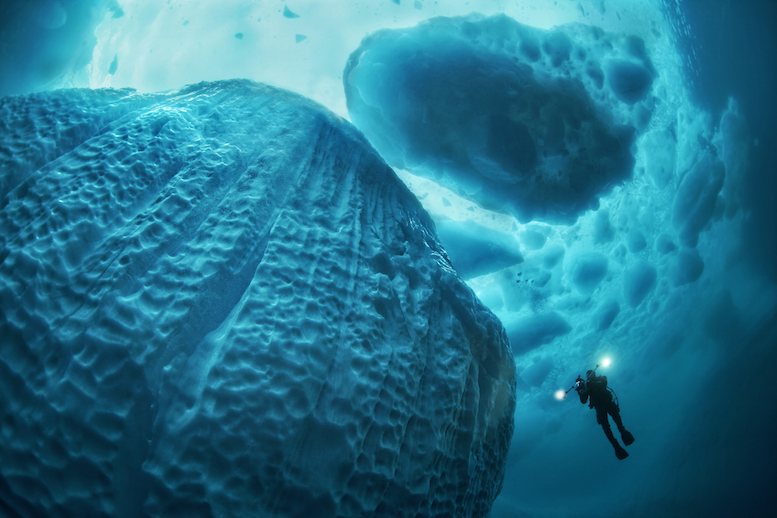
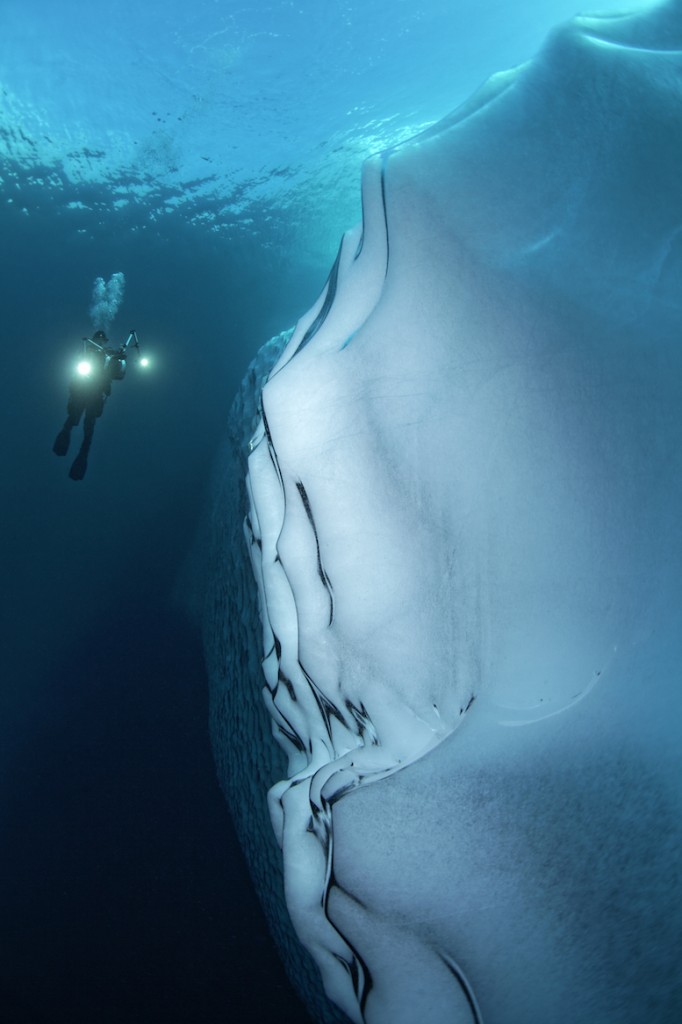
Diver swimming along an iceberg in crystal clear water holding a video camera with lights on, Tasiilaq Fjord, East-Greenland, Atlantic Ocean, Arctic © Tobias Friedrich

Tobias Friedrich heads to the beautiful fjords and icebergs of East Greenland to undertake spectacular dives which no-one has ever logged before

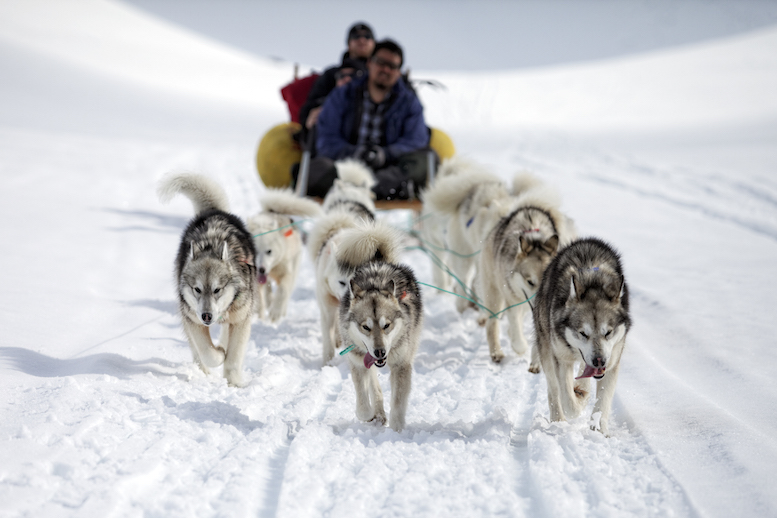
“PUR, JACKIE, PUR!” shouts Inuit Mika to his husky, named after the film star Jackie Chan. The dog knows exactly what to do: pur is a modified form of pull and the thin rope goes taut as his paws sink deep into the snow. By mid-April the sun is already warm, causing small puddles to appear. It seems hardly possible that 12 dogs can pull the sledges, laden with dog handlers, two guests and substantial equipment over the next hill, but they do. Impressively, they pull a corresponding body weight to their own, about 25 kilograms, for several hours at a time. The sledge glides almost silently through the still frozen fjord into the ice and snow covered mountains, where a few brown spots of bare earth are already visible. “The dogs are the true heroes of the Arctic,” says Sven Gust of Northern Explorers. The German, who settled north of Trondheim in Norway, has organised diving and adventure expeditions to these arctic waters for many years. “Huskies have been the most important production animals in Greenland for many centuries. In winter, using dogs was the only method of moving around, bringing the Inuit to the ice edge or outlying fjords to hunt.”

These days, the dogs are being increasingly replaced by gas-fuelled snowmobiles which require no attention during the summer, while dogs of course need to be fed and attended to through the whole year. “Most Inuit are very poor and cannot afford much. A snowmobile stands in the corner and costs no money in summer,” explains Gust. But, happily, there are still enough huskies and dog handlers that rely on this traditional mode of transport in Tasiilaq, the capital of East Greenland, with about 2,000 inhabitants. When the ice gets thin, the sledges definitely have an advantage over the heavier snowmobiles and though this is a remote region, tourists do come here and the dog sledges are a popular option for experiencing traditional Greenland. “Along with diving, we want to offer this unique experience to our guests,” says Gust.

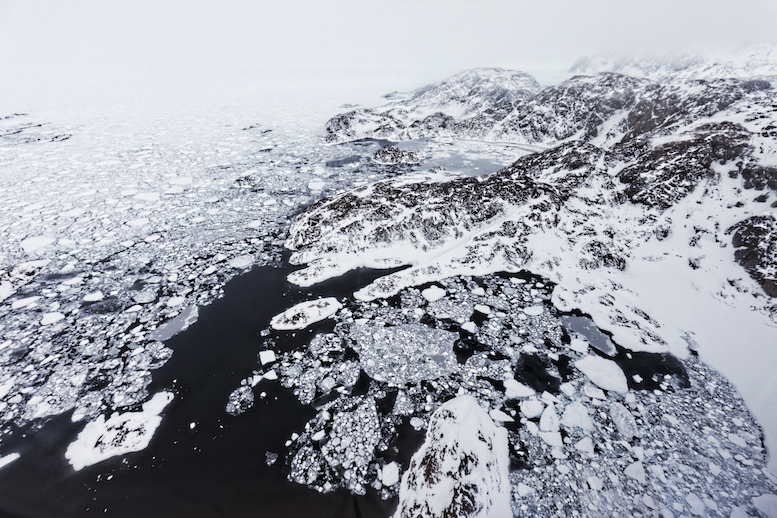
Ice sheets floating at the sea between Kulusuk and Tasiilaq in East-Greenland, Atlantic Ocean. © Tobias Friedrich

During the week-long expedition there is a three-day tour which heads into a nearby fjord. This is not for the faint-hearted as it is a five or six hour trail on the dog sledges. This is real adventure and hard to imagine when sitting at home planning it. Most of the equipment is transported by snowmobile, so the dogs don’t need to pull the heavy dive kit. When the rope tightens and the dogs set off it is a strange feeling: You don’t know what to hang onto or where to put your feet. But, as we pick up speed and silently skim over the frozen fjord, everyone starts smiling anyway. When the climb is steep, or the snow is wet, guests have to jump off the sledge and run alongside it to ease the passage for the dogs.

“Running in deep snow is more strenuous than I expected. Respect for the dogs increases when you can jump onto the sledge again,” says Thomas from Heidelberg. The amateur triathlete likes to travel to Arctic locations often. “In particular, the combination of diving and the dog sledge adventure was especially appealing to me on this expedition,” he explains.

Sledge dogs towing a sledge with people sitting on the sledge in the blurred background, near Tasiilaq, East-Greenland, Atlantic Ocean, Arctic. © Tobias Friedrich

Sermilik Fjord

Diver swimming along an iceberg in crystal clear water holding a video camera with lights on, Tasiilaq Fjord, East-Greenland, Atlantic Ocean, Arctic. © Tobias Friedrich

During the dog sledging tour, the accommodation is a good example of the “off the grid”, adventurous nature of this trip: a lonely cottage lying at the edge of Sermilik Fjord. There is no running water, but plenty of snow on the roof to thaw and use. The generator provides power and the stove heats the cabin up quickly – all ready, warm and cosy for the adventurers to return from the frozen lands.

The dive trips embark from this little beacon of comfort in a breathtaking landscape. The scenery is majestic and immense, with its steep mountains, gigantic fjords, and magnificent icebergs.

The special attractions underwater are the incredible icebergs. Frozen in time, these icy behemoths broke off last summer from a nearby glacier which is in turn fed by the huge Greenland ice cap. First, an appropriate entry has to be found in the water. “How and where we can go diving cannot be predicted,” says Gust, and anyone who has been in the Arctic knows exactly what he means. First, the weather can change at any time, but also the ice conditions must be closely watched at all times. If the ice is too thin, even the comparatively gentle huskies can’t drive up to the ice edge.

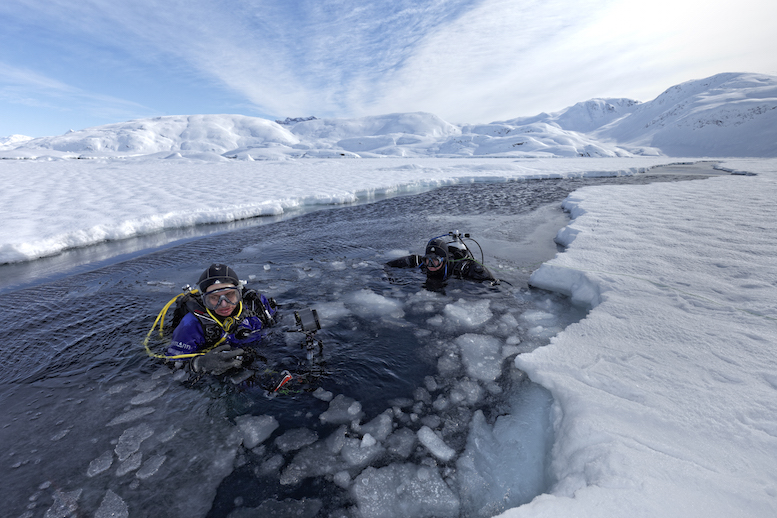
Gust has a solution to that: A hole is literally hacked into the thicker part of the fjord ice and that is the dive entry point. “Big cracks in the ice can quickly occur in the spring time. Divers could also enter the water using one of these cracks, but it’s important to always check out the surrounding situation so as not to move into dangerous territory,” Gust explains while closely inspecting the fjord through his binoculars.

All these concerns seem to float away once you enter the icy water. However, of course it is critically important to remember and follow the special ice-diving safety rules no matter how mesmerising the view. For example, in –2°C water avoid using the regulator at the surface, since the risk of freezing is greatest there. During the dive, it is recommended to switch every five minutes between the two main regulators, which are on independent first stages, to keep them flowing well. By following all the safety instructions of the highly experienced guide, guests will get a unique and incomparable diving experience.

Two divers swimming through a crack in the frozen Fjord pushing the ice pieces away, Semalik Fjord, near Tasiilaq, East-Greenland, Atlantic Ocean, Arctic. © Tobias Friedrich

Shortly after descending under the snow covered ice, darkness quickly surrounds us. After a while, our eyes become accustomed to this completely unfamiliar environment and a new, surreal world emerges ahead. At some points, the snowpack is less dense and the area becomes sl
ightly illuminated. Small icebergs reveal unsuspected structures below the surface. Sometimes they are sharp-edged, almost crescent-shaped, then again round and smooth as a giant bowling ball. One never tires of discovering these whimsical shapes and structures, which also shine in a world of different colours. Shades range from white grey to deep blue, which occurs only in very strongly pressed ice, as is the case with the Greenland ice sheet. Everything is surrounded by a water colour ranging from dark green to deep black in the depths of the fjord. One feels transported deep into a cave inside a mountain.

Due to the low visibility owing to the increasing amount of melt water and the dark conditions, the divers can explore only small sections, secured by a line leading the way to the exit hole. The risk would be too great if the divers travelled further. “We have never had a diving accident, but safety always comes first,” stresses Gust. In the remote wilderness of Greenland, safety is extremely important, because the next pressure chamber is in Reykjavik, Iceland, two hours flight away, and that is after you vacate the fjord area to the nearest airstrip. The fjord dives require quite a bit of courage and a genuine love of adventure, but one is rewarded with unforgettable visual memories. Not many people have entered a dive in Semalik Fjord in East Greenland in their logbook.

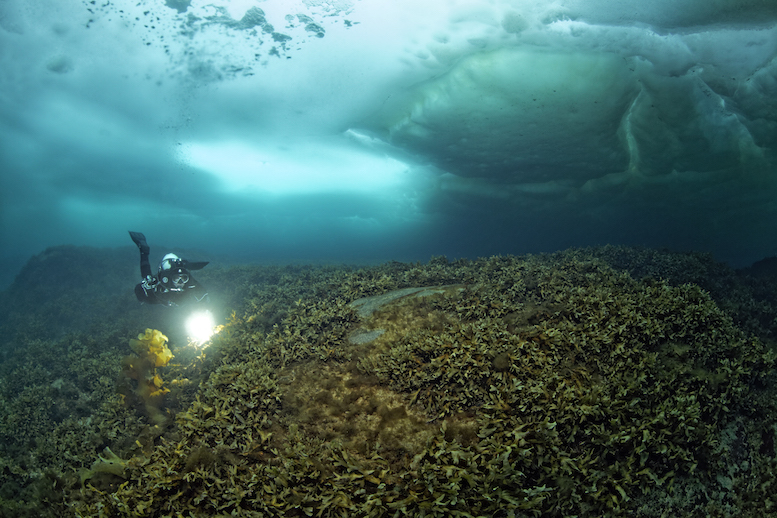
Short kelp forest under the ice, covered in snow, with a diver holder a lamp to show dimensions, near Tasiilaq, East-Greenland, Atlantic Ocean, Arctic. © Tobias Friedrich

The best is reserved for the end of the trip: the icebergs on the Atlantic coast. This also demonstrates the huge logistical effort that is needed on a Greenland expedition to reach the dive sites. From the accommodation in Tasiilaq, the equipment has to be first brought by car to the harbour, loaded onto a sledge and pulled by muscle power to the ice edge. By this point everybody wants the huskies back. Finally, everything is stowed in a small day boat and from there it goes through the icy fjord. As the boat makes its way through the ice floes with a seemingly relaxed Inuit captain, Ian from the USA exclaims, “that is amazing!” He has been filming the ride with his action camera and is now looking back from the bow, grinning at the other passengers. “I can’t wait for the dive!” he says, anticipating the next adventure. But not every iceberg that has broken off from the northern glaciers and driven southwards along the coast can be dived. “The iceberg must be as stable as possible without overhanging edges or large cracks, otherwise a piece could suddenly break off,” warns Gust. Of course, this risk can never be entirely ruled out, but thanks to the long experience of the organiser he can assess the potential danger well and unerringly chooses the correct ice giants.

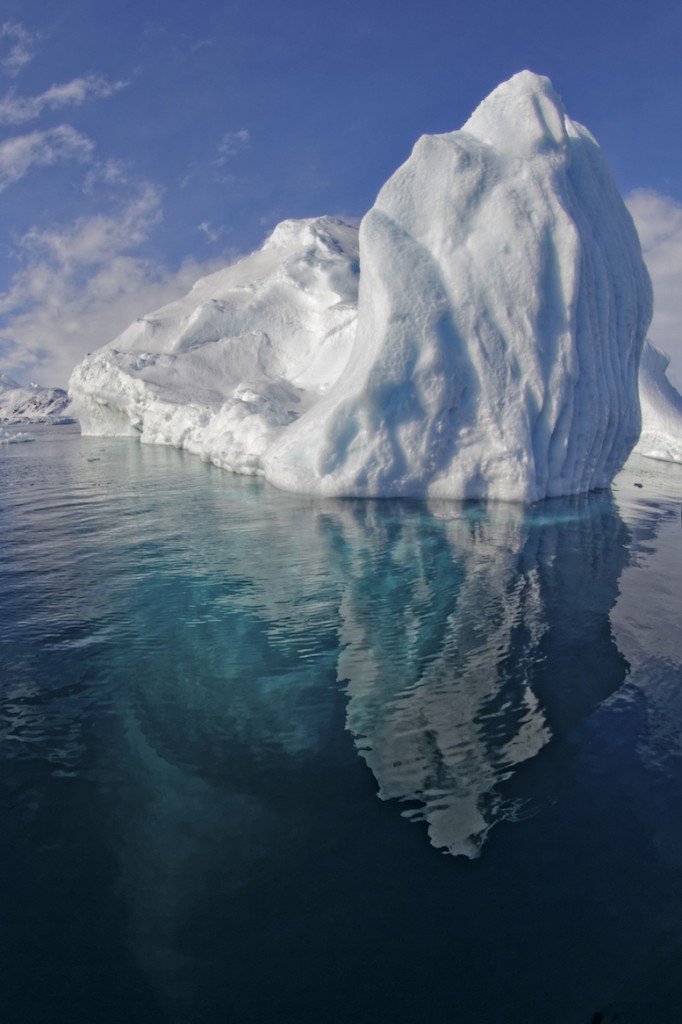
Iceberg in a fjord with a reflection on the surface and the clear visible part underwater, Tasiilaq Fjord, East-Greenland, Atlantic Ocean, Arctic. © Tobias Friedrich

In April, the underwater visibility on the coast is exceptional. At least 20 to 30 metres is not uncommon and it can be up to 60 metres. Some of the 90 percent of the iceberg, which is supposed to be underwater, can already be seen from the surface. The structures of the giant are shimmering blue-greenish in the strong sunlight. The colossus reveals unexpected forms, strangely similar to a coral reef with canyons, coves and small plateaus, which extend far beyond the structures of the part of the iceberg that can be seen over the water surface. In some places, sharp edges like oversized axes rise from the ice and in others the ice is traversed by fine cracks that run through it like veins. Almost everywhere is a thin, only centimetres thick, transparent layer of ice over a solid white core that looks like snow. In these fantastic visibility, a safety line is no longer necessary, because at any time the boat can be seen from the depths, which follows the divers between the ice floes on the surface. The extraordinary visibility results from less melt water out at the coast and the algal bloom starts a few weeks later in the year. “I visited Greenland in the summer when there was much less visibility. Now I am finally able to check off the experience in these spectacular conditions,” says Thomas from Heidelberg. “In summer, the whales are the biggest highlight and in spring the icebergs are the stars of the show,” he continues enthusiastically. Fortunately, the farewell is not so bad, because it is topped by a helicopter flight over the sea ice. “It’s only possible to reach the airport with a helicopter. For the boats the ice is still too thick at this time of the year,” explains the smiling Sven Gust, sitting in the bright red helicopter as the turbines roar to life.


website-1This article featured in SD OCEAN PLANET “Islands & Liveaboards”, text and images by Tobias Friedrich

shutterstock_42695098


Sixth Mass Extinction To Kill Large Marine Animals First

0
A blue whale breaches in the open ocean © NOAA Photo Library
“Don’t it always seem to go, that you don’t know what you’ve got ’til it’s gone,” sang Joni Mitchell, over a flatly-tuned guitar in an outdated long pink dress to a small crowd in a small theatre room in 1970. The famous song, “Big Yellow Taxi”, known for its environmental concerns and inspired by and written in one of the world’s whale-watching hotspots, Hawaii, has a sentiment that rings true for the situation the world faces today: the sixth mass extinction of plants and animals – the worst spate of species die-offs since the loss of dinosaurs 65 million years ago. 
 
What we have now, on our land and in our oceans, if we fail to do anything, will be gone. What that will be like, nobody knows. Most concerning is a new study that has found that, for the first time in the history of mass extinctions, the largest animals in the world’s oceans are expected to die off first.
 
The study, published in Science Magazine and led by Jonathan Payne of Stanford University, brings terrible news to a terrible situation.
 

Both Sides, Now

“Humans tend to fish down the food chain (and that the top of the food chain is made up disproportionately of large species) and that they tend to hunt large individuals within species suggest that the pattern of threat to larger species reflects human activity, especially hunting and fishing,” states Payne.

Our various activities, along with our hunting tendencies, have meant that the extinction threat in the modern oceans is strongly associated with larger bodied animals. From whales to sharks, to giant clams to tuna, our subconscious “bigger is better” mantra is depleting our oceans of some of its most remarkable creatures, and in turn tearing apart various ecosystems.
 
Before the study, Payne and his team had expected to see an association between larger size and extinction threat in the modern oceans – this was based on recent patterns on land and qualitative readings of marine threat assessments. But “the biggest surprise [the team discovered] was the lack of association between size and extinction probability in the fossil record.”

In fact, all previous mass extinctions had a greater impact on smaller sea animals or were non-selective when it came to body size – marine species were threatened equally, irrespective of how big they were. There was something strange about the current extinction, something never before seen in science, and the authors of the study attempted to predict the consequences.

“It is difficult to predict the specific responses of other species to the removal of large species because ecosystems have complex sets of interactions,” Payne told UW360. “In many ecosystems, the effects of removing large species cascade through the ecosystem, affecting many other species in unpredictable ways. This is one of the key challenges for conservation biology – it is often difficult to know what will happen when species are removed from ecosystems or driven entirely extinct.”

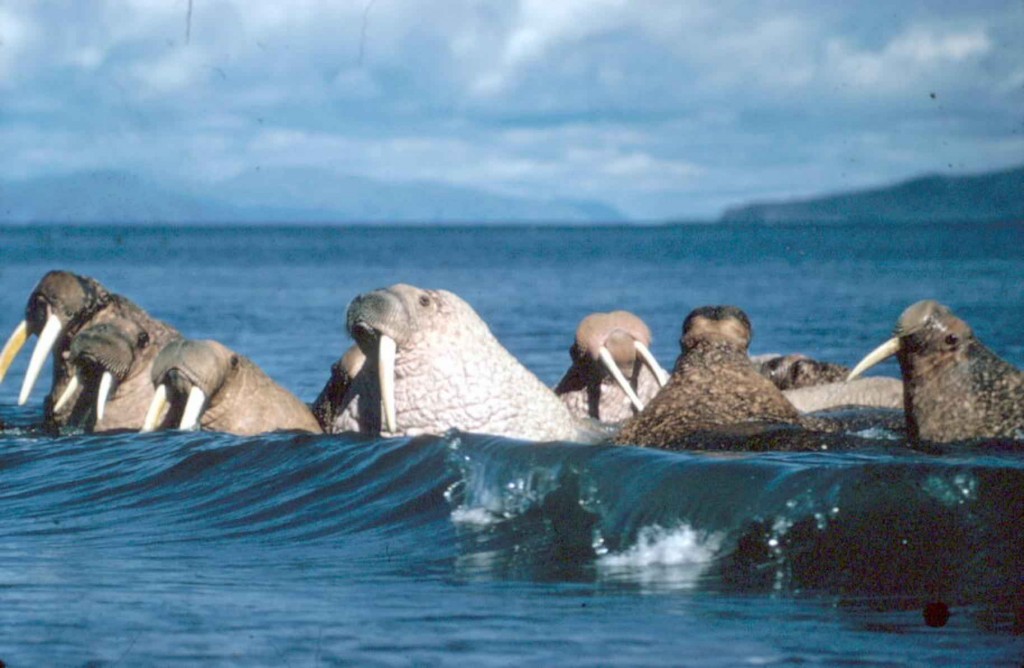
Large walruses bathe and play in the waves © Public Domain Images

Circle Game

The Big Five Mass Extinctions

65 million years ago: Cretaceous-Tertiary mass extinction sees 76% of all species lost

200 million years ago: End Triassic mass extinction sees 80% of all species lost

248 million years ago: Permian mass extinction, nicknamed “The Great Dying”, sees a staggering 96% of all species lost

359 million years ago: Late Devonian mass extinction sees 75% of all species lost

443 million years ago: Ordovician-Silurian mass extinction sees 86% of all species lost

A mass extinction is a relatively sudden, global decrease in the diversity of life forms and almost completely restarts the planet’s ecology.

Past studies have looked deeply into how such extinction events have taken place. Research has previously hinted at how mass extinctions have surprisingly occurred regularly over the long haul – in the last 250 million years, there’s been a large “die-off” almost every 26 million years. Some scientists go on to suggest that these extinctions might sometimes be driven not by, say, climate change or impacts from space (huge asteroids), but the emergence of “super predators”.

Live Science reported how in 2005, a scientist developed a computer simulation representing a population of many species competing for food and living space. Much of the time, “medium efficiency” predators prowled the virtual world and their numbers fluctuated only slightly in response to changes in prey population size.

But every so often, mutations would lead to the evolution of a super predator that quickly devoured an entire prey population, which in turn led to its own extinction. The critters that survived the “predatory apocalypse” gradually mutated to fill new ecological niches, and the cycle began anew. There are parallels with this situation and the situation today: With the increasing human hunting pressure of intense whaling and overfishing of marine life, humans could be considered super predators of this epoch.

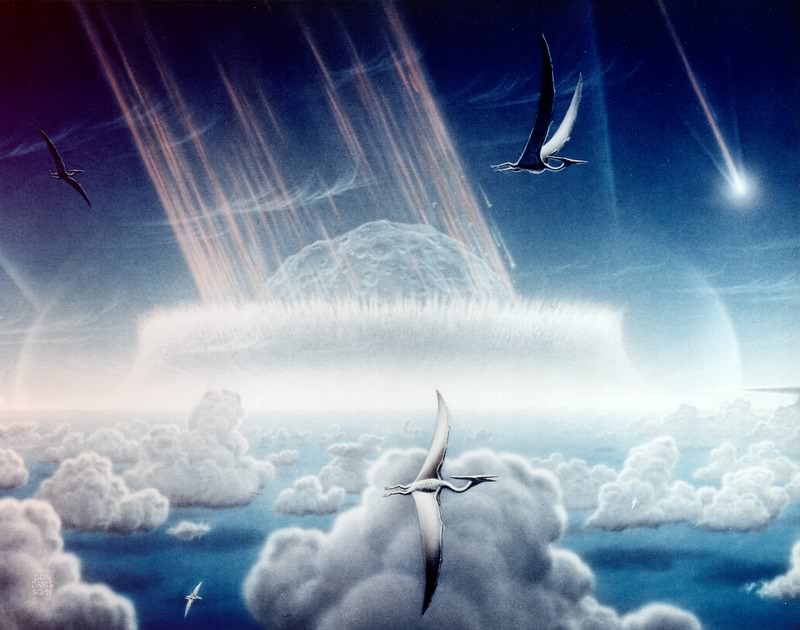
Supposed Cretaceous–Paleogene extinction event © Wikimedia Commons

Down to You

“Human activities appear to play a large role in the sixth mass extinction,” says Payne. However, he remains positive about how we can control our own actions: “The good news is that this means changing human activities can play a major role in averting a mass extinction. The outcome is in our hands.”

 
Indeed, currently, very few marine animals – those that we know of – are already extinct, so positive outcomes are still very possible. For large species, larger marine reserves located in the right habitats and management strategies aimed at preserving sustainable populations are the keys to ensuring their survival.
 
Only through humans entering new ecosystems do we see that the largest animals are killed off first. This has been happening for centuries on land, but now we are seeing human influence in the deep blue. According to Noel Heim, a researcher working at Payne’s lab who spoke to Science Alert: “Marine systems have been spared up to now, because until relatively recently, humans were restricted to coastal areas and didn’t have the technology to fish in the deep ocean on an industrial scale.”
 
So far, this mass extinction in the oceans is not nearly as severe as previous mass extinct
ions
. Payne suggests “the big question is whether we can change our practices such that we save most or all of the species that are currently threatened. If we do not and we end up losing all of the currently threatened species to extinction, then we will approach the magnitudes of the previous mass extinction events.”
 
Plans are in place for the International Union for the Conservation of Nature (IUCN) and various governments to monitor and assess extinction threats on a regular basis. This ongoing effort is hoping to find more answers to the many questions being thrown at scientists regarding the current mass extinction event. These continual studies are hoping to give us a clearer view on how we can best mitigate the effects of this changing world.
 

Underwater Photographer of the Week: Patrick Dykstra

0
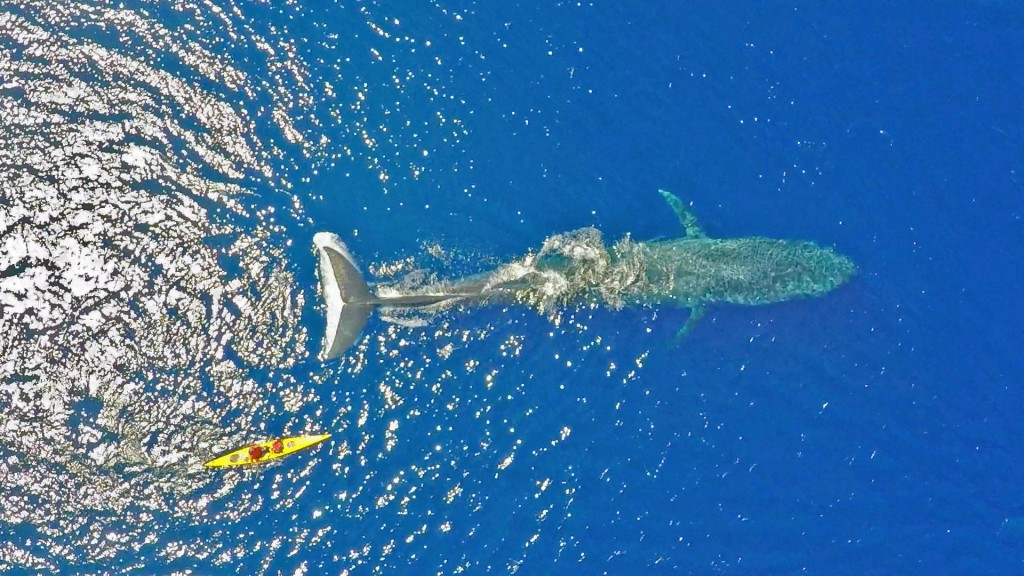
Patrick Dykstra has been involved in notable research projects and expeditions, famously being at the forefront of the exploration and documentation of the blue whales of Sri Lanka and the killer whale migration to Iceland. © Patrick Dykstra

Known for his willingness to take his camera into areas where others would prefer not to go, Patrick Dykstra has captured incredible images and videos both above and below the waves. From capturing Yemeni tribes to shooting underwater Antarctic icebergs, Dykstra has carved a career out of picturing the extraordinary. Involved in notable research projects and expeditions, he has famously been at the forefront of the exploration and documentation of the blue whales of Sri Lanka and the killer whale migration to Iceland.

With a trained eye for capturing unique imagery in abnormal locations, the harsh and alien-like environment of underwater photography was something that came naturally to him. We caught up with the man to find out more about his incredible career and work:

humpbacks-and-herring

gws-breach-1-light
“Leave the camera on the boat some of the time. I know that sounds odd, but the ocean and its inhabitants are so spectacular that you don’t want to always see them through your viewfinder or on your screen.” © Patrick Dykstra

What made you want to become an underwater photographer?
When I was 16 years old I visited the Smithsonian Museum in Washington D.C. As I was walking through the Sea of Life exhibit, I was shocked to see a life-sized replica of a blue whale. It was bigger than anything else that I had seen in the entire museum, including the airplanes at the nearby Air and Space Museum. The display said that blue whales are the largest animal to ever inhabit the planet. 

I could not believe that the world’s largest animal was not some long-extinct dinosaur. It’s an animal that is alive on Earth at the same time as us. It’s the blue whale, and it is swimming in the oceans just off of our shores.

That day is really when my love affair with whales and the oceans began. I made up my mind then and there to seek out blue whales in their natural environment and I subsequently fell in love with all of the oceans’ creatures and the beauty of the sea. Shortly after that I began studying the ocean and its inhabitants and documenting them with my underwater camera.

The story behind your most memorable underwater shot?
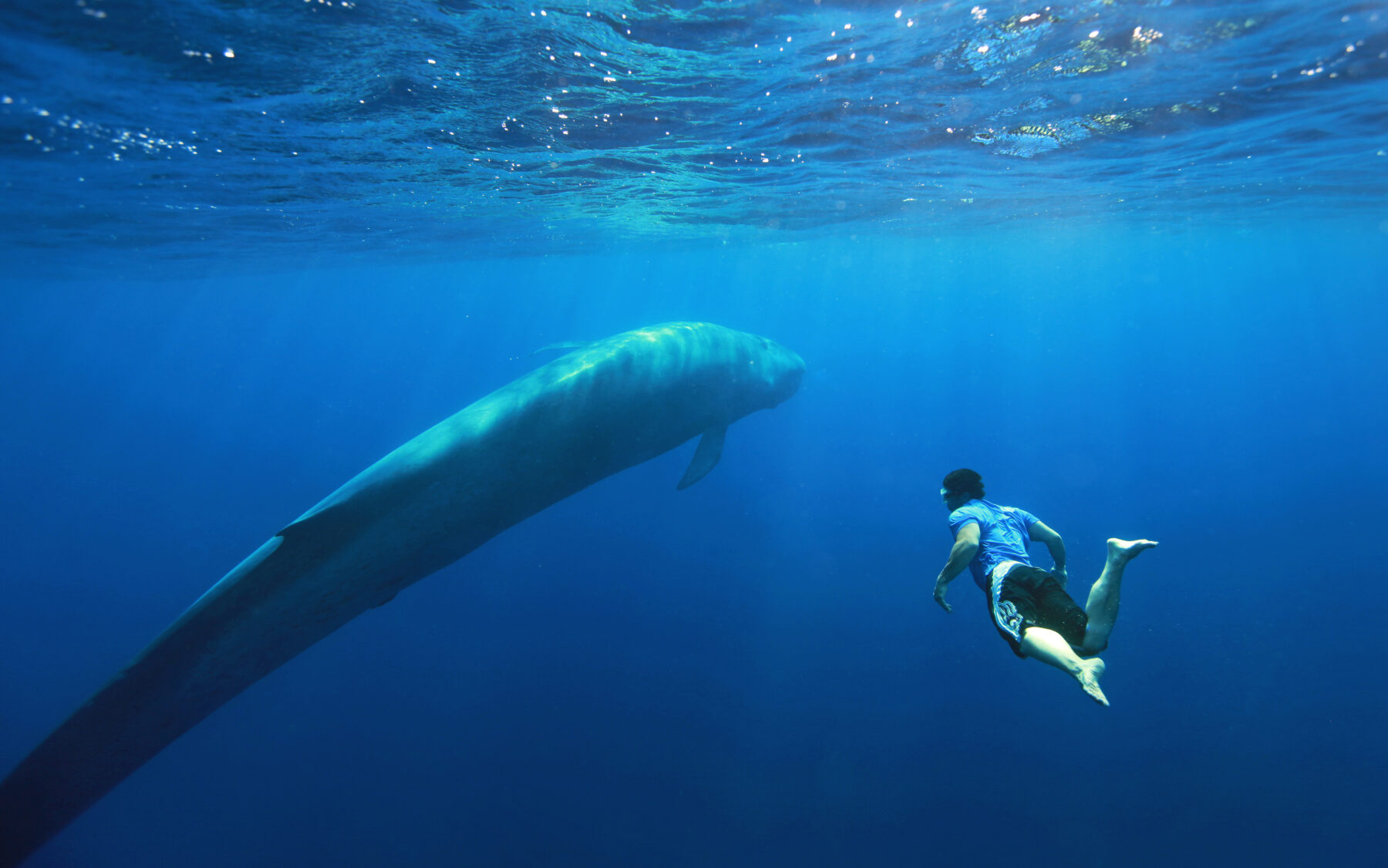
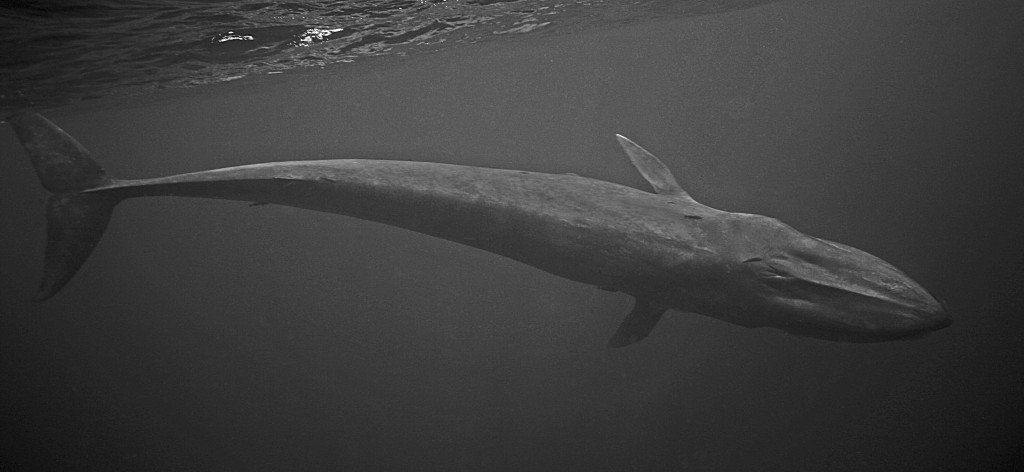
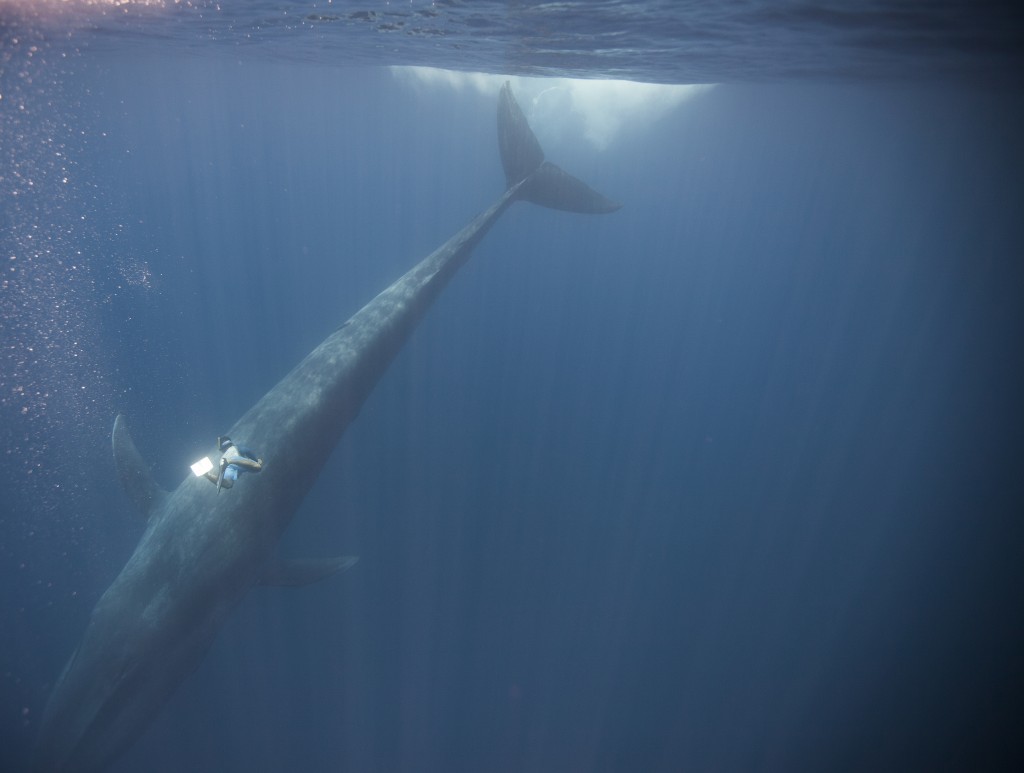
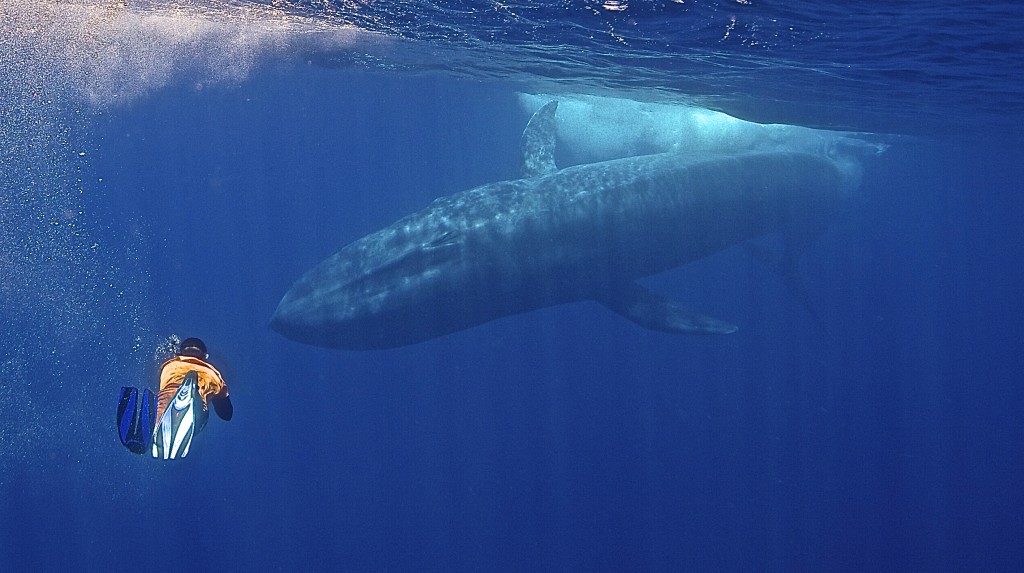
I spent nearly 10 years travelling the world looking for that incredible underwater encounter with a blue whale that would truly let me feel their size and power. When dealing with a 30-metre-long animal that is very shy, the conditions all have to come together just right to get that magical encounter.

You need super high visibility, calm seas, a tolerant whale, and a gentle approach to not scare the animal. It really requires a “perfect storm” of factors to make it all work. My quest took me to the Azores, Antarctica, Mexico, California… I travelled the world seeking that life-changing encounter. 

All of the conditions first came together for me back in 2009, 15 miles offshore in Sri Lanka. A calm blue whale surfaced about 300 metres from me and slowly came my way. I was sure that it would dive or veer off before reaching me, but as the distance closed, I put my mask below the surface and the whale came straight on until it was less than five metres from me. 

I just hung in the water in stunned silence. I was so mesmerised that I forgot to snap a single photo. However, the whale then did a small circle around me and came back for a second look. 

Since that day I have spent hundreds of hours in the water with blue whales, and taken thousands of images, but it is that encounter that I will always remember because it was the first real fulfilment of a decade-long quest.

"I was so mesmerised that I forgot to snap a single photo. However, the whale then did a small circle around me and came back for a second look." © Patrick Dykstra
“I was so mesmerised that I forgot to snap a single photo. However, the whale then did a small circle around me and came back for a second look.” © Patrick Dykstra

Where is your favourite dive destination?
I really enjoy diving with sperm whales in Dominica and also killer whales in Norway. Is that cheating that I gave you two destinations? Diving with blue whales in Sri Lanka is also up there! Does giving you three answers make it worse?

Those three species and destinations are so different that I have to rate them all as a tie at the top of my “favourites list”.

The site you’d most like to dive, but never have?
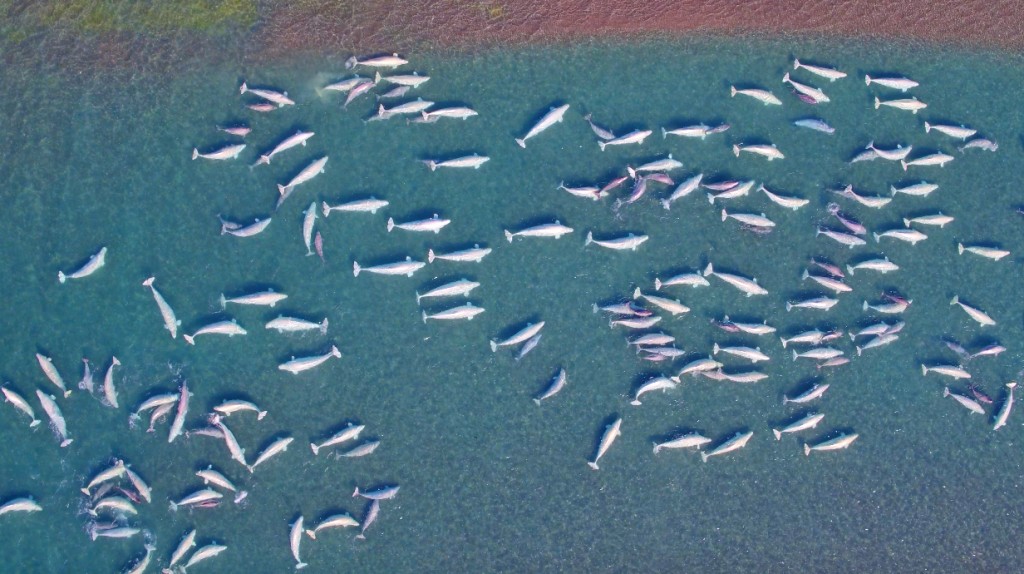
Pond Inlet, Canada. There are so many interesting creatures along the ice floe edge and I’d love to do some more work with narwhals and polar bears. That region offers some great opportunities for both species.

beluga-above-insp-day-1

pat-by-blue-1
“I spent nearly 10 years travelling the world looking for that incredible underwater encounter with a blue whale that would truly let me feel their size and power.” © Patrick Dykstra

The weirdest thing you’ve seen underwater?
I saw a fascinating dance between a barracuda and a pod of false killer whales a few years ago. The barracuda sought protection behind me as several false killers circled around. The whales were a bit cautious about my presence and they were not willing to come closer than about two metres from me.  The barracuda sensed this small area of safety and it stayed next to me, often between my fins, for about 30 minutes. The false killers calmly circled around waiting patiently. 

Eventually I had to climb back in the boat, and that is when the whales pounced and ate the barracuda. It was a really interesting display. I actually felt a little bad for the barracuda as it had sought me out to protect it.

What camera equipment are you currently using?
I’m shooting stills with a Canon EOS-1Dx in an Aquatica housing and video on a Sony a7S II in a Nauticam housing. They both have such different capabilities that I generally take both cameras on the shoots that I’m on.

What is the highlight of your career?
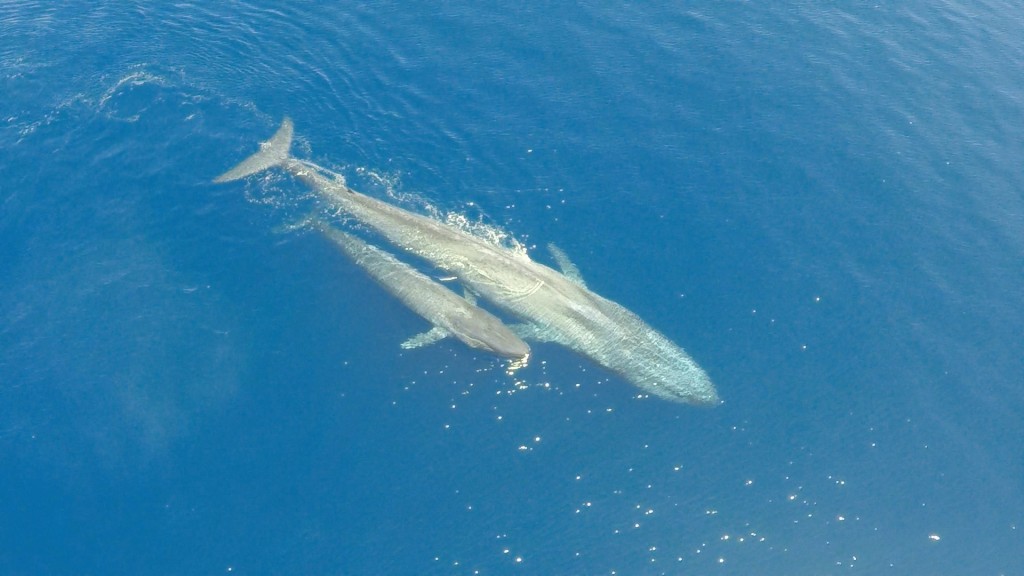
I was really excited to capture the world’s first images and video of a blue whale nursing in early 2015. We’d been at sea for several days off the coast of Sri Lanka and one day the water was just glassy calm and we had a blue whale mother and calf near us for most of the day. At one point they relaxed enough to begin to nurse and I photographed it from the surface and filmed it from the aerial camera. We elected to not get into the water with the pair during the nursing because we didn’t want to disturb the delicate situation. It was really incredible to see from the boat and the aerial camera. It was such a tender and delicate moment and to witness it in person was breathtaking.

baby-aerial

momma-and-baby
“At one point they relaxed enough to begin to nurse and I photographed it from the surface and filmed it from the aerial camera. We elected to not get into the water with the pair during the nursing because we didn’t want to disturb the delicate situation.” © Patrick Dykstra

…And the low point?
My images and video of the blue whale nursing described above were pretty widely distributed and received a lot of nice press internationally. I was very disappointed when a major US based publication wrote an article in 2016 claiming that their photographer had filmed the first footage of a blue whale nursing. My footage had been public and available for over a year at that point. They issued a fairly weak retraction after I directed them to my footage, but the damage had been done as many other outlets had picked up the original version of their story without the later redactions. 

I’m not sure if they made the claim without knowledge of my footage or if the photographer just wanted recognition, even though their claim was false. Either way, it was pretty hurtful to read their story and see them taking credit for something that I had worked so hard to film a year prior.

Have you any advice that you’d like to give aspiring underwater photographers?
Leave the camera on the boat some of the time. I know that sounds odd, but the ocean and its inhabitants are so spectacular that you don’t want to always see them through your viewfinder or on your screen. Enjoy the feelings that come with just watching and taking in their splendour without any distraction.

Some of the most incredible things that I have witnessed underwater have come when I didn’t have a camera. A feeding orca, a dancing sperm whale, a huge pod of pilot whales on the hunt… Do I regret missing those shots because I left my camera on the boat for those dives? Not for one second.

Is there any particular shot that you still want to get?

Oh, there are so many! A blue whale feeding on krill underwater would be nice. I’ve seen a lot of blue whales underwater and a lot of krill underwater, but not at the same time! I’d also like to get an orca predation on a mammal. I’ve shot them feeding on herring, but seeing a mammal predation would be pretty awesome.

howard-whale-paddle-1-1

kelsey-front-view
“You need super high visibility, calm seas, a tolerant whale, and a gentle approach to not scare the animal. It really requires a ‘perfect storm’ of factors to make it all work. My quest took me to the Azores, Antarctica, Mexico, California… I travelled the world seeking that life-changing encounter.” © Patrick Dykstra

Love Patrick’s images? Want to join him on a life-changing expedition? You can visit his website at www.PictureAdventure.com for more information.

Post-Event Report: October UW360 Divers’ Party

0

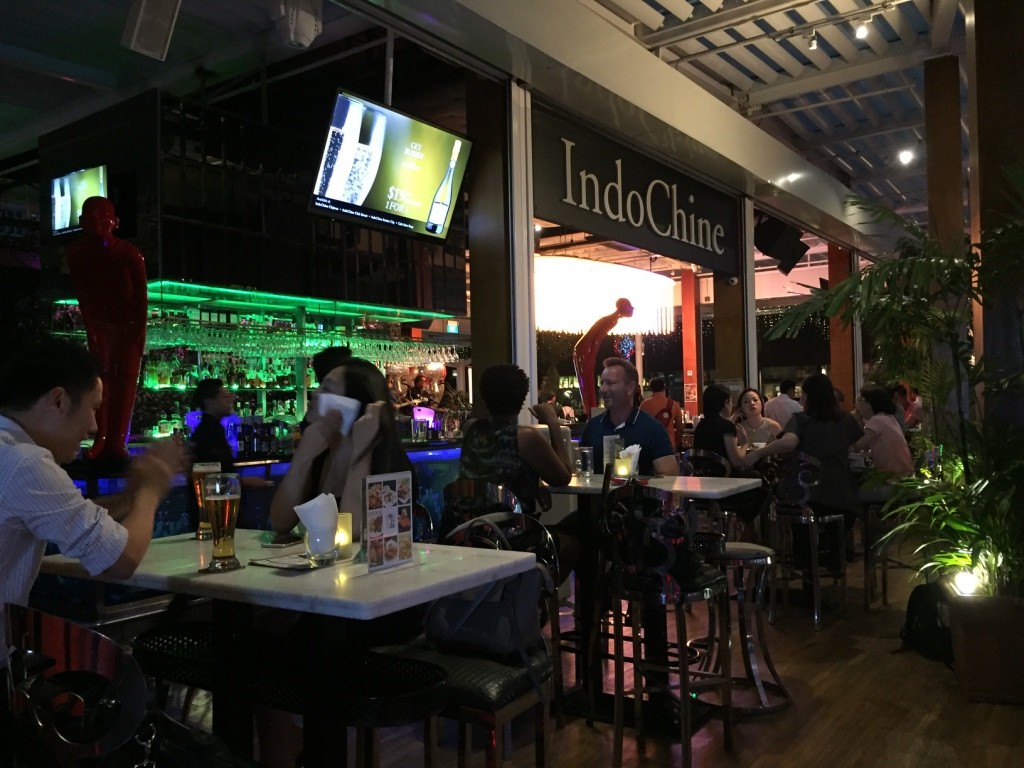
Held at IndoChine Suntec City Bar, in the heart of the Lion City, UW360’s Monthly Divers’ Party attracted dive enthusiasts, operators and professionals to come together and show support for this booming industry. With an impressive line-up of entertainment, including guest speakers and prize giveaways, guests left their fins at home and wound down from the working day with great food and drink.

IndoChine Suntec City Bar moments before the event started.
IndoChine Suntec City Bar moments before the event started

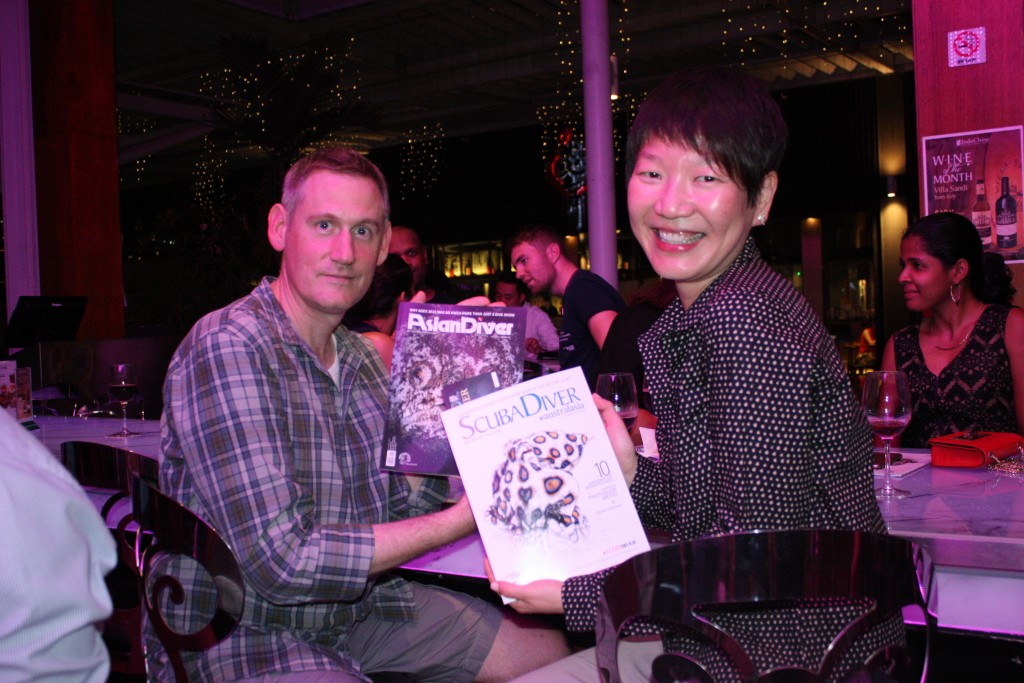
Each guest received a complimentary door gift which included a free welcome drink, a S$15 IndoChine voucher, and the choice between receiving one of the latest issues of our award-winning titles, Asian Diver and Scuba Diver

Two guests with their complimentary Scuba Diver and Asian Diver magazines

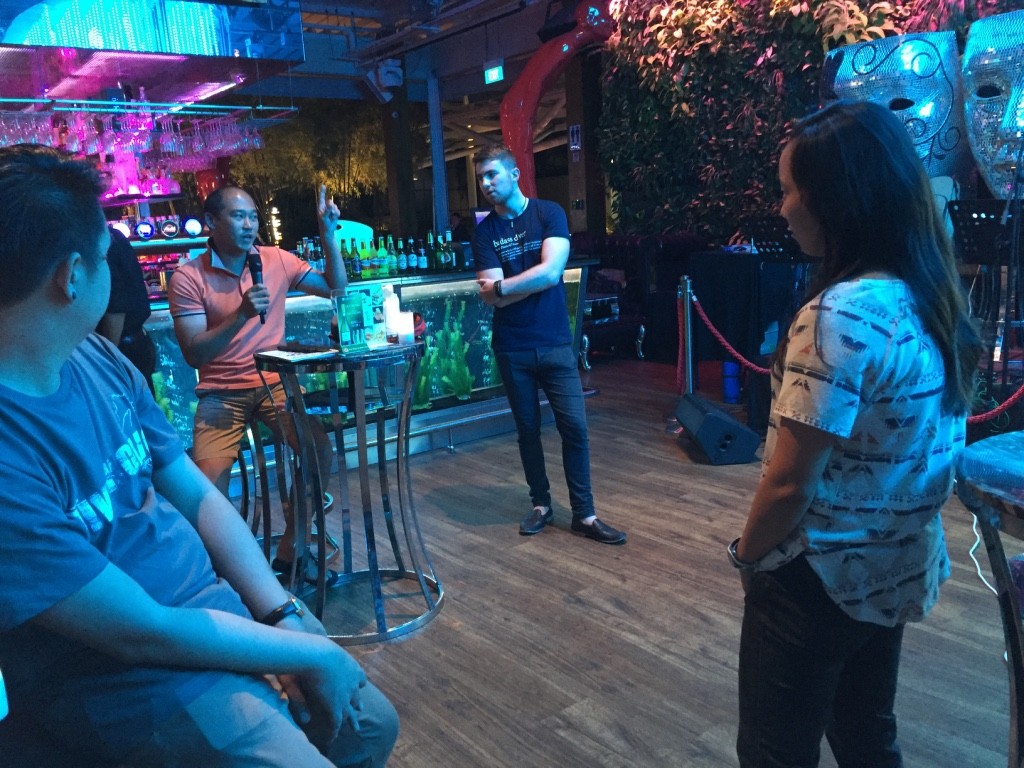
Every month, the UW360 Divers’ Monthly Party features special guest appearances, and October was no exception. Kicking off the show, professional freediver and AIDA instructor Chris Kim gave an interactive presentation. Briefly outlining the core skills needed to succeed in freediving, he went on to invite the audience to try out a breath test: Those who wished to participate had to go through basic breath-hold preparation before seeing how long they could hold their breath for. With over 10 years of freediving experience, Chris has become well known within the sport for winning the SG Pool Freediving Open in 2015, and by coming second place in the Australian National Depth Championship.

Chris presenting at the venue

After a brief musical interlude, Syrena – Singapore’s first mermaid – gave her presentation. Through both images and retelling of past experiences, she gave the crowd an insight into what the life of a mermaid is like by showcasing her fantastic costumes and difficult training routines (to be able to lift that 15 kilogram tail). Syrena has made a name for herself through entertaining and performing at Singapore’s events and parties, and by setting up the Singapore Mermaid School, has helped many kids to fulfil their fantasies.

Syrena presenting her story to becoming a mermaid
Syrena presenting her story about becoming a mermaid

To close the presentations, Michelle Ooi, 11-time Singapore national woman’s freediving record holder, broke down the step-by-step preparation procedures for world-record breaker William Trubridge’s competitive freedive. She then went on to offload some of her own experiences during competitions and her journey to becoming a professional. After the presentation guests were able to have a quick Q&A with her to answer any questions that they had about the sport, and about Michelle’s own underwater encounters.

Michelle answering a question from a member of the audience
A member of the audience quizzes Singapore national woman’s freediving record holder, Michelle Ooi

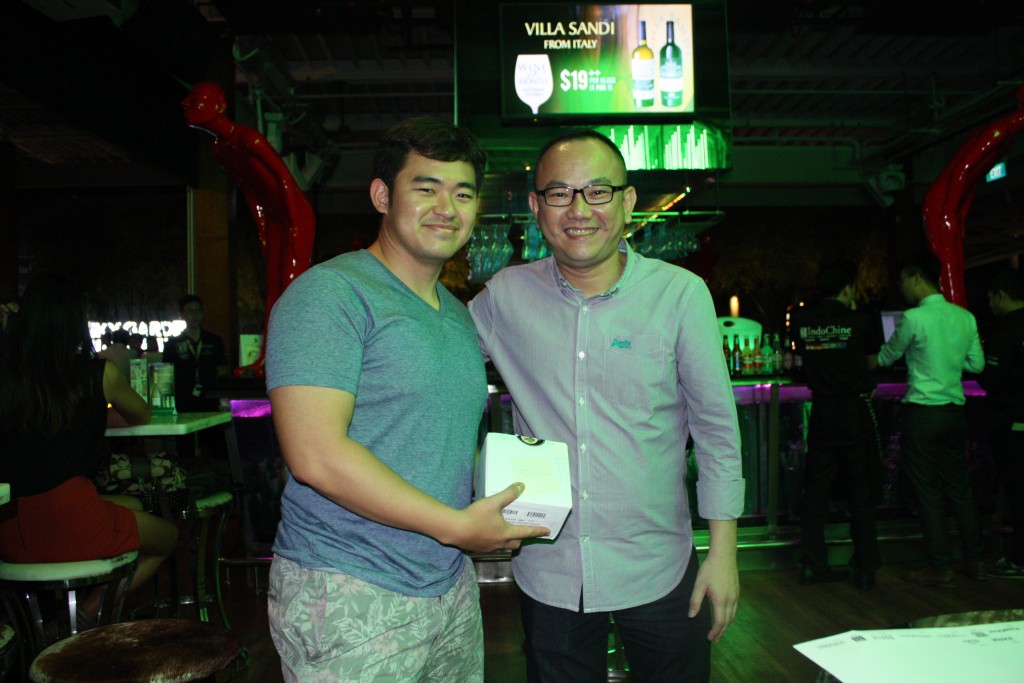
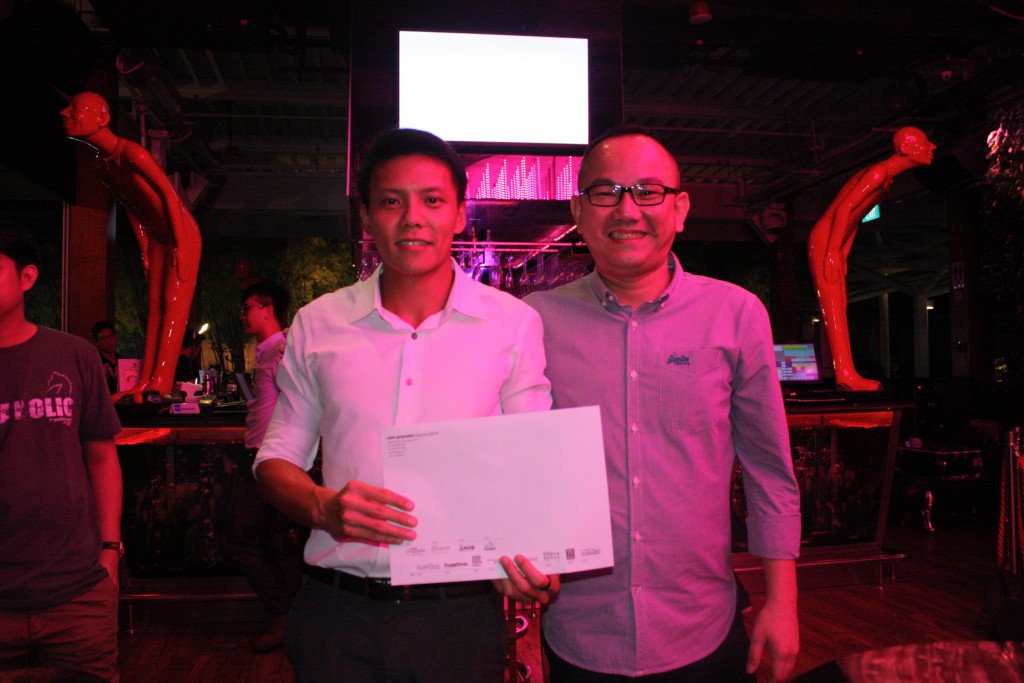
The night ended in typical “lucky draw” style. Three prizes were up for grabs: the third place prize was a National Geographic Snorkel (worth S$50), second place was a Mares Puck Pro dive computer (worth S$326), and first place was a 2D/1N trip for two certified divers aboard the MV Kangaroo Explorer by Cairns Dive Centre (worth S$1,112).

Third prize awarded by IndoChine General Manager Jeremy Lim
Second prize awarded
Second prize being awarded
First prize being awarded

It was an incredible night, and we’re already looking forward to November’s party, 10.11.16 (venue TBC)!