Looking to bring those incredible dive encounters you’ve been experiencing below the waves to your computer screen or TV? Allow these top-of-the-industry products to bring out your inner Cousteau, and launch a passion that will last a lifetime:
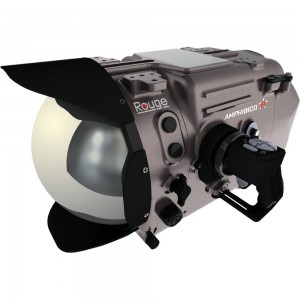
Amphibico Rouge
MSRP USD12,995
A state-of-the-art aluminium housing for the RED series of high-end cameras, puts all controls at your fingertips. Designed for professional underwater use, there are no tools required to mount the camera in housing, making for a quick topside ready camera in minutes.
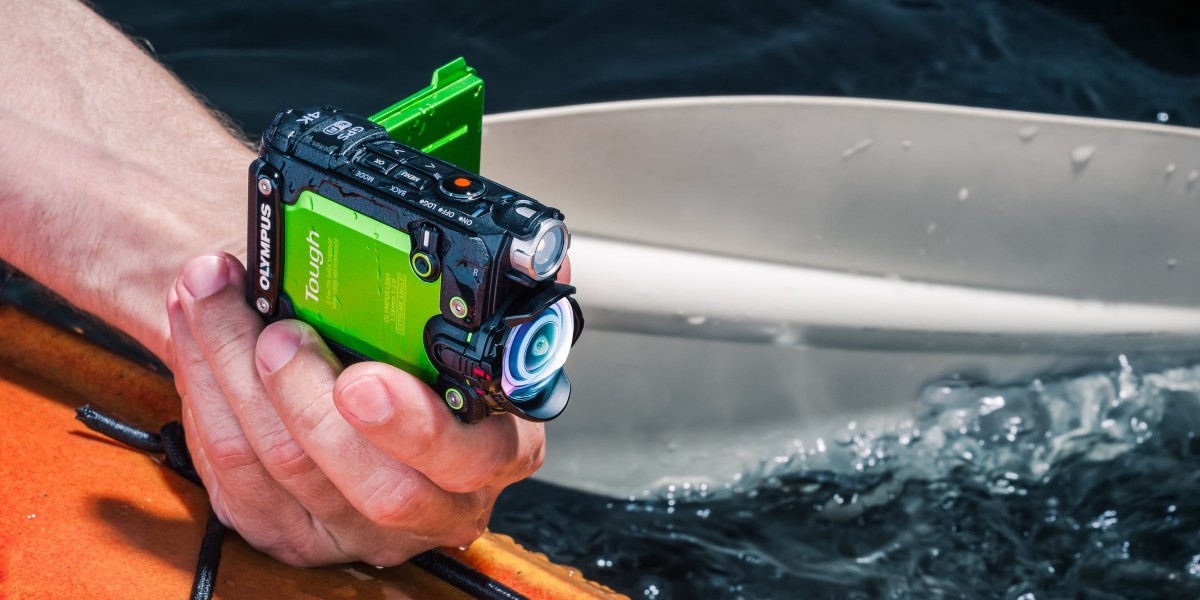
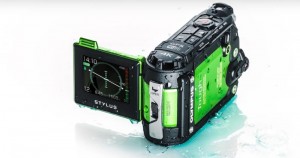
Olympus Tough TG-Tracker
MSRP USD350
An action camera that’s tough enough to keep up with any adventure. The pocket-sized TG-Tracker records Ultra HD 4K video using advanced Olympus optics. Being waterproof to 30metres, and freezeproof to -10ºC, the TG-Tracker is perfect for both above and below. The incredible 204º Extreme Angle offers an extremely wide view.
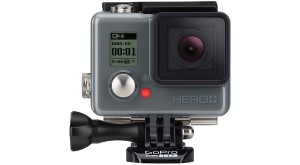
GoPro Hero+
MSRP USD199
The entry level GoPro Hero+ is without an LCD screen, and is waterproof to 40 metres. Offering 60fps at 1080p recording, and 8MP, the Go Pro Hero+ is able to capture time lapse an burst photos. It is Wi-Fi and Bluetooth enabled.
Sony X1000V/ X1000VR
MSRP USD650
Offering 4K Ultra HD for four times the detail of Full HD, the Sony’s enhanced Full HD captures crisp, clear images in rich colour. You can also record fast-moving action at Full HD 120p for beautiful slo-mo. The 170º ultra-wide Zeiss Tessar Lens is great for panoramic shots. The Sony X1000V / X1000VR is dustproof, shockproof and waterproof to 10 metres and is Wi-Fi and GPS enabled.
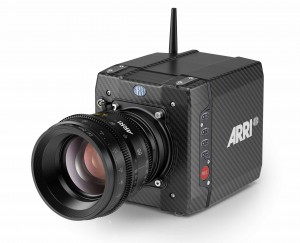
ARRI Alexa Mini Camera Body
MSRP USD45,000
ARRI ALEXA Mini is a versatile additional tool in the world-leading ALEXA camera range of professional video cameras. It’s compact, lightweight and self-contained. It also eliminates the complications of working with third-party cameras for specialised shots and keeping everything within a single system that is trusted all over the world.
Nauticam Housing for ARRI ALEXA Mini Camera
MSRP USD45,000
This housing applies that Nauticam excellence to the ARRI ALEXA Mini, and includes an N200 250mm optical glass wide-angle port, N200 extension rings 30, 40 and 50, with lens control drive shafts. It is produced in collaboration with HydroFlex, one of the world’s leading underwater cinema equipment rental houses.
Kodak PIXPRO SP360-4K
MSRP USD500
This camera allows you to shoot 360–degree videos in 4K resolution. With a 12MP BSI CMOS sensor and dome-shaped f/2.8 lens, the Kodak has built in Wi-Fi and NFC – allowing you to use the camera with PIXPRO Android and iOS apps. The camera is versatile: It can support several attachments, including a waterproof housing, suction mounts, and remote controls.
UW360’s Underwater Photographer of the Week, Alejandro Prieto was born in Guadalajara, Mexico in 1976. An early childhood encounter with a circus elephant which playfully sucked his arm sparked an attraction to animals and nature which then led onto him becoming a veterinarian and zootechnist.
Alejandro’s photographic journey began around 2007 when he found out how to combine his passion for all animal life with his eye for natural beauty. We caught up with Alejandro Prieto for a quick Q&A about his career and most memorable shot:
What made you want to become an underwater photographer? I have been attracted to animals for as long as I can remember and have dived since I was a child thanks to my father. I have always felt very comfortable below the water, but it was a trip that I made to Guadalupe island that influenced me to become an underwater photographer.
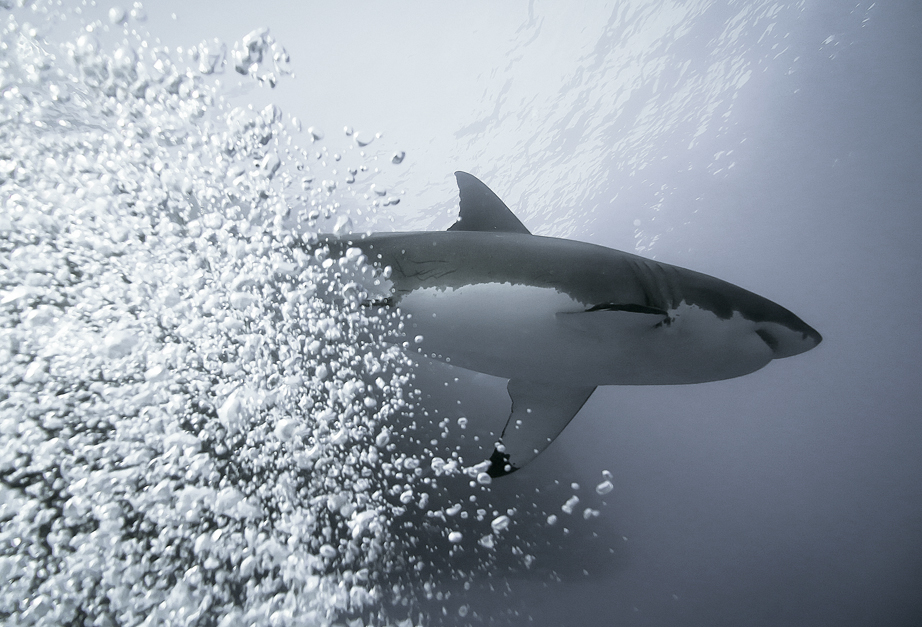
Your first underwater shot? A great white shark. I brought my first point and shoot camera to Guadalupe Island. The moment I saw this magnificent animal I knew I was going to do this for a living.
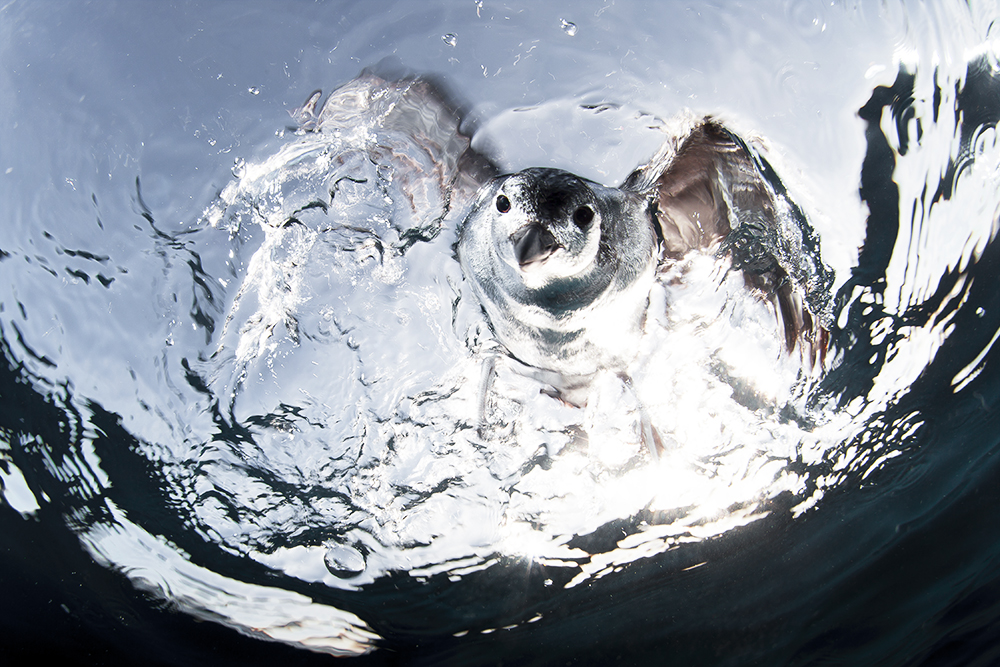
The story behind your most memorable underwater shot? I took this photo during an expedition to Todos Santos, a little town located in the pacific south of the baja península in México. The main purpose of this trip was to shoot big predators, such as: Marlins, sharks, whales, sea lions and big tunas, which feed on sardine bait balls. This event occurs during this particular time of the year and it is called the Mexican sardine run, in which all kinds of predators join in open water for a massive feeding frenzy.
I hired a small boat from some local fishermen, we had heavy swell the fist two days which made photography almost impossible. During the third day we saw a pair of humpback whales swimming north, we approached them and quickly jumped into the water, unfortunately they passed away very fast and I could not take any photographs. Swimming back to the boat I saw a very small object moving in front of me. I realised it was a bird. It was submerging its head into the water constantly, so I decided to approach slowly from beneath. As I adjusted my camera settings, to my surprise the bird did not fly. It was a Murrelet Bird feeding on crustaceans, the bird was so entertained on feeding, that he barely noted my presence and this gave me the opportunity to get even closer. Luckily after a few moments I managed a few shots including this one with its wings opened before it flew away.
…And the lowpoint? Luckily, I make my living doing what I love.
Is there any particular shot that you still want to get? Many, I am constantly thinking about new ways photograph, when I get an idea I am constantly thinking about how to make it possible.
Until you see one for yourself, it’s easy to believe that seahorses are pure make-believe. So curious, so magical, they seem to have wandered straight out of a book of fairy tales. Even a dead, dried seahorse washed up on a beach keeps its otherworldly shape, encased in its enduring bony armour, waiting for someone to come along, pick it up and wonder what it might be. A miniature dragon? An enchanted serpent? It’s no wonder seahorses have been puzzling people around the world for centuries, inspiring them to tell stories, pass on myths and legends, and find mystical uses for these most charming sea creatures.
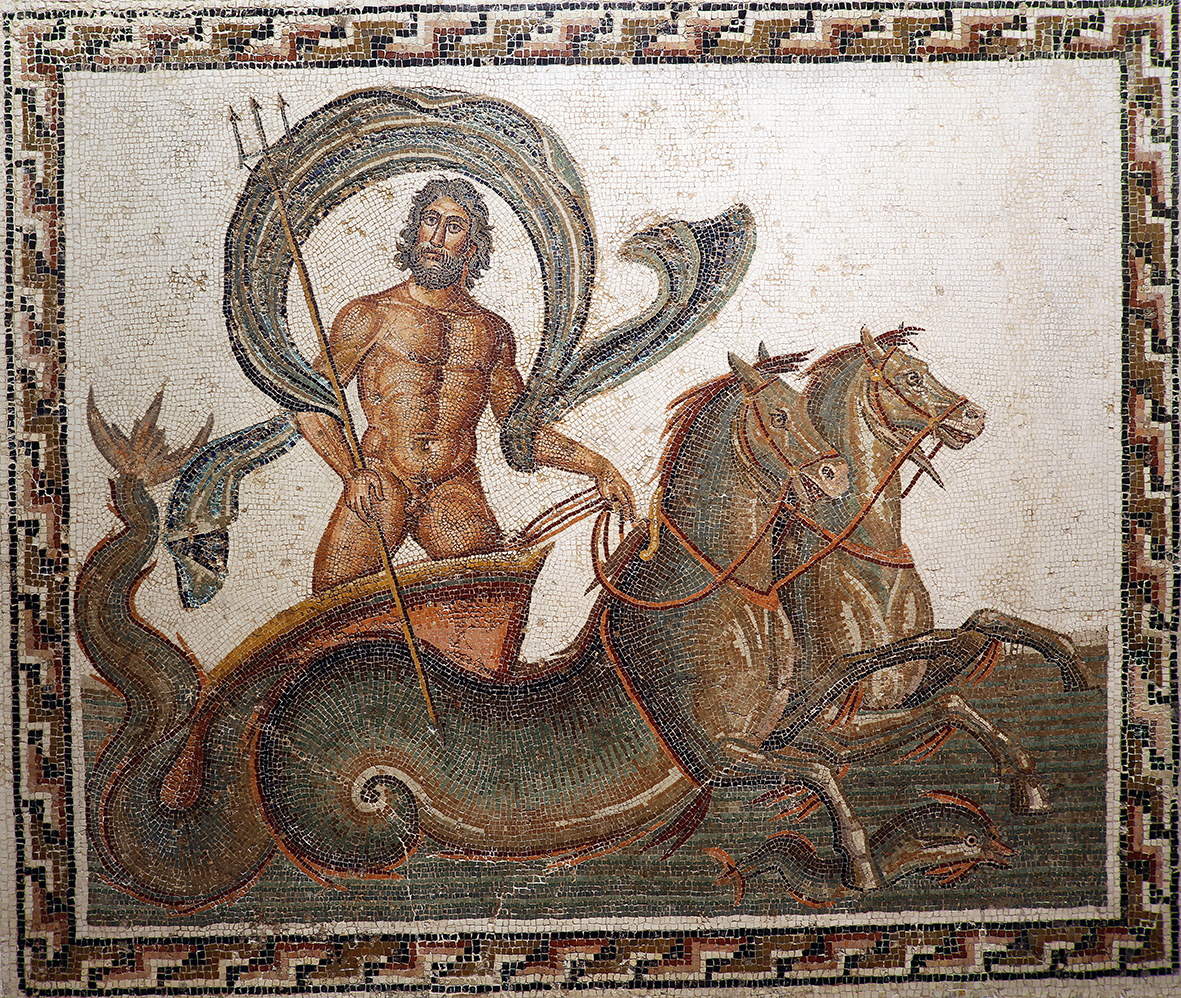
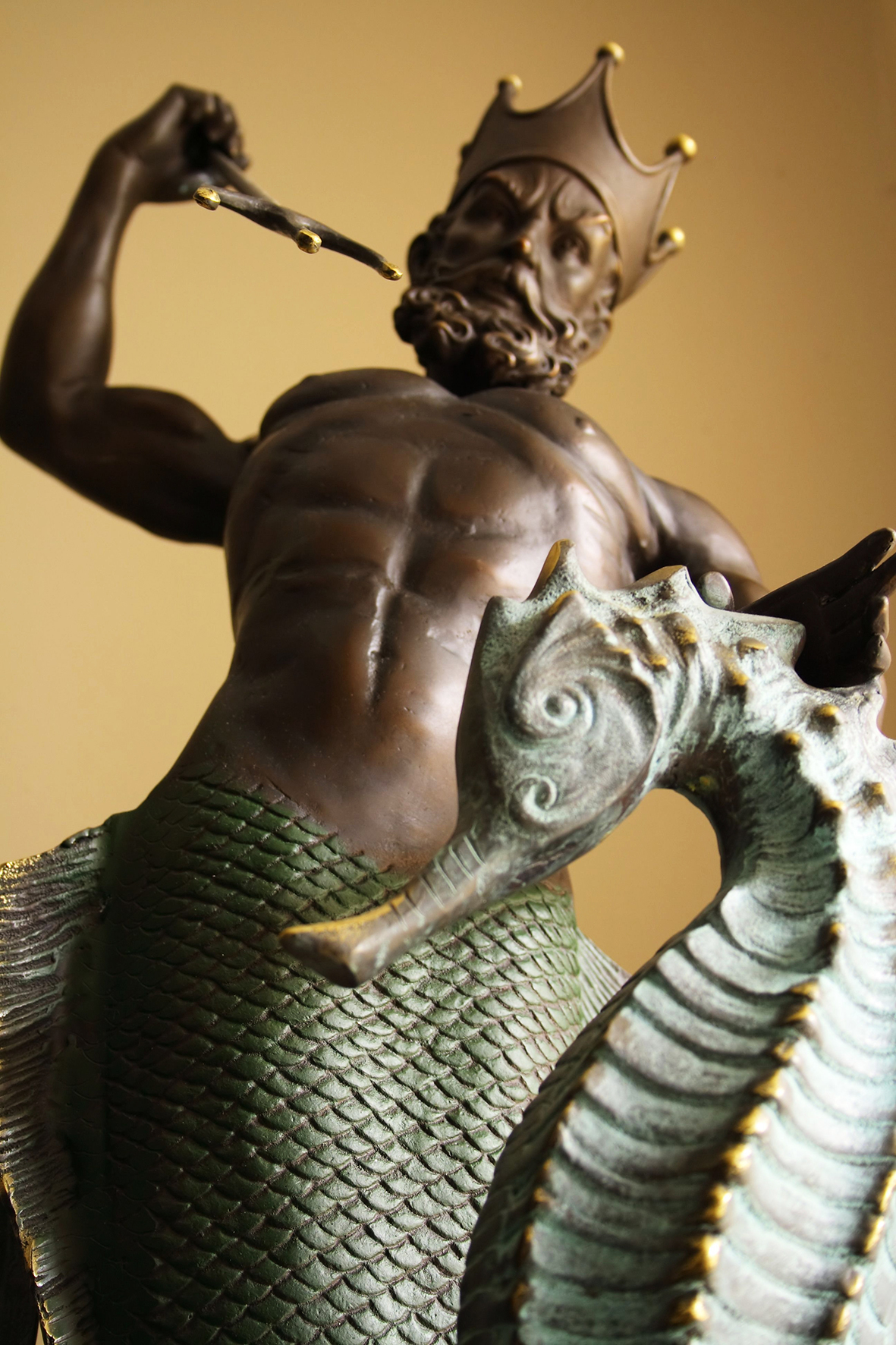
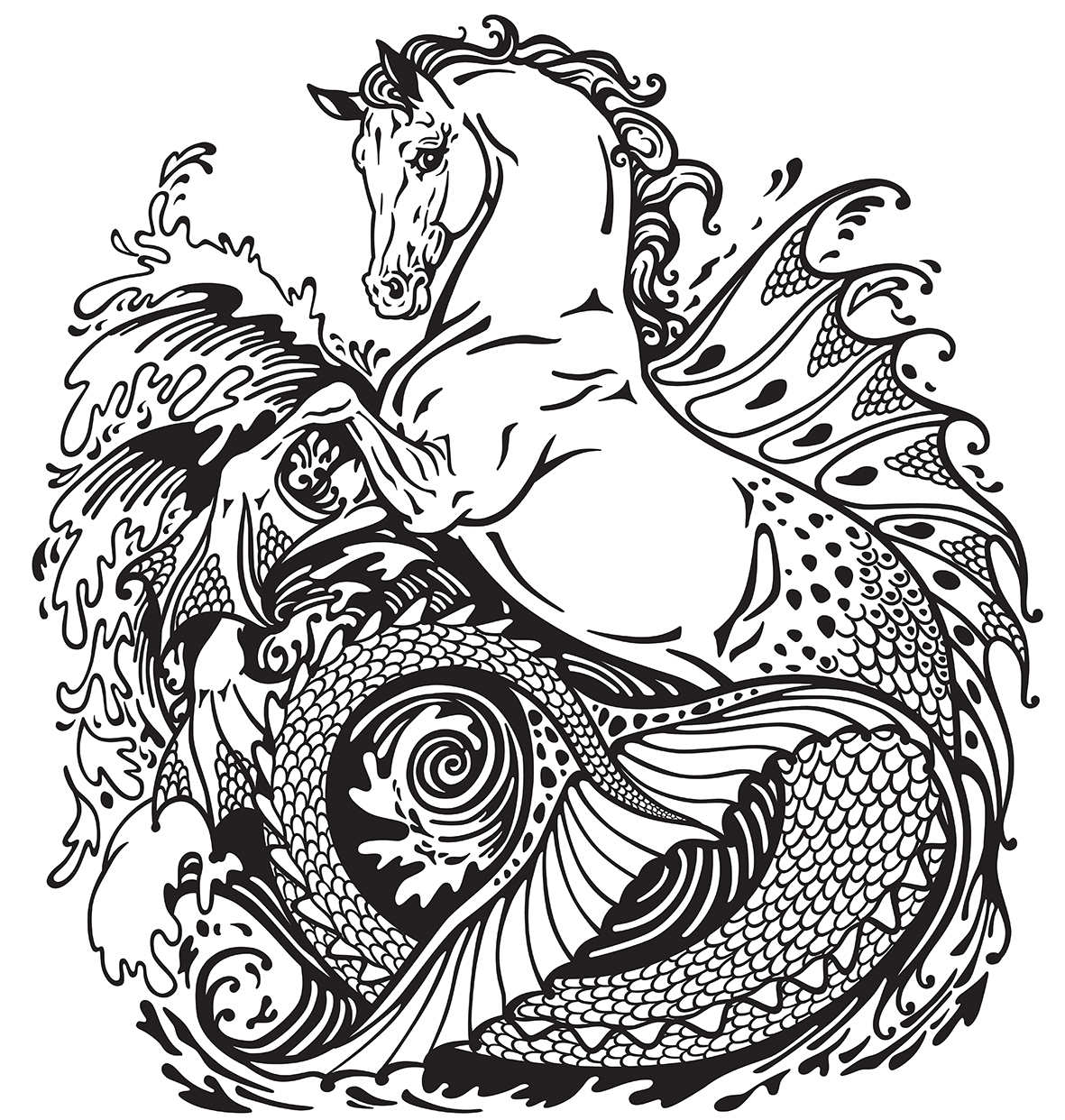
Some of the oldest seahorse stories tell of the Greek sea god Poseidon galloping through the oceans on a golden chariot pulled by hippocampus, the beast that was half horse and half fish (today, the seahorses’ scientific name also happens to be Hippocampus). It’s thought ancient Greek fishermen believed the real seahorses they sometimes found tangled in their nets were the offspring of Poseidon’s mighty steeds.
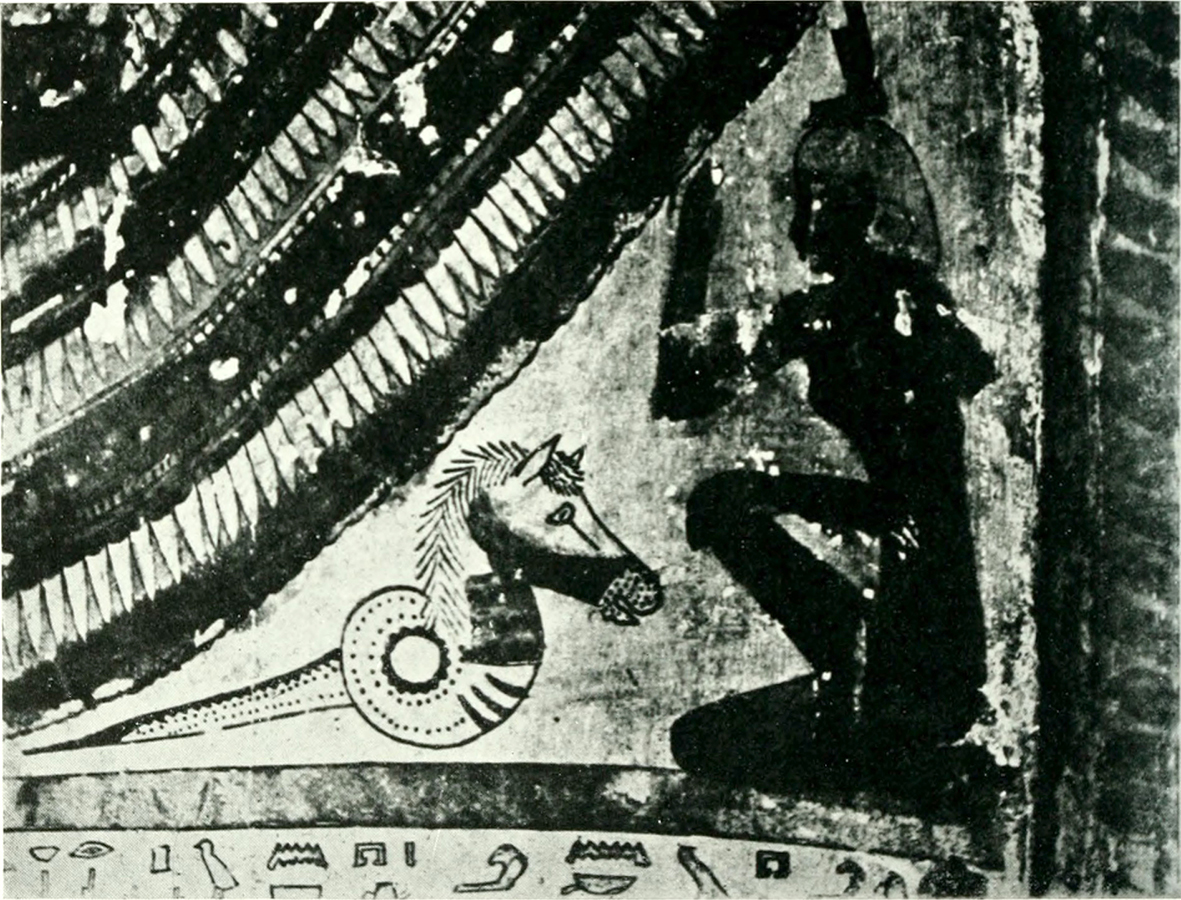
All sorts of ancient Mediterranean art and objects depict the hippocampus. Phoenicians and Etruscans often painted these watery horses on the walls of burial chambers, accompanying the dead on their voyage across the seas and into the afterlife. There’s even a single hippocampus from ancient Egypt painted on a mummy’s coffin.
Many other legends tell stories of watery spirits that take the form of horses. Scottish lochs are said to be haunted by “kelpies”. They come onto dry land and graze with other, normal horses but if you mount and ride one you’ll be dragged underwater as your steed tries to drown and eat you. Similar malevolent beasts were called “tangies” in the Orkney Isles and “shoopiltrees” in the Shetlands. Scandinavian legends tell of the “havhest”, a huge sea serpent, half horse and half fish like hippocampus, that could breathe fire and sink ships.
Ancient Greek and then Roman myths about hippocampus spilled over into matters more medical. In the first century, Roman writer Dioscorides compiled a book of herbal medicines that were widely used at the time. Among the many ingredients he listed is the seahorse which, he claimed, can be mixed with goose fat and smeared on a balding scalp to restore a full head of hair. Pliny the Elder also advocated the therapeutic use of seahorses, listing them as cures for leprosy, urinary incontinence and fever. Yet another Roman writer, Aelian, claimed that seahorses could cure a bite from a rabid dog by counteracting the hydrophobia induced by rabies; eat a seahorse, Aelian said, and you’ll spend the rest of your life drawn inexorably to the soothing sound of babbling rivers and streams. Be warned though: He also wrote that a seahorse boiled in wine is a deadly poison.
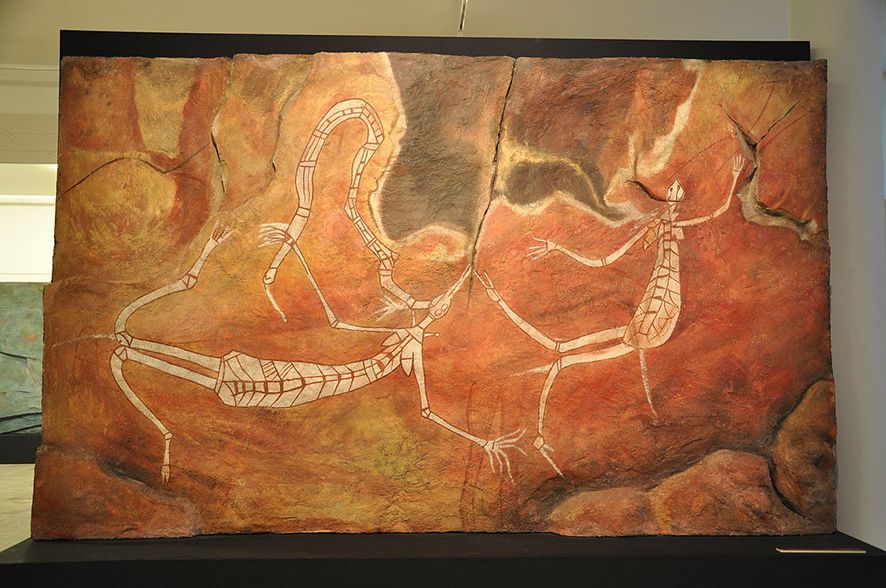
Elsewhere in the world, other early cultures seemed to have been aware of seahorses. Aboriginal Australian rock art, from as long as 6,000 years ago, depicts a revered Dreamtime ancestral spirit called the Rainbow Serpent. As Dreamtime legend has it, the Rainbow Serpent emerged from the earth long ago and wandered about, sculpting the landscape into mountains, rivers, and gorges. The depiction of these creator spirits varies through time and from place to place across Australia, but archaeologists have noted the similarity between some Rainbow Serpents and a close relative of seahorses called the ribboned pipefish. One particular drawing, found in the north of Australia in 1993, has a distinctive down-turned snout and long, narrow body, covered in weedy filaments, that all-in-all seems a good fit for the seahorses’ cousin.
On the other side of the globe another ancient group of people were putting seahorses in their artwork. Not a lot is known about the Picts of Scotland but among the few Pictish artefacts that survive today are intricately carved stones, made in the seventh century, including some depicting animals with a horse’s head and fish’s tail. They appear to be stylised versions of the Roman hippocampus. Other stones show more lifelike creatures with no legs and a coiled tail. Some archaeologists think these might have represented real seahorses, a stretch of the imagination perhaps, but even today seahorses do occasionally show up on the chilly shores of far northern Scotland.
In distinctly warmer waters, on the shores of the Gulf of California, an ancient Mexican tribe called the Seri tells a legend of how seahorses came to be. Long ago, when the world was new and all the animals talked and wore clothes, there was a seahorse who lived on Tiburon Island. Back then the seahorse was a fat, well-fed fellow and also something of a prankster. Having committed some untold wrongdoing, the seahorse incurred the wrath of all the other animals who chased him, throwing rocks and stones. He fled to the beach and, with nowhere to run, tucked his sandals into his belt and dived into the sea, never to return. To this day, the ocean-bound seahorses are scrawny and thin, after their ancestor was flayed by the other animals, and where his shoes once were is now a little fin.
Beliefs in the magical and mystical powers of seahorses continue today. Fishing communities in Malaysia and the Philippines hang dried seahorses about their homes as talismans to dispel evil spirits. In Indonesia and Mexico, seahorses are used to protect money and bring prosperity. On the Indian Ocean island of Zanzibar, fishermen sometimes burn seahorses and sprinkle the ashes over fishing nets to bring good fortune and lure in more fishes.
Like in Roman times, seahorses are also still used as folkloric medicines around the world. In India, dried seahorses mixed with honey are used to treat whooping cough; in Indonesia seahorses are used in Jamu medicine to treat rheumatism, memory loss and impotence; Vietnamese fishermen soak seahorses in bottles of vodka, which they sip to give them strength during long trips at sea; in Latin America they are used to treat asthma; and in Japanese Kanpo medicine, seahorses are valued as an aphrodisiac.
Without doubt, though, the strongest beliefs in seahorses persist in China. For centuries seahorses have been used as an ingredient in traditional Chinese medicine. There’s a long list of conditions that seahorses are prescribed for, ranging from a sore throat, to incontinence, broken bones or, once again, a flagging sex drive. There are even texts describing a magical preparation of seahorse, mixed with spiders, that allow people to breathe underwater.
Although beliefs surrounding the therapeutic benefits of seahorses are rooted deep in the past, they are having a very real impact in the 21st century. Demand for seahorses in traditional Chinese medicine is growing like never before and wild seahorses are being targeted all across the globe. Each year, millions of seahorses are caught and sold to the medicine trade. Conservation groups are working hard to make seahorse fishing more sustainable and campaigners are trying to persuade people to seek alternatives to these expensive and endangered ingredients. Because if we’re not careful, there’s a very real possibility that seahorses could become so rare and hard to find that all we’ll have left are those magical stories and fairy tales.
Dr Helen Scales is a freelance writer, documentary-maker and marine biologist based in Cambridge, England. A keen scuba diver and freediver, she spends as much time as she can beneath the waves, researching stories that connect people and wildlife. She’s made documentaries exploring the intricacies of sharks’ minds and the dream of living underwater, and is currently writing a book about the wonders of fishes. She is the author of one of the world’s most authoritative books on the history of our relationship with the seahorse, Poseidon’s Steed, and her latest book, Spirals in Time, has just been released. Both are available online via Amazon and Open Trolley, and in Singapore at Kinokuniya.
PADI Course Director and serial entrepreneur Jacki Ng will be giving insight on the steps needed to have a career in diving.
If you are looking to pursue a career you love, or are bored of your desk job and are looking to explore different options, this talk will give you insight on the growing and exciting diving industry!
Jacki will draw on his 15 years of experience in multiple segments of the dive industry to give you a leg up on making the ocean your office.
Non-divers are welcome too! Limited slots available. Based on first come first served basis. To RSVP, contact dmadev@asiadiveacademy.com, or call +6565335944 for any enquiries. The event is being held on 37B HongKong St.
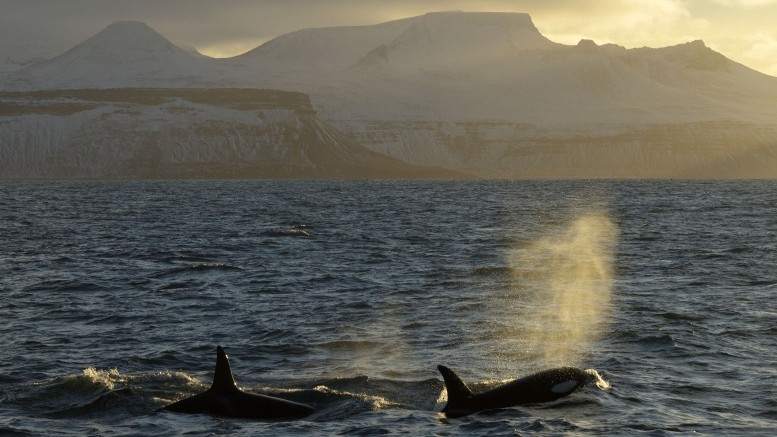
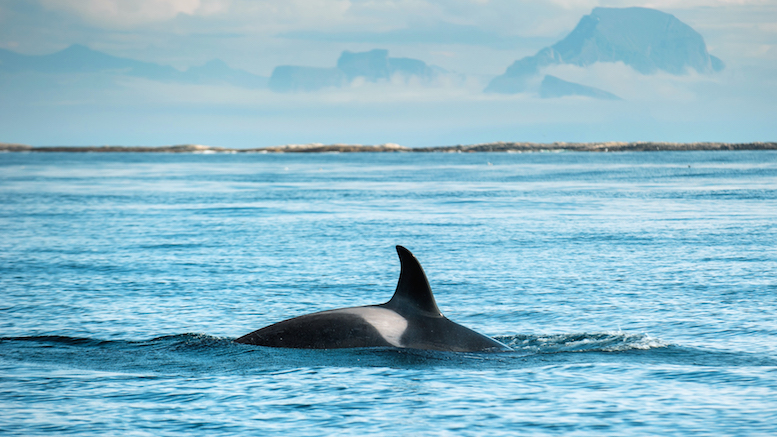
They might not be found reciting Petrarchan Sonnets or choreographing placid folk dances, but orcas really have their own cultures. Different cultures that shape their individual personalities, just like us, and researchers have found evidence to suggest that this might have also influenced their evolution.
However it’s not the all-singing, all-dancing “culture” that us humans are accustomed to. Orca culture is mainly based on location, and adapting to that location’s limitations. To further understand this find, UW360 spoke to lead researcher Andrew Foote, from the University of Bern.
“Culture has been broadly defined as information that is capable of affecting individuals’ behaviour, which they acquire from other individuals through teaching, imitation and other forms of social learning.
If this behavioural variation among populations results in different populations being exposed to different selection pressures, and the behaviour is passed on through many successive generations through learning, then this stable cultural transmission of behaviour can also provide an opportunity for natural selection to act on adaptive genomic variation.
A classic example is the genetic adaptation of lactose tolerance in some human populations which have practiced dairy farming over many generations.”
Despite all sharing a common ancestor, a number of orca cultures have evolved differently over the years. Like human history, orca groups (referred to as niches) are separated geographically, which means there are separate orca niches in different areas around the world that never interact with one another.
Over time, these orca niches have developed their own cultures in the form of hunting and socialisation systems. Analysis carried out by Andrew and his team of the genetics of five different ecotypes of orcas – including fish-eating and mammal-eating ecotypes from the North Pacific, and another mammal-eating ecotype, penguin-eating ecotype and fish-eating ecotype from Antarctica – clearly showed similar patterns as seen in human populations, with genes differing from group to group, when it came to the co-evolution of genomes and culture.
The studied genomes were shown to fall into five different orca groups, which just happened to conveniently coincide with the cultural distinctions.
“By sequencing whole genome sequences we can now look at which genes might be different due to selection. We see that some genes associated with the learned behavioural variation in the diet appear to be evolving under selection.” Andrew stated.
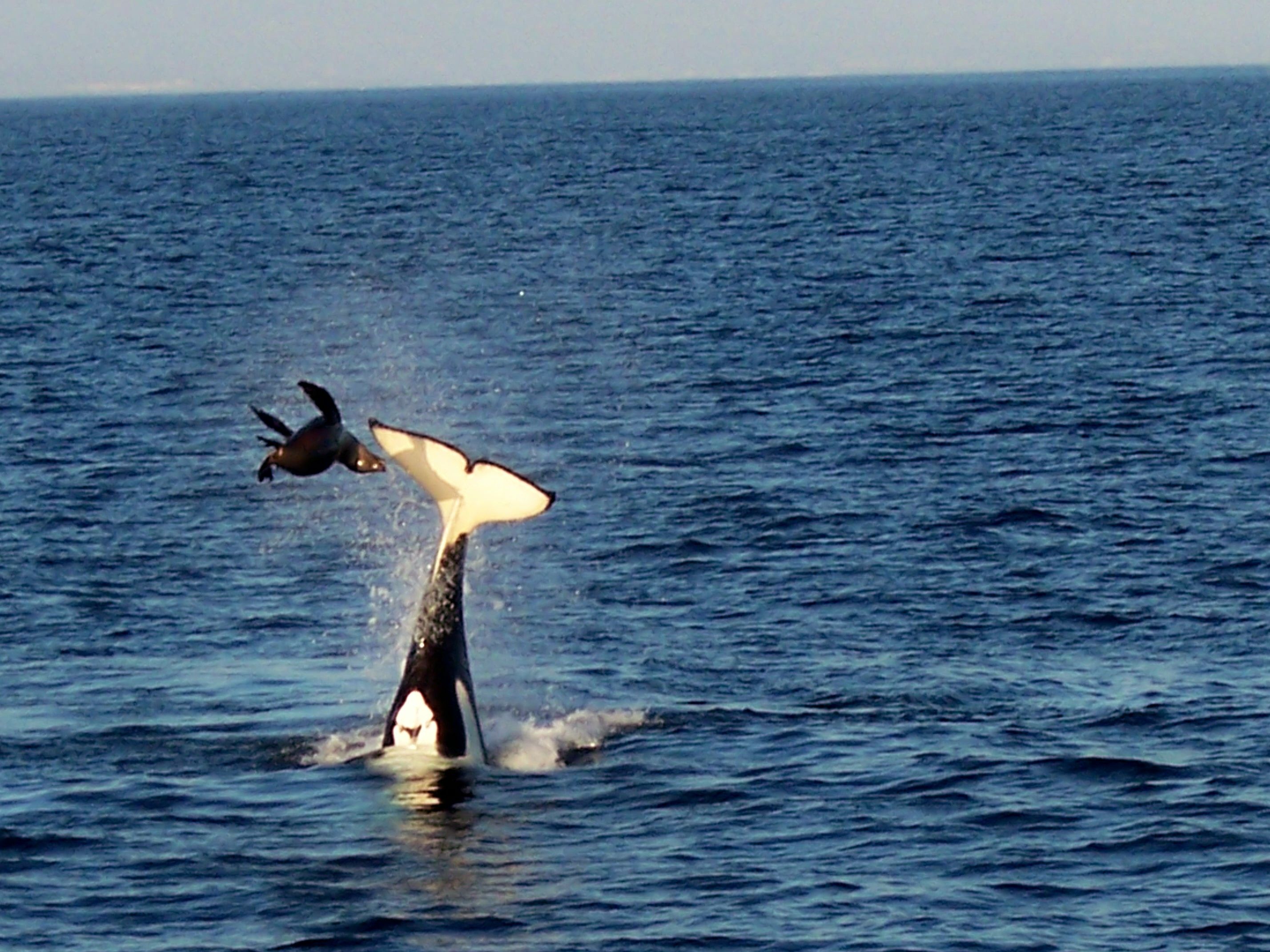
Residing in different areas and environments means that orcas have had to develop niche hunting targets and sophisticated hunting strategies. Different groups will not only hunt different sorts of prey, but will display unique hunting techniques that are learned behaviours not seen in other populations. For example; some eat fish by herding them into bait balls, whereas others target mammals such as seals by fearlessly stranding themselves on beaches where the seals live.
The juveniles of these groups learn these complex hunting and social behaviours from the adults, helping to solidify the group identity and gradually reinforce its distinct genetic signature – a typical trend of the human race.
It would seem that we’re not so different; “both [orcas and humans] have radiated around the world in a short time and have colonised many different habitats. They’ve both achieved this through a combination of behavioural and genetic adaptations to the ecological challenges in these different habitats.” Andrew added.
The research begs the question as to whether other animals have had their own genetic evolution driven by culture. However, with such studies in their infancy, scientists are optimistically looking to future findings for the answer.
Playa del Carmen, Mexico – Pro Dive International, one of the Caribbean’s most established PADI 5 Star Dive Resorts and recognised Career Development Centers, today announced that it has received the TripAdvisor® Certificate Of Excellence for its Sixth Consecutive Year since implementation of the award in 2011.
Now in its sixth year, the achievement celebrates hospitality businesses that have earned great traveller reviews on TripAdvisor over the past year. Certificate of Excellence recipients include accommodations, eateries and attractions located all over the world that have continually delivered an outstanding customer experience .
“We would like to thank all our divers and water sports enthusiasts for their fantastic feedback. Big thanks also to our teams. Without their continued efforts and hard work in order to keep up our high standards and promise of excellence through quality, this great result would not have been possible!” says Markus Fleischmann, CEO & founder of Pro Dive International.
“With the Certificate of Excellence, TripAdvisor honors hospitality businesses that have consistently received strong praise and ratings from travelers,” said Heather Leisman, Vice President of Industry Marketing, TripAdvisor. “This recognition helps travelers identify and book properties that regularly deliver great service. TripAdvisor is proud to play this integral role in helping travelers feel more confident in their booking decisions.”
TripAdvisor® is the world’s largest travel site**, enabling travelers to plan and book the perfect trip. TripAdvisor offers advice from millions of travelers and a wide variety of travel choices and planning features with seamless links to booking tools that check hundreds of websites to find the best hotel prices. TripAdvisor branded sites make up the largest travel community in the world, reaching 340 million unique monthly visitors***, and 350 million reviews and opinions covering 6.5 million accommodations, restaurants and attractions. The sites operate in 48 markets worldwide.
Everything under one roof, PRO DIVE INTERNATIONAL´s head office in Playa del Carmen/ Mexico features a multilingual reservations team taking direct bookings for diving, hotel accommodation, the VIP stay & dive concept ULTIMATE DIVE EXPERIENCE at Allegro Cozumel – unique in the Caribbean!, LIVE-ABOARD options in collaboration with AGGRESSOR FLEET/ SILVER BANK andNAUTILUS EXPLORER/ SOCORRO & GUADALUPE, transfers and cultural tours, but also providing services to international dive travel agencies, an equipment maintenance department, excursions team and own competitive transportation system available to provide airport and hotel shuttles.
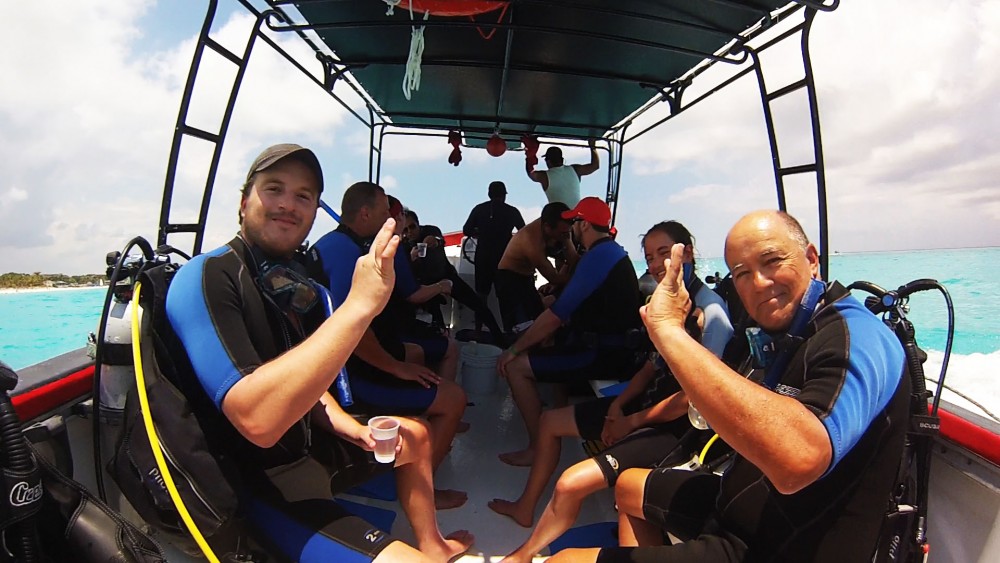
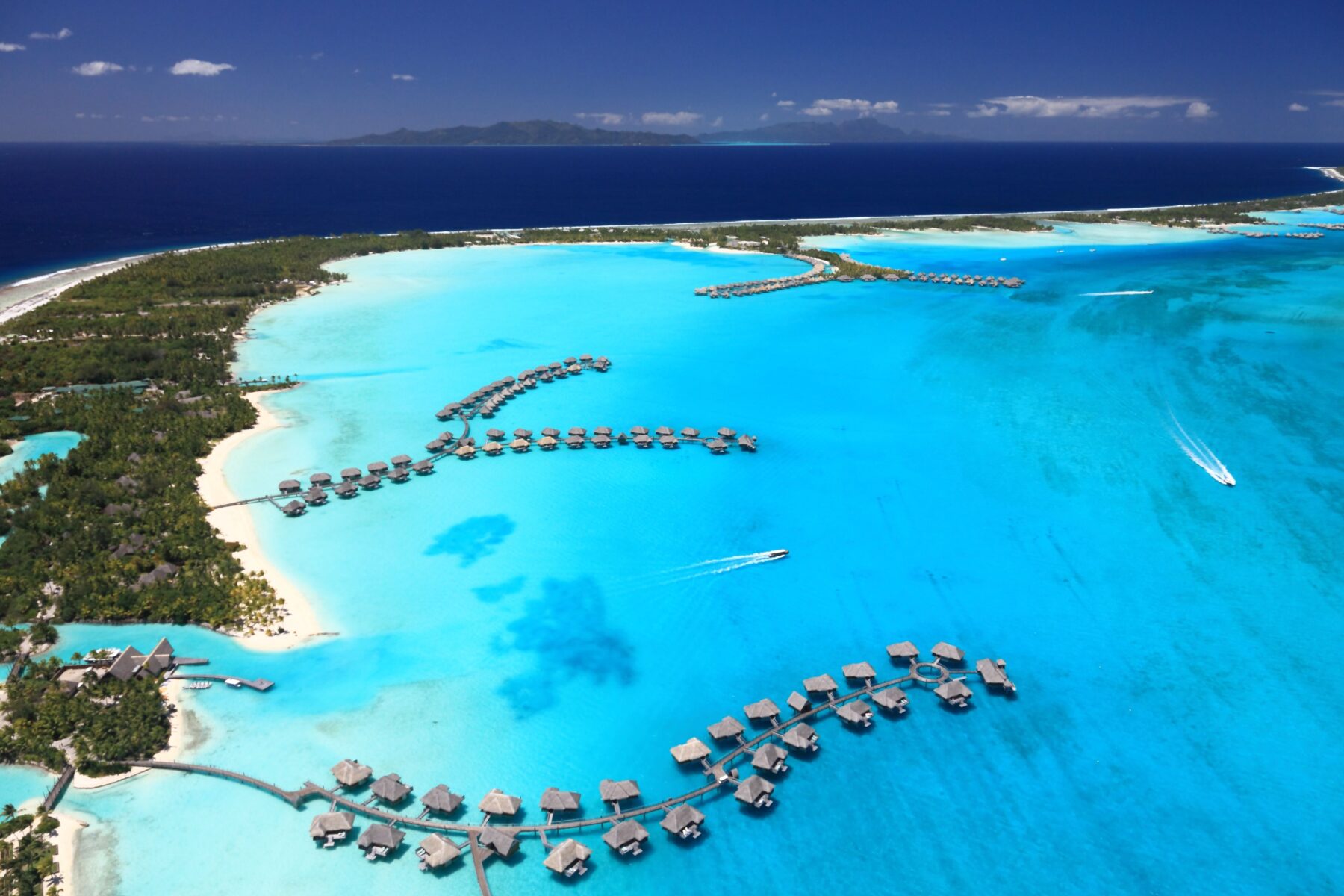
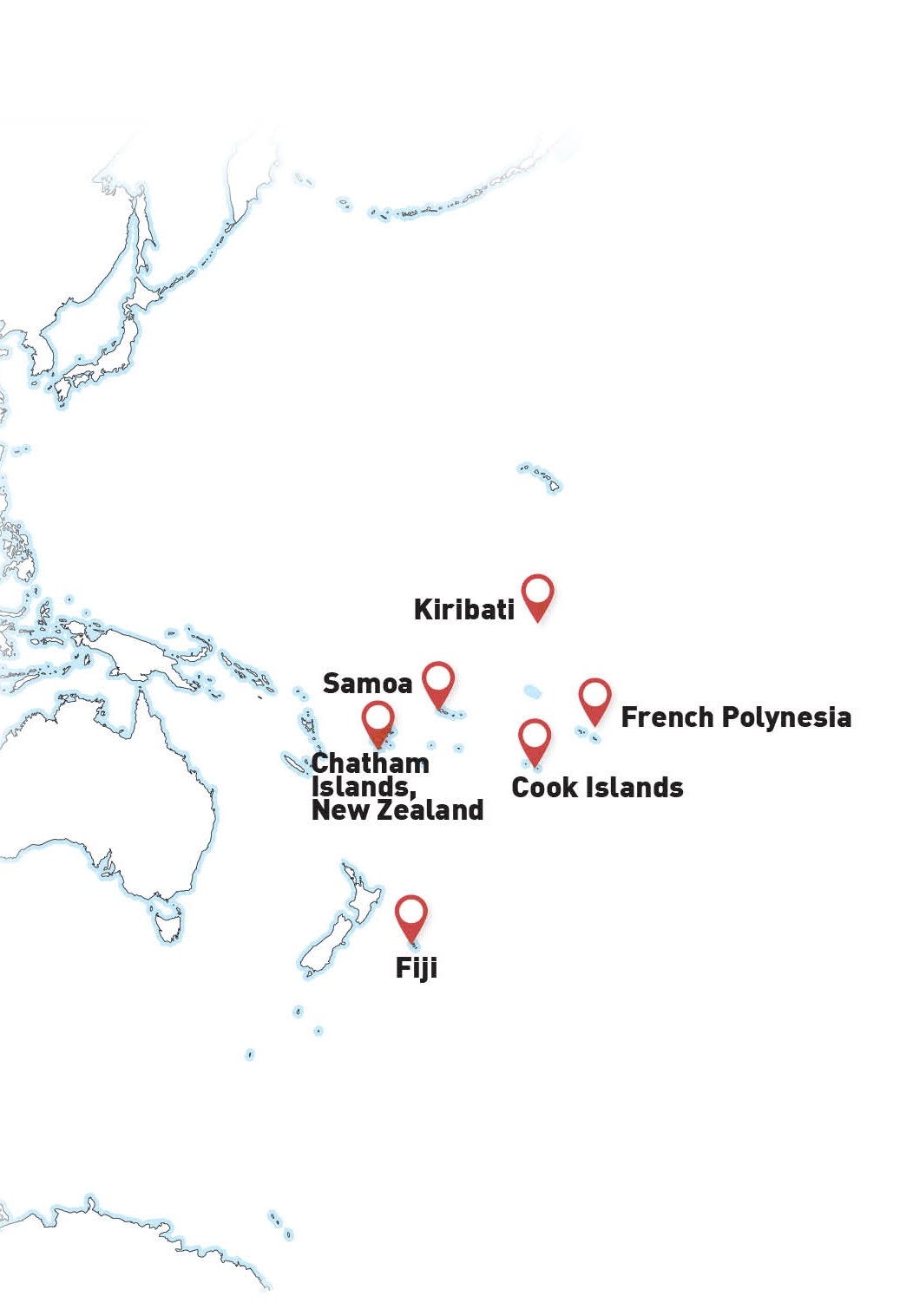
Head out to the fringes of Asia-Pacific for diving adventures in the middle of nowhere – places that are so far east they are practically in the west. The island nations dotting the eastern expanse of the Pacific are gateways to clear, warm, pelagic-filled water; paradises of coral and tropical fish.
Samoa
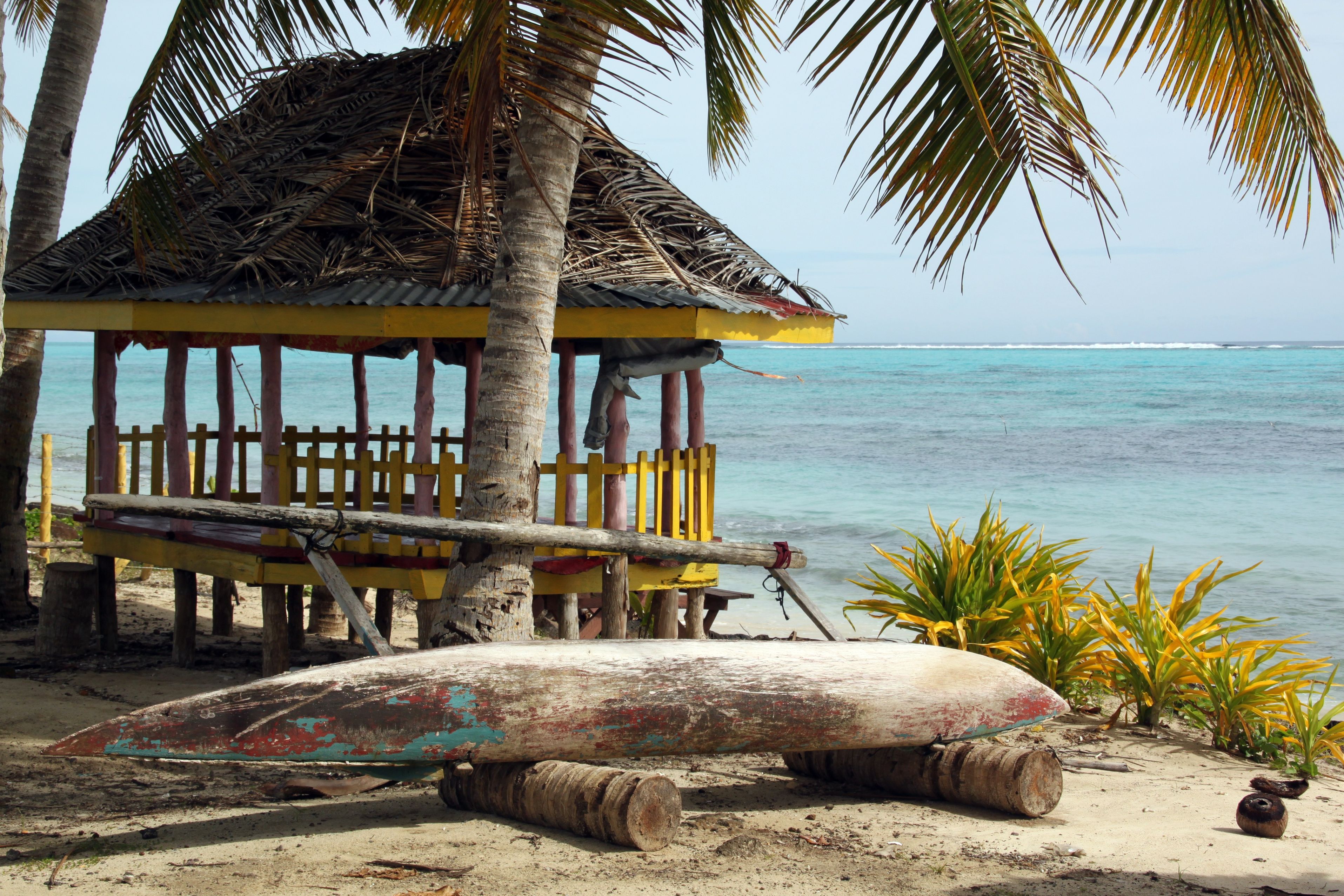
Want to get off the beaten track? Think about heading to Samoa. Varied topography – lagoons, deep-water pinnacles, passages and barrier reefs – means diving to suit everyone from macro lovers to adrenaline junkies looking for a good drift.
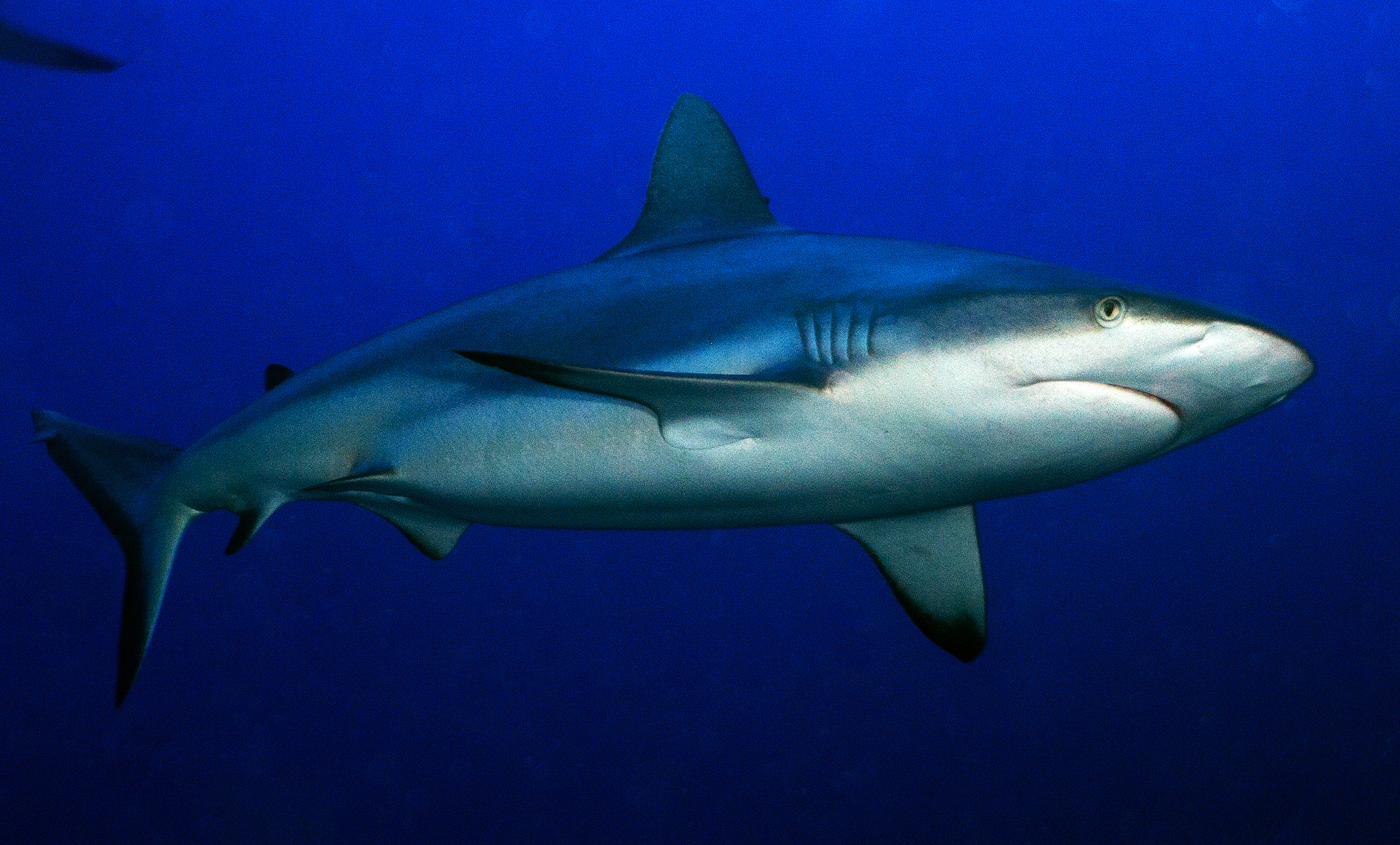
Sharks are out in force with grey reefs, whitetips, blacktips and silkies. Choose between scoping the blue for barracuda and trevallies, or scouring the reef walls for nudibranchs and octopods.
Most divers don’t need an introduction to the soft coral capital of the world – a place famous for its bright turquoise water ablaze with Technicolor life. Fiji boasts more than 10,000 square kilometres of coral reef and more than 1,000 species of fish.
Nutrient-rich currents sweep into these palm-fringed islands, bringing in the currents that underpin the dizzying marine community here. Sharks, turtles and mantas all put in appearances in Fiji, alongside the reef dwellers and critters for macro fanatics.
This rugged outpost is battered by ocean swells from the Pacific, but when the conditions are right, the cool waters are clear, and life is abundant in the kelp beds. Rocks are carpeted with abalone (“paua”) and swaying sea tulips, above which swim spotties, banded wrasse, butterfish, grouper and blue cod.
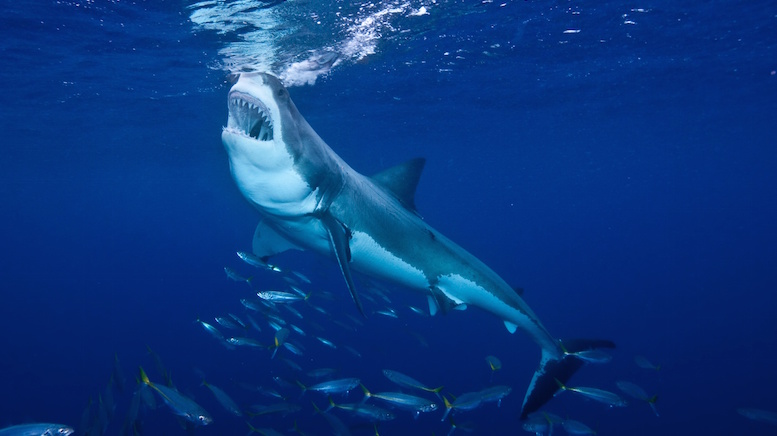
Out in the blue, opportunities to dive with great whites! Evidence of the ancestors of these predators is scattered along the shores of Te Whanga Lagoon, where fossilised shark’s teeth are the prize for the determined.
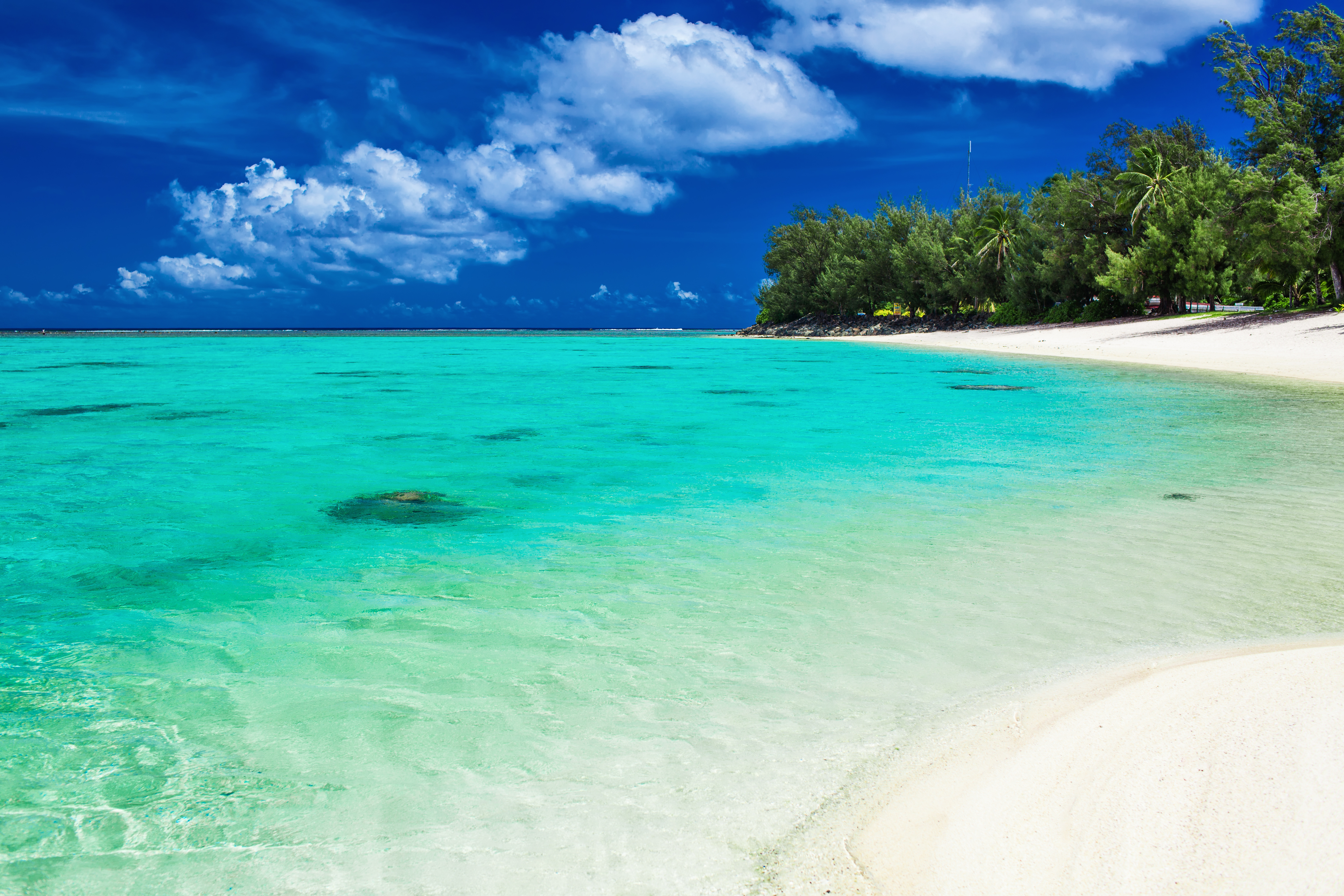
Fifteen little volcanic islands in the South Pacific make up the Cook Islands, a sovereign nation in free association with New Zealand.
Diving here promises stunning visibility, breath-taking hard corals, canyons, caves and drop-offs inhabited by rays, sharks, turtles and barracuda, and, between July and October, humpback whales. Highlights include the famous Ngatangila swim-throughs, Koromiri Coral Graden, and the Matavera Drop-off. For dive centres make your way to Rarotonga and Aitutaki.
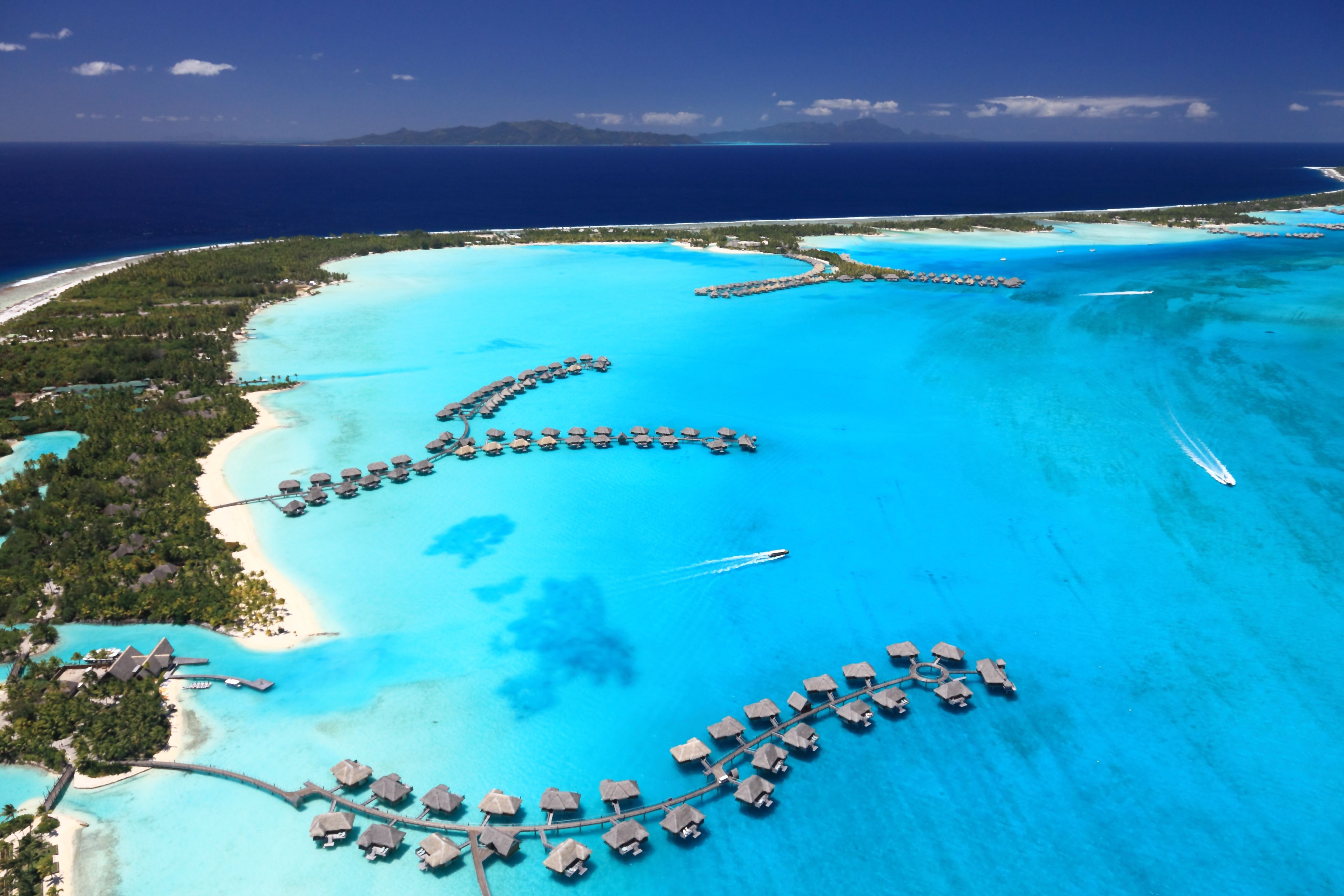
World-class diving and a heavy side order of romance to boot, French Polynesia has long been known as an iconic honeymoon destination – probably because it’s so bloomin’ far away from anywhere and anyone else.
Of French Polynesia’s 118 islands, there are 11 go-to dive destinations: Bora Bora, Raiatea, Huahine, Moorea, Tahiti, Tikehau, Nuku Hiva, Tubuai, Rurutu, Rangiroa and Manihi. The diving here, like much of the Pacific’s far-flung volcanic atolls, is about lagoons, walls and passes. You can take your pick from shark and stingray dives, friendly napoleons or high-octane drifts full of mantas and schools of sharks.
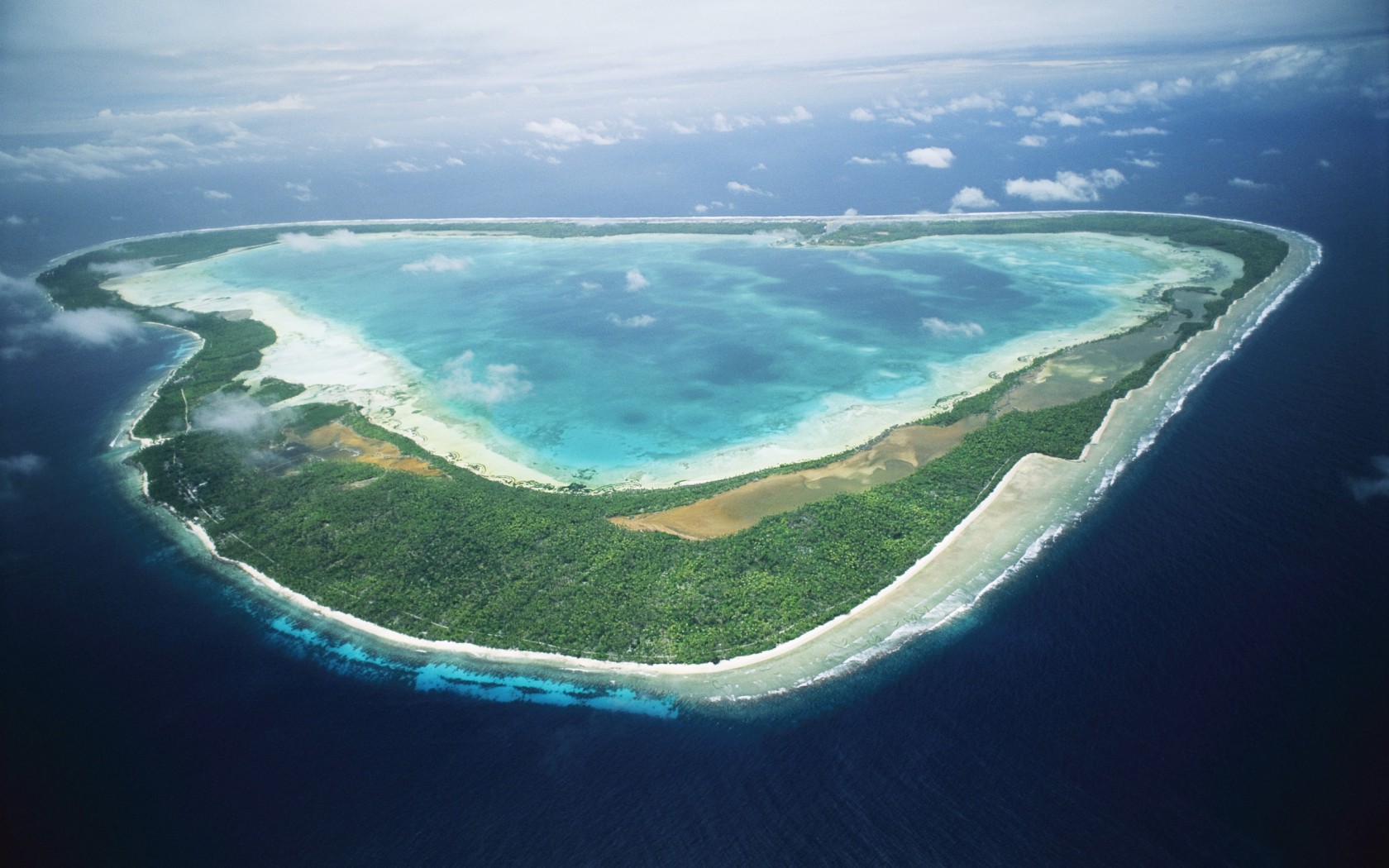
A place so far east it could be considered the place where the sun actually rises – Kiribati, an island chain scattered over thousands of miles, is the first inhabited place to welcome each new day, since it unilaterally decide to shove the International Date Line over a bit so that it would no longer be splitting the country into two different days.
Kiribati is also home to some stunning diving. With visibility up to 45 metres, there is plenty of opportunity to spot pelagics passing by, and to marvel at the colour and diversity of the coral. Christmas Island is the largest and one of the oldest coral atolls on the planet and has been called ‘the last untouched reef in the world’ by ichthyologists from the Smithsonian Institute as a result of its sheer numbers and diversity of fish.




 Dr Helen Scales is a freelance writer, documentary-maker and marine biologist based in Cambridge, England. A keen scuba diver and freediver, she spends as much time as she can beneath the waves, researching stories that connect people and wildlife. She’s made documentaries exploring the intricacies of sharks’ minds and the dream of living underwater, and is currently writing a book about the wonders of fishes. She is the author of one of the world’s most authoritative books on the history of our relationship with the seahorse, Poseidon’s Steed, and her latest book, Spirals in Time, has just been released. Both are available online via Amazon and Open Trolley, and in Singapore at Kinokuniya.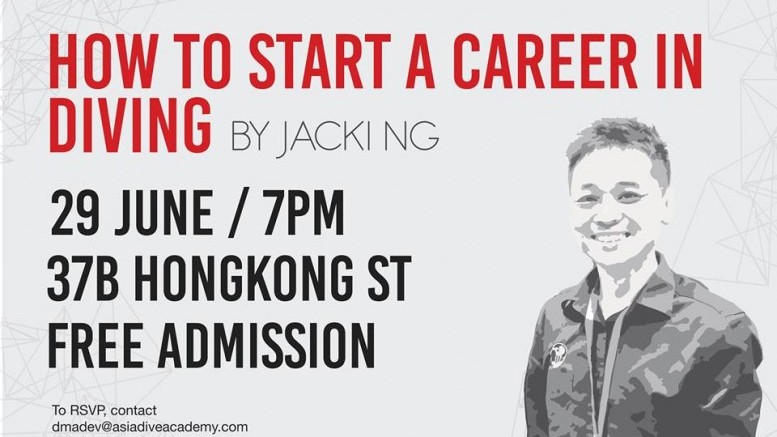

 Head out to the fringes of Asia-Pacific for diving adventures in the middle of nowhere – places that are so far east they are practically in the west. The island nations dotting the eastern expanse of the Pacific are gateways to clear, warm, pelagic-filled water; paradises of coral and tropical fish.