Home Blog Page 149

Kwajalein: The Most Exciting Place You've Never Heard Of

0
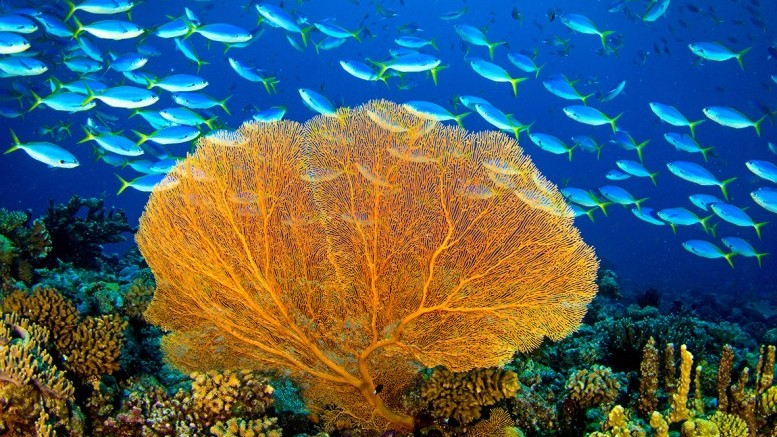
Blindingly colourful reefs crammed with fish await intrepid divers prepared to venture eastwards into the very middle of nowhere © Brandi Mueller

It is hard to pronounce, even harder to spell, and most people have no idea where it is. But Kwajalein is one of the world’s largest atolls: It’s part of one of the largest shark sanctuaries, played a role in the Pacific theatre of WWII, and boasts some of the most pristine reefs on the planet.

Located in the geographic region of Micronesia, Kwajalein (kwa-ja-leyn) is one of 29 atolls belonging to the Republic of the Marshall Islands. So far to the east, the Marshall Islands are just slightly west of the International Date Line and just a bit north of the equator. The islands cover over 1.26 million square kilometres (larger than South Africa), although only 171 square kilometres of that area is land (about the same size as Indonesia’s Komodo Island).

Atolls are ring islands that enclose a saltwater lagoon. They are formed by coral reefs that built up around a former island that has since disappeared over millions of years due to erosion. Flat and skinny islands of sand are left behind, usually with sheer walls on the ocean side and a protected lagoonal area fed by tidal influxes on the inside.

For Kwajalein this means spectacular walls dropping hundreds of metres right offshore with untouched, healthy corals and lots of pelagic life, and a lagoon of around 20 to 40 metres deep with sporadic coral heads and, thanks to World War II, copious wrecks including American and Japanese warships and planes.

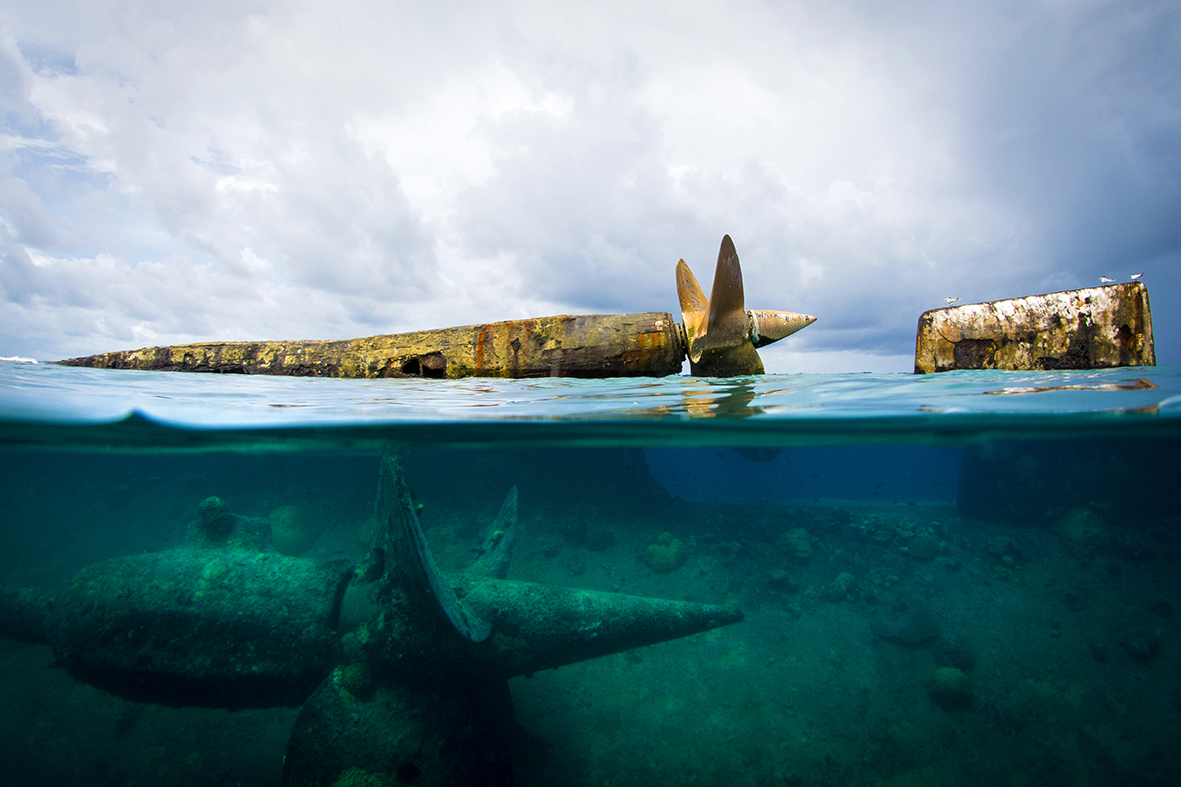
The wreck of the Prinz Eugan is one of the iconic dives at Kwajalein © Brandi Mueller

Pacific Navigators

Getting to the Marshall Islands must have always been an adventure. Today’s sailors have extensive GPS and electronic navigation systems to help them and there are limited (although sometimes unreliable) flights to this remote location. But how did early navigators possibly find these islands in the first place?

Little is known about those who first arrived in the Marshall Islands over 3,000 years ago. It is not clear where they came from or how they found their way to this remote corner of the Pacific Ocean, over 5,000 kilometres east of the Asian continent.

Once here, navigators used stick charts to navigate. Stick charts were handmade coconut frond and shell maps used to depict islands and prevailing ocean surface swell patterns. By memorising these patterns, navigators could move from island to island without the use of GPS, compasses, or maps as we know them.

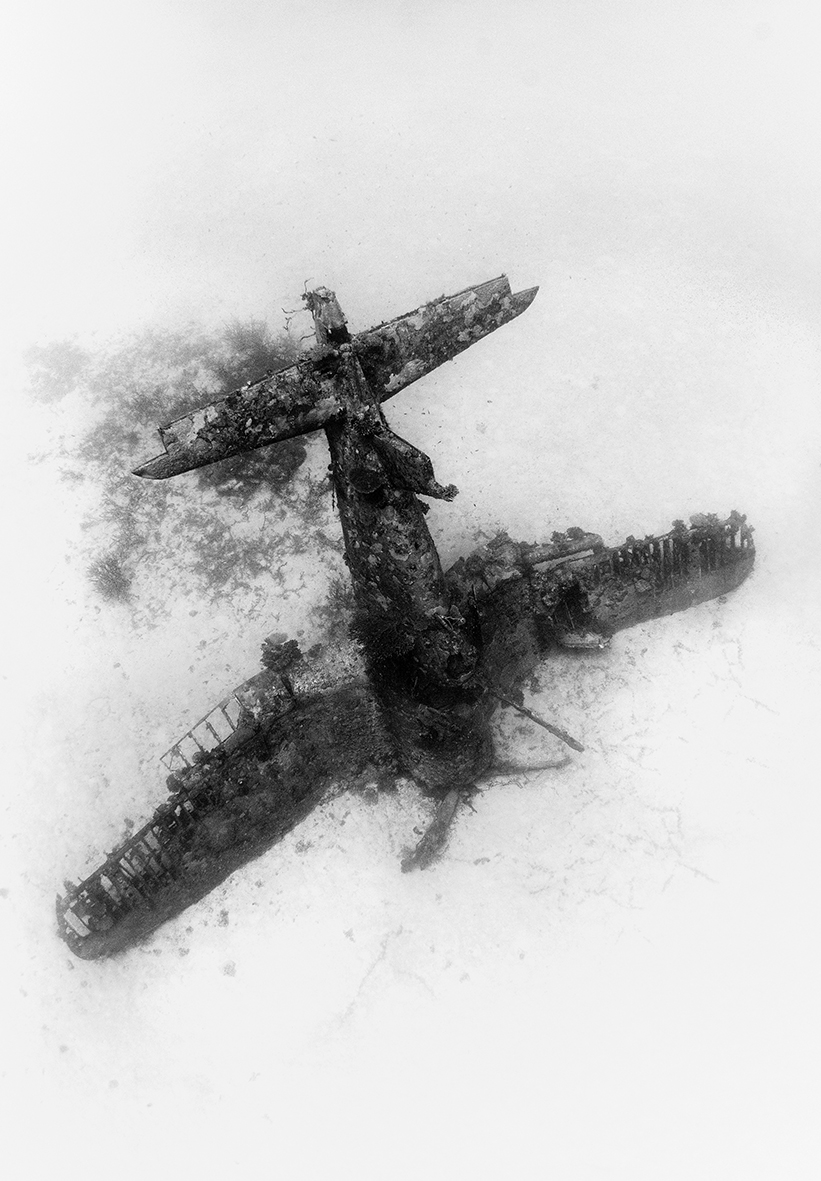
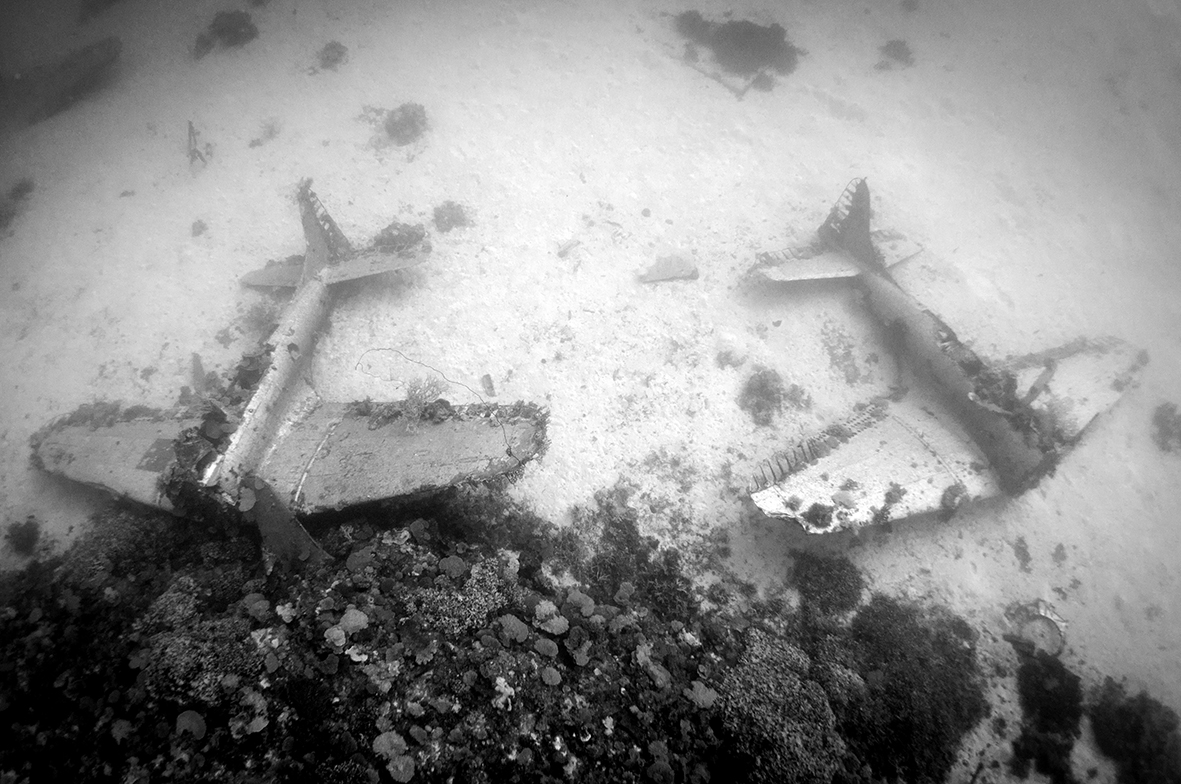
The lagoon is littered with the wrecks of more than 160 sunken planes © Brandi Mueller

World War II

The lagoon of Kwajalein Atoll is the resting place for a huge concentration of Japanese and American WWII wrecks, including more than 25 ships and over 160 planes. The Japanese took over and colonised the Marshalls in 1914 and used Kwajalein as an important military defence base during WWII. In early 1944 American forces invaded Kwajalein, bombarding and destroying all of the Japanese aircraft and sinking many ships.

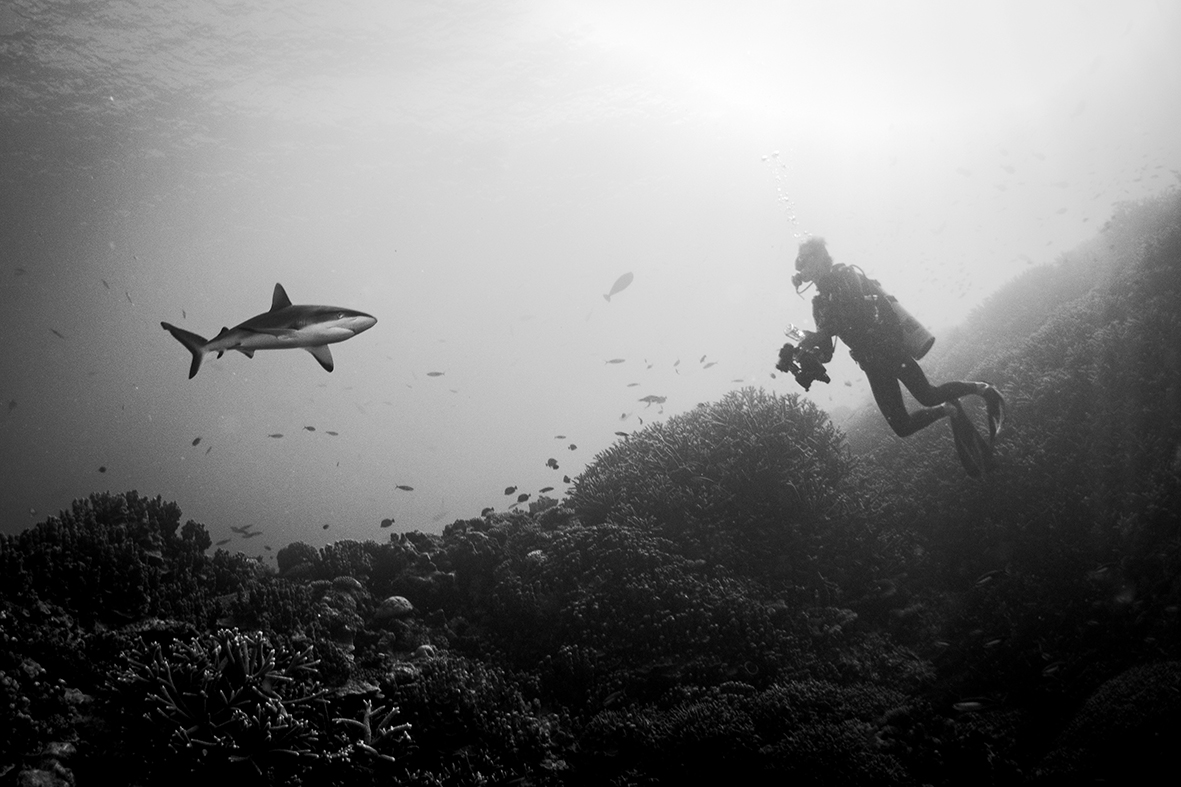
These wrecks have become stunning historical monuments, covered in sponges and corals and teeming with fish life. Whitetip sharks can be seen resting on the submerged decks and schools of batfish patrol the kingposts, seeming to watch over the ship and coming in close to inspect divers as they explore the wreck.

Post-War Graveyard

When the war ended, the Americans were faced with the question of how to get their excess materiel back, including around 150 planes. It was decided it would be cheaper to get rid of the planes than to bring them back on ships, so they were simply pushed off the back of barges in the lagoon near Roi half a dozen square kilometres. These planes can be found at both deep and shallow diving depths, most around 30 metres, and in one area as many as 13 planes can be seen on a single dive.

The Airplane Graveyard has been called the most extensive collection of American WWII planes in one place. You’ll find Corsairs, Wildcats, a Helldiver, Avengers, Dauntless, PBJ-IH Mitchells, and more. Most of them sit on the sandy bottom looking like they have just landed, while others are nose down, upside down and in all other directions. There is also a Japanese Zero, which likely went down as a result of an accident while it was trying to take off or land before the end of the war.

Radioactive Ships

On the other side of the world, the Prinz Eugan, a German war cruiser, was given to the United States as a prize of war at the end of World War II. It sailed from the Northeast Atlantic to the east coast of the US, where it was decided the Eugan would make a great addition to the 95 ships of the “nuclear fleet”. Continuing its journey west, the Eugan was towed through the Panama Canal and moved into the Pacific, making its way to the Marshalls.

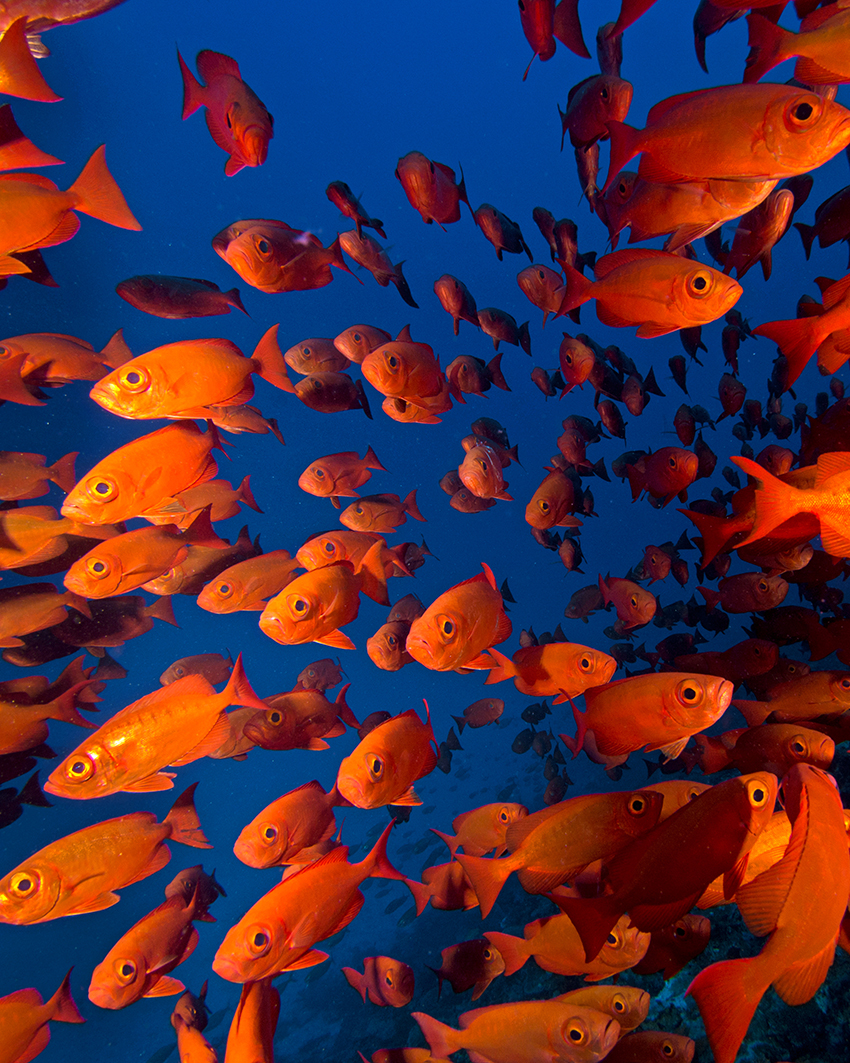
Big schools of fish, like these big eyes, Priacanthus sp., swarm the decks and coral encrusted airfoils © Brandi Mueller

In 1946, several hundred miles from war-ravaged Kwajalein, those 95 ships were being lined up in the lagoon of Bikini Atoll for Operation Crossroads. They were to be used to investigate the effects of nuclear weapons on warships. Two “Fat Man” plutonium implosion-type nuclear bombs, named the Able and the Baker, were dropped on the Eugan and the other ships.

At the end of the test, only nine ships had survived enough to be moved, and the Eugan was towed back to Kwajalein Atoll for further studies. Although most of the structure was intact and the ship was in fairly good condition, a small leak in the hull would be its demise. Due to the residual radiation no one could board the ship to repair the hull. It sank in shallow waters next to the island of Enubuj (also known as Carlson).

Today the Prinz Eugan can be seen by anyone who flies to Kwajalein or sails near the south part of the lagoon. One of the two remaining props and the rudder stick out of the water. Boats anchor next to the ship close to the island and divers descend to about 12 metres to see the top deck sitting at an angle in the sand. Large marble rays are common under the deck and coral-encrusted ladders, winches, and other machinery can be seen. The ship lies on a slope that proceeds to around 40 metres where the bow is in the sand. Many port holes give views of upside down beds and chairs and one opening shows six possibly still live torpedoes stacked on top of each other.

Ammunition can be found in the sand below the wreck as can whitetip reef sharks sitting in the sand. At the stern of the ship, brave divers can swim underneath it to the other side of the wreck and then ascend up the massive hull to the top of the ship, which is actually the bottom. This part of the ship is covered in coral, and large schools of parrotfish, fusiliers, and others dart back and forth around the hull.

If the wrecks don't do it for you, the healthy waters are also abundant with diverse marine life © Brandi Mueller
If the wrecks don’t do it for you, the healthy waters are also
abundant with diverse marine life © Brandi Mueller

Today

It still isn’t easy to dive Kwajalein Atoll. One commercial flight does arrive six days a week from either Guam or Hawaii and only transient liveaboard dive boats occasionally make their way to Kwajalein (usually to continue to Bikini Atoll). There are no commercial dive operations although the army base has an active scuba club for those stationed or working there.

The WWII wrecks have been underwater for 70 years and are encrusted with coral and sponges. Most of the wrecks are home to various turtles, sharks, barracuda, schools of curious batfish, and an array of reef fish.

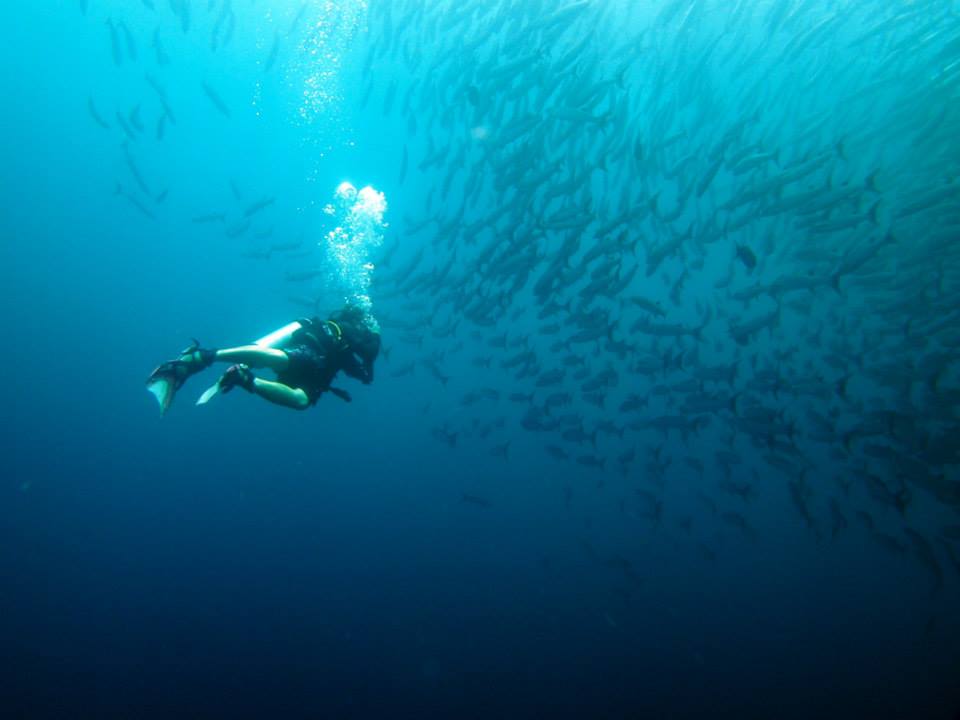
Once a diver has seen the wrecks, a trip outside the lagoon reveals an entirely different world: sheer walls dropping away into the blue; untouched, pristine coral extending down as far as you can see; sea fans larger than most people, coral heads that look like they’re on steroids, and countless fish of all shapes, sizes, and colours. A glance out into the blue usually rewards divers with sightings of schools of tuna, eagle rays, and even a whale shark or two. The islands are visited by multiple species of whales, dolphins and sharks.

Within the lagoon, random coral heads emerge out of nowhere. One particular favourite is known as Troy’s Coral Head, where shark sightings are virtually guaranteed. Often a large bait ball is circling the coral head with sharks patrolling it, occasionally taking a bite from 5 the fish buffet, but otherwise just wrangling the fish for dinner at a later time.

If the wrecks, rays, corals, dolphins, and sharks don’t please you, I’m pretty sure nothing will. But to step it up one more notch, things are still being discovered in Kwajalein’s lagoon. The search for other warships and planes continues to this day – several of which are known to be out there somewhere, but it is more than likely that there are many more waiting to be discovered that no one has any idea about at all.

This is possibly the most extensive collection of American WWII planes in one place in the world © Brandi Mueller

Some places are simply never boring, and this, at Asia-Pacific’s easternmost boundary, is one of them. Kwajalein, the most exciting place you’ve probably never of heard of (before now), is simply bursting with the kind of subsea adventure that would satisfy even the most daring of explorers.

This article featured in Scuba Diver AUSTRALASIA (Issue 07/2014)


Brandi Mueller is a dive instructor and boat captain and has been diving for over half her life. Brandi’s obsession with the sea began at age 15 when she explored diving for the first time as an exchange student in New Zealand, and culminated when she became an instructor at age 21 after studying seagrass in Florida. These days, when not driving the boats or teaching divers, she is most happy underwater with her camera.

Ocean Defender of the Week: David McCann

0
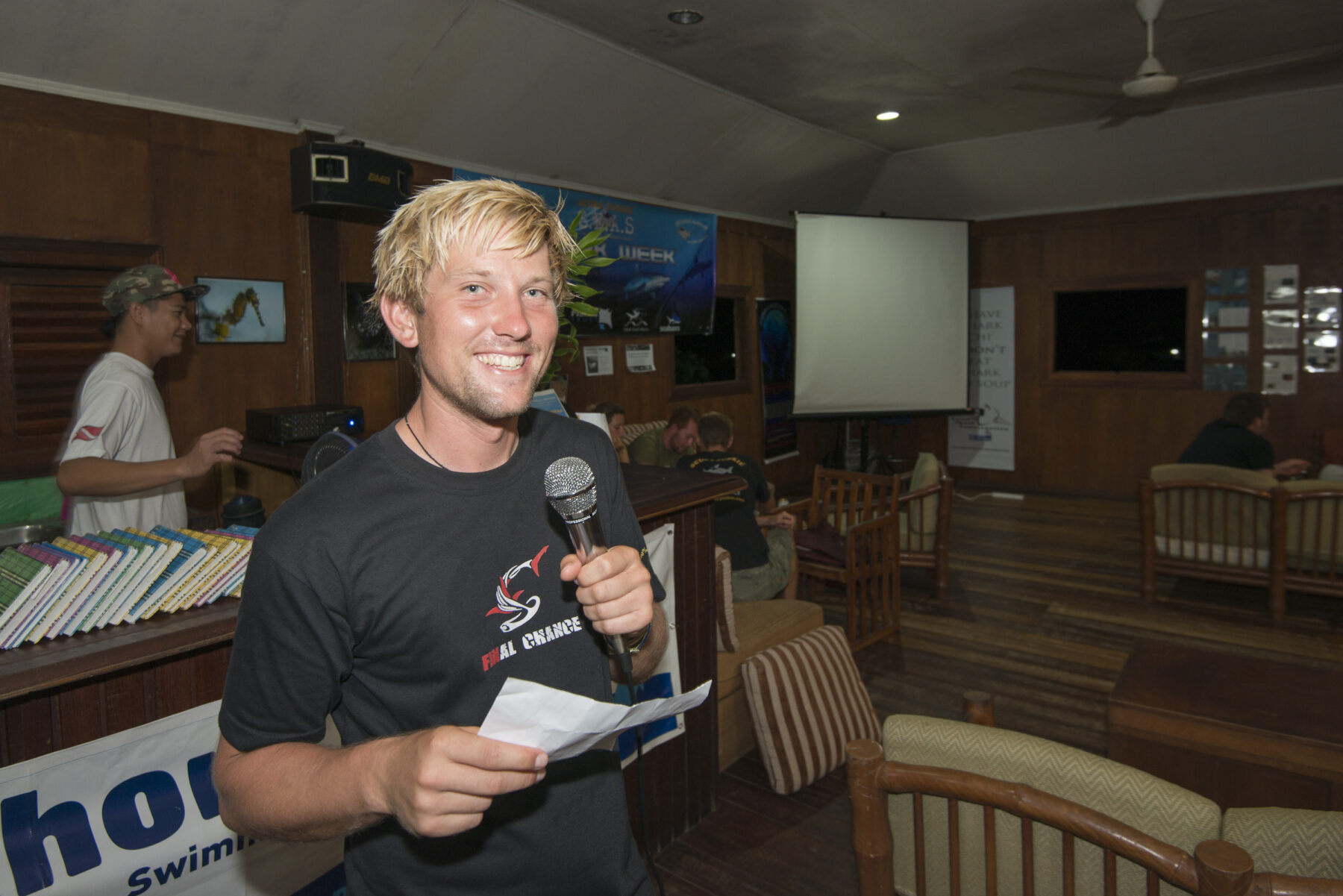
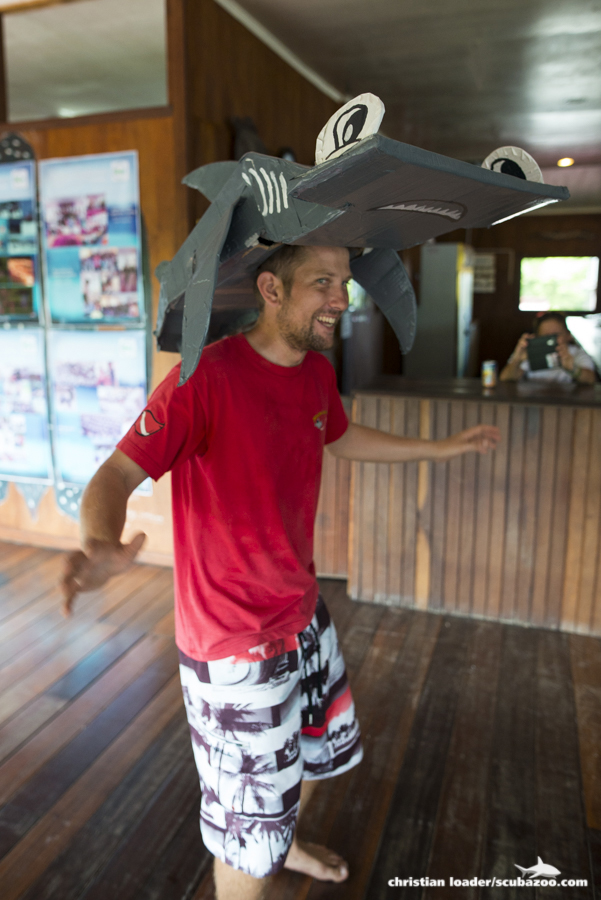
David on Mabul Island during Shark Week

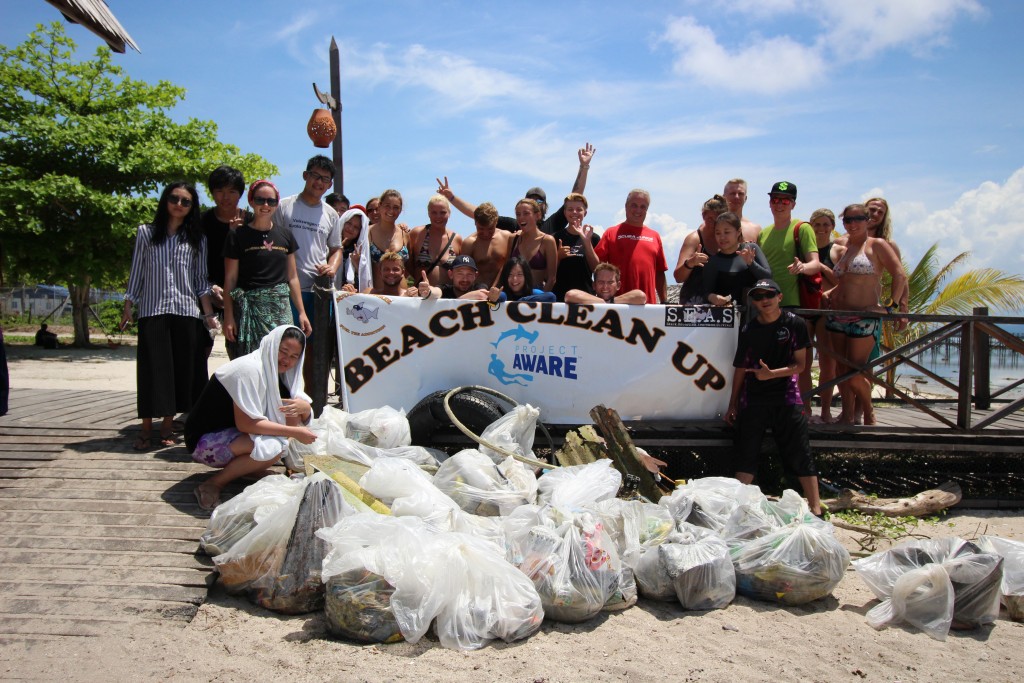
This week’s “Ocean Defender”, David McCann, is an Environmental Officer and Divemaster for Scuba Junkie, the award-winning dive operator based in Sabah, Malaysia. He and his partner help run the S.E.A.S. conservation arm of Scuba Junkie, with projects such as tackling marine debris, shark conservation and turtle conservation, as well as local and international conservation outreach programmes. UW360 caught up with David for a quick Q&A:

Shark Week 2015 - Christian Loader - Scubazoo-36What got you into marine biology?
I have always loved wildlife and the natural world – Sir David Attenborough got me hooked at an early age. His documentaries made me fall in love with the natural environment and his passion for the subject was contagious, I just wanted to find out more and more. I decided to study marine biology the moment I found out that that the oceans cover 71% of our planet, and we know so little about them.

I was fascinated by the diversity of marine environments and the diversity of marine life, but what really struck a chord was when I realised how many threats the marine environment faced, and the bleak future ahead for many of the environments and species that fascinated me. I didn’t want to just sit back and study – I wanted to step forward and do something to stop the destruction.

What’s the hardest thing/best thing about your job?
The hardest thing is knowing all the problems the marine environment faces, and seeing so many of the problems firsthand.

There’s a sense of groundhog day in doing beach and reef cleans sometimes. It’s great to see the positive impact we can have in collecting say, 40 bags of rubbish in one day. But then going past that beach the next day… And it looks like the clean could be done all over again… That’s frustrating. But you have to keep going, because I’m a believer in what ever little action people can do will make a positive difference. You have to remember that there’s 40 bags less in the oceans because of the clean you did the day before – that’s important.

Thankfully, I’m working at one of the most supportive and forward-thinking, conservation-minded dive operators in Asia, if not in the world. I can not over emphasise how much I admire the owners of Scuba Junkie in their dedication to run a conservation arm (Scuba Junkie S.E.A.S.) , as well as being an ethical and environmentally friendly dive operator. We are able to take action in several key areas of marine conservation – I feel like it all adds up and a real, ongoing positive difference is made.

Plus – I get to dive and live in one of the most amazing places on the planet! When I was younger, Borneo was a mystical land of amazing wildlife, seen on television. I still have to pinch myself to remind myself that this is where I actually live now! I get to meet amazing people – both local and international, and share this passion for the marine environment with these like-minded people. And I get to spread the message through S.E.A.S.’s outreach programmes about marine conservation and how individual action can make a positive difference.

What’s the craziest thing you’ve ever seen/discovered while on the job?
You name it – we’ve seen it here. I’ve seen Rhinopias, sperm whales, schooling hammerheads, mating blue ring octopuses, sea turtle orgies, schooling devil rays… I’ve helped release thousands of turtle hatchlings. I’m living the dream!

But if you want something crazy, I once witnessed a wedding on Barracuda Point at Pulau Sipadan, where the bride was dressed as a mermaid and her partner was wearing a full suit while diving. 

What do you hope to achieve through your work?
I hope to encourage individuals to make small lifestyle changes that will have a positive effect for our oceans – whether saying “no” to unsustainable seafood or plastic straws, or saying “yes” to helping us clean a beach.

But more than anything, we hope to encourage the dive industry as a whole to realise their responsibility and role in marine conservation.

As a dive professional, I am fortunate to experience the joy and beauty of the underwater world, and have a career doing something I love. I strongly believe that with this joy comes a responsibility to protect and conserve. It is a win-win situation, as a dive operator’s business relies on a healthy ecosystem. Dive operators are also in the unique position of being able to reach hundreds, if not thousands of people – both tourists and locals – to promote and effect marine conservation.

We would also like to ensure that the tropical coral reef ecosystem in this area flourishes and is kept from further degradation, and used in a sustainable manner that not just protects the ecosystem, but also helps to protect the livelihoods of the local communities here who rely on the ocean for sustenance and survival.

David diving at Sipadan, Malaysia

Who is your marine biology role model?
He’s not a marine biologist, but, again, I would have to say Sir David Attenborough. I am sure he has inspired many people along a similar path to mine. He is my role model as his passion for the natural life on this planet shines through, as does his concern for its future – he makes people think twice.

What do you think lies ahead for marine ecosystems?
If humanity continues along its current path, then the future does not look too good for our oceans. It can be seen as a gloomy outlook – there are so many threats, and a lot of people are not aware of the issues, or are unable to do anything about it. As gloomy as it can appear, we must be positive and keep working. If we just focus on the negatives, nothing will change.

What lies ahead is up to us. The future can be as bright as we choose to make it. If we make people more aware of the importance of our oceans, and encourage them to adopt small behavioural changes, together we can all make a difference. I believe that divers are a strong voice for ocean conservation, and I see more and more positive action being taken by divers – either by spreading awareness of marine issues, or by small local actions such as reef cleans.

What can the average person do to help protect life in the oceans?
There are so many things individual people can do. For divers, dive with responsible operators and dive in a responsible manner – take only photos, leave only bubbles. Don’t eat unsustainable seafood, and cut down on your use of plastics. Help in a beach clean or do a Dive Against Debris on your next dive holiday.

Learn more about our oceans and the threats they face and spread the word…

Turtle Conservation Week on Pulau Mabul

0
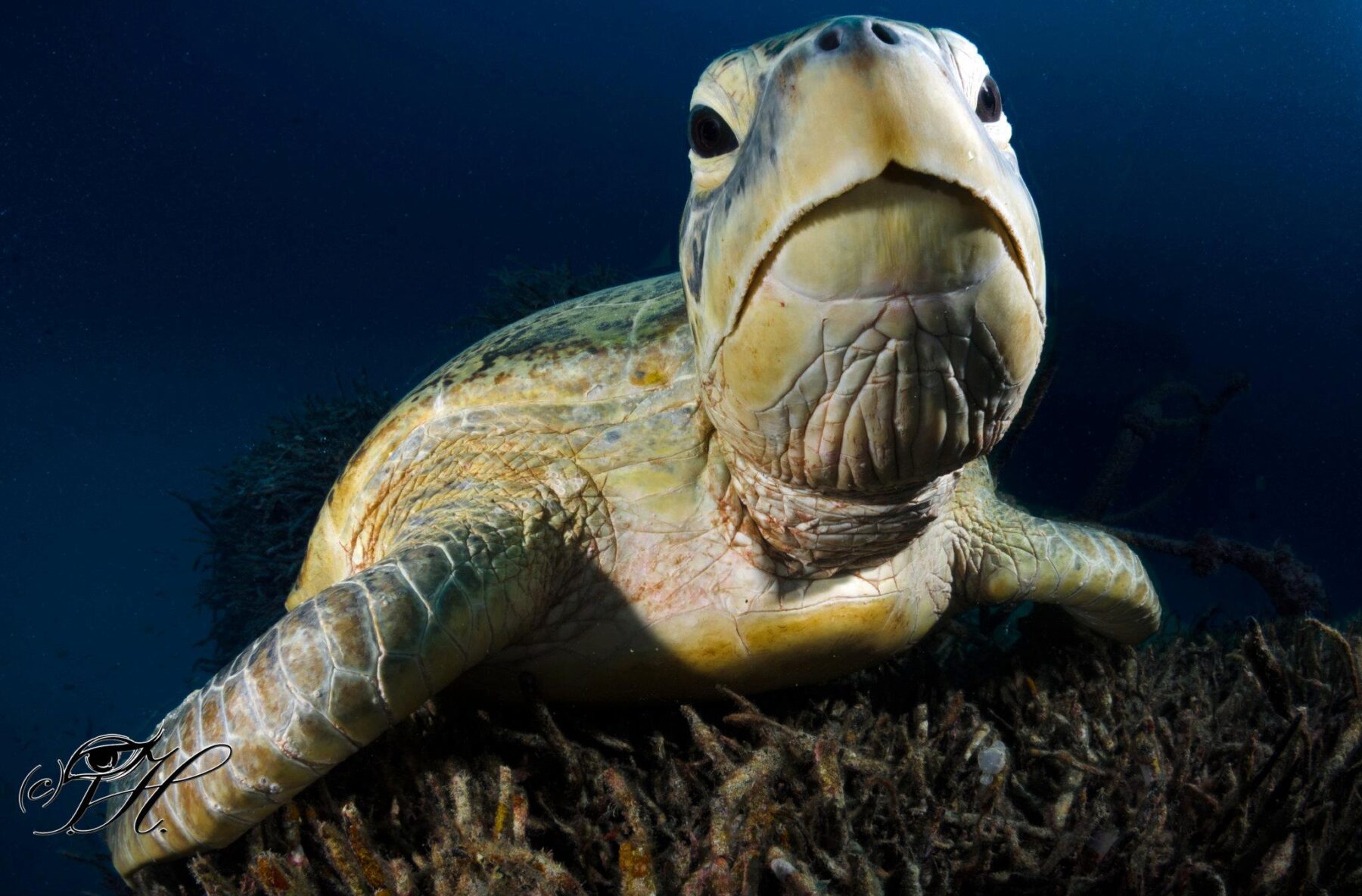
Face-to-face with the turtles of Mabul

The unique role of the Sabah Wildlife Department’s Honorary Wildlife Wardens (HWWs) was highlighted and promoted at the recent Turtle Week conservation event, held at the PADI 5* IDC dive operator Scuba Junkie’s resort on Pulau Mabul.

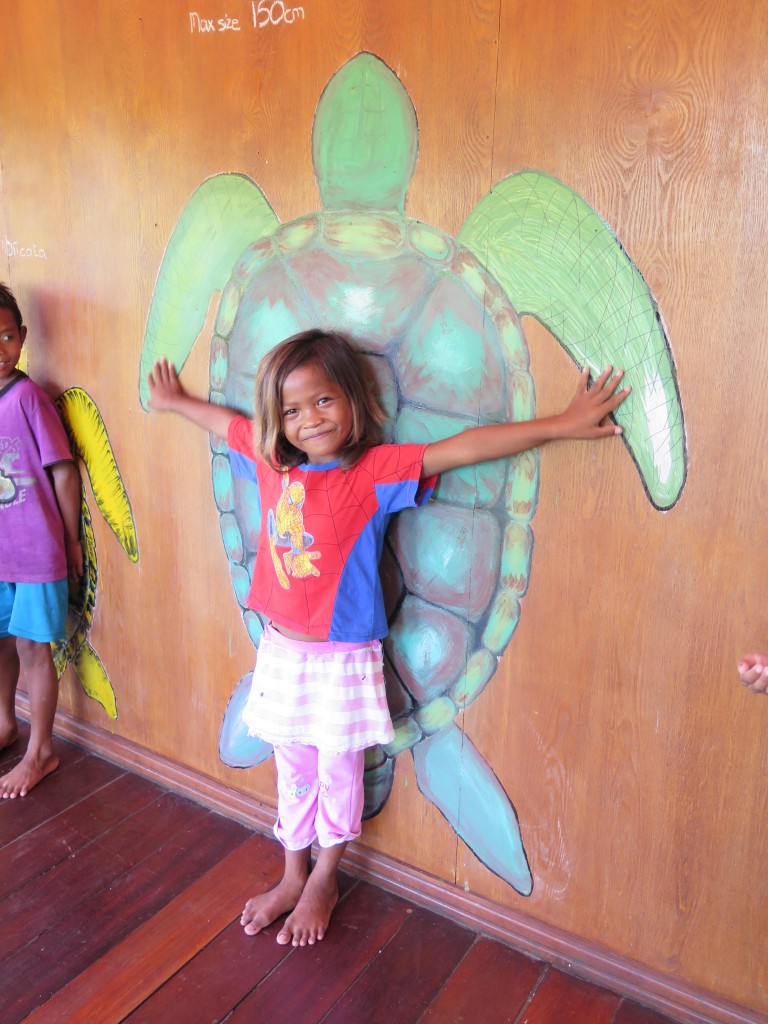
Scuba Junkie’s Turtle Week, back for its third year by popular demand, has a successful history of raising awareness of turtle conservation through its unique outreach programmes, which involve both tourists to Sabah and local communities, schools, colleges and universities. This year was no exception, with presentations and conservation activities carried out in both Bahasa and English.

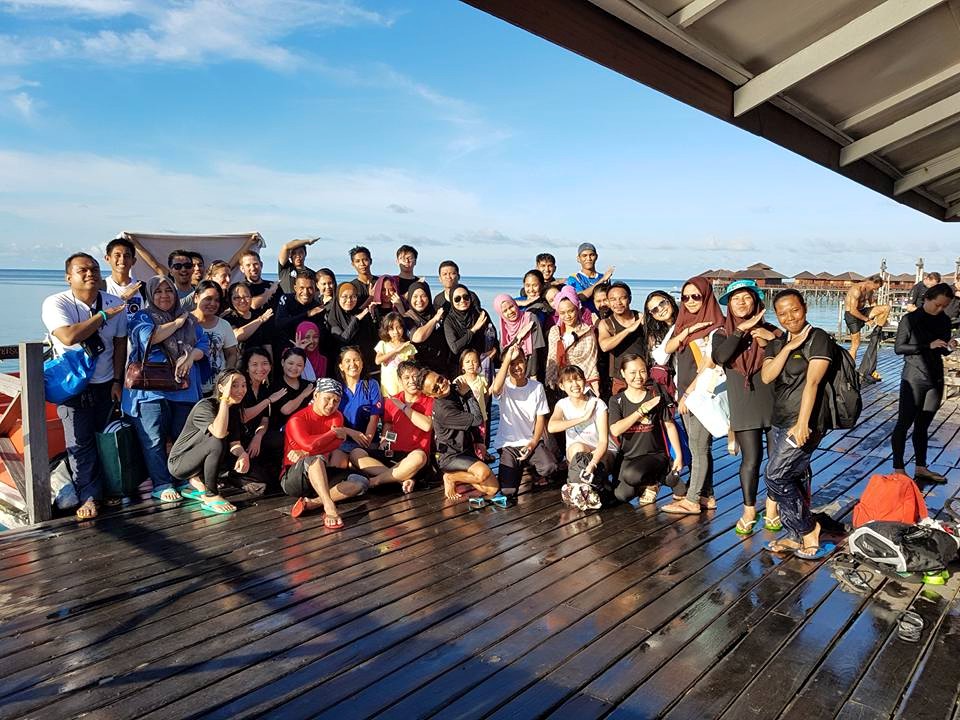
UMS, Green Semporna and Kolej Komuniti responsible snorkelling activity with HWWs

Prominence in all activities was given to Honorary Wildlife Wardens from the Semporna region – Muhammad Adzmin of Green Semporna and Arapat Bin Abdurahim, Dionne Sherrys Guerzo and Mohammad Khairuddin Bin Riman from Scuba Junkie.

The HWWs were trained in Semporna in March by representatives of the Sabah Wildlife Department. They act as the SWD’s ‘eyes and ears’ on the ground, combating illegal wildlife crime by helping to strengthen enforcement, alerting the authorities to any suspicious activities and violations that threaten the survival of Sabah’s protected wildlife.

Mabul, an island off the cost of Sabah, Borneo, is known for the abundance of turtles for divers and snorkellers alike, despite the fact that some species of sea turtle are listed as ‘endangered’ and others ‘critically endangered’ on the IUCN red list. The HWWs in the Semporna region provide valuable ‘on the ground’ information and a management system for the protection of turtles there – being involved in hatcheries as well as monitoring the area for protection compliance, and alerting the SWD if there are injured or sick turtles in the area.

“We are honoured that three of our staff were able to do the HWW training with the Sabah Wildlife Department” stated Ric Owen, Director of Scuba  Junkie. “We are only too happy to showcase the unique role they have in the region, and assist the work of the Sabah Wildlife Department. Advice and guidance from the Sabah Wildlife Department has been invaluable to us at Scuba Junkie over the past few years in the development of our Mabul Turtle Hatchery and Turtle Rehabilitation Centre.”

IMG_6139

Turtle Week was organised in conjunction with the local conservation group, Green Semporna, who run numerous conservation programmes in Semporna. Green Semporna have a close working partnership with Scuba Junkie, with both collaborating several times a year on marine-focused conservation events – suitable for all ages and with an emphasis on fun to ensure as many people get involved as possible.

“It has been an amazing week” said David McCann, Environmental Officer for Scuba Junkie. “I have especially enjoyed working with the volunteers from Green Semporna and the students from Community College, Semporna and Universiti Malaysia Sabah – all of which completed our sea turtle conservation workshop. Everyone really enjoyed the workshop and left Mabul more aware of the plight of sea turtles and conservation measures that can be taken to help ensure this region remains a stronghold for generations to come.”5

Norasmah Jaafar, Director of the Community College in Semporna, agreed. “It was fantastic to see so many young minds brought together to share their enthusiasm and optimism in protecting their environment. It was really beneficial for them, especially the UMS group, to practically learn and get involved in the programme outside their classroom norm. The participants also got to know more about the role and responsibilities of HWWs –  they are role models for students to look up to. The Ministry of Higher Education Warrior Cries – ‘soaring upwards’ is appropriate.”

Tourists at the Mabul Beach Resort also had star guest appearances one night – when a nest of 89 green turtles hatched and were released into the sea by the HWWs. “The nest hatching really put the icing on the cake for our Turtle Week”, continued David. “It is an incredible experience, one I never tire of. For our guests to witness this, and the HWWs at work, it was perfect!”

Underwater Photographer of the Week: Ellen Cuylaerts

0
“Ellen's unique photographs have won her many awards and granted her a flawless reputation within the industry...”

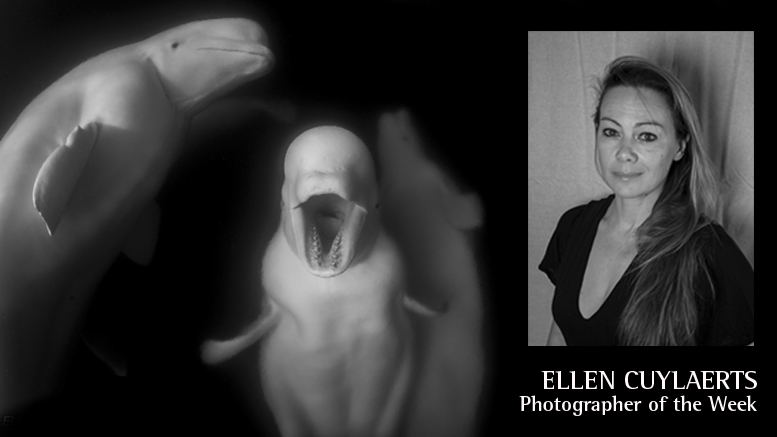
Photography, a teenage dream for Ellen Cuylaerts, first came to her at the click of a compact camera while snorkelling around the Cayman Islands. Then, after signing up for a workshop on the island with Dr. Alex Mustard, she was taught the key skills and techniques that widened her horizons and allowed her to focus solely on photography. Today, Ellen is spreading awareness of conservation and preservation of fragile marine environments through her images. Her unique photographs have won her many awards and granted her a flawless reputation within the industry. We caught up with Ellen to talk about her career and the stories behind some of her favourite shots.

"To share the underwater beauty with my friends and to explain which challenges the oceans faces became my biggest passion, it felt like coming home."
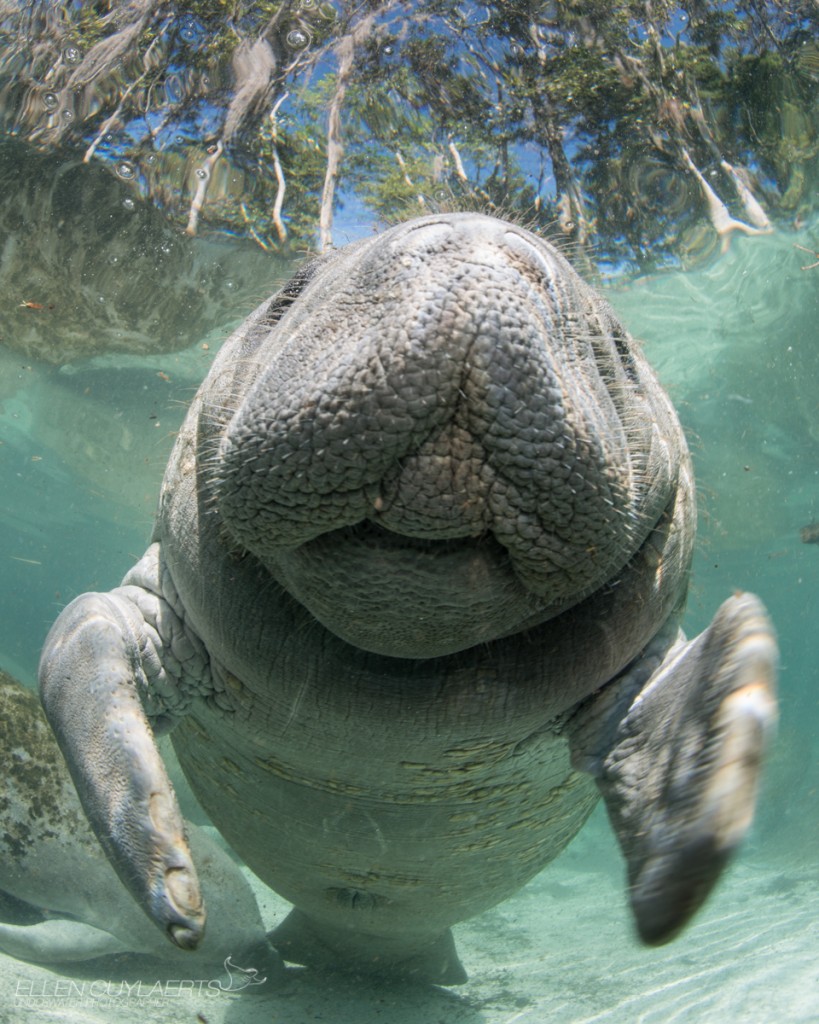
Manatee, Crystal River, Florida: “To share the underwater beauty with my friends and to explain which challenges the oceans face became my biggest passion – it felt like coming home.”

What made you want to become an underwater photographer?
I think it was my destiny. I wanted to study photography but that was too expensive so I chose history. Once I relocated to Cayman Islands in 2009, and started to dive in 2011, I picked up my teenage dream and combined diving with photography.

To share the underwater beauty with my friends and to explain which challenges the oceans face became my biggest passion – it felt like coming home. I cannot imagine my life now without wildlife and underwater photography.

Your first underwater shot?
That was with a Lumix on a snorkel with stingrays (Sandbar) close to where I live in Grand Cayman. It was fascinating to see how a compact camera could capture an underwater family trip without the hassle of a housing and with instant results due to the digital age.

The story behind your most memorable underwater shot?
Last July I travelled to Churchill, Hudson Bay, Canada, for the second time. I wanted to experience beluga whales in the wild. The year before, pods of belugas surrounded the boat, but once I got in the water the visibility was so bad I could not get any images – part of wildlife photography.

My second trip I left my home with no expectations. My mindset was that I would return as many times as needed to make it happen once in my life. My captain, Vanessa Wallner, and me worked like magnets on the belugas. From the first moments in the water they were very curious, and I used that curiosity to make them follow me to clear water out of the murky slack line and out of the thermoclines.

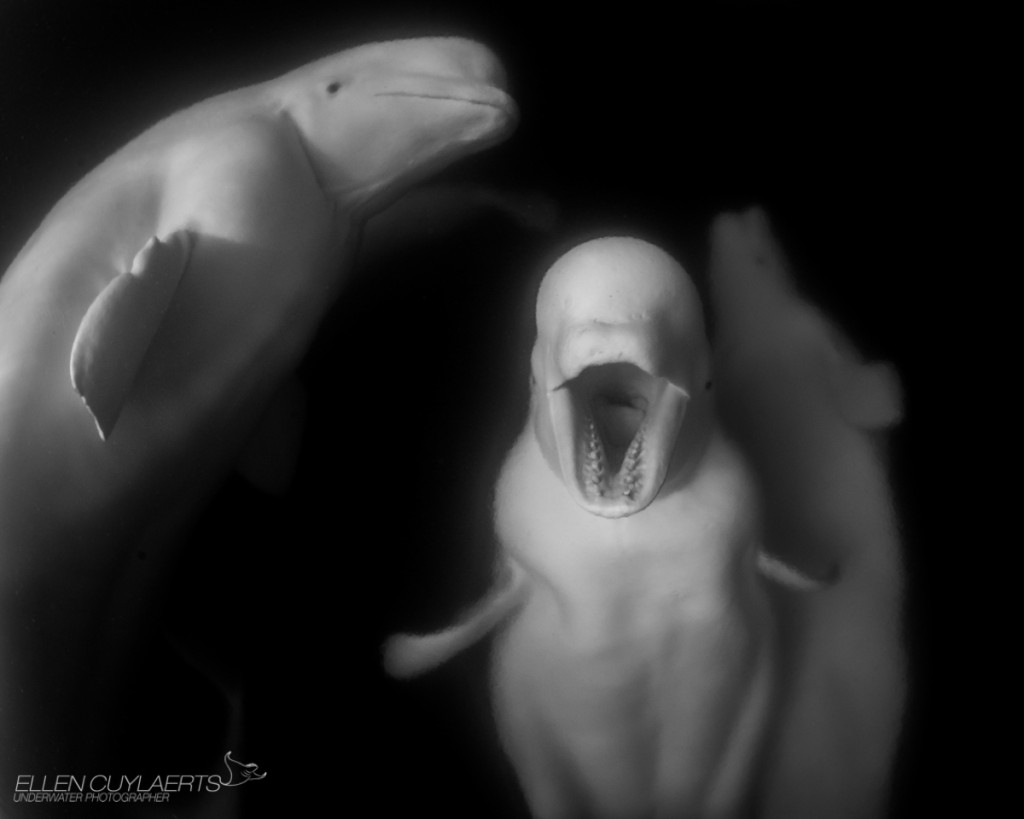
One of the last days, after a calm encounter day, we went for a last attempt to approach a pod before we had to return to shore (due to tides). I got in the middle of two pods of male belugas, and some young ones tried to impress me and the other males with dominance behaviour, closing me in, very vocal, even giving me a few bumps. One of the shots I called “The Scream”: a male beluga with open mouth looking straight at the lens, surrounded by his pod members. It was very impressive and the belugas and I got into a thermocline which gave the image a more spooky look. After I got out of the water the animals stayed with the boat. We could hear them singing at the surface.

"One of the shots I called the scream: a male beluga with open mouth looking straight in the lens, surrounded by his pod members."
The Scream: “One of the shots I called the scream: a male beluga with open mouth looking straight in the lens, surrounded by his pod members.”
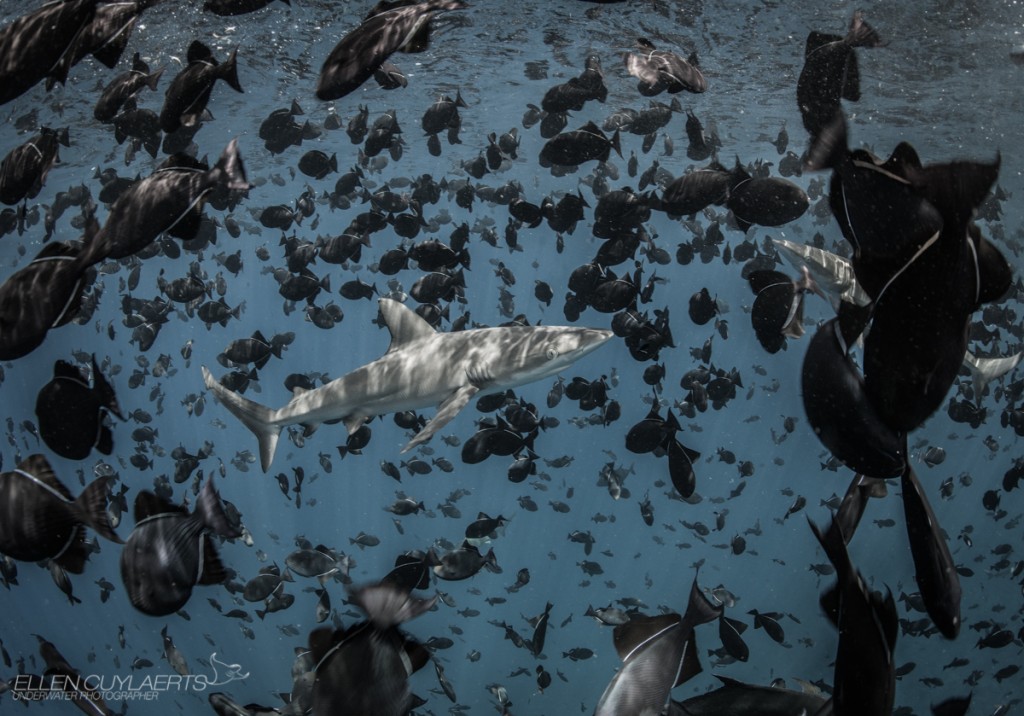
"My latest trip brought me to Ascension Island where I swam with dozens of Galapagos sharks surrounded by black durgons..."
Abundance: “My latest trip brought me to Ascension Island, where I swam with dozens of Galápagos sharks surrounded by black durgons…”

The weirdest thing you’ve seen underwater?
A solitary male dolphin that took an interest in my husband, Michael Maes. The dolphin showed up next to him and since the dolphin’s reputation was known to me, I signalled we should abort our dive and make our way to the surface. Michael misunderstood and kept on filming until he realised the dolphin was extremely pushy. The bottlenose dolphin charged at me, full speed, five times, and my big rig protected my body. Afterwards, he prevented Michael from ascending. Alex Mustard joined us that dive and he distracted the dolphin with his fins while I finally got to the surface and signalled the boat to pick us up. Marine mammals are very smart and think fast. I will never underestimate them when I’m in the water!

What camera equipment are you currently using?
I’m shooting underwater with a Nikon D800 in a Subal housing and a Nikkor 16mm fisheye lens.

What is the highlight of your career?
It’s all been one roller coaster and it seemed my whole life changed: Lots of press came with winning the [2013] online photo competition on underwaterphotography.com (with the title of World Champion, which got me a broader audience), and soon after being inducted into the Ocean Artist Society and granted Fellowship in the Explorer’s Club. This year I’ll be featured as one of Blancpain’s Edition 50 Fathoms photographers, which is a huge honour. What gives me a lot of energy is the acceptance by my peers, people I look up to.

My absolute highlight is the situation I am in right now. Thanks to my images and the contests I placed in, my voice in education and conservation got louder. I contribute images to the good cause, but I also work behind the scenes connecting people with the right places and groups to work towards solutions for our challenged oceans.
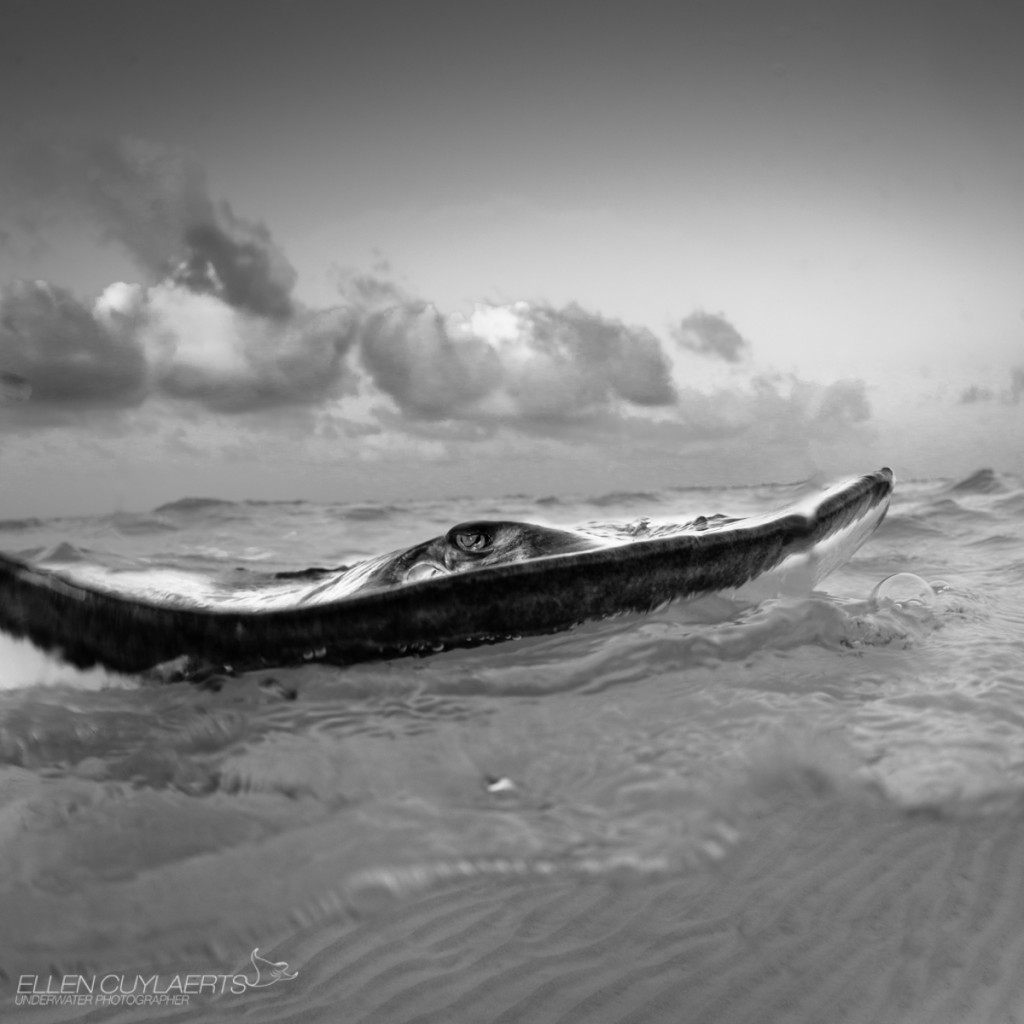
"My absolute highlight is the situation I am in right now. Thanks to my images and contests I placed in, my voice in education and conservation got louder."
Sandbar, Stingray, Cayman Islands: “My absolute highlight is the situation I am in right now. Thanks to my images and the contests I placed in, my voice in education and conservation got louder.”

…And the low point?
I guess I’ll never get used to online bullying and backstabbing, which of course you find in every sector. I’ll try to stay away from all the drama and focus on the positive, but I have to admit it sometimes gets to me.

Where is your favourite dive destination?
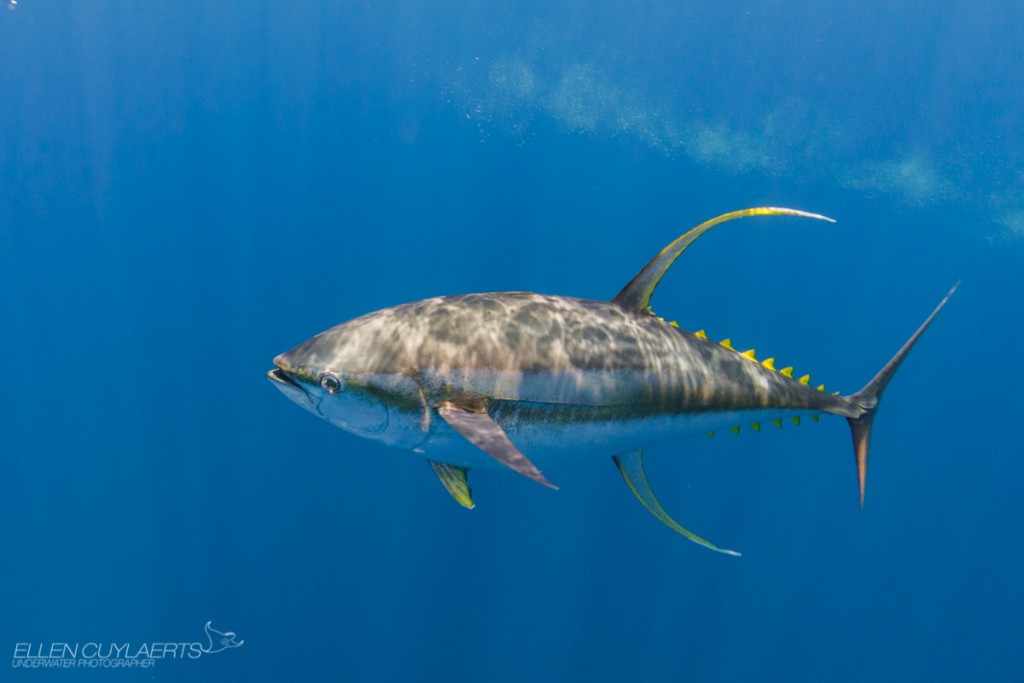
My absolute favourite dive destination… has become the “snorkel zone”. Since a Type II DCI in 2013 and following health problems, most of my water moments these days are at the surface, snorkelling with big animals in tropical waters or in the Arctic. My latest trips brought me to Ascension Island, where I swam with dozens of Galápagos sharks surrounded by black durgons, where mature yellowfin tuna came close enough to get a good shot while a
female dolphin showed me her calf and a male green turtle checked out if my guide was a female (he wore a green suit)… but I truly enjoy the cold water too, moderate UK water (seals in Farne Islands) to freezing cold, harp seals in the Gulf of St. Lawrence.

My choice of destination depends on the marine life and their status. If they can use more attention conservation- or education-wise, I’m in [the water].

The site you’d most like to dive, but never have or never will?
Since I don’t really dive anymore (and if I do it’s very shallow and easy), this could be a long list. But I like to concentrate on what I can still do and what I can achieve in the minds and hearts of people through my images.

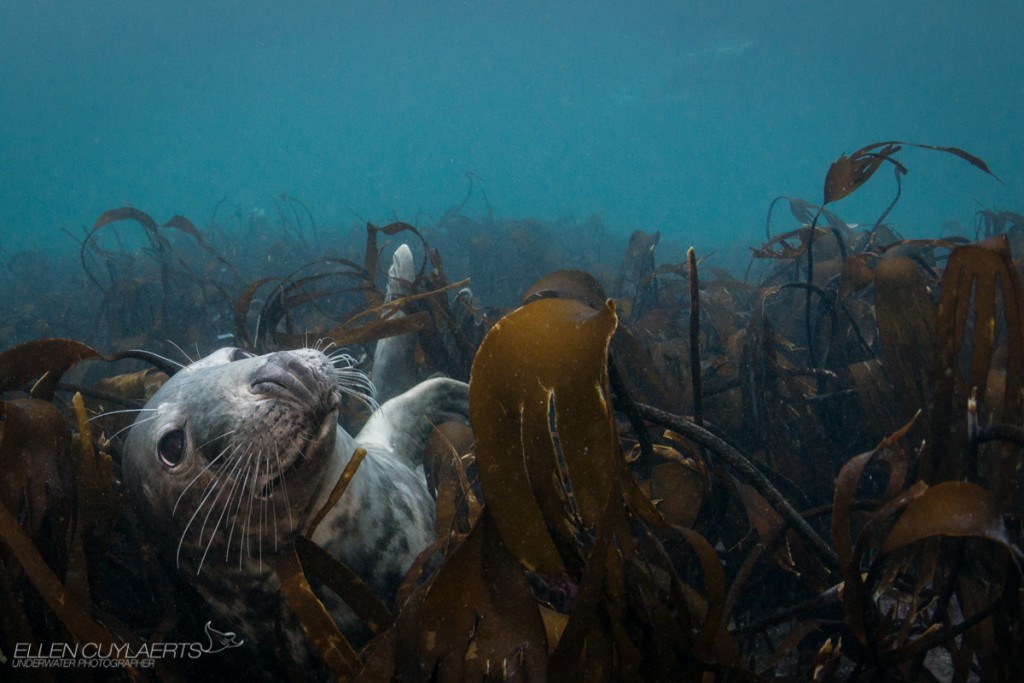
"I truly enjoy the cold water too, moderate UK water (seals in Farne Islands) to freezing cold, Harp seals in the Gulf of St. Lawrence."
Daydream, Grey Seal, Farne Islands: “I truly enjoy the cold water too, moderate UK water (seals in Farne Islands) to freezing cold, harp seals in the Gulf of St. Lawrence.”
"...Mature yellowfin tuna came close enough to get a good shot."
Swirl: “In the Galápagos, mature yellowfin tuna came close enough to get a good shot.”

Is there any particular shot that you still want to get?
Oh yes, a shot of a huge baitball with predators inside and around, taken from the outside and from the inside. Ideally, I would like to have that baitball around for days! So I could work the shot and be creative.

"Until now [Ascension Island] has not disappointed me: mating turtles, lots of sharks, dolphins, tuna, sailfish, amazing bird life & challenging hikes."
Holding On, Mating Green Turtles: “Until now [Ascension Island] has not disappointed me: mating turtles, lots of sharks, dolphins, tuna, sailfish, amazing bird life and challenging hikes.”
Any upcoming photography projects?
Since January I have travelled a few times to Ascension Island, a volcanic gem in the middle of the South Atlantic. It’s known as a fishermen’s paradise but regardless of its remote location, it also faces the challenges of longliners and trophy hunting (sport- and spearfishing records). To offer something different I now co-own a business there to offer an alternative to on-water and in-water experiences. Snorkelling, photography, tours around the island, catch-tag-and-release of fish, and so on. We also want to introduce the school kids to the water. The more they appreciate the oceans and all its life, the better ambassadors they’ll be. Lots of scouting to be done there in the near future. Until now the destination has not disappointed me: mating turtles, lots of sharks, dolphins, tuna, sailfish, amazing bird life and challenging hikes. Very curious what my next trip will reveal.

Aggressor Liveaboards is the preferred liveaboard of Asian Diver magazine. You can find out more about their liveaboard stays for on your next adventures on their website Aggressor Liveaboards. Their contact information is listed below:

Aggressor Adventures
209 Hudson Trace
Augusta, GA 30907 USA

Nauticam Unveils Housing for Nikon D500

0
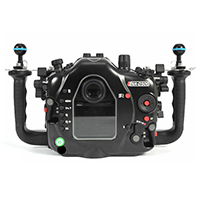
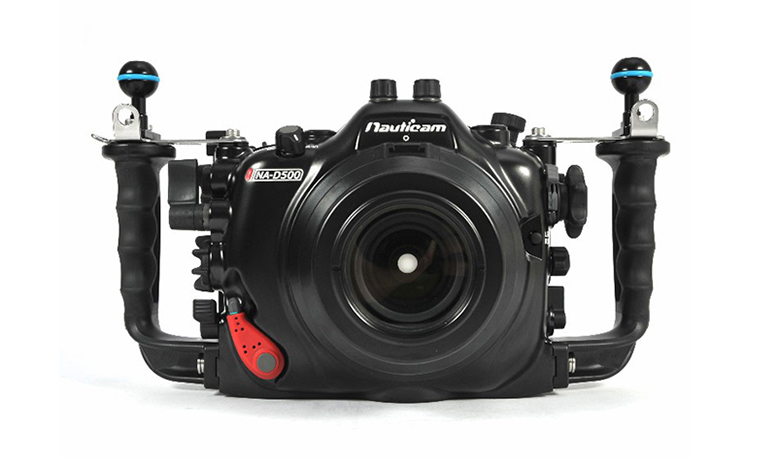
Nauticam’s new housing for the D500, Nikon’s flagship APS-C format DSLR

Nauticam has announced its new housing for the newly-released Nikon D500. The highly-anticipated enthusiast camera, the Japanese company’s flagship DSLR with an APS-C format sensor, is packed with many of the pro-level features found on the much more expensive full-frame D5. These include 20.7-megapixel resolution, high-speed autofocus with 153 focus points, 10fps continuous shooting (with autofocus), and 4K video at 30fps.

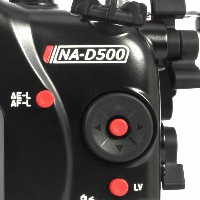
The NA-D500 housing is designed to get the most out of the D500 underwater, and boasts the full range of features packed into Nauticam’s high-end DSLR housings. A new LED flash trigger comes as standard and connects via the hotshoe, allowing users to capitalise fully on the camera’s blazingly fast burst mode. An optional TTL converter can be installed that facilitates through-the-lens functionality with strobes such as the Sea & Sea YS-D2 and Inon Z-240. A forthcoming TTL converter will provide additional compatibility with the Sea & Sea YS-250 and Ikelite’s DS-series strobes.

Other standard features of the housing include integrated vacuum monitoring and leak detection, Nauticam’s patented port locking system, a vacuum reset button, and a multi-controller pad. An extensive range of viewfinders, ports, and zoom gears is available for the housing.

The NA-D500 is priced at $3,500 and is available now.


Press Release

Introducing NA-D500
A New Era of DX Format Performance
Nauticam NA-D500, Model Number 17220

Nauticam is pleased to unveil NA-D500, the latest release in the world’s finest line of underwater camera housings. Nauticam is the market leader in ergonomics, build quality, and reliability.  Built on a foundation of innovative product design and modern manufacturing technology, NA-D500 is the ultimate accessory for the exciting new Nikon D500 camera. And it’s available now…
02-Nauticam-Nikon-D500

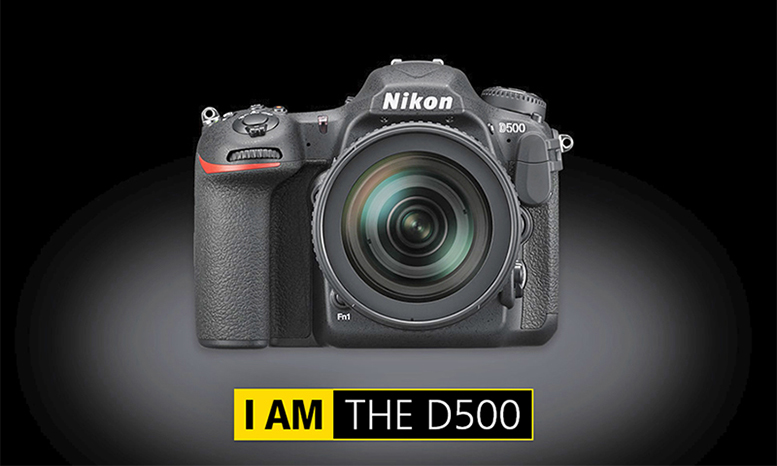
The Nikon D500

The new Nikon D500 may be a reboot of the popular segment last featuring D300s six years ago.  It could be the D400 that never came, or it might be an entirely new product segment. Regardless of classification, there has never been a Nikon DX camera with this level of autofocus and continuous shooting performance before, and D500 provides a compelling alternative to pro bodies for fast action capture in remote environments.

The D500 features autofocus speed, continuous shooting speed, and a deep buffer unlike any DX body to come before it. It uses the same Multi-CAM 20K  focus system as the professional D5, with 153 focus points (99 cross-type sensors). D500 has more cross-type focus points than the previous pro body D4s had total focus points, and they are spread wider across the frame.  In fact, they are spread right to the edges. The difference between D500 and previous APS-C systems is even more striking; both the Nikon D300s and D7200 feature a total of 51 focus points (15 cross-type). The D500 a shooting experience can really only be compared to pro cameras, but in a compact body size and attractive price point.  Pro performance for the masses!

The D500 also introduces a new, 180k pixel RGB metering sensor.  This metering sensor drives the advanced Nikon exposure system, and is also used to provide scene data for 3D focus tracking, improving accuracy.  The autofocus system in the D4s was already one of the best available, and the improvements offered by D500 will elevate performance even further in a body at 1/3 the price!  

The 10 fps continuous shooting speed (with AF) and a 200 shot RAW buffer (using XQD cards) keeps up with the fastest action.  This is an incredible increase in continuous shooting capability.  The D7200 camera can only buffer 17 14-bit Raw frames, and the Canon 7D Mark II can only buffer 31.

The D500 viewfinder is the largest Nikon has ever featured on an APS-C camera, with 1.0x magnification and 100% coverage.  The EN-EL15 battery is capable of 1,240 shots per charge (according to the CIPA rating). The camera can record 4k video at 30 frames per second, and is weather sealed for use in extreme environments.

The Nikon D500 is an extremely important camera for underwater photographers, and one of the most exciting Nikon product releases in years.  The APS-C format has distinct advantages in available underwater optics and travel size, and the D500 will no doubt produce amazing image sequences in fast action, fast moving situations.

Nikon D500 Key Features:

  • 20.7 MP APS-C (DX Format) sensor
  • 153 point AF module with 99 cross-type points
  • 180,000 pixel RGB sensor for metering and subject recognition
  • AF point joystick
  • 10 fps shooting for up to 200 shots (lossless compressed 14-bit Raw to XQD card)
  • 4K (UHD) video from 1.5x crop of sensor
  • 100% coverage viewfinder with 1.0x magnification
  • 2.36m dot tilt up/down touchscreen
  • Wi-Fi and Bluetooth connectivity with NFC for setup
  • Mic and headphone sockets
  • USB 3.0 connector

The Nauticam NA-D500 Underwater Housing

Nauticam housings are evolutionary marvels, with advancements from previous sixteen Nauticam for Nikon systems providing the foundation that this new model was built from.  Customer feedback is integrated at every possible opportunity. The cumulative experience of the Nauticam user base provides constant inspiration for innovation, and is a key strength of the brand.

The new Nauticam NA-D500 housing further enhances the market leading Nauticam ergonomic experience with improved control placement, a new more sophisticated flash triggering system (with optional TTL upgrade), and reduced size / weight thanks to cutting edge manufacturing processes.

03-Nauticam-Nikon-D500External Flash Triggering

The entire external flash triggering system has has been reworked from the ground up in NA-D500, increasing ease of use, setup convenience, and reliability.  A new LED flash triggering system is standard in every housing!

This optical flash trigger can fire at the full 10 fps of the camera, making it the ideal solution for the rapid fire fast action shooting that the D500 is so well suited for. Optical systems, with fiber optic cables linking the external flashes to the housing, are far more reliable than any electrical sync cable system.  There are no connections to flood, or fragile wires to break, and nearly every popular underwater strobe supports optical triggering.
04-Nauticam-Nikon-D500

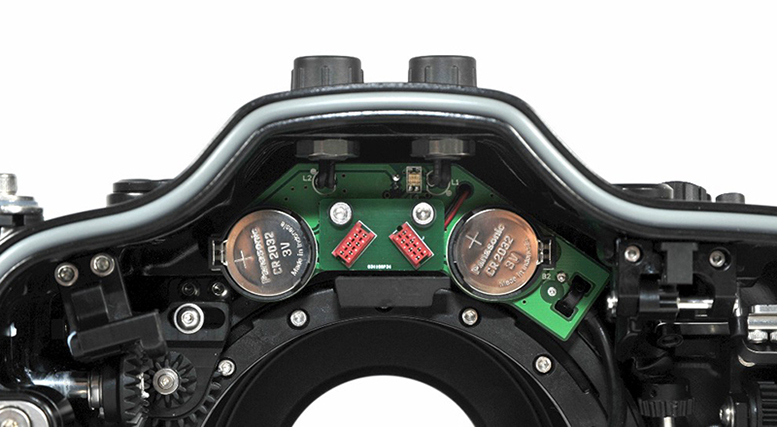
The LED trigger circuitboard is mounted directly to the front of the housing, and connected to the camera with a hotshoe cable.  This new system is more powerful than the hotshoe mounted LED triggers used in the past, and is compatible with all currently available optically triggered flashes!  Powered by two CR2032 batteries, battery life is measured in the tens of thousands of flashes, driven by incredibly efficient electronics.  With good batteries, we
expect 3-5 years of service, up to 50,000 exposures.

Users of legacy flashes without optical triggering are able to add accessory Nikonos (26074) or Ikelite (26075) style bulkheads for electrical flash sync.  These bulkheads plug into the LED trigger board for clean cable routing, and reliable connection.
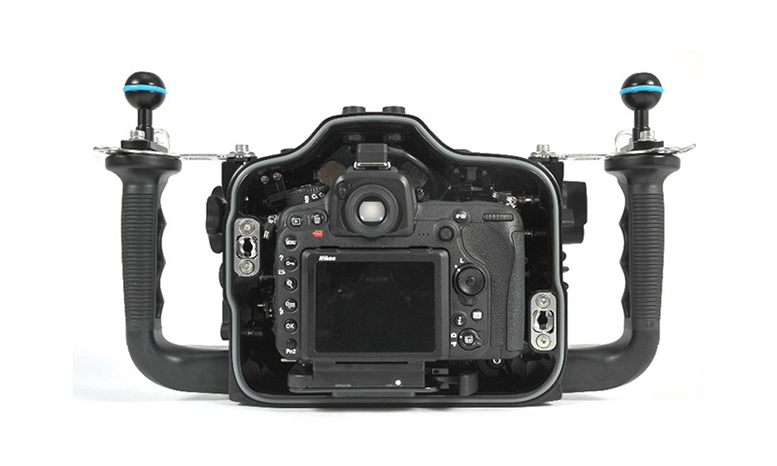
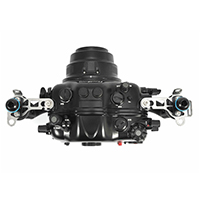
05-Nauticam-Nikon-D500The redesigned LED Flash Triggering System has allowed for a much lower housing height.  This the smallest, easiest to pack Nauticam DSLR housing for Nikon yet!

Accessory TTL Converter

NA-D500 will also be compatible with the new Nauticam TTL Converter!  This user installable upgrade provides accurate automatic TTL flash exposure with a number of popular flashes, and offers both optical and electrical strobe triggering in a single unit!

Optical triggering, using an led integrated into the board and fiber optic cable, works well with modern flashes like Inon Z-240, Sea & Sea YS-D2, and more.  Electrical triggering supports Ikelite DS- and Sea & Sea YS-250 strobes connected via an electrical sync cord.

Accurate automatic TTL flash exposure has been a favorite feature of Nauticam photographers using cameras with pop up flashes, and we are excited to bring this advanced flash control functionality to the NA-D500 housing!

  • TTL Converter for NA-D5 and D500, Sea & Sea YS-D and Inon Series Strobes (26307)
  • TTL Converter for Ikelite DS- Strobes, Sea & Sea YS-250 Available Soon

Unmatched Ergonomics

06-Nauticam-Nikon-D500

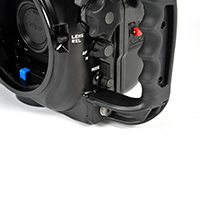
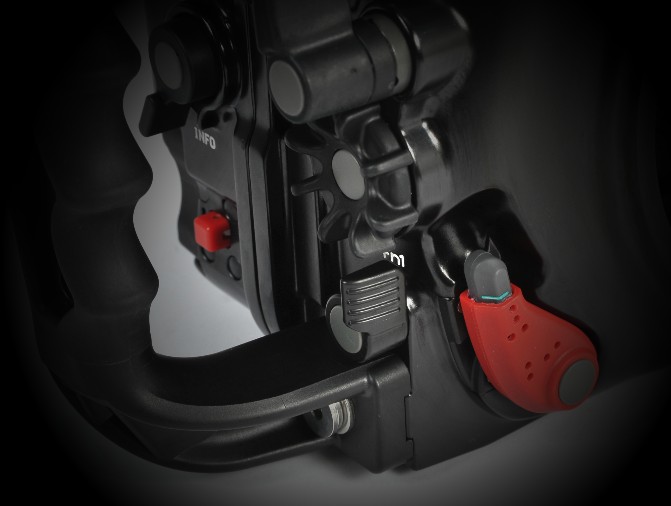
The right grip is mission control for the D500 camera, accessing many of the frequently used camera functions.  Oversized levers are identifiable by feel, allowing tactile operation while framing with the optical viewfinder.  The most frequently accessed fingertip controls (Shutter Release, Main Command Dial, and Sub Command Dial, Video Record, and AF-ON) are located here. ISO, the primary exposure control used by DSLR video shooters,  is accessed by a convenient thumb lever under the right grip.  INFO, useful for calling up the camera settings on the 3.2″ rear color LCD, is placed at the right thumb.
07-Nauticam-Nikon-D500

A “pinky lever”, placed just under the front sub-command dial, accesses the Fn1 button.  This can be linked to a number of assignable functions.

08-Nauticam-Nikon-D500

The new AF-Mode Lever is a significant improvement, and one based on feedback from Nauticam customers in the field.  Nikon AF Area modes have become so powerful that shooters are regularly switching between 3D Tracking, Auto Area AF, and Single Area modes.  The AF-Mode lever is now easily located by feel from the left handle!  A separate AF-M lever is positioned above this lever, and identifiable by feel.

A double thumb lever accesses playback and the assignable Fn2 Button. 

Extensive Customization for a Tailored Ergonomic Experience

The Nikon D500 camera in a Nauticam NA-D500 housing offers three assignable pushbuttons (AF-ON, Fn1, and Fn2) that can all be accessed from the housing handles. 

These custom functions can be overwhelming at first, but the creative options they unlock can be incredibly valuable in the field.  In short, these assignable buttons mean less time digging through camera menus to change camera functions, and more time capturing the scene as it unfolds.  There isn’t a right way configure these systems.  Every photographer and shooting scenario has unique demands.  Some ideas are listed below:

  • 1 Step Spd / Aperture, allows changing exposure settings in full f-stop increments.  Think about changing from a wide angle scenic mode with relatively open aperture and slow shutter speed to a close focus wide angle shot that requires a closed aperture to shrink a sun-ball.
  • My Menu, a customized panel with frequently accessed menus settings
  • Access Top Item in MY MENU, actually jumps into a frequently accessed sub menu structure for the top level My Menu selection, saving at least two button presses.  (ie min shutter speed in auto iso mode, or quickly define a preset white balance)
  • Quickly access another metering mode, toggling between the selected metering pattern and an alternate that more appropriately evaluates the current scene.
  • Flash disable / enable, this is a big one!  Toggles external flashes on and off, allowing a switch between artificial light shooting (continuous shooting speed limited by flash recycle, and shutter speed limited by the strobe max sync speed at 1/250) to silhouette mode using only ambient light (full 12 fps continuous shooting speed, unrestricted flash sync speed). 
  • AF-area mode + AF-ON – very cool functionality, for a quick way of accessing a focus mode other than the mode currently assigned and activating it while held down.  Placed at the right thumb via the re-positioned PV lever, the current focus mode be overridden with something like auto area focus for quick grab shots where there isn’t time to move the selected autofocus point, or change focus area patterns.

Nikon DX Underwater Advantages

Smaller rig, lenses, smaller domes, and more money for dive trips. Full frame systems have been all the rage in recent years, but it is hard to ignore the benefits of the APS-C sized sensor in Nikon DX bodies for underwater photography.  DX lenses tend to be less expensive than their full frame counterparts, as do the smaller domes that they work well with.  This savings adds up, and the available lens selection is an extremely versatile one.

  • A fisheye that zooms! The Tokina 10-17 is the ultimate super wide field of view range, and full frame systems don’t have it.  The 10mm end, with 180 degree diagonal field of view, is the perfect angle for close focus wide angle subjects or big animals that are approachable.  The 17mm end covers more skittish subjects that won’t come close, or more portraits styles shots of medium and large subjects.
  • Super Wide Zooms. The full frame rigs require really big dome ports and expensive lenses, to cover this 110° range without fisheye distortion.  DX cameras, paired with the Nikon AF-S DX 10-24mm f/3.5-4.5G ED Zoom provide amazingly good overall sharpness and corner performance even in smaller 180mm dome ports.  This is a tremendous benefit for travel, as the smaller dome is much easier to pack, and significantly lower in weight.
  • Extra Macro Reach. Take the most macro magnification possible with a full frame system and a Nikon 60 or 105mm lens, then crop the center 2/3 of the frame.  That is the image framing that a DX camera grabs in camera!   Adding a Nauticam Super Macro Converter to the 105, or Compact Macro Converter to the AF-S 60 allows for incredible magnification.
  • Handy Mid-range Zooms
    .
    Several mid-range zoom lenses, most notably the Sigma 17-70 series, provide coverage for a wide variety of almost wide angle to closeup shooting scenarios. These lenses handle a range very similar to that covered by the built in zooms in the compact cameras that many underwater photographers cut their teeth on.

Key Features
09-Nauticam-Nikon-D500  

Patented Port Locking System

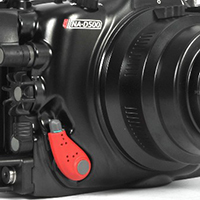
Unveiled on the very first Nauticam DSLR housing in 2009, this locking lever has become a signature of the Nauticam brand.  No twisting or threading action is required to mount a port,and it locks securely in place with this lever.  Nauticam also offers locking extension rings, meaning a dome will never twist, even when used with a long extension ring.

10-Nauticam-Nikon-D500  

Housing Locking Latches

The industry’s easiest to use housing closure system, requiring very little hand strength to close, secures the housing back in place. The latches are safely locked, but easy to open for a quick battery or memory card change.

11-Nauticam-Nikon-D500


Multi Controller Pad

Located within easy reach of the right thumb, virtually recreates the Nikon D500 multi selector allowing full multidirectional use of this powerful too. No other manufacturer has it, and with 55 user selectable focus points to choose from, photographers need it.

12-Nauticam-Nikon-D500  

Integrated Vacuum Monitoring and Leak Detection

Circuitry included as standard equipment provides constant monitoring of water tight integrity when combined with an optional Nauticam M16 Vacuum Valve II (PN 25625).

13-Nauticam-Nikon-D500  

Vacuum Reset Button in Port Mount

A simple vacuum reset pushbutton placed in the port mount allows the vacuum system to be calibrated and initialized from the housing front.  Ideal for quick lens swaps!

14-Nauticam-Nikon-D500


Stainless Steel Handle Brackets

Stiffening handle brackets are included with the housing.  These brackets eliminate any flex or wobble when using big strobes, and provide multiple attachment points for lanyards, a hand strap, and other accessories.

15-Nauticam-Nikon-D500  

Ergonomic Rubberized Grips

Another legendary Nauticam feature, these rubberized grips have been used every Nauticam DSLR housing release, and are some of the most comfortable in the business.

16-Nauticam-Nikon-D500  

Clear Control Labeling

All camera controls are clearly labeled, allowing easy identification.

Integrated Vacuum Check and Leak Detection System

The Nauticam vacuum check and leak detection system is shipped with NA-D500 as standard equipment.  Combined with an accessory vacuum valve (PN 25625), this monitoring system provides constant updates on the water tight and safe-to-dive status of the housing.  A simple color coded LED lighting system lets the user know that the vacuum is solid, or that the housing is losing vacuum. Leak detection is built into the same circuit, so if there is water intrusion, an audible and visual indication will occur. 

The Nauticam system is temperature compensated, eliminating false alarms caused by a change in outside temperature, or from a camera heating up on an action packed dive.

Ease of Use

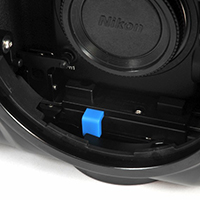
No system is easier to assemble or break down.  The camera drops into the housing with a quick release camera tray.  The camera tray has an extending bracket that allows the AF-M selector to be easily positioned to match the camera.  No controls need to be preset, as housing functions for dials and switches align automatically (on/off, af-m, still photo/video).   The large 120mm housing port opening allows even the largest popular pro Nikon wide angle lens (14-24 /2.8G) to be used, and the camera can even be mounted in the housing with this large lens attached.

Viewfinders

The standard optical glass viewfinder is very good and travel friendly, but many photographers prefer the ease of a magnified viewfinder with adjustable diopter. Nauticam produces a “straight” 180º enlarging viewfinder and a 45º angled enlarging viewfinder to enhance the ease of close quarters work often associated with macro shooting. Both viewfinders have high quality optics, and allow bright viewing of the entire image. A patented external dioptric adjustment allows personal adjustment to a sharp-as-a-tack standard underwater and viewfinder changes can be executed in less than 30 seconds without using tools. Exceptional composition and focus accuracy have never been more accessible. 

Premium Professional Optics

Experienced shooters know a camera is only as good as the lens in front of it, and the same is true when choosing optics for an underwater camera
system.  Four optically coated glass dome ports (250mm, 230mm, 180mm, and 140mm diameters) and a series of acrylic ports support popular lenses from Nikon, Sigma, and Tokina. Port configurations are extensively tested at Nauticam to determine the ideal extension ring length for best performance.

For macro and super macro shooting, the Nauticam Super Macro Converter is a revolutionary accessory. This is an entirely in house design, optimized for use in water.  The water contact correction offers the highest overall sharpness, free from chromatic aberration and purple fringing, with reproduction ratios exceeding 2:1 when used with a Nikon AF-S 105mm /2.8 VR Lens.
17-Nauticam-Nikon-D500Build Quality

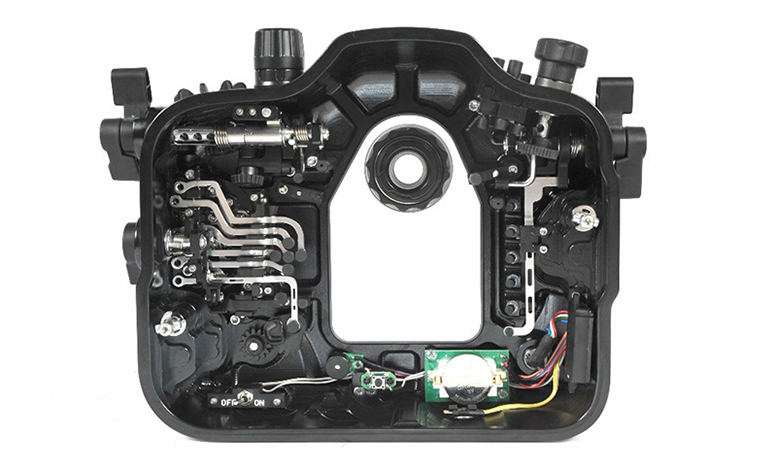
Nauticam build quality is simply unmatched, using cutting edge product design and modern, innovative manufacturing techniques that result in service-free reliability. A bit like a fine Swiss time piece, the complexity under the hood results in a trouble free user experience that just works, and keeps working for years to come.

Recommended Accessories

Magnifying Viewfinders

  • 180º Enhancing Viewfinder (32201)
  • 45º Enhancing Viewfinder (32203)

Optical and Electrical TTL Converter

  • TTL Converter for NA-D5 and D500, Sea & Sea YS-D and Inon Series Strobes (26307)
  • M14 Nikonos 5-pin Bulkhead II with Red Micro-Match Connector (26074) 
  • M14 Ikelite Style Bulkhead II with Red Micro-Match Connector (26075)

Other Accessories

  • Patent Pending Super Macro Converter (81201), providing 2.3:1 reproduction ration with the popular AF-S 105mm /2.8G VR Macro Lens
  • M16 Vacuum Valve (25625)
  • Complete line of flat and dome ports for all major lenses, available in acrylic and glass
  • Locking port extension rings from 10mm to 90mm
  • Monitor/Recorder Housing for Atomos Ninja2 (17902) or Shogun (17904)
  • Monitor Housing for SmallHD 502 Monitor (17906)
  • Fiber optic cables for Inon (26211) and Sea&Sea (26212)
  • Full line of mounting accessories for lighting, including mount balls, strobe adapters, arms, clamps, and specialty items
  • Multiple styles of lanyards
  • Lens holders, including flip-up 
  • Focus and Zoom gears for many Nikon, Tokina, and Sigma lenses
  • Port Adapters for Aquatica, Hugyfot, Ikelite, Inon, Nexus M5 & M6, Sea & Sea NX, Seacam, Subal Version 3 & 4, and Zillion
  • Handle accessories including smaller handles, handle extensions for cold water diving
  • Spare Housing O-Ring (90134)

Details and Specifications

Depth Rating: 100m
Weight: 3.02 kg
Dimensions: 354mm x 188mm x 134mm (W x H x D)

Model Number: 17220
USA Retail Price: $3500
Availble Now

More information is available from Nauticam at: www.nauticam.com

Leap into the Seahorse Edition of Asian Diver’s Big Blue Book!

0
Hippocampus barbouri (Barbour's seahorse) is found in Indonesia, Malaysia and Philippines. © Matthew Smith

Even though we are now looking forward to ADEX 2017, we are still riding high on all things seahorse here at Asian Diver!

The Big Blue Book is still on the shelves and it’s crammed with everything you could want to know about these amazing and unlikely little creatures.

Spotlight on the Seahorse

For some of the world’s most stunning images of seahorses, this must-keep edition is where it’s at. Revealing the strange beauty of these little fish, as well as the places to find every single species, let both your left and right brain be dazzled at the same time!

Dos and Don’ts: Seahorse Safe Scuba

World expert Neil Garrick-Maidment from The Seahorse Trust shows us how to have magical seahorse encounters that don’t end up killing these fragile objects of our affection.

"As divers, we have a duty to the species we go to see in their underwater realm and this duty is particularly important with seahorses." © Neil Garrick-Maidment
“As divers, we have a duty to the species we go to see in their underwater realm and this duty is particularly important with seahorses.” © Neil Garrick-Maidment

Discovering Species

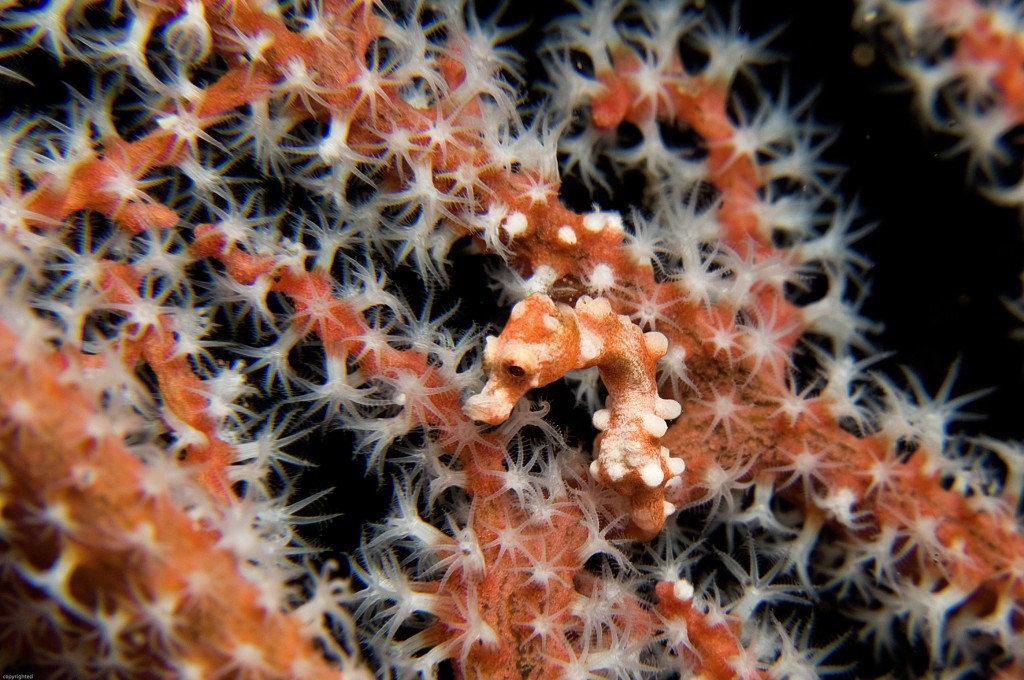
Learn about what it means to find and name seahorse species from the woman who literally wrote the book on them. Dr Sara Lourie takes you behind the science and presents the descriptions of every species of seahorse in the world to help you with your seahorse ID!

Denise's pygmy seahorse (H. denise) © Guylian Seahorses of the World
Denise’s pygmy seahorse (H. denise) © Guylian Seahorses of the World

A Family Story

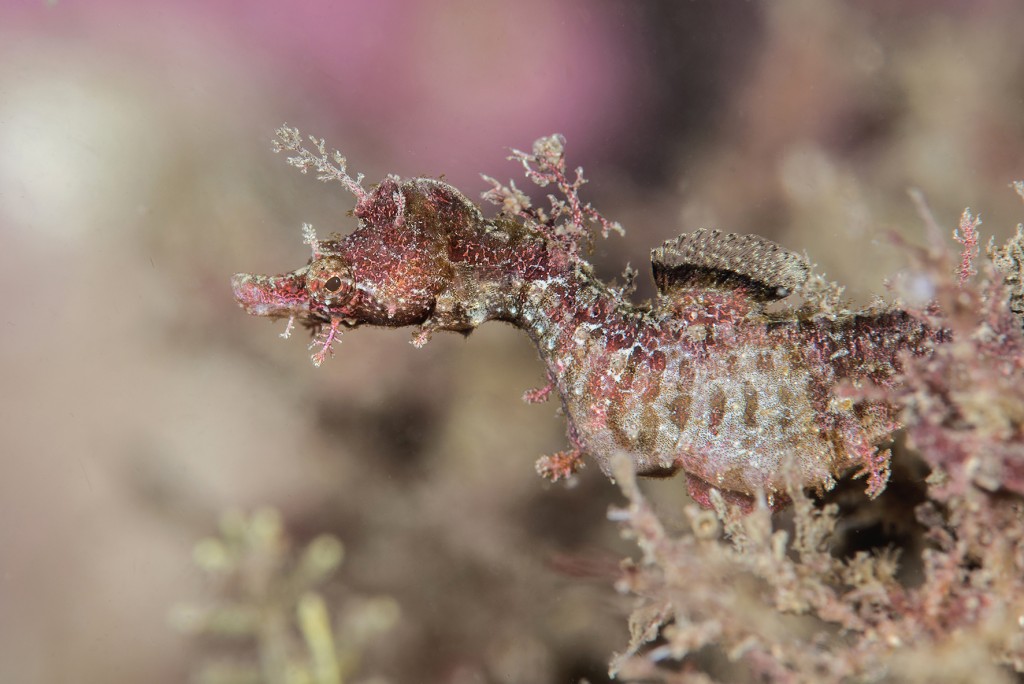
The seahorse is part of a rather exceptional family, the sygnanthids! Including seadragons, pipefish, and pipehorses (yes, really!), this is a diverse, outlandish and charismatic group of fish. With infidelity, male pregnancies, pair bonding and amazing camouflage, Dr Richard Smith shows us just how fascinating these cousins of the “fused jaw” really are!

The Sydney pipehorse, Idiotropiscis lumnitzeri, is just one of the seahorse's many extraordinary cousins. © Dr Richard Smith
The Sydney pipehorse, Idiotropiscis lumnitzeri, is just one of the seahorse’s many extraordinary cousins. © Dr Richard Smith

Asian Diver’s Big Blue Book is out now!

Get your hands on SDAA’s “Tiny Islands” issue today!

0
© Daniel Bothelo

They say no man is an island, but we’ll bet most of us (men and women!) dream about running away to one! When you go to your happy place, is it a palm-laced beach disappearing into a cool expanse of ocean? Ours is!

Time to find the real-life version of your day-dream destination, and Scuba Diver AUSTRALSASIA has some of the best options at your fingertips.

But it’s also crammed with so much more from the underwater world to entice your inner diver…

#scuba101

Ask the Experts

You know all those seemingly stupid questions you’ve always had running through your head but were too afraid to ask? Well fret no more, we are tackling them for you.

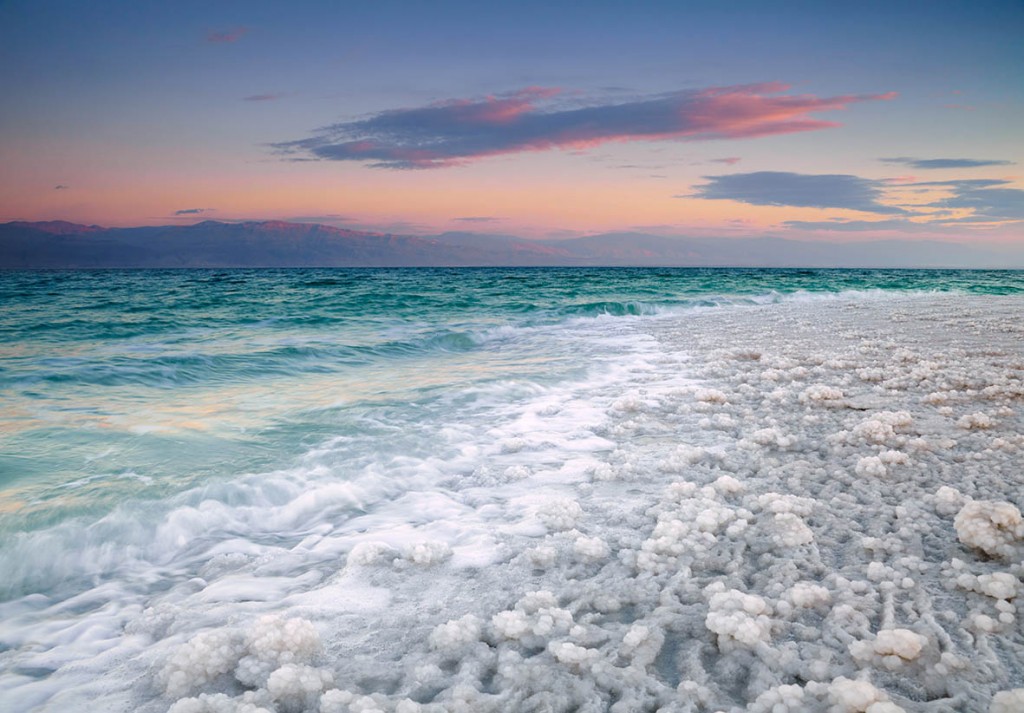
Ever wondered exactly how salty the ocean really is? Well… the answer might surprise you!

This might seem like a spoiler, but it really isn’t… Did you know that the oceans are so vast, and contain so much salt that it has been estimated that if all of it could be removed it would cover every piece of land on earth with a layer as deep as a 40-storey building?

17608840_xxl

First TimersFish

If you’ve never tried drift diving, this is the issue issue for you. Discover that the fish hold the keys to your comfort, why your buoyancy matters even more when you’re whizzing over a reef flat, and how drift diving is as close to becoming Superman as you’re ever likely to get…

#gear

Get your dose of covet-worthy kit with the latest and technology that will get you underwater!

Scuba Diver AUSTRALASIA is OUT NOW! Grab your copy HERE