Home Blog Page 34

Inching Towards A Clean Slate

0
Ocean Clean-Up at Lazarus Island

Text: Jasmine Tee
Photo credit: Aaron Wong

Diving trips conjure up images of the vivid blue, beautiful corals, exotic fishes, and myriad species. But something else lurks beneath, something vastly important: Pollution. By living and working in such a pristine city, the Singaporean government has maintained and controlled pollution at all costs. As such, the pollution of our local waters is not something that crosses our minds every day. One possible reason could be because we cannot visualise the problem because it’s underwater. I guess one could use the phrase, “out of sight, out of mind”, in this context. So, instead of behaving like an ostrich, when Ying Kai from The Submersibles asked whether I was keen to join them for an ocean clean-up at Lazarus Island, I was all in. 


A little background about my diving experience: I am an Advanced Open Water diver and have been diving for slightly over four years. I have clocked approximately 40 dives (just a ballpark figure since I have not been diligently logging my dives up until when I stumbled upon 150Bar, a dive log mobile app that serves its purpose well by helping me document my dives. It also provides data to marine researchers to track reef health). 


The majority of my dives have been at Tioman Island as I spend a little too much time at Paya Beach, but never actually in Singapore. It is no secret that when it comes to our local waters, only when the stars are aligned are you able to see your fins, enjoy some semblance of life form (think nudibranchs) and not get dragged away by the current. Being an amateur, I was a little apprehensive during the days leading up to the clean-up. On the day of the clean-up, I was still afraid, hoping that I wouldn’t be a liability and ruin the trip for others.


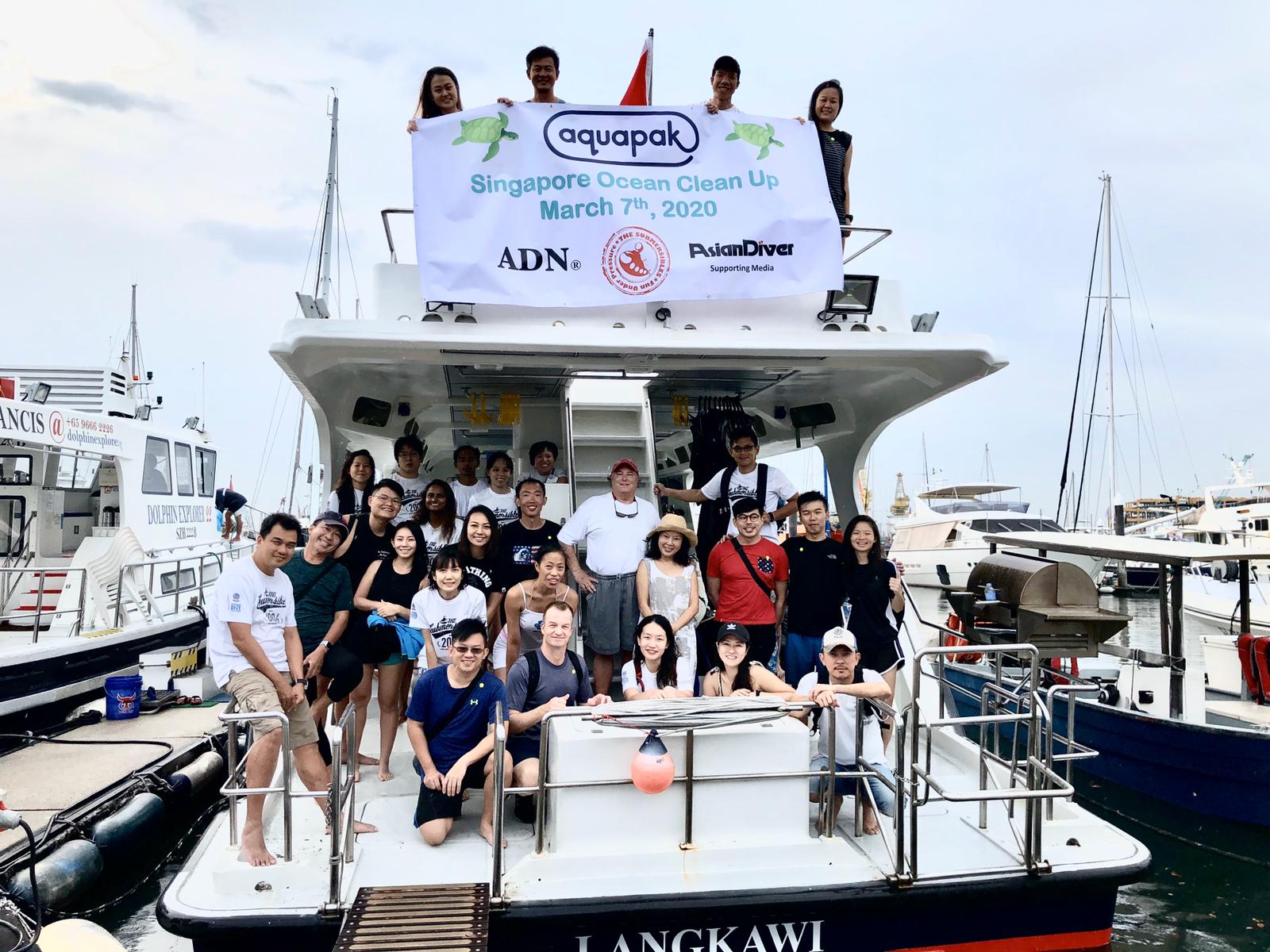
When I went aboard the Dolphin Explorer at the Republic of Singapore Yacht Club with 30 other dedicated individuals, including ADEX Ocean Citizen Ambassador Aaron Wong, I had the opportunity to have a chat with the sponsor of the trip, Mr. Todd Rosin, Managing Director of Asia Development Network who represents AQUAPAK, a manufacturer of non-toxic, marine-safe, water-soluble polymers that can be used to create packaging products and address the problem of single-use plastic. 
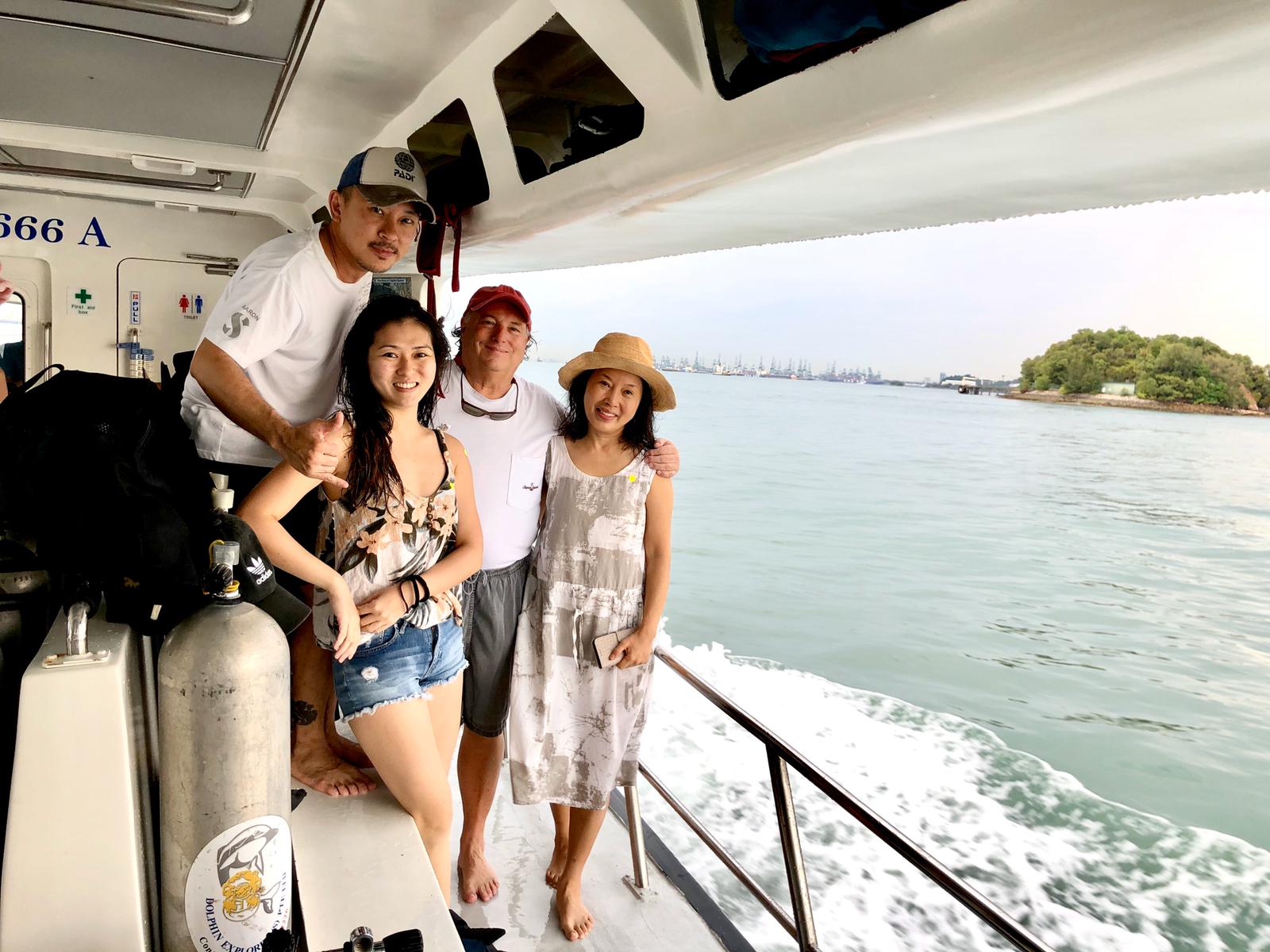


When asked why AQUAPAK decided to sponsor this ocean clean-up, Todd enthusiastically shared that AQUAPAK has been actively involved in many environmental and sustainable projects around the world. And as an avid diver living in Singapore for the past 12 years, Todd says, “I have seen the state of the local waters deteriorate and I find joy in contributing to the transformation of Singapore’s waters into an ‘underwater garden’, vis-à-vis Singapore, commonly referred to as the ‘Garden City’.” It warms my heart knowing that there are companies like AQUAPAK seeking alternatives to help mitigate the plastic problem prevalent around the world. 


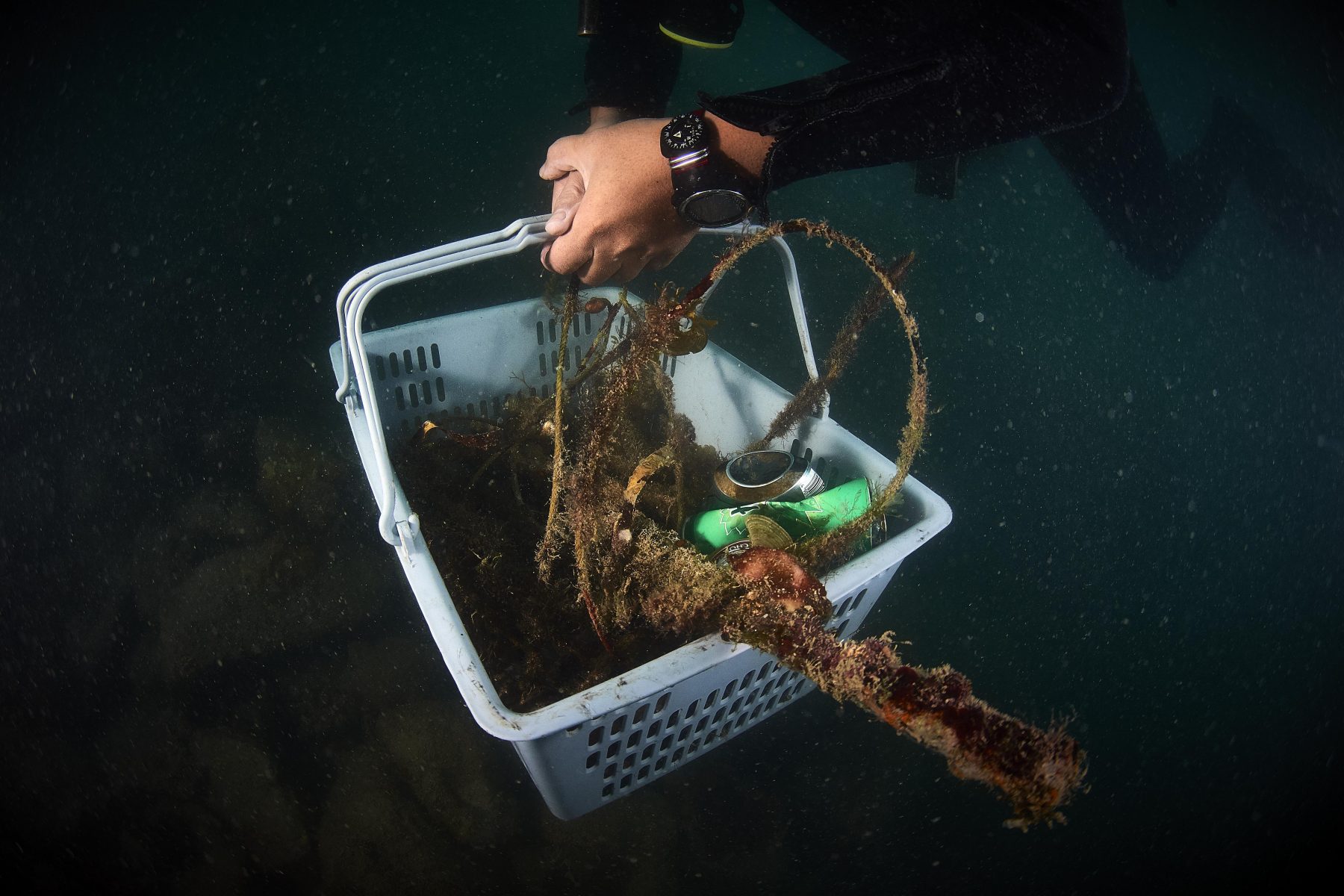
While preparing for our first dive, I was introduced to my two amazing dive guides, Denise and Zhao Bin. They shared with me what I could expect when underwater, and also provided clear instructions to ensure a safe dive for everyone. Both were extremely helpful and they did their best to cushion my fears. This was much appreciated, especially for someone who has never dived in Singapore waters. During the briefing, we were told to put on gloves and be careful when picking up trash which might have sharp edges and to be wise in making a calculated decision on whether to retrieve certain items. Safety is paramount, and we must look out for each other, especially in such murky waters. 


When we were all geared up and did the necessary buddy checks, my heart raced. It had been five months since my last dive and paranoia started to kick in: Are my lungs working the same way as they used to? Will I be able to equalize? Do I actually know how to maintain buoyancy? But I knew I had to do this – I came on this dive trip with the sole purpose of doing my part to tell this story to everyone; to share the conditions of our waters and get more people on board to help solve the pollution problem through the different ways they can. I quickly snapped out of it and inflated my BCD, put my regulator in my mouth, and said a silent prayer before taking a giant stride.


I was underwater.


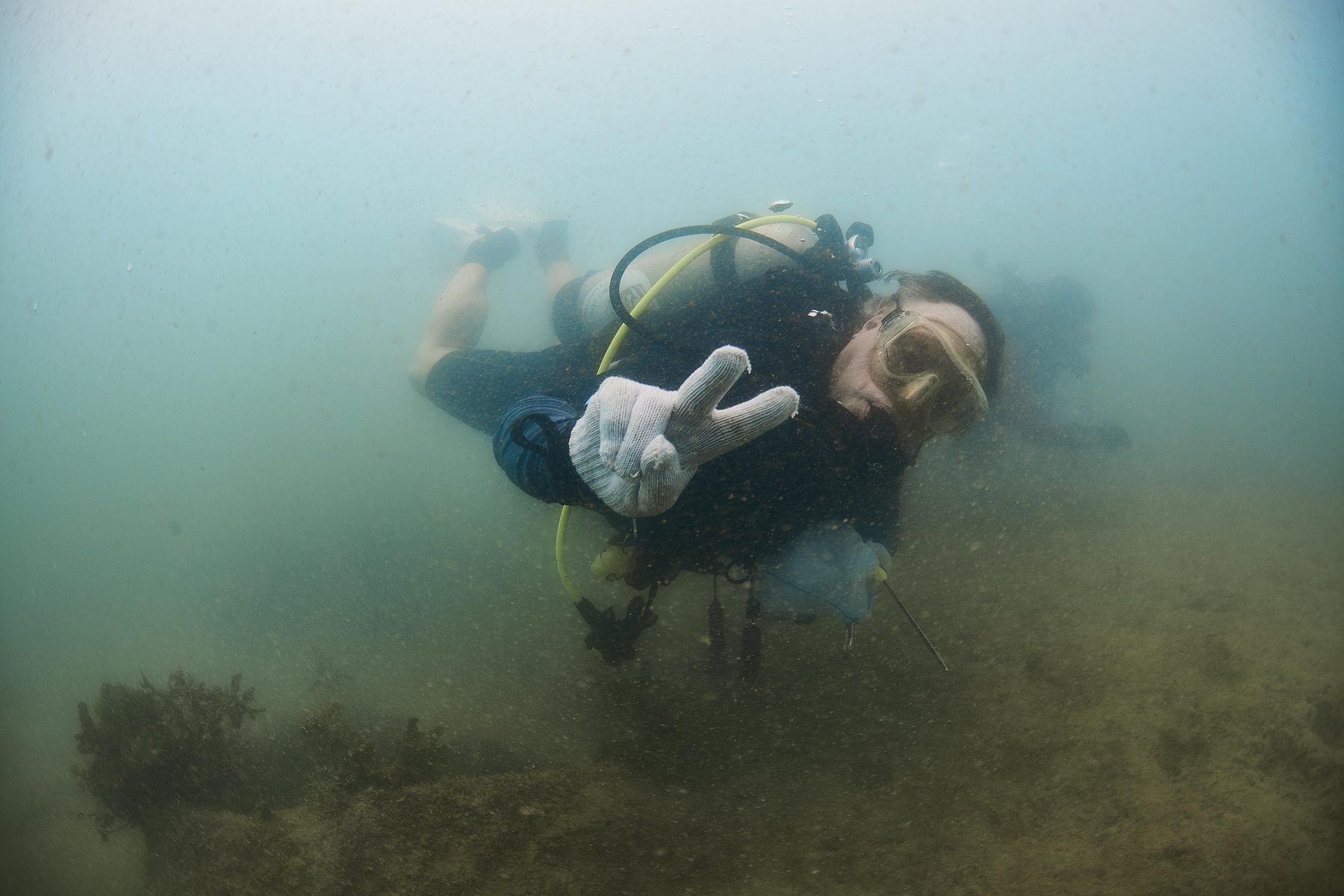
As we descended, I strained my eyes with every ounce of effort I could muster to ensure that Zhao Bin was in sight. The visibility was terrible and the current was pretty strong – everything they say about “diving in Singapore” was manifesting right before my eyes. It was extremely disorientating, and I was unable to make out how far I could see since there was no point of reference. 


It was just me in the water with many particles floating around. Those particles really played mind tricks on me. They would be floating in front of me but with so many of them, my eyes did not know which depth of field I should focus on, and everything became a blur. On those few occasions where I had mini panic attacks and lost control of my buoyancy, I landed on the sea bottom. The silt was extremely fine and soft. When I was in Greece, I thought I had touched the softest of sand, but this was a whole new experience with texture – I couldn’t hold it in my hands, it fell off in between my fingers, and because it was so fine, any slight current would stir it up and transport it elsewhere. 
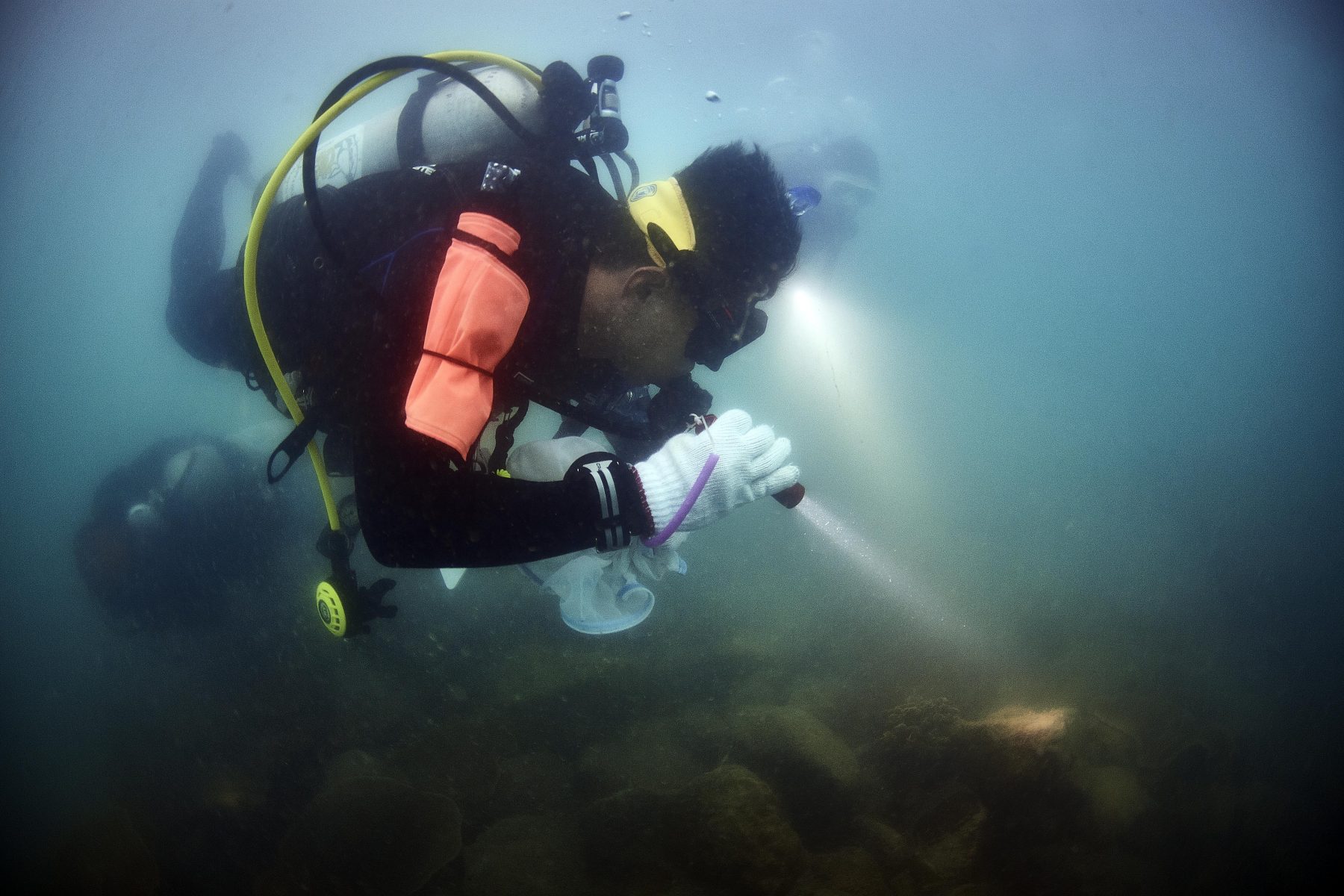


After soaking in all these new elements, I bit onto my mouthpiece a little harder, thanked the universe that I wasn’t claustrophobic, and made sure to follow Zhao Bin wherever he went.  

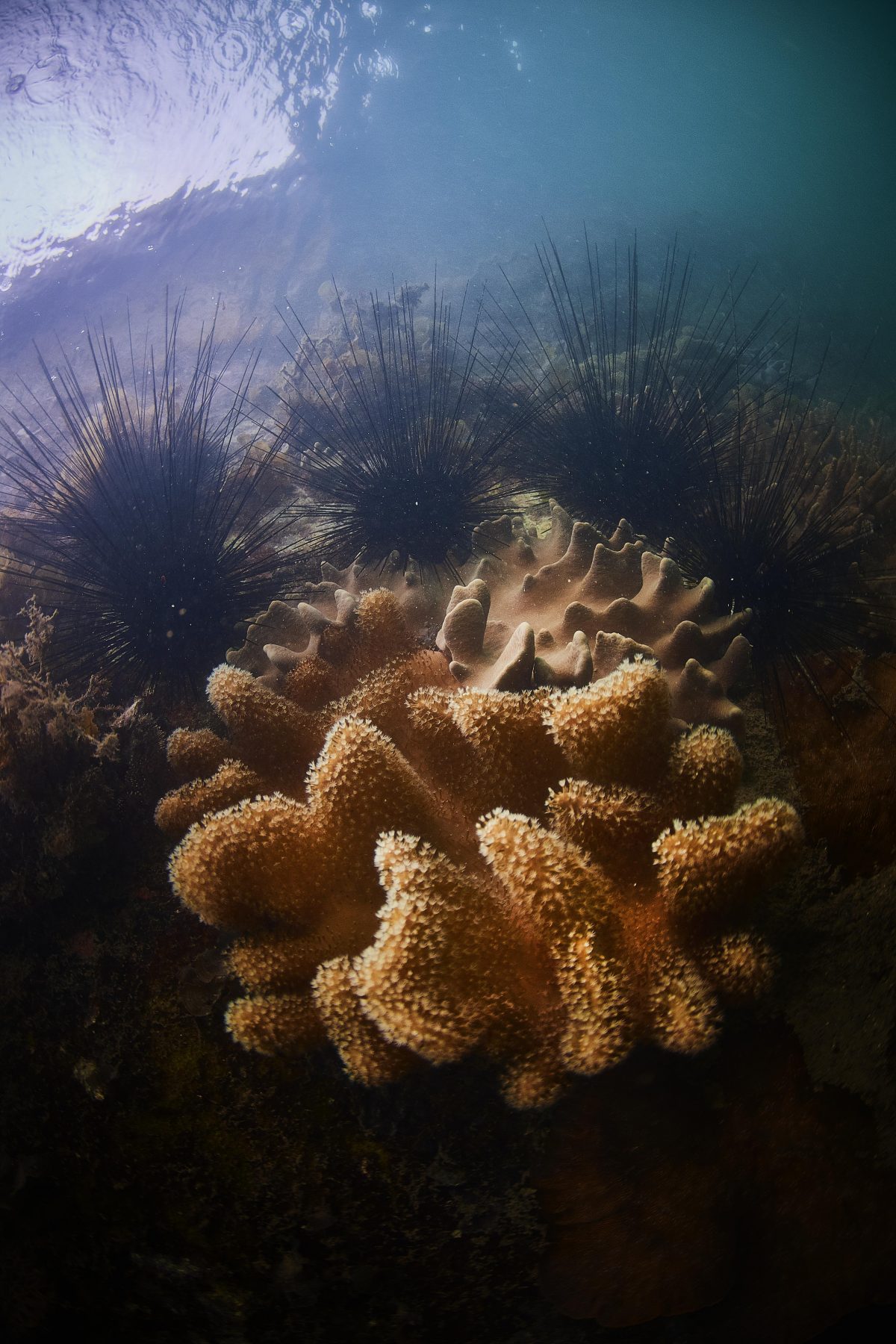
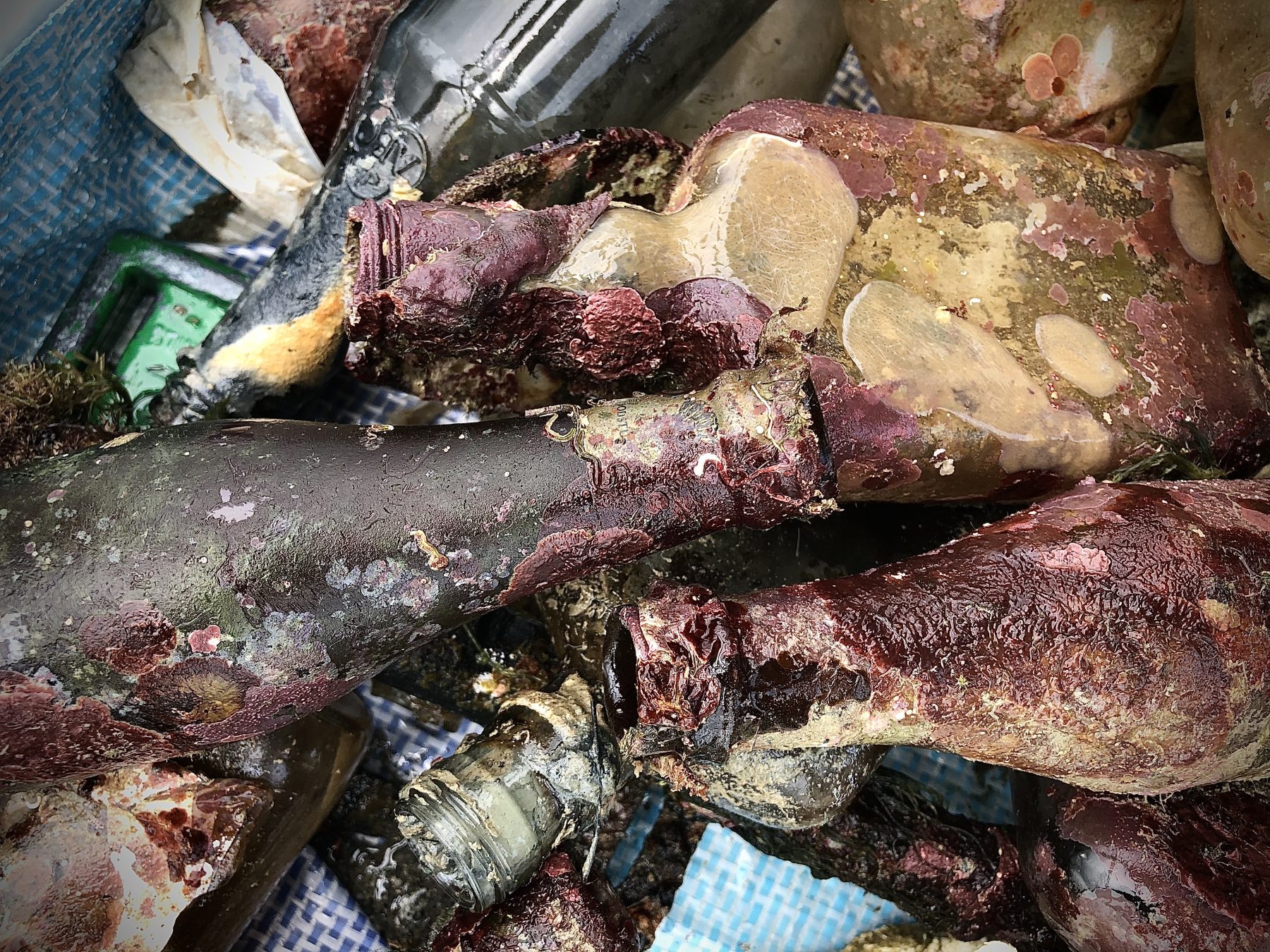
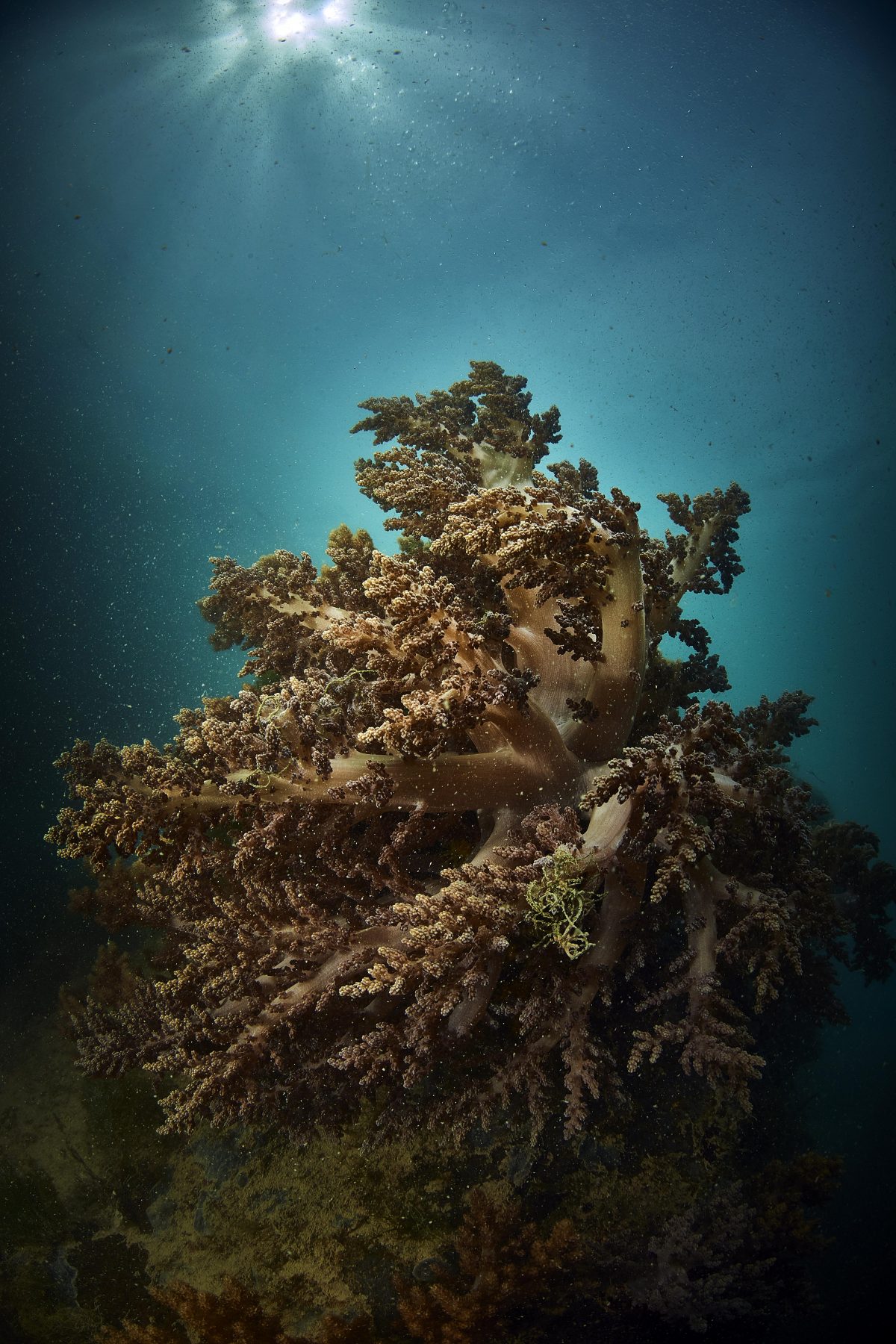
I wasn’t sure which direction we headed towards, but things got better halfway through the dive. As I was getting used to the monotony of being surrounded by nothing but silt and the occasional floating clump of seaweed making its way towards my face, we saw a tinge of orange peeking through the cloud of silt. As we made our way towards it, we witnessed a performance of the soft, orange corals swaying and dancing to the beat of the current. While being entranced by the gentle movement of the corals, a sudden current surged and kicked up the slit around it, and exposed what looked like a plastic bottle covered in algae and other marine debris. 


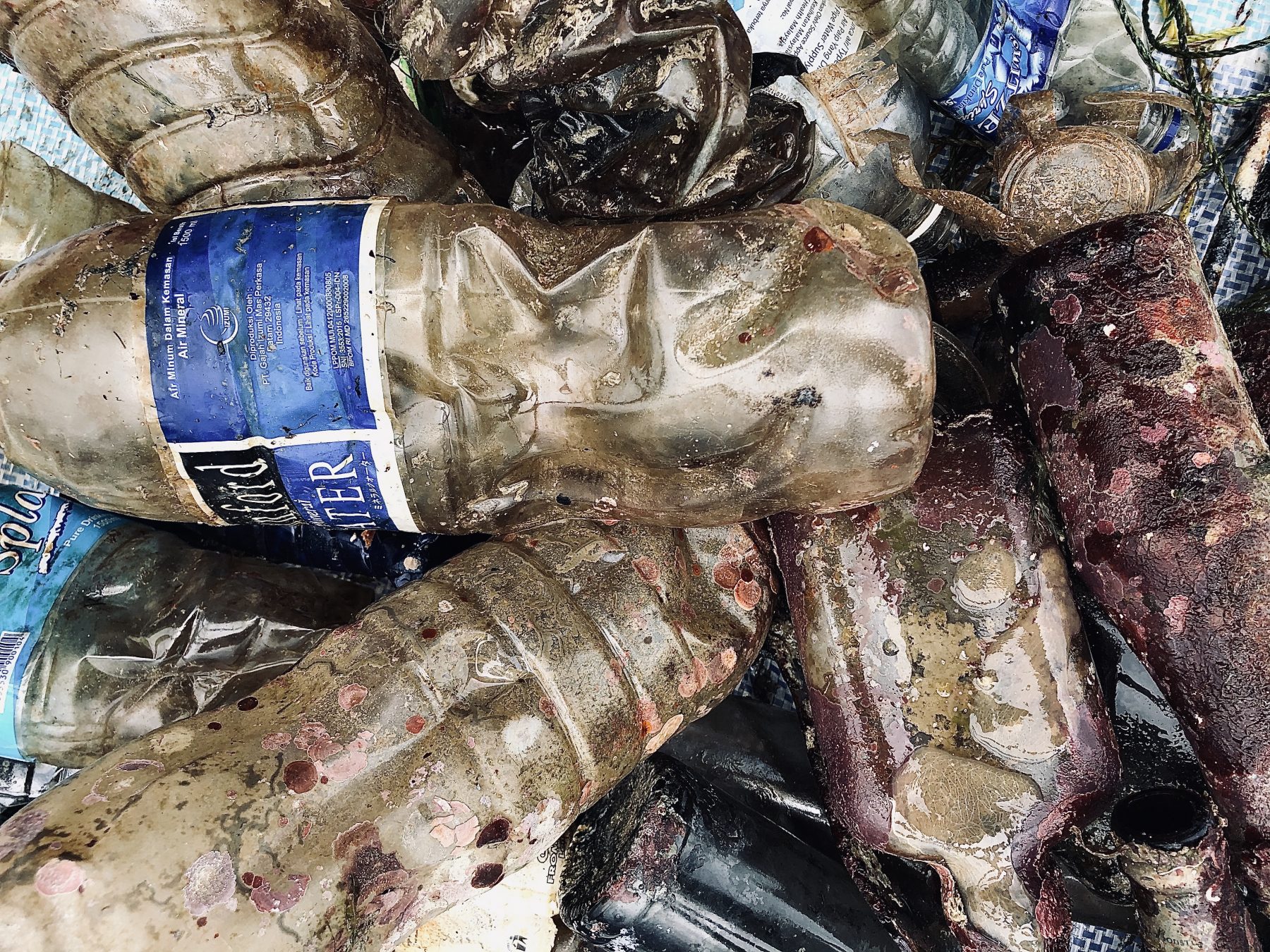
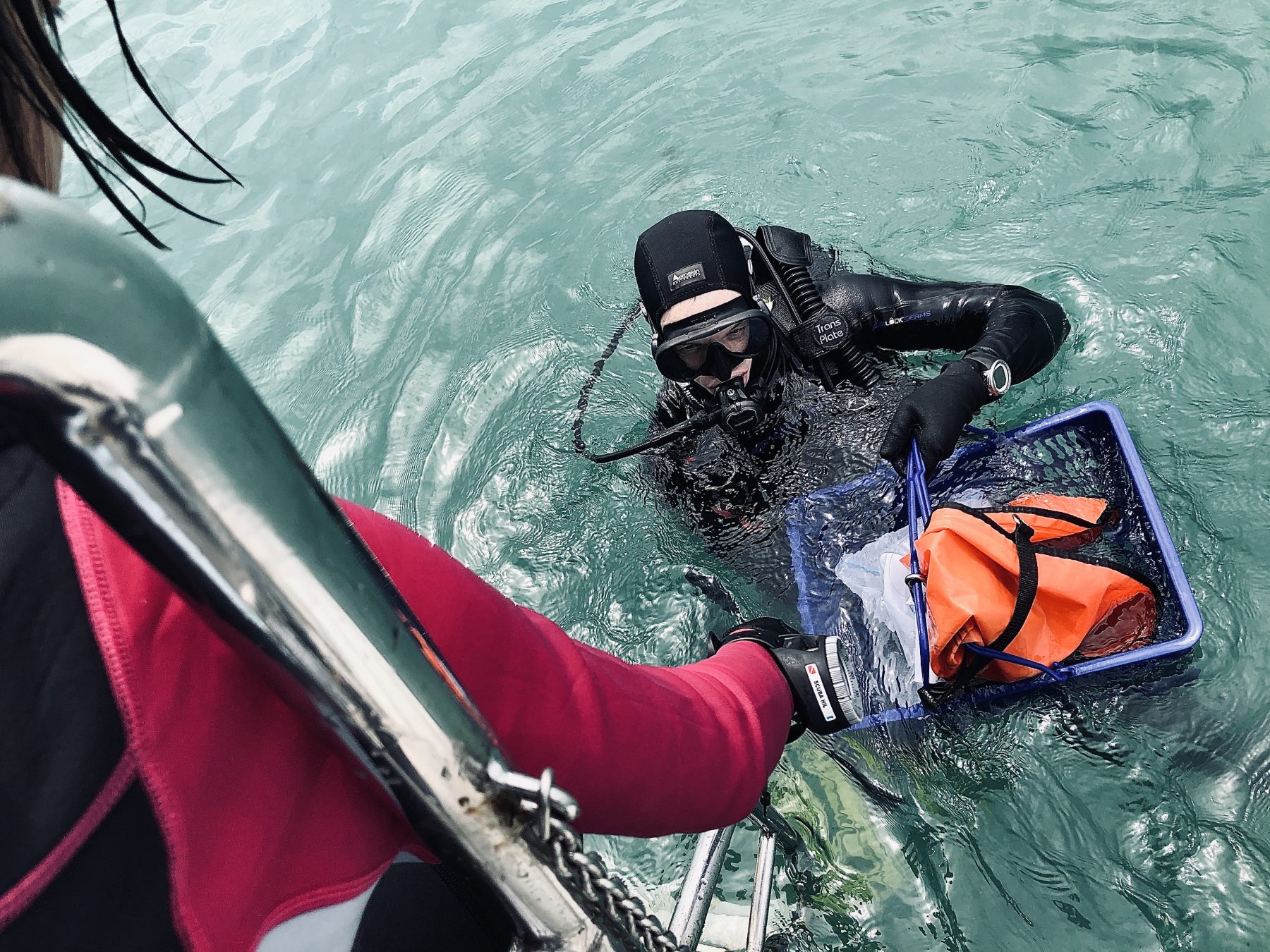
We quickly finned toward it. I picked it up with my gloved hand, and some of the dirt fell off the surface, revealing the label of a mineral water bottle. As I placed it in the mesh bag Lam had brought along with him, I thought about AQUAPAK and the Hydropol material they manufacture – imagine if every plastic bottle, every plastic bag is replaced by this biodegradable material which eventually disintegrates (releasing carbon dioxide and non-toxic biomass), leaving no trace of its existence.


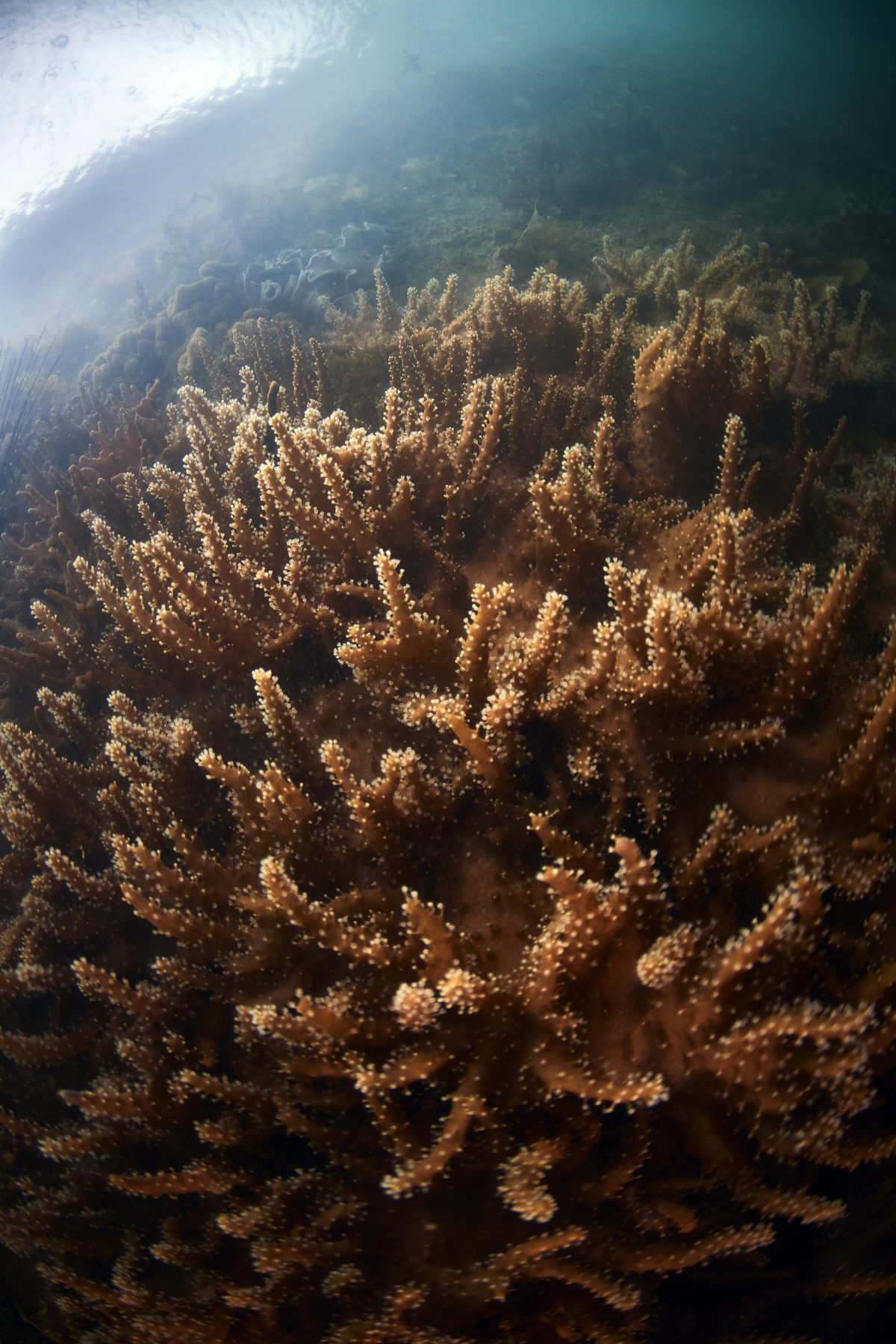
We drifted with the current and saw even more spectacular corals, something which really surprised me. I never thought that we had such beautiful landscape underwater. I finally understood what Todd meant when he mentioned the vision to transform our waters into an underwater garden. Along the way, we bumped into our fellow divers. They were clearly more successful at the task as their baskets were filled with trash of all shapes and forms. We hung around underwater for a while more before ascending and got back on the Dolphin Explorer.
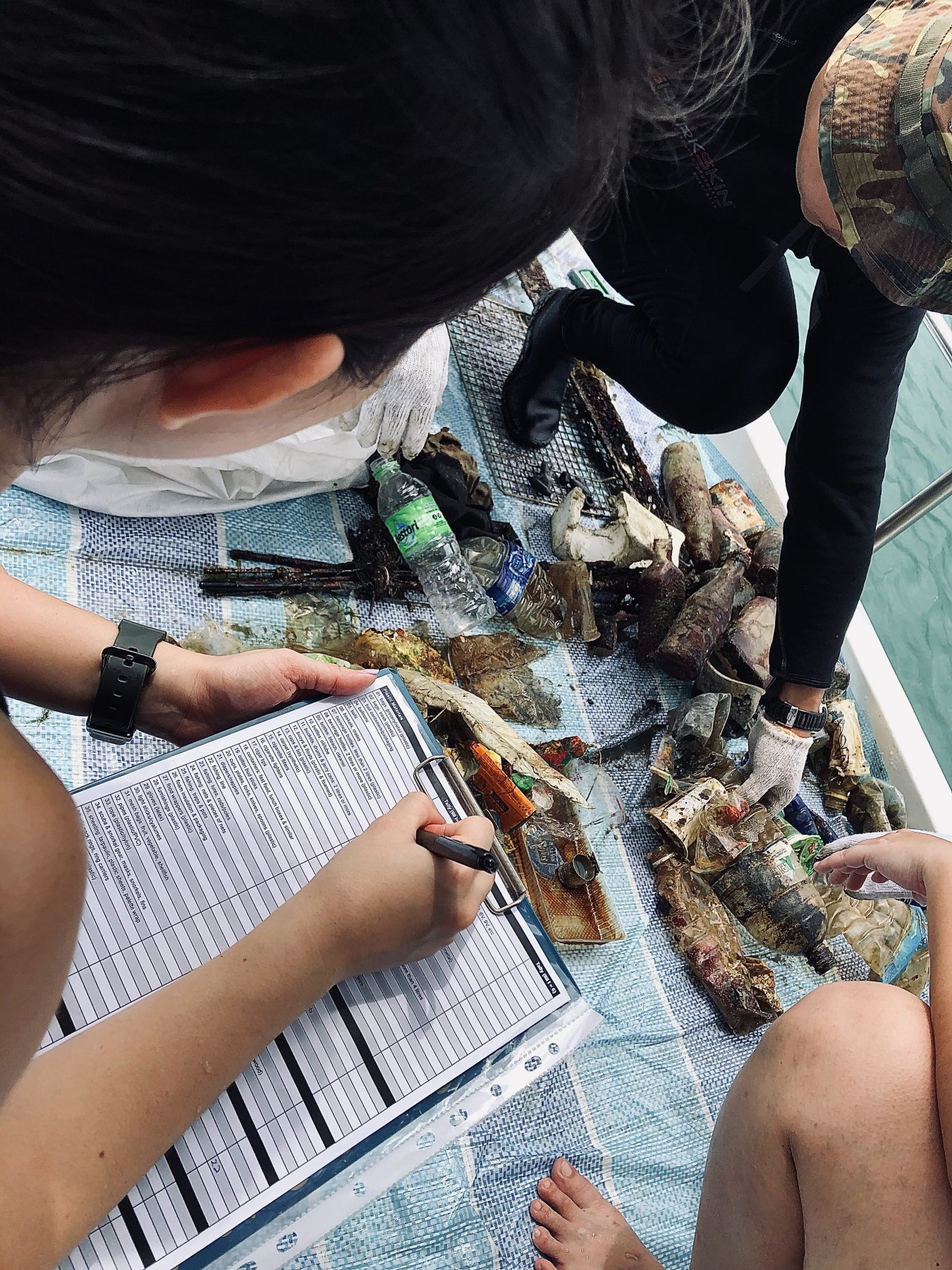
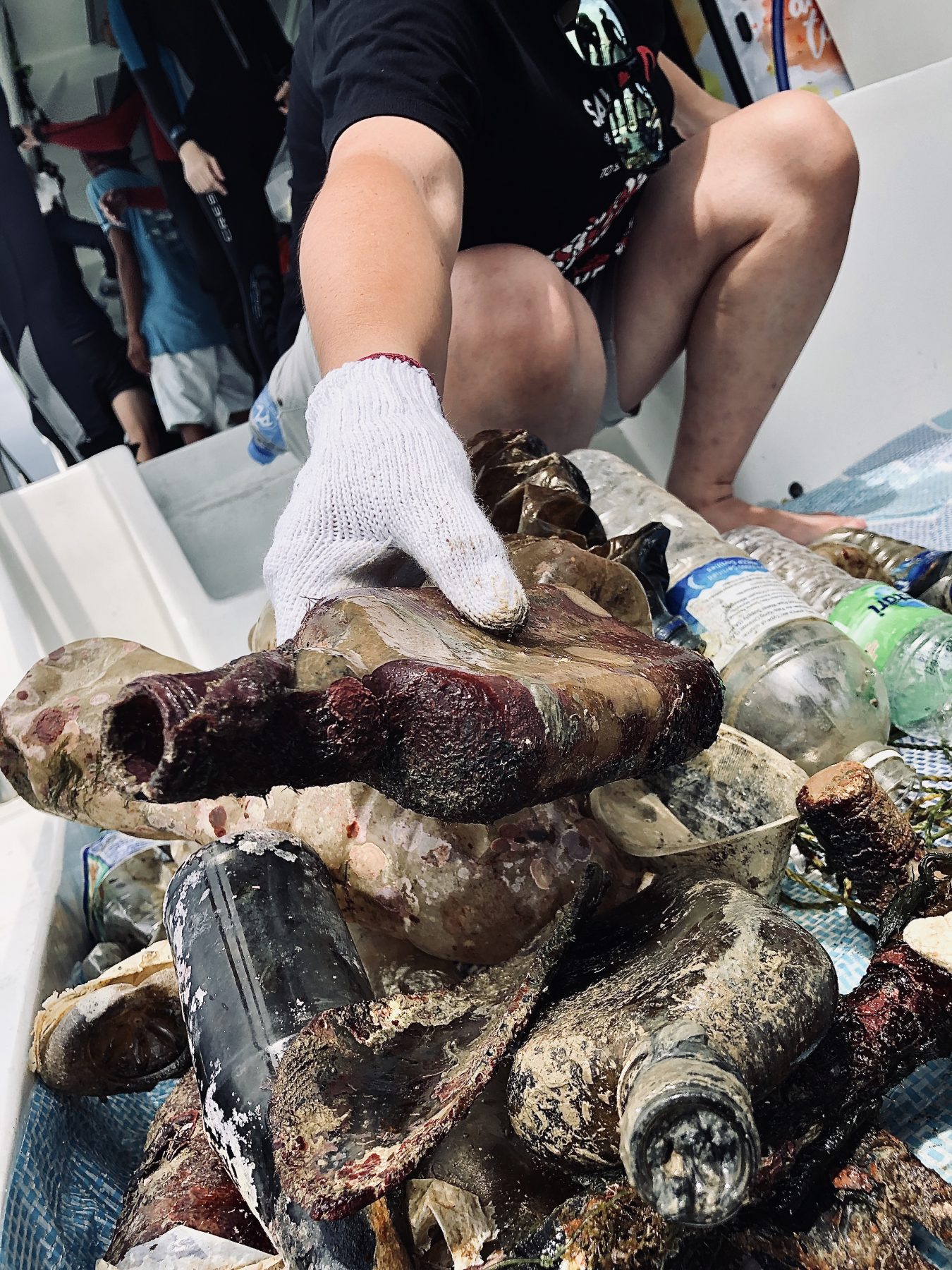


On deck, the team started sorting out the trash on the classic blue and white striped tarpaulin –  glass bottles, plastic bottles, fishing lines, fishing rods, and the likes. We were unsure of where the trash comes from. Perhaps the current brought them into our waters, perhaps those on their private yachts and at the coast took the ocean as a huge bin. As they carefully sorted, a team member recorded down each item retrieved. All this information is uploaded to Project AWARE’s website as part of their Dive Against Debris campaign, which provides valuable data to influence policy change. The top three debris types retrieved were plastic food wrappers (35), metal fishing equipment – sinkers, lures, hooks (22) and fishing lines (21) – quite a predictable mix. 


During the surface interval, I had another opportunity to speak to Todd and have him share more about AQUAPAK as I was intrigued by how something so revolutionary had not made it into the mainstream market. He mentioned that based on his clients’ feedback, consumers are willing to pay that slight premium for products that boast environmentally-friendly packaging and initiatives that support the circular economy. It’s just that the uptake is slightly slow for corporations as there are plenty of changes to implement before being able to have it in full swing.


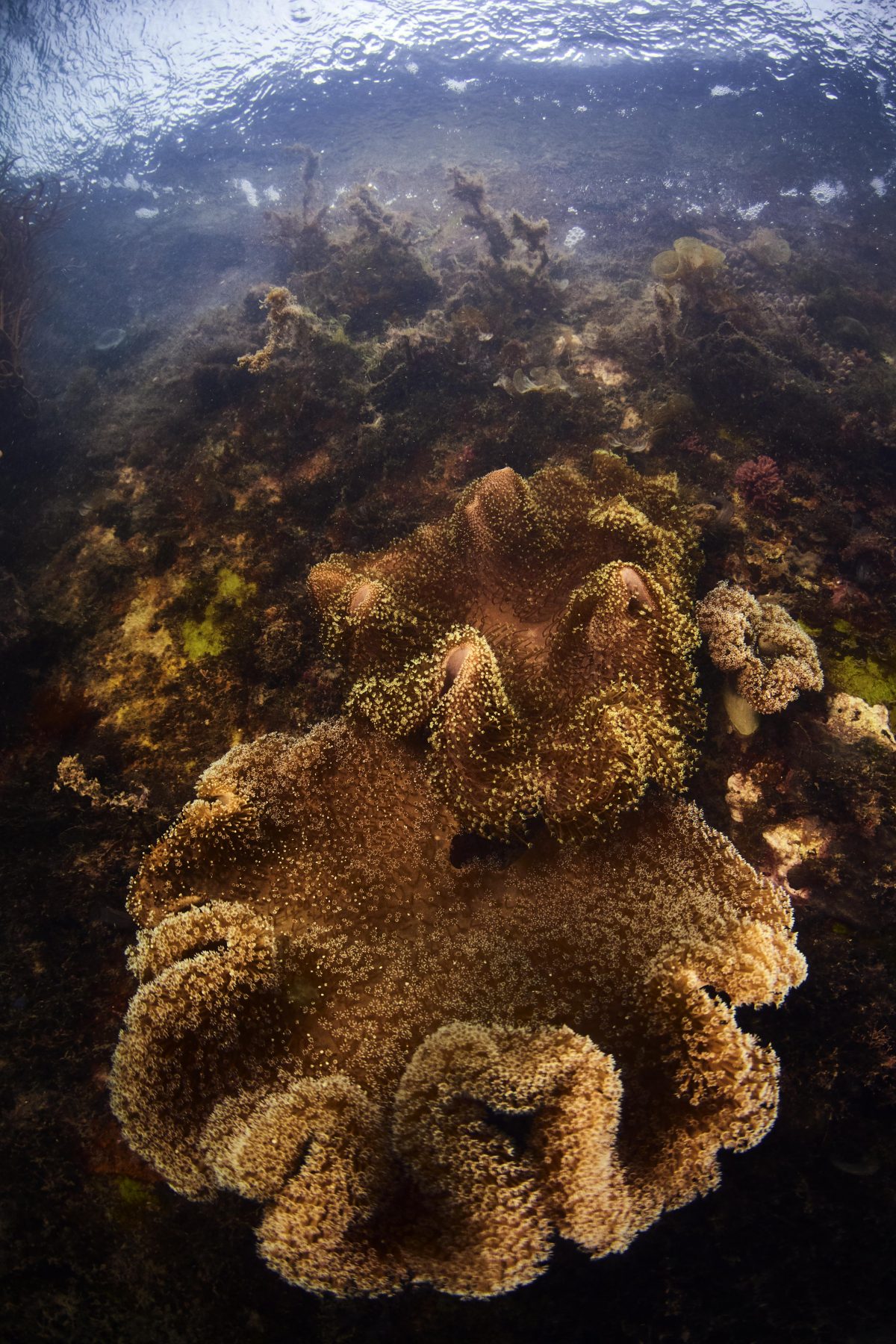
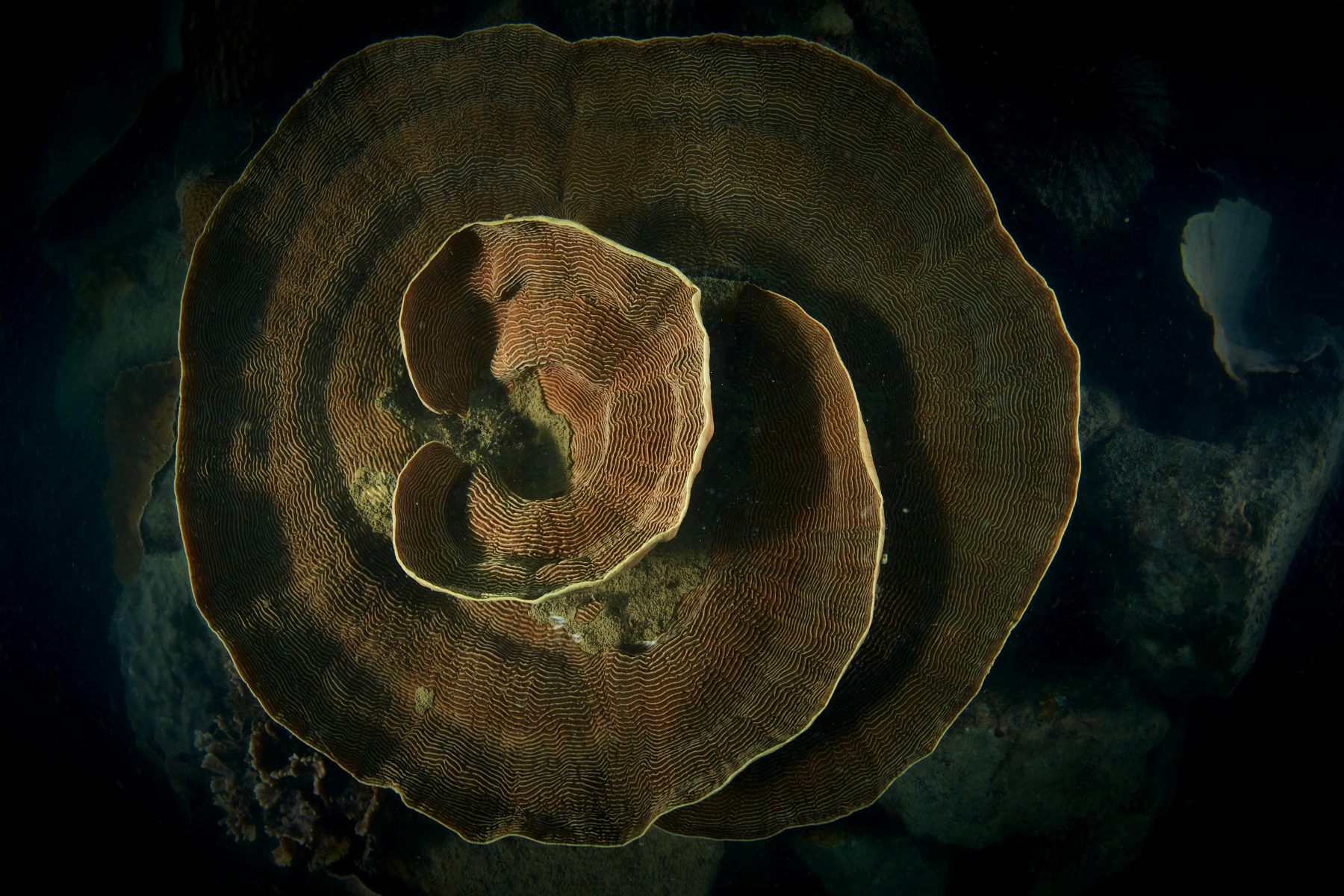
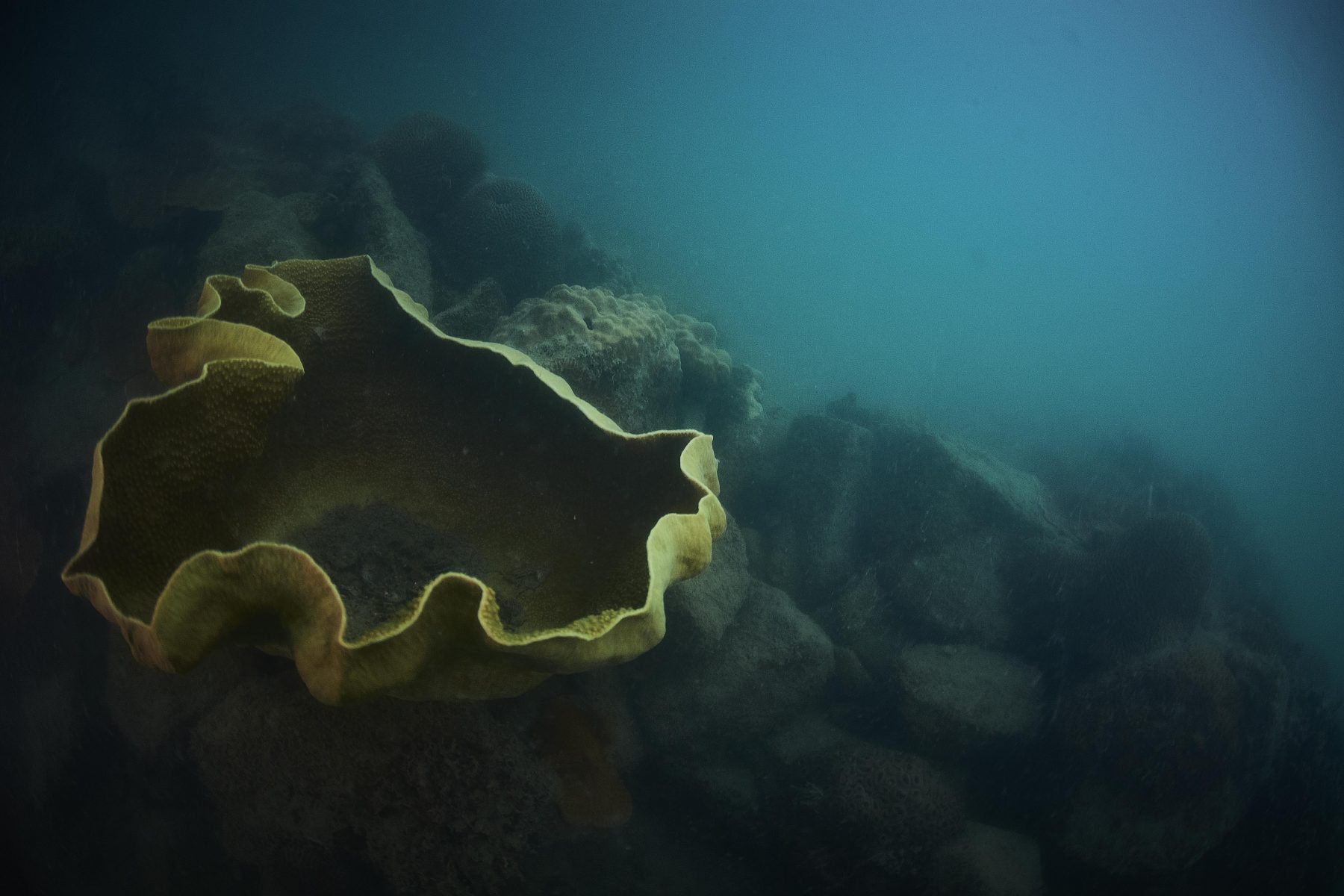
As we set out for our second dive, the sky was getting overcast but we managed to enjoy the pitter-patter of the drizzle, which was quite therapeutic. This time, it was a lot less nerve-wracking as I had already survived the first. The corals on this dive were even more spectacular – there was a whole wall that spanned for as far as I could see with huge plate corals attached to it. We also managed to spot a few fishes, what species I’m not exactly sure but movement from anything else besides silt and seaweed was a real treat. Despite being slightly more comfortable, visibility was still an issue and I still had the constant fear of getting pricked by a sea urchin looming out of the murky waters. With regard to the task at hand, we did not see as much debris to collect and we all took that as a good sign. 


When the ocean clean-up concluded, all of us bade our goodbyes and expressed our gratitude to AQUAPAK for graciously sponsoring this activity – it would have been quite a challenge to persuade me to dive in Singapore waters, what more participate in an ocean clean-up. This opportunity is really something I will hold dear to my heart, putting a little more care into our waters and helping to spread the message to as many people as possible. As we disembarked and made our separate ways, I’m sure we all had the same thought in mind: When will the next ocean clean-up be? 


For more information on the marine debris that was collected from this initiative, please visit:
• Dive #1 : https://www.projectaware.org/debris-data/lazarus-north-2-9
• Dive #2: https://www.projectaware.org/debris-data/lazarus-west-5


Plastic Talks: Micro-in on Plastics with Mr Mohammad Reza Cordova, Indonesia Institute of Sciences (Part One)

0

Our Weekly Podcast about the Ocean & it’s Plastic Conundrum

Interviewed by Nora Ismail
Video produced by Dorothy Clement


Underwater360 caught up with Mr Mohammad Reza Cordova, a scientist from Research Centre of Oceanography, Indonesia Institute of Sciences, micro-in on the effects of single-use plastic, microplastics and marine pollution on humans, marine life and the environment at the recent STEP Environment Camp 2019.


[embedyt] https://www.youtube.com/watch?v=c8vgz1MXtUw[/embedyt]


Stay tuned to part two of “Plastics Talks with Mr Mohammed Reza Cordova” and for more stories on the conundrum with ocean plastic, look out for the upcoming Asian Diver – The Big Blue Book issue titled “Purge of the Plastic Pandemonium”.


In Singapore this May? Do not miss to attend ADEX Ocean Vision 2020, the largest and the longest-running diving, dive tourism and ocean conservation show in Asia, this May 29 to 31 at Suntec Singapore Convention & Exhibition Centre! Themed “Dedicated to a Plastic-Free Ocean (version 2.0)”, do not miss out on this opportunity to learn all about the various disciplines of diving, where’s the best dive spots in Asia, know more about the organisations that work on the conservation and the protection of marine life, marine waste and the ocean health, in general. REGISTER now for your free entry to the event – Click here!


Underwater360 would like to thank the STEP Environment organising committee for the arrangement of this interview.

STEP Environment Camp 2019 is a week-long camp where 92 participants from Brunei, Cambodia, China, India, Indonesia, Laos, Myanmar, Malaysia, Philippines, Singapore, Thailand, and Vietnam participating in various activities to learn about ‘Zero Waste’. STEP Environment Camp 2019 was brought to you by Temasek Foundation International for supporting the camp, and supporting partners: Lee Kong Chian Natural History Museum and our colleagues from SJINML for field-guiding the students, GearUp for the ice breakers, and Sustainable Singapore Gallery for the tour.

ADEX Pixel Expo 2020 – Asia’s Biggest Digital Underwater Photo Gallery

0

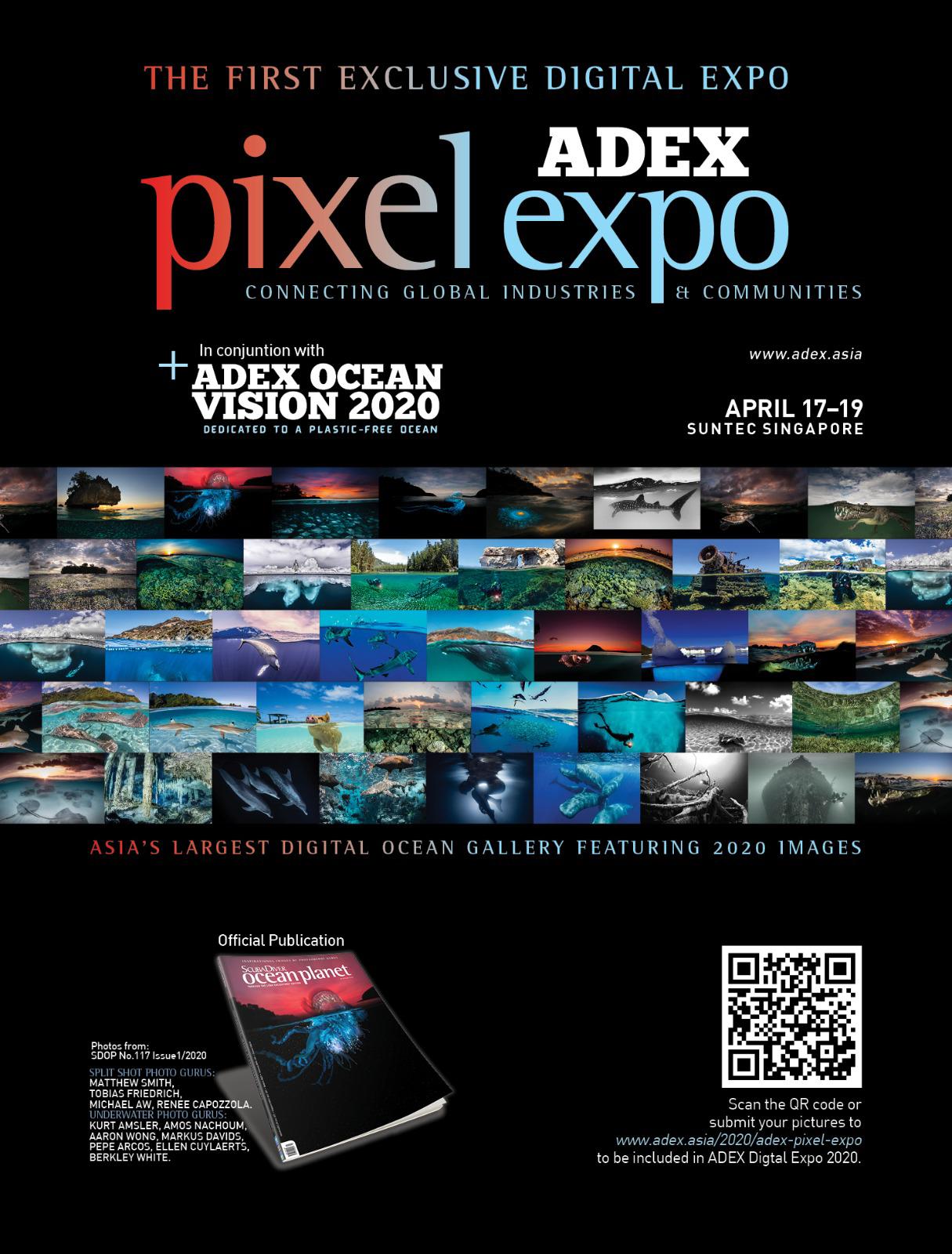
Underwater360° is proud to announce the ADEX Pixel Expo – Asia’s Biggest Digital Underwater Photo Gallery, in conjunction with ADEX Ocean Vision 2020, this latest platform is the first exclusive digital expo that aims to connect global diving, ocean conservation and dive tourism industries together with its communities over a passionate causes. 


Come and be a part of our Pixel Expo – A photo submission gallery


We invite you to submit your wonderful collection of images in Asia’s largest digital ocean gallery. These pictures can capture any category  — ranging from various forms of marine life, habitats, sceneries, conservation efforts, equipment, so on and so forth.

The gallery will feature up to 2020 images. All that we will be requiring for the submission is your email ID, name, country, and the title of the image.

Be one of the 2,020 underwater photographers to have your best works featured. Submit now as the deadline is April 1st, 2020. 

Selected images will be featured in the following issues of the Scuba Diver Ocean Planet, as well as in ADEX Pixel Expo 2020 at ADEX Ocean Vision 2020 this April 17 to 19

Click here to submit your pictures now and stand a chance to be featured!

Love Is An Action; Start caring about Marine Pollution right now

0
Love Is An Action x ADEX Ocean Vision 2020
The 22nd marked the exclusive screening of ‘Blue The Film’, orchestrated by ‘Love Is An Action’ in conjunction with ADEX Ocean Vision 2020.

Text: Sitaraah Joshi


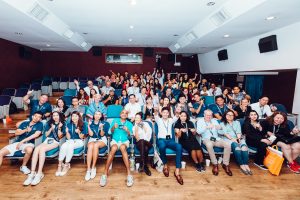
The bubbly social atmosphere was hosted at ‘The Projector” (Singapore), where the film was screened. Fifty-five attendees and eight volunteers were in support of a cleaner, plastic-free ocean. The event was an absolute blast — with attractive prizes to be won and a flow of food and drinks to keep the night going. 

‘Love Is An Action’ is a non-profit organization founded by Joshua O’Neill, a PADI Staff Instructor, and experienced diver for the past ten years. The inspiration to spearhead this organization came from his love and deep passion for the ocean and marine life. He observed a significant increase in the marine litter at dive sites, especially in East Malaysia. After watching Blue the Film, Josh was stunned by what we were doing to our oceans and the impacts that plastic marine litter is having on them. As a result, he decided to create a non-profit organization and do something about it. 

Joshua O’Neil introducing the Love Is An Action (LIAA) initiative

Josh is committed to protecting the world’s oceans by reducing the amount of waste entering them and finding innovative ways to remove waste that is already there.

As an Eco-diver who volunteers yearly to do Reef Check, this exacerbation was very noticeable. Additionally, he attended several beach and ocean clean-ups and used mesh bags to collect trash. Josh began to frequent the use of mesh bags, and at times there was more trash than he could fit. 

The evening’s vibrant gathering
Memorabilia – Passes for all!

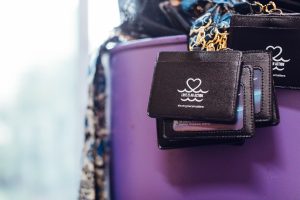
This thought process to create the mesh (they call it ‘meshee’) bags stemmed from the fact there were only a handful of beach cleanups organized each year, and that a quick solution to eradicate marine litter could be achieved by collecting any rubbish that they see, or at least use it to take their rubbish home and recycle it. Whether you are heading out for a dive, swim, snorkel, paddle or surf, you will have easy access to this simple waste solution.

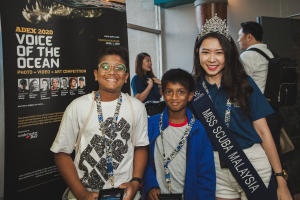
Excited young viewers clicked several pictures with Miss Scuba Malaysia 2018, Alycia See, who also came down to Singapore to support the cause.
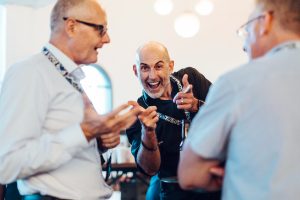
Fun-filled atmosphere!

The next chapter for Love Is An Action entails attempts to collaborate with like-minded corporations who strongly believe in running an eco-friendly business for sponsorship of their waste reduction initiatives. The products they sponsor will be personally delivered to people via Love Is An Action’s Ambassador network, along with educational messages for propagating behavioral change. 

Currently, they are developing sipee’s, jiffee’s and totee’s to compliment their range of products. Additionally, they will also be conducting beach cleanups, and awareness campaigns personally and through social media, using country Ambassadors to embed behavioral change. 


The event included a feedback board where people could stick a post-it note as they left the cinema to express personal thoughts and views. 

“We were overwhelmed with the positive feedback and support and have had many requests to show the film to schools and universities and even recommendations for it to be part of the education curriculum,” says Josh. 

This project has been born out of a dream to make a difference to our marine world. It has been totally self-funded to this point and we are now looking to work with passionate partners, sponsors, volunteers, and community groups to save our oceans, and the lives they support, but all this needs Action. Love is an Action.”


Protecting the Dominican Coral Reefs — A combined effort

0
Photo: The Caribbean Reef

Text: Sitaraah Joshi 

The TUI Care Foundation and the Reef-World Foundation are setting up a new initiative to help protect coral reefs in the Dominican Republic. This marriage will help promote environmental stewardship by involving important community members to center their attention to these important ecosystems. More than 300 people from various local reef-based businesses are going to receive special training on how to work more sustainably. Over 65,000 tourists will receive information on the protection of the reefs, with over 2,000 members also learning about reef protection through the environmental activities of Youth Ambassadors. From figures, it can be agreed that there is a fair amount of effort that has been put into encouraging the protection of the Dominican Republic’s reefs. 

Team Players – via reef-world.org

What’s happening now?  

Coral reefs are an important source of food and income for the Dominican Republic since 20% of the population is living in extreme poverty and 80% of the Islands 10 million inhabitants live on the coast. The ocean supports 50% of all livelihoods, mostly through fisheries and tourism. But these marine ecosystems are threatened. Activities like scuba diving, snorkeling, and sailing coupled with the impacts of climate change can directly damage the coral — which affects the fragile ecosystem. 

The initiative is part of the international TUI Junior Academy program and will provide customized marine environmental education courses to Youth Ambassadors, motivating them to advocate coral reef conservation projects and lead activities within their communities. It will also institute environmentally friendly guidelines to promote sustainable snorkeling and diving. This will aid in reducing any local deterioration of the coral reef and building resilience to global challenges. In collaboration with Reef Check Dominican Republic and the Ministry of Environment of the Dominican Republic, the project’s main focus is to significantly reduce detrimental change to coral reefs by building awareness of, and managing, environmentally friendly practices for diving and snorkeling activities. 

Chairman of the Board of Trustees of the TUI Care Foundation, Thomas Ellerbeck, stated: “The Dominican Republic is surrounded by extraordinary coral reefs which constitute a key component of the island’s unique natural heritage and biodiversity. Local economic activities, such as fishing, and marine life in general, rely on strong, healthy reefs. We are very excited to be launching this new project with Reef-World that brings the local community together and puts education at the very center of future environmentally sustainable solutions”. 

Chairman Thomas Ellerbeck observed on the far right – via reef-world.org

Reef-based tourist leaders, local resource managers, and educational leaders in the area will be delegated to deliver marine educational programs to young people, which will elevate their awareness of environmental issues and help them understand how to protect the environment. Working hand in hand with local teachers and the Ministry of Education, their project will also strengthen the marine environmental material within the national curriculum. Resultantly, this initiative tries to strengthen livelihoods, curtail poverty and protect the environment in the Dominican Republic. 

Director at The Reef-World Foundation, JJ Harvey, stated: “As well as being a precious natural ecosystem, the Dominican Republic’s coral reefs provide food and livelihoods for many people in the country and so represent a valuable financial asset worth protecting. By building the capacity of the marine tourism industry to follow the best environmental practice, our Youth Ambassador Coral Reef Conservation Programme will engage over 1,000 teenagers across 15 schools with the ripple effect reaching approximately 1,800 community members and over 2,000 family members. We’re proud to be working with the TUI Care Foundation to empower citizens of the Dominican Republic to protect their natural assets for many years to come.”

Furthermore, the Reef-World Foundation directs the Green Fins initiative in the Dominican Republic, which is executed through a network approach spearheaded by Reef Check Dominican Republic in collaboration with the Ministry of Environment and Natual Resources, the Auxiliary Navy, the Coastal Biodiversity and Tourism project, as well as the local community and conversation group CEBSE. 


To know more about TUI Care Foundation and Reef-World’s efforts in the Dominican Republic and around the globe, click here

https://reef-world.org/projects#green-fins

Want to see more of them? Sign up for ADEX Asia here! :

https://www.adex.asia/


via reef-world.org


What is the TUI Care Foundation? 

Building on the potential of tourism as a force for good, the TUI Care Foundation supports and initiates partnerships and projects, which create new opportunities for the young generation and contribute to thriving communities all over the world. Connecting holidaymakers to good causes, the TUI Care Foundation fosters education and training initiatives to open up new opportunities and perspectives for young people, the protection of the natural environment in holiday destinations and sustainable livelihoods in thriving destinations where local communities can benefit even more from tourism. TUI Care Foundation works globally and acts locally – it builds on strong partnerships with local and international organizations to create meaningful and long-lasting impact. The charitable foundation values transparency and the efficient use of funds. Therefore 100% of the donations go to destination programs with all administration costs of the foundation covered by TUI. TUI Care Foundation was founded by TUI, the world’s leading tourism business, and is based in the Netherlands.

What is the Reef-World Foundation? 

The Reef-World Foundation is a registered UK charity that delivers practical solutions for marine conservation around the world. The charity promotes the responsible use of natural resources – particularly coral reefs and related ecosystems – for the benefit of local communities, visitors and future generations. It is dedicated to supporting, inspiring and empowering governments, businesses, communities, and individuals around the world to conserve and develop coastal resources sustainably.

Reef-World leads the global implementation of the UN Environment Programme’s Green Fins initiative, which focuses on the global promotion of environmentally friendly scuba diving and snorkeling practices across the industry. As well as providing low cost, practical solutions to local and industry-wide environmental challenges associated with the marine tourism industry, the charity also provides education and capacity building assistance to empower environmental champions (within the diving industry, local communities, authorities, and governments) to implement proven coastal resource management approaches.

What is Green Fins? 

Green Fins is an established conservation management approach – spearheaded by The Reef-World Foundation in partnership with the UN Environment Programme – which leads to a measurable reduction in the negative environmental impacts associated with the marine tourism industry. The initiative aims to protect and conserve coral reefs through environmentally friendly guidelines that promote a sustainable diving and snorkeling tourism industry. It provides the only internationally recognized environmental standards for the diving and snorkeling industry and has a robust assessment system to measure compliance.

Green Fins encourages and empowers members of the diving industry to act to reduce the pressures on coral reefs by offering dive and snorkel companies practical, low-cost alternatives to harmful practices – such as anchoring, fish feeding, and chemical pollution – as well as providing strategic training, support, and resources. Reducing the local direct and indirect pressures tourism puts on coral reefs helps to make coral healthier and more resilient to other stresses such as the effects of climate change. Look for the Green Fins logo when booking your next dive trip

China’s Attempt at Mitigating Plastic Waste

0
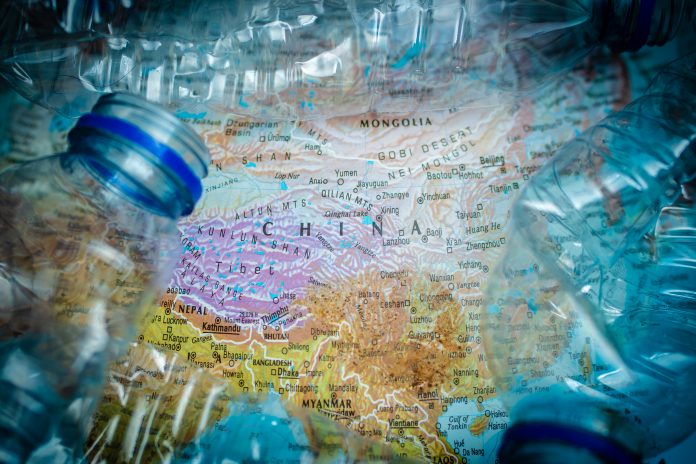
The concept of pollution by plastic debris, with China at its focus.

2020 marks a significant change in China’s attitude towards dealing with plastics

Text: Sitaraah Joshi

Imagine looking over an endless sea of overcrowded, cluttered waste. Such is the plight of the heaps of rubbish that have been accumulated and recklessly dumped in the landfills of China. The incessant uses of plastics by China’s 1.4 billion citizens in the forms of bags, cutlery, and containers have plagued the environment.              

According to ‘Our World in Data’, in 2016 China imported 7.35 million tonnes of plastic waste and generated roughly 61 million tonnes domestically. This meant that 10-11 percent of China’s plastic waste was being imported from different parts of the world.

A man is seen on a bike transporting recyclable materials in Beijing, China. Plastic waste levels have increased significantly after 2010.

Today, China has stopped importing other countries’ recycling and implemented new measures such as trash sorting in an attempt to cut down on waste and reduce pollution. China’s National Development and Reform Commission and the Environment documented and announced these changes on Sunday. By the end of 2022, the Chinese government aims to completely diminish the usage of non-biodegradable plastic bags in major cities, as well as ban plastic garbage in Shanghai, Beijing and other wealthy provinces. Additionally, the food and beverage industry will be banned from using single-use straws in 2020.  

The new ruling may affect multiple Chinese e-commerce business platforms like Alibaba, Taobao, 360buy and Meituan – all of which heavily rely on blankets of plastic wrapping to protect and package their goods. These online merchandisers cover everything ranging from fashion and food to home appliances. In 2015 alone, Chinese courier companies used almost 17,000 kilo-meters of adhesive tape. Companies that disregard the plastic ban may be blacklisted, implying that business will be negatively affected.  


Data Source:

Hannah Ritchie and Max Roser (2020) – “Plastic Pollution”. Published online at OurWorldInData.org. Retrieved from: ‘https://ourworldindata.org/plastic-pollution’

Yangtze’s Chinese Paddlefish: Declared Extinct

0

China’s Yangtze River was once teeming with Chinese paddlefish (Psephurus gladius). The largest specimen recorded was seven metres long and weighed 450KG, making it one of the largest freshwater fish in the world – aptly referred to as “megafish” and the “king of freshwater fish”. This species of fish had existed for more than 15 million years!


However, young Chinese paddlefish have not been seen in the wild since 1995, and there have been no sightings of a wild Chinese paddlefish of any size since 2003 — leading many to fear that the fish might have already been extinct since then. Therefore, while it may not have been a surprise when the Chinese Academy of Fishery Sciences and the International Union for Conservation of Nature (IUCN) determined that the species no longer exists, updating its status to “Extinct”, it was definitely a wake-up call. Beijing is now taking tougher action to protect the river’s aquatic life, with a 10-year commercial fishing ban on the Yangtze taking effect from Wednesday, 8 January 2020.


The Chinese paddlefish is the third species unique to the Yangtze River ecosystem to be declared extinct, following the Yangtze River dolphin in 2006 and the Chinese reeves shad in 2015.


Critically endangered since 1996, a paper published on 23 December 2019 in the international journal “Science of The Total Environment” shows that the largest freshwater fish in China might have gone extinct between 2005 and 2010.


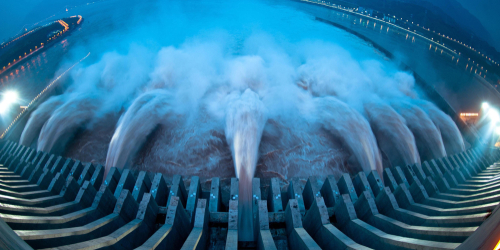
The cause of extinction is attributed to overfishing, river transportation, dam-building, and pollution. The moratorium enforced by Beijing aims to curb the decline of the river’s ecosystem and any further drop in biodiversity, covering 332 conservation sites along the Yangtze, extending to include the main river course and key tributaries by 1 January 2021.


Unfortunately, it has come to a point where it seems like the lives of these creatures are in the hands of mankind – and we must make a change to reverse their dire fates.

We’ve got in-depth articles on the plight of Yangtze River and the other major rivers of Asia, as well as the top endangered marine creatures covered for you in ASIAN DIVER ISSUE 1/2019 (152)! Click to buy this issue.

Never miss out again, have every latest edition delivered to your doorstep! Subscribe here or if you prefer reading online, download the e-versions here!