Home Blog Page 174

Arctic Shipping Routes May Be Open by 2080

0

Commercial summer shipping across the North Pole may be possible by the end of the century, with the first potential crossings feasible for ice-strengthened ships around 2040.

According to this study, by scientists at the National Oceanography Centre (NOC), Arctic shipping could potentially account for as much as 10% of all cargo transported between Europe and the Pacific. It will help supply communities and industries along the coasts of Siberia and Canada.

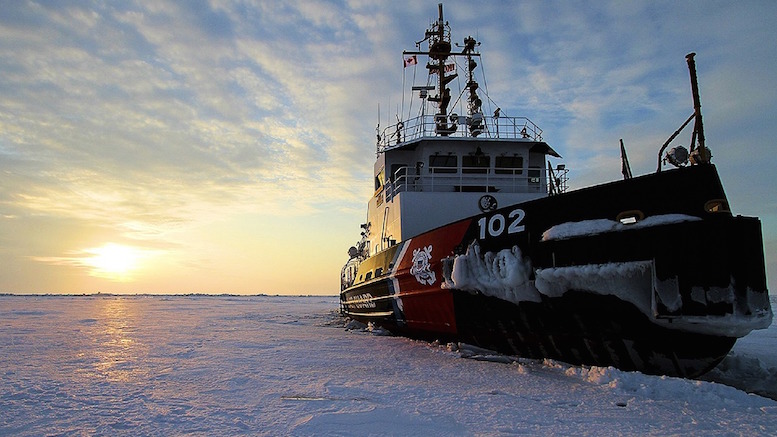
A simulation using NOC ocean models suggests that approximately 40% of Arctic summer sea-ice cover will consist of broken-up ice by the 2040’s. This will allow certain classes of ice-strengthened ships to move directly through the high Arctic, saving time and fuel relative to traveling up the Siberian coast.

Although fuel savings could have economic and environmental benefits, soot from ships could also accelerate ice melting by reducing the reflective qualities of the sea-ice. There is also concern that any oil spills might take longer to dissipate in the Arctic due to the lack of bacteria to break it up and lower ocean temperatures.

This research, published in the Marine Policy, will ultimately feed into the COPERNICUS forecasting system – which aims to predict and forecast ocean behaviour in a way that helps industry in Europe.

The lead author of the paper Dr. Yevgeny Aksenov, from the NOC, said “This is an excellent example of how NOC science can be valuable to industry as well as the scientific community. What became evident while we were conducting this study is that the Arctic is changing so quickly that we will have to reconsider some of the elements we base our models on.”

The area of summer broken-up sea-ice around the margins of pack ice has widened by around forty percent over the last three decades. This means that ocean waves can propagate deeper into the Arctic Ocean, further breaking-up the ice. As a result future research will look to include waves in models of the Arctic Ocean.

The study was conducted as part of the EU FP7 funded project “Ships and Waves Reaching Polar Regions (SWARP)”, which aims to use oceanographic research to help European industries. In addition, it also received National Capability funding from the Natural Environmental Research Council.

Source: Ocean News & Technology

ADEX Ambassadors

0

Living up to its name Asia Dive Expo (ADEX), ADEX brings together and celebrates divers, marine life artists, conservationists and photographers from all around the world every year, especially those coming from the Australasia region!

Although the event is already in its 21st year, we are still constantly searching and looking out for more divers, marine life artists, conservationists and photographers from the Australasia region to be part of this exciting event, spreading out to as far as the USA!

From all these amazing divers who were or will be part of the event, ambassadors were chosen and nominated to represent ADEX in various categories, not forgetting that they must be from the Australasia region.

And here, we proudly present all our ADEX Ambassadors thus far!


aaron wong

Aaron Wong (Singapore)

Ambassador of Photography

Aaron is one of the most recognised underwater photographers in Asia. He also created the SINGAPORE WITHOUT FINS campaign.


Eunjae Im

Eunjae Im (South Korea)

Ambassador of Videography

The founder of Underwater.kr, Eunjae’s multi award-winning works have been showcased across many acclaimed film festivals worldwide.


DavidStrike

David Strike (Australia)

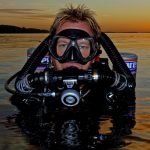
Ambassador of TekDiving

David Strike is the recipient of the ADEX ‘Lifetime Achievement Award’ for contributions to Technical Diving, a Fellow of the Explorers Club of New York, and co-organiser of the biennial OZTeK Technical Diving Conference.


TimHo

Tim Ho (Malaysia)

Ambassador of Compact Camera

Tim Ho organises specialised “Dive and shoot” trips for people who want to do 2 hour long dives with the best guides and spotters available.


Dada Li 2

Dada Li (China)

Ambassador of Freediving

Dada Li started out from being a mermaid, to advancing to become an underwater model, as well as an AIDA international Freediving Instructor and Judge.


HidyYu


Hidy Yu (Hong Kong)

Ambassador for Mermaids

Hidy Yu is a Hong Kong model, action actress, dive instructor, trail runner and hiker.


Dave_HarastiDave Harasti (Australia)

Ambassador for Seahorses

Dr Dave Harasti is a Research Scientist for Fisheries NSW in Australia who specialises in threatened species (sharks, seahorses and turtles) and marine protected areas research.


ag dakila

AG Sano (Philippines)

Ambassador for Dolphins

The founder of the Dolphins Love Freedom network, AG endeavours to save dolphins from slaughter and captivity.


anuarlowres

Anuar Abdullah (Malaysia)

Ambassador for Coral Reefs

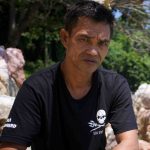
Anuar works on coral reef rehabilitation in this region (Malaysia, Philippines, Brunei, Indonesia and Thailand). His projects includes management of coral sanctuary, coral propagation education and empowering the public in coral conservation.


SharonKwok

Sharon Kwok (Hong Kong)

Ocean Ambassador 2015 – 2016

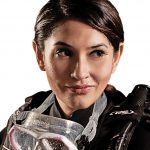
Former Hong Kong actress of the big screen and currently the Executive Director of AquaMeridian and Director at WildAid and Mission Blue, Sharon’s love affair with the ocean and its inhabitants began during her youth.


NadineChandrawinata

Nadine Chandrawinata (Indonesia)

Ocean Ambassador 2014 – 2015

Miss Indonesia Universe in 2005 and a delegate representing Indonesia in the 2006 Miss Universe Pageant


NuralizaOsman


Nuraliza Osman (Singapore)

Ocean Ambassador 2013 – 2014

Lawyer at Shell Eastern Petroleum Pte Ltd. Former Miss Singapore Universe


SarahHishan


Sarah Hishan (Malaysia)

Ocean Ambassador 2012 – 2013

International Human Rights Lawyer


DeniseKeller


Denise Keller (Singapore)

Ocean Ambassador 2011 – 2012

Model & Former VJ


ADEX 2017 will be dedicated to Climate Change and we are calling out for applicants!

Interested in being the ADEX Ambassador for Climate Change or have someone in mind?

Write in to us at marketing@uw360.asia with these information:

  1. Biography
  2. Photos
  3. Why you/he/she can be the ADEX Ambassador for Climate Change?

For more information on ADEX, please visit www.adex.asia.

Top 5 Underwater Videos: Incredible Animal Encounters

0

We pick our top marine animal encounters from the Web – five underwater videos that are guaranteed to get you excited to dive back into the big blue:

Leopard seal encounter

In this exciting excerpt from the second season of Jonathan Bird’s Blue World, Jonathan brings us footage of an incredible underwater encounter with a leopard seal – an apex predator of Antarctica.

Source: BlueWorldTV

Rare sperm whale encounter

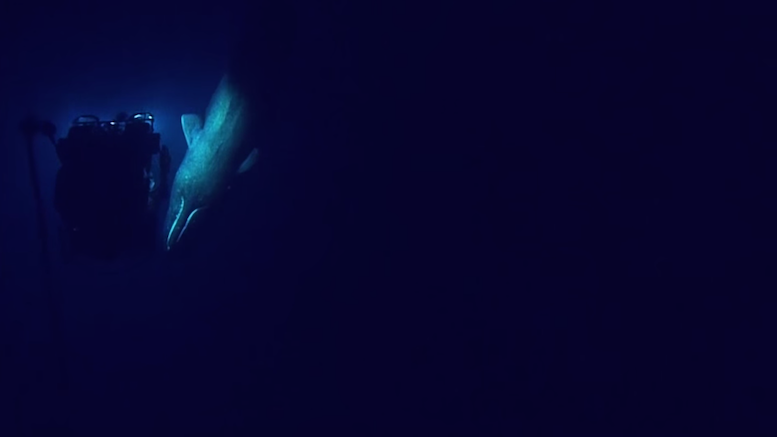
In the Gulf of Mexico, off the coast of Louisiana, ROV Hercules encountered a magnificent sperm whale at a depth of almost 600 metres. The whale circled Hercules several times and gave the cameras the chance to capture some incredible footage of this beautiful creature. Encounters between sperm whales and ROVs are incredibly rare. 

Source: EVNautilus

Rare shark filmed in underwater volcano

Ocean engineer and National Geographic explorer Brennan Phillips and his team surveyed underwater volcano Kavachi, located near the Solomon Islands. They encountered a surprising amount of sea life, including the rarely filmed Pacific sleeper shark. Phillips believes the high-definition images of this elusive shark represent only the third – and maybe the best – video of the shark ever made.

Source: National Geographic

Diving with orcas

While out diving at Little Barrier, a pod of orcas came cruising past Sam Galloway and his friend. They managed to see them up-close twice as the orcas did laps of the island, hunting stingray in the shallows. The adults weren’t very interested in the divers, but the calves came in for a close look.

Source: Sam Galloway

Up-close with manta rays

Chris Cilfone dives in the waters off Maui, Hawaii, and encounters a school of curious giant oceanic manta rays.

Source: GoPro


Have your underwater video featured…

For a chance to be featured in next month’s “Top 5 Underwater Videos”, submit your video or video link to oliver@uw360.asia. The theme for March is Whale Encounters.


The Longest Global Coral Bleaching Event in History Isn’t Over Yet

0

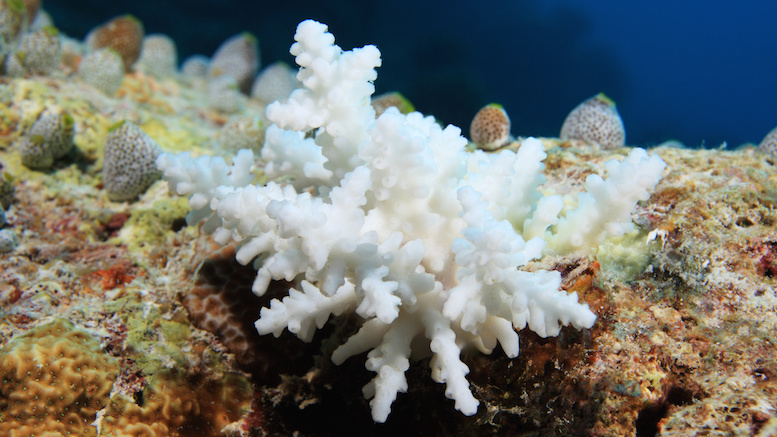
The current global coral bleaching event began in the Pacific Ocean in the middle of 2014. By October 2015, as the current El Niño event was just beginning to gain strength, scientists officially declared the third global bleaching event in history was underway.

Research due to be presented today at the 2016 Ocean Sciences Meeting in New Orleans, LA found that this bleaching event has persisted for 20 months and could reach into next year.

“This time we’re in the longest coral bleaching event,” Mark Eakin, a biological oceanographer with the National Oceanic and Atmospheric Association (NOAA), said in a statement. “We’re maybe looking at a 2- to 2-1/2-year-long event. Some areas have already seen bleaching two years in a row.”

And it’s not over yet. Eakin said that what has now become the longest global coral die-off ever recorded could continue into 2017 thanks to global warming and the intense El Niño event currently heating up waters in the Pacific.

The length of the bleaching event means corals in some parts of the world have no time to recover before they are hit again, Eakin added.

As the third global bleaching event began in 2014, it was first documented in the western and central Pacific, from the Commonwealth of the Northern Mariana Islands and Guam to Hawaii and the Marshall Islands. By mid-2015, severe bleaching had spread south and east, to Kiribati, Howland, and the Baker Islands. The bleaching has also now reached the Indian Ocean.

Reefs bleached in 2015 in the Caribbean and Florida Keys have just started to recover, but may start bleaching again as early as July, Eakin said. There are also reports that corals in Fiji’s nearshore waters are bleaching. “This is now two years in a row for Fiji and it’s looking like 2016 may be worse than 2015,” he noted.

The increased frequency of bleaching events has been too much for some reefs, which never recover. Southeast Asia’s reefs hadn’t fully recovered from a severe bleaching event in 1998 by the time they were hit again in 2010, and they may see bleaching again later this year, according to Eakin.

Coral bleaching is caused by unfavorable conditions, such as the high ocean temperatures caused by El Niño events, global warming, and “The Blob,” an abnormally warm patch of water that first appeared in the northeast Pacific in 2013.

This thermal stress causes coral to expel the symbiotic algae that live in their tissue, without which the coral lose a significant source of food, making them more susceptible to disease. Eventually they die and turn white, hence the coral is said to have “bleached.”

When large swaths of reef-building coral die, that causes the reefs to erode, destroying fish habitat and exposing protected shorelines to ocean waves.

Eakin warned that if a La Niña follows the current El Niño, as it often does, even more reefs will be at risk due to high ocean temperatures, which could result in widespread bleaching, disease, and mortality at the frequency and intensity predicted in climate models two decades ago.

“We’re seeing global bleaching again now,” he said. “The frequency of mass bleaching events are going up because of global warming. We are hitting the corals, then we are hitting them again, and then again.”

Article published by Mike Gaworecki, source: Mongabay

6 of the Most Influential Deep-Sea Expeditions

0
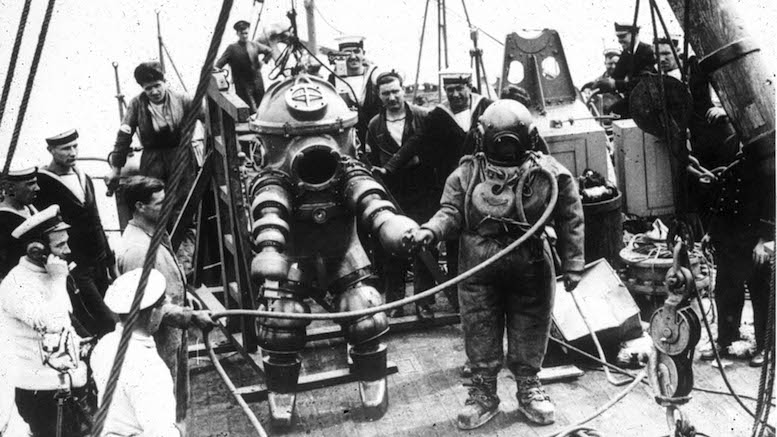
As a dominant military power, the British Empire sold diving equipment around the globe during the 19th and 20th centuries. Some of the helmets that were used by the Royal Navy were also used by Asia-based military units. © Wikimedia Commons

“What lies at the depths of the ocean?” A question that scientists have been asking for centuries, and still ask to this day. In the deadly clutch of the ocean’s dark abyss, what luckless creatures are cursed with never seeing the light of day? To attempt an answer to these questions, a number of deep-sea expeditions have been launched to better understand this deep, dark, alien world… We bring you six of the most influential:

1521 – Ferdinand Magellan attempts to measure the depths of the Pacific ocean

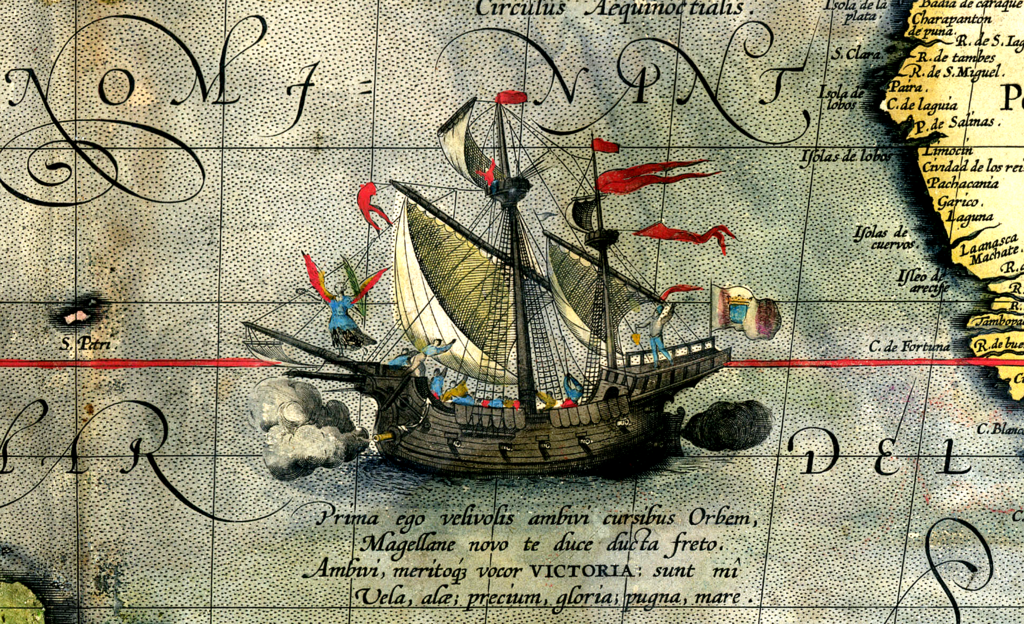
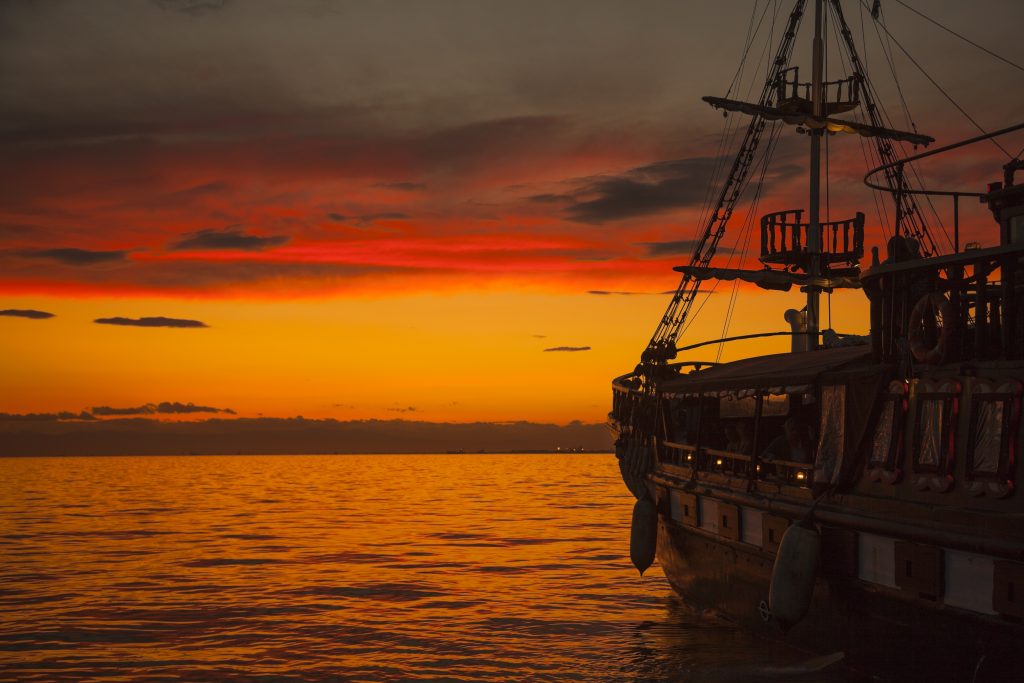
Detail_from_a_map_of_Ortelius_-_Magellan's_ship_VictoriaDropping a penny down a wishing well and waiting to hear it strike the bottom, if you can do the math, is a credible method to calculate the well’s depth. In a similar fashion, to calculate the depth of the Pacific ocean, Portuguese explorer Ferdinand Magellan tried to measure the depth by dropping a cannonball-weighted line, but did not find the bottom. This process, called sounding, meant a ship’s crew would throw out weighted, measured amounts of line, called sounding line. As the line sank, the crew would record the measurement of the line’s length and how far it dropped. After lowering the cannonball 732 metres without hitting the bottom, Magellan declared the Pacific as immeasurably deep.
1850 – Near the Lofoten, Michael Sars’ dredging expedition

Michael Sars, a Norwegian theologian and biologist, set out in 1850 to dredge a part of the ocean near the Lofoten, an archipelago in Norway. Eight years before the expedition, the British zoologist Edward Forbes had issued a series of articles on biogeography, claiming that no animal life could exist at depths greater than 550 metres. As a result of one of Sars’ dredging expeditions, he disproved this theory by pulling up a live stalked crinoid (sea lilies and feather stars) from a depth of 800 metres. This spurred academic interest in the deep sea and prompted the Challenger expedition (see below) and other similar ventures around the globe.

16674601_xxl

1872-76 – Challenger Expedition

The Challenger expedition was a grand tour of the world covering over 100,000 kilometres organised by the Royal Society in collaboration with the University of Edinburgh. Charles Thomson was the leader of the large scientific team.

To enable HMS Challenger to probe the depths, all but two of the Challenger‘s guns had been removed and the spars reduced to make more space available. Laboratories, extra cabins and a special dredging platform were installed. The ship was then loaded with specimen jars, alcohol for preservation of samples, microscopes and chemical apparatus, trawls and dredges, thermometers and water sampling bottles, sounding leads and devices to collect sediment from the sea bed, and great lengths of rope with which to suspend the equipment into the ocean depths. The Challenger‘s crew was the first to sound the deepest part of the ocean, thereafter named the Challenger Deep.

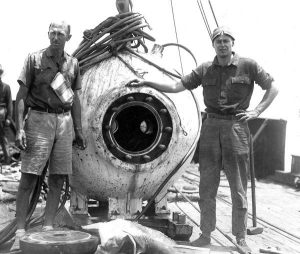
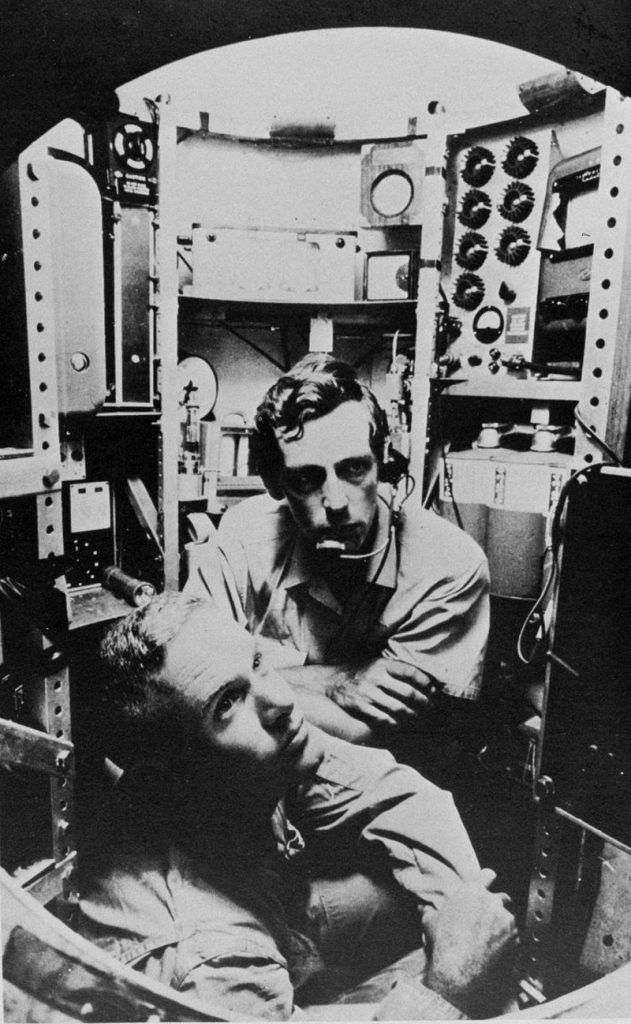
1930 – BathysphereWCS_Beebe_Barton_600

William Beebe and Otis Barton conducted their first test of the bathysphere in 1930, documenting deep-sea animals which had never before been seen in their native habitats. During these dives, they became the first people to observe how as one descends into the depths of the ocean, some frequencies of sunlight disappear before others, so that below a certain depth the only colours that remain are violet and blue. They reached a depth of 435 metres, where they observed jellyfish and shrimp in their natural habitat. The vessel would later go on to reach a depth of 923 metres in 1934.

800px-Bathyscaphe_Trieste_Piccard-Walsh1960 – Bathyscaphe Trieste

The Trieste, a deep-diving research bathyscaphe, descended to the deepest known part of the Earth’s ocean, the Challenger Deep – at the southern end of the Mariana Trench, in the Pacific Ocean. Jacques Piccard and Don Walsh became the first people to reach the near-bottom of the Mariana Trench, reaching 10,916 metres. The descent took just under five hours, and when at the bottom, they claimed to see fish swimming and recorded the seabed to consist of “diatomaceous ooze”.

2012 – Deepsea Challenger

James Cameron succeeded in tackling one of the Earth’s most testing challenges – reaching the bottom of the Mariana Trench – and he was the first to do it solo. In order to make this journey to the Challenger Deep, Cameron and his engineering team utilised revolutionary engineering and cutting-edge technology. The dive revealed many weird deep-sea species, one of the stranger finds being a sea cucumber believed to be a never-before-seen species. The research also revealed a previously unknown type of squidworm that is several inches long and lives in mid-water above the seabed. The endeavour has inspired many expeditions since.


Pioneer of the Week: Sylvia Earle

0

By Leslie Leaney, this article featured in SD OCEAN PLANET (Issue 4/2015)

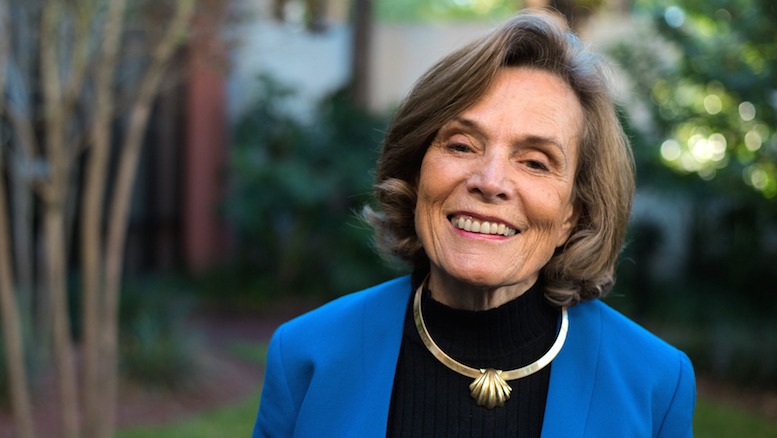
Dr. Sylvia Earle is one of the most influential figures in the world’s oceans, with a career stretching back several decades. She was a close personal friend of Professor Hans Hass and enjoyed a professional relationship with several other recipients of the Hans Hass Fifty Fathoms Award.

As an Advisory Board member of HDS USA and HDS Asia, and an inductee into the International Scuba Diving Hall of Fame, Dr. Earle has been connected to the Hans Hass Fifty Fathoms Award founder and Executive Director, Leslie Leaney for several decades. She worked with Award Chairman Krov Menuhin during the development of the Deep Rover submersible programme. Dr. Earle is the recipient of the 2010 Hans Hass Fifty Fathoms Award, which, due to her hectic schedule, was finally presented to her at the HDS USA 2012 Conference in Santa Barbara, California, by the Award’s first recipient Ernie Brooks, and HDS USA Chairman Dan Orr.

Dr. Earle is National Geographic Society Explorer in Residence, and called “Her Deepness” by the New Yorker and the New York Times, “Living Legend” by the Library of Congress, and first “Hero for the Planet” by Time Magazine. She is an oceanographer, explorer, author and lecturer with experience as a field research scientist, government official, and director for corporate and non-profit organizations including the Kerr McGee Corporation, Dresser Industries, Oryx Energy, the Aspen Institute, the Conservation Fund, American Rivers, Mote Marine Laboratory, Duke University Marine Laboratory, Rutgers Institute for Marine Science, the Woods Hole Oceanographic Institution, National Marine Sanctuary Foundation, and Ocean Futures.

Formerly Chief Scientist of NOAA, Dr. Earle is Founder of Deep Ocean Exploration and Research, Inc. (DOER), Founder of the Sylvia Earle Alliance (S.E.A.)/Mission Blue, Chair of the Advisory Council of the Harte Research Institute, inspiration for the Ocean in Google Earth, leader of the NGS Sustainable Seas Expeditions, and the subject of the 2014 Netflix film, Mission Blue. She has a B.S. degree from Florida State University, M.S. and Ph.D. from Duke University, 27 honorary degrees and has authored more than 200 scientific, technical and popular publications including 13 books (most recently Blue Hope in 2014), lectured in more than 90 countries, and appeared in hundreds of radio and television productions.

Sylvia in Mangroves_MG(c)KipEvans_0314

She has led more than 100 expeditions and logged more than 7,000 hours underwater including leading the first team of women aquanauts during the Tektite Project in 1970, participating in 10 saturation dives, most recently in July 2012, and setting a record for solo diving in 1,000 metres depth. Her research concerns marine ecosystems with special reference to exploration, conservation and the development and use of new technologies for access and effective operations in the deep sea and other remote environments.

Her special focus is on developing a global network of areas in the Ocean, “Hope Spots,” to safeguard the living systems that provide the underpinnings of global processes, from maintaining biodiversity and yielding basic life support services to providing stability and resiliency in response to accelerating climate change.

Her more than 100 national and international honours include the 2013 National Geographic Hubbard Medal, 2011 Royal Geographical Society Patron’s Medal, 2011 Medal of Honor from the Dominican Republic, 2009 TED Prize, Netherlands Order of the Golden Ark, Australia’s International Banksia Award, Italy’s Artiglio Award, the International Seakeepers Award, the International Women’s Forum, the National Women’s Hall of Fame, UNEP 2014 Champion of the Earth, 2014 Glamour Woman of the Year, Academy of Achievement, Los Angeles Times Woman of the Year, UN Global 500, and medals from the Explorers Club, the Philadelphia Academy of Sciences, Lindbergh Foundation, National Wildlife Federation, Sigma Xi, Barnard College, and the Society of Women Geographers.

NASA Takes Part in Airborne Study of Southern Ocean

0

A team of scientists have launched a series of research flights over the remote seas surrounding Antarctica in an effort to better understand how much carbon dioxide the icy waters are able to lock away.

Called ORCAS, the field campaign will provide a rare look at how oxygen and carbon dioxide are exchanged between the air and the Southern Ocean. The campaign is led by the National Center for Atmospheric Research (NCAR). Michelle Gierach of NASA’s Jet Propulsion Laboratory, Pasadena, California, is a principal investigator, along with other scientists from a range of universities and research institutions.

Carbon dioxide is the main greenhouse gas contributing to human-caused climate change. As more carbon dioxide has been released into the atmosphere by the burning of fossil fuels, the ocean has stepped up the amount of the gas it absorbs from the air. But it’s unclear whether the ocean can keep pace with continued emissions.

Previous studies have disagreed about whether the Southern Ocean’s ability to absorb carbon dioxide is speeding up or slowing down. The measurements and air samples collected by ORCAS – which stands for the O2/N2 Ratio and CO2 Airborne Southern Ocean Study – will give scientists critical data to help clarify what’s happening in the remote region.

The researchers plan to make 14 flights out of Punta Arenas, Chile, across parts of the Southern Ocean during the campaign, which ends Feb. 28. A suite of instruments will measure the distribution of oxygen and carbon dioxide, as well as other gases produced by marine microorganisms, microscopic airborne particles and clouds. The flights also will observe ocean color — which can indicate how much and what type of phytoplankton is in the water — using NASA’s Portable Remote Imaging Spectrometer (PRISM). The scientists hope that adding these other measurements to the carbon dioxide data will give them new insight on chemical, physical and biological processes that are affecting the ocean’s ability to absorb the greenhouse gas.

“The Southern Ocean is very inaccessible, and existing measurements represent only a few tiny dots on a huge map,” said NCAR’s Britton Stephens, co-lead principal investigator for ORCAS. “Understanding the Southern Ocean’s role is important, because ocean circulation there provides a major opportunity for the exchange of carbon between the atmosphere and the vast reservoir of the deep ocean.”

For more information about ORCAS, click here.

Source: Ocean News & Technology