Home Blog Page 31

The Graveyard Shift

0
Image by Howard Chen
Where ocean titans rest

Text by Selina Tan

Interview by Lulu M

Main Research by Lulu M and Selina Tan

Additional Research by Selina Tan

Every once in a while, in the pursuit of underwater discoveries, you stumble across something unexpected – but deeply fascinating. Such were the sentiments of Dr Nicholas Higgs, a postdoctoral research fellow at the University of Plymouth’s Marine Institute, upon viewing a video recorded by remotely operated vehicles surveying the seafloor around the Southern African nation of Angola for industrial exploration.

Amazingly, the footage shows the remains of a whale shark (Rhincodon typus) and three devil rays (Mobula sp.) sitting on the seabed, at an astonishing depth of 1,200 metres – well beyond the limit of tek divers. Fed on voraciously by a range of fish, each carcass represents an island of food down below. The scavengers did not even have to travel very far for their next meal as all four carcasses were found within approximately one square kilometre of one another, over a period of two years. The video reveals a remarkable concentration of bodies, as previous estimates of nearest-neighbour distances for whale-falls (the incredible habitats created when a massive whale carcass sinks to the deep bottom) were about 16 kilometres in the ocean’s most whale-rich areas.

The discovery of so many ocean giants at this deep-sea graveyard is miraculous in itself. Finding a single large animal at such depths is a significantly rare event; only a handful has ever been discovered in the 50-odd years of deep-sea photography. While scientists have long suspected that the flesh of dead marine creatures might provide a food bonanza for specialist scavengers of the deep, corroborative evidence of such phenomena has been limited. We now know that whale-falls support specialist animals like Osedax worms, which consume the whale skeleton itself. However, despite intensive research on whale-falls, this is the first time ever that the carcasses of other large animals have been observed, let alone discovered together on one isolated portion of the ocean floor. 
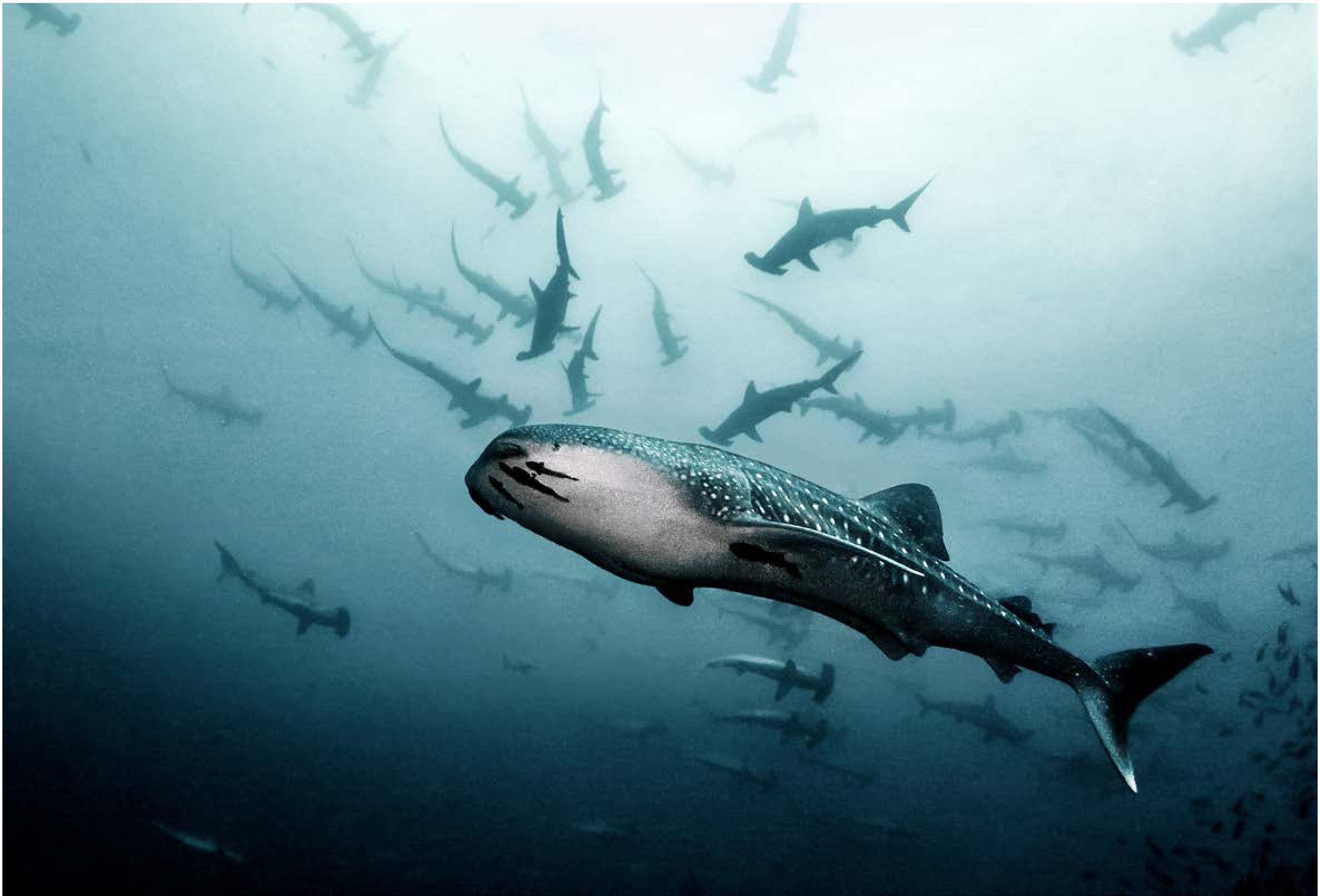
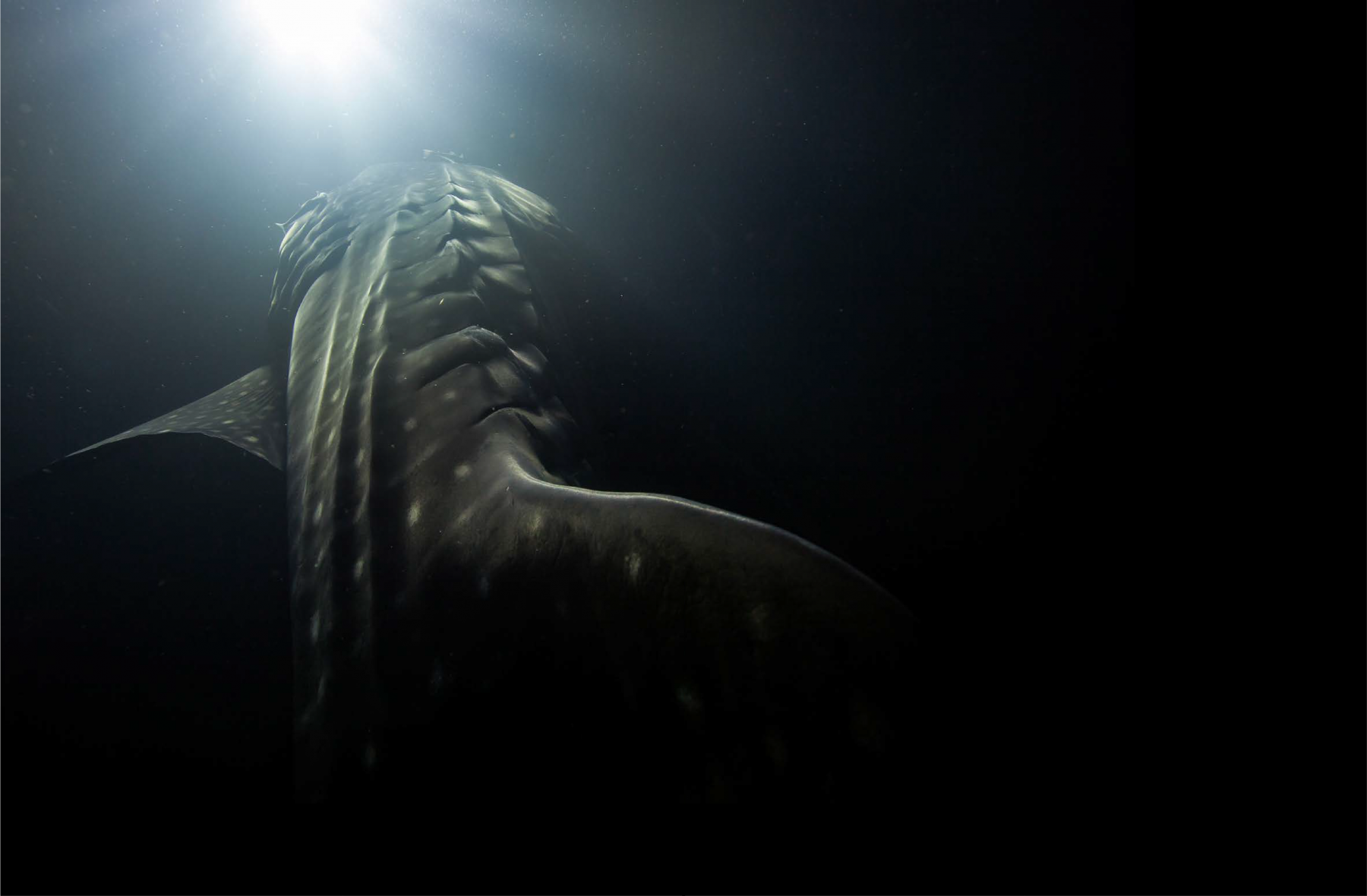
Whale shark
When these large animals die, they create complex localised ecosystems that supply sustenance to deep- sea creatures. Image by Alex Rush

Researchers are confounded by the mystery of why so many dead sharks and rays were found in one place. Is there something about this site that draws large cetaceans to spend their final moments, thus forming a mass burial ground? Dr Higgs admits that there is no sure way to tell, yet says that accidental strikes from vessels and entanglement in fishing nets are possible causes of death.

“Also, it seems that the waters above this part of the seafloor are a hotspot of ocean productivity that attracts high numbers of large plankton-feeding animals like whale sharks, manta rays and whales,” says Dr Higgs, “so it is natural to get a higher concentration of their carcasses [when they die off] in this area.”

Whale sharks have only recently been documented in oceanic waters off Angola and appear to be more common at depths over 1,000 metres in this region (Weir CR, 2010). However, only the remnants of this one particular whale shark have been found so far, at a depth of exactly 1,210 metres. As well, the occurrence of Mobulid rays (genera: Mobula and Manta) off Angola was poorly investigated until recent hydrocarbon exploration facilitated dedicated surveys for marine megafauna. Additional observations at exploration drilling locations revealed occasional sightings in this region, but there have been none of the “death windfalls” of the kind shown in the recent video footage. After this rare find, scientists are intensively researching the unforeseen benefits of large food-falls – and venturing ever deeper into the realms where ocean titans rest. 
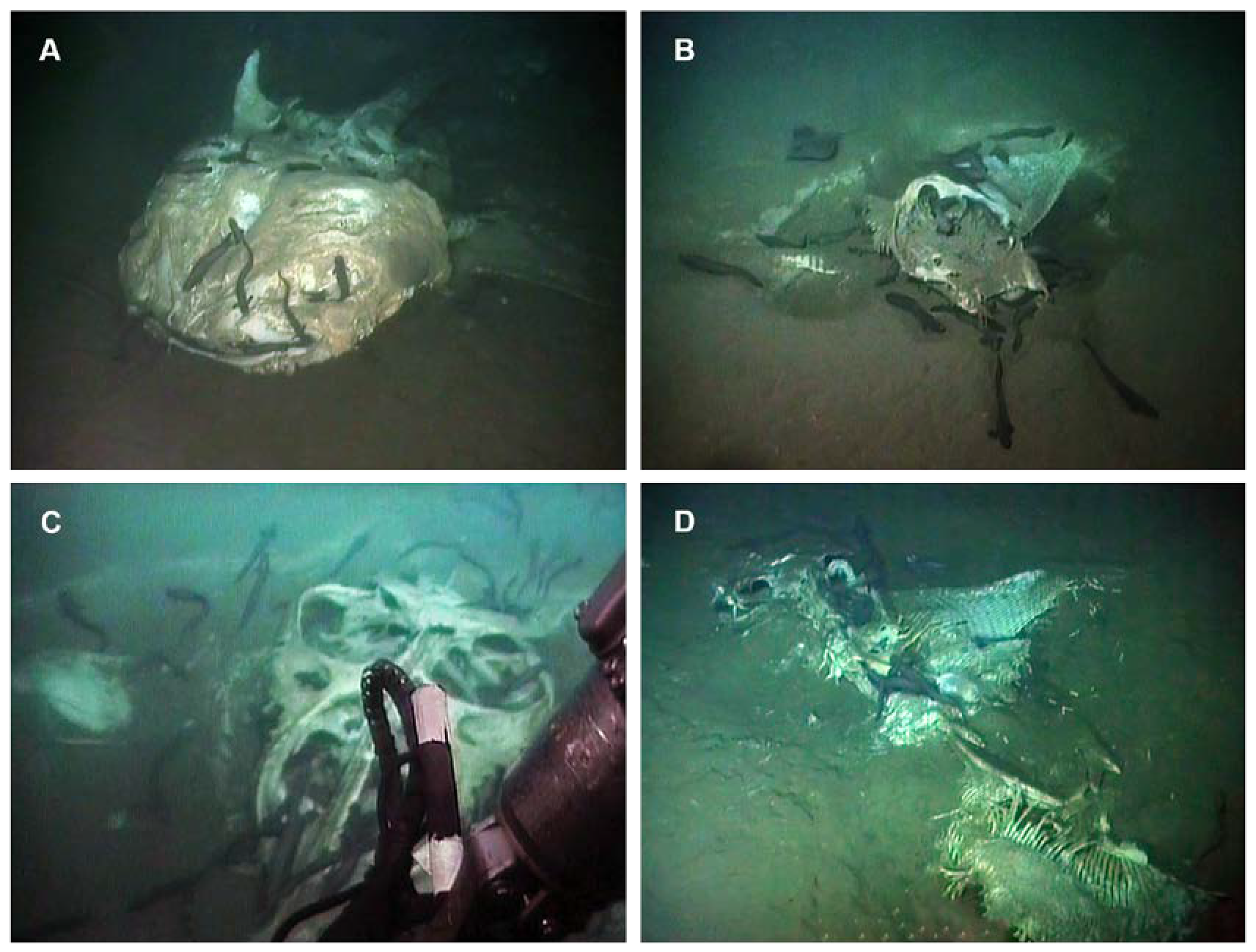
 

Images by Dr Nicholas Higgs

[A] The observed whale shark carcass is estimated to measure approximately 7.3 metres, equating to about 3,600 kilogrammes in body mass

[B] The remains of an individual Mobula were found at a depth of 1,233 metres

[C] A second mobulid carcass was found roughly 1.5 kilometres west of B, at a depth of 1,237 metres

[D] A third mobulid carcass was found 180 metres to the east of B, however, its head was pointing towards the north-northwest direction, indicating that it was not simply a re-sighting of B


A Gigantic Ecological Role

The carcasses of large pelagic vertebrates that sink to the seafloor represent a bounty of food to the deep-sea benthos. The natural mortality of the animals that exist in surface waters brings about many unexpected but positive dividends to the environment.

Researchers estimate that the carcasses of the massive whale shark individual and three devil rays found

off Angola could provide about four percent of the total food (synonymous with carbon) that arrives at the region’s deep-sea floor, a significant contribution as most benthic animals (living below 200 metres) are reliant on detritus – mainly dead plankton and faecal pellets produced by zooplankton – from surface waters as their primary food source. While most detritus reaches depths as millimetre-sized particles of marine snow, the remains of large plants, algae and animals arrive as bulk parcels that create areas of organic enrichment.

In productive stretches where a high number of large animals consume more plankton, the efficiency of the ocean ecosystem in removing carbon from the upper ocean is effectively increased. When these huge beasts die, they continue to benefit the environment greatly. Larger creatures have lower rates of predation than smaller ones, so a higher proportion of their biomass is exported to the deep rather than recycled in the pelagic food chain.

After sinking, the carbon locked up in their bodies is effectively removed from the surface-atmosphere system permanently via the biological pump, the ocean’s biologically driven sequestration of carbon to the deep sea. The particles transferred to the sediment remain there for thousands of years, and it is this export of carbon that is responsible for ultimately lowering atmospheric carbon dioxide. One study showed that by rebuilding depleted whale populations, their sinking carcasses would remove 160,000 tonnes of carbon per year, equivalent to planting some 110,000 hectares of forest.

Thus, the surface oceans and the deep are closely linked. Ocean giants can and do isolate a significant amount of carbon to the ocean’s bottom, helping scientists to better understand how our marine ecosystems can help to maintain conditions on Earth. 

Read the full story and more by downloading a digital copy of Asian Diver No.134 Issue 5/2014 here! And for a limited time only, get the best e-magazine deals at USD7.99 for 6 issues* (Usual rate: USD29.94) 

Mastering the Bubble Bokeh

0
Looking to explore a new photography style? Tobias Friedrich tells of how he stumbled upon the bubble bokeh effect and shares some tips on how to achieve this dreamy look


By Tobias Friedrich

Underwater photographers are constantly looking for new techniques and styles to impress. With the technology available in today’s digital age, anyone can easily create stunning images by experimenting with camera settings and photo-editing software. While this is wonderful in creating opportunities for aspiring photographers, a saturation in photo creativity has been reached, and finding fresh ideas has become difficult.

To win underwater photography competitions, copying the styles that others have created won’t win you first place. A replicated style will not impress judges and viewers who have already seen similar images – the effect would simply not be the same. So how can we get new ideas or inspiration? This is actually the hardest but most creative part of underwater photography. 

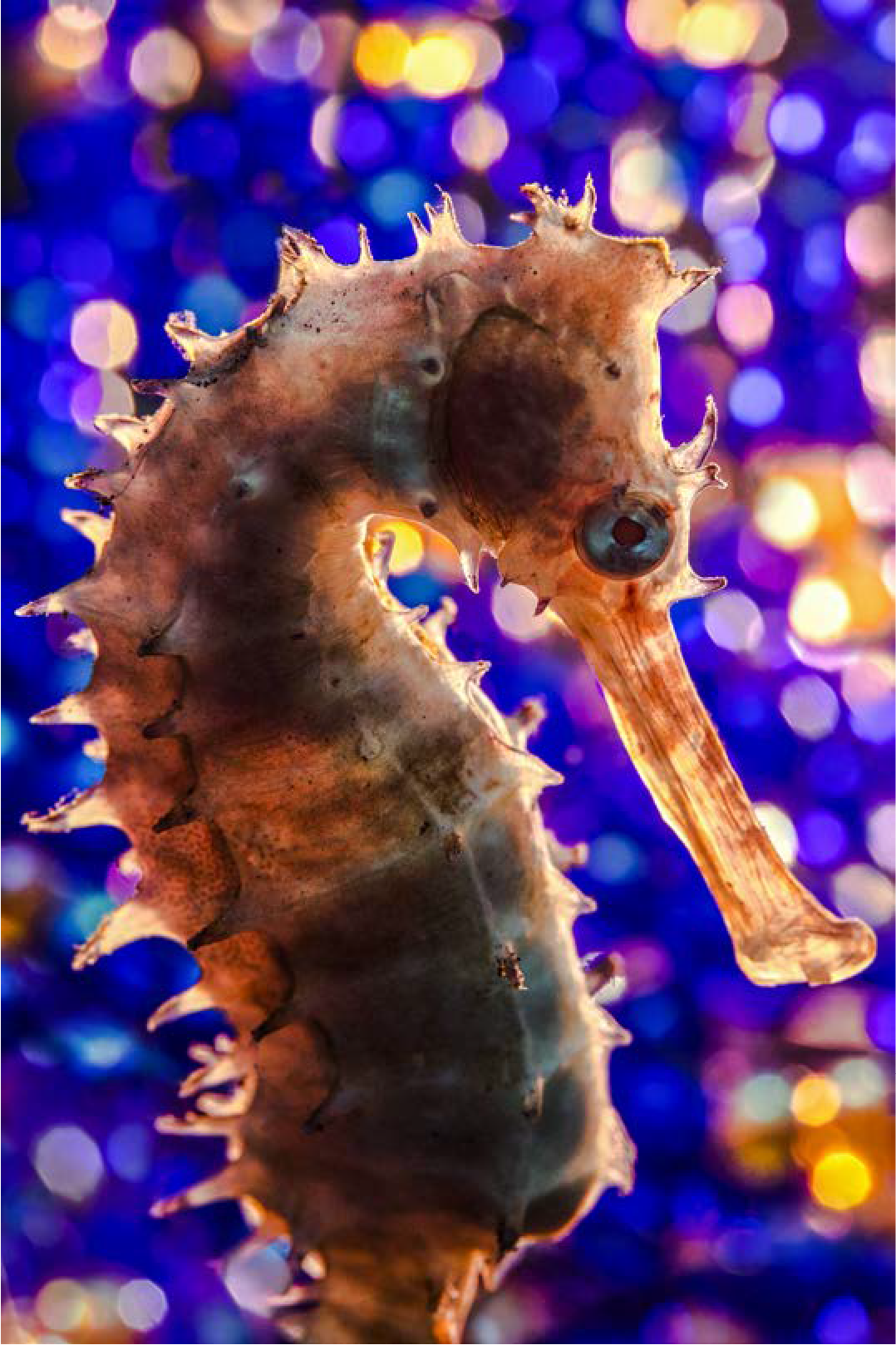
Backlit seahorse with bubble bokeh background

The idea for the bubble bokeh concept came to mind when I was experimenting with projector lenses. The idea was to create different backgrounds for standard subjects with a so-called “bokeh”, which simply put is a type of blurred background. These lenses are great because they give a completely different look from the standard lenses that produce a smooth and simple background. Projector lenses come in different varieties and produce different bokeh effects. The Meyer Görlitz Trioplan 100mm not only creates “bubbles”, but also forms a small ring on the outside of each bubble, which is extremely beautiful.

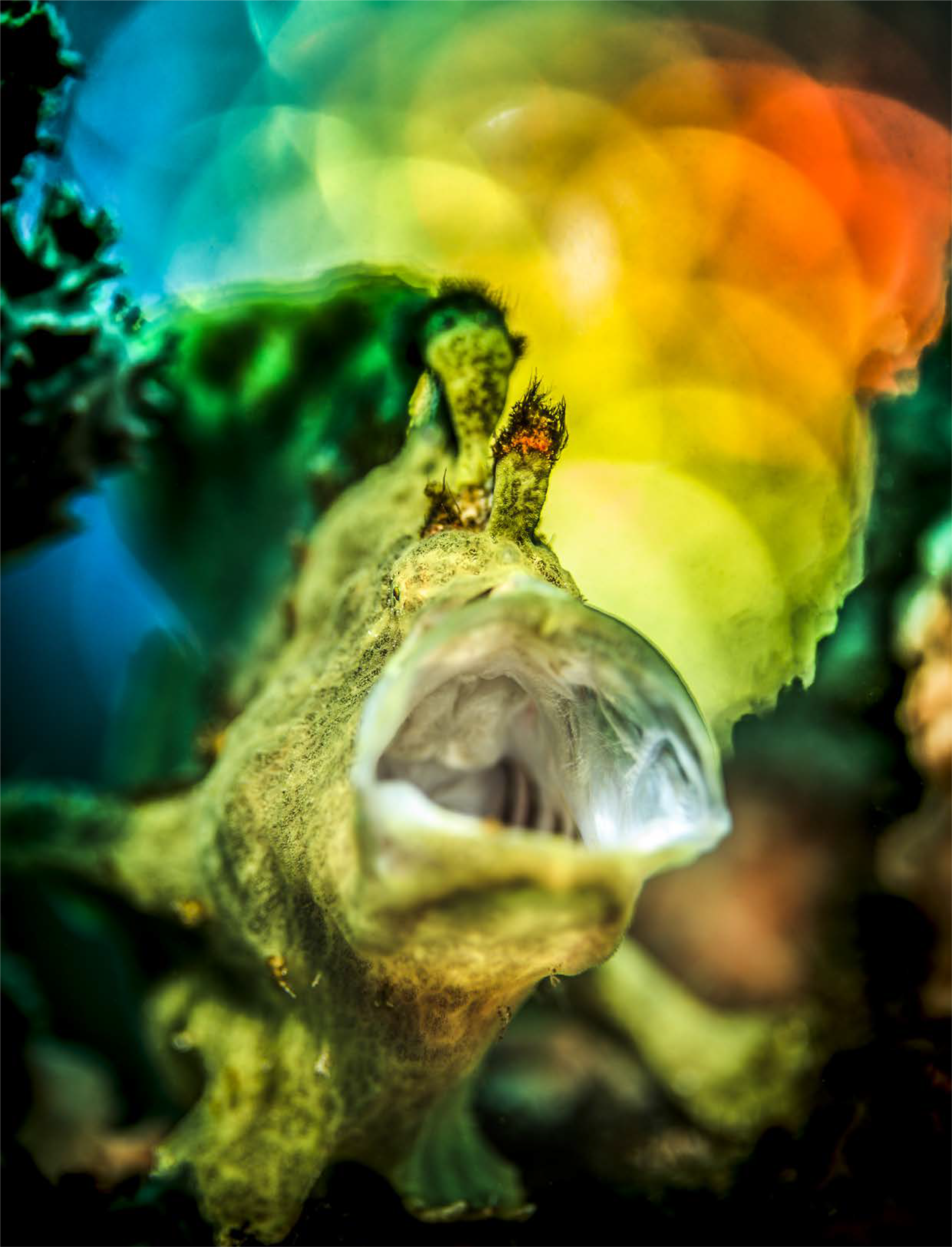
The best and most intense bubbles can be produced when the lens is set to its biggest possible opening, which is usually f/2.8 for most lenses. However, this makes it very hard to focus on the subject, such as the eyes of a fish, because the depth of focus is only a few millimetres thick. Another issue is finding the light to create the bubble bokeh underwater. Above water, these lenses perform very well with just the sunlight’s reflection in the distance. Underwater, achieving the same effect is much more difficult, though it is possible at dawn and dusk when the sunlight hits the surface. Unfortunately, the time frame to get these images is very short and finding a suitable subject in that limited time is difficult. 

A yawning giant frogfish, taken
with an extremely shallow depth of field, Bali, Indonesia

The big question was how to create an artificial background that looks like the perfect bubbles formed above water. During a workshop in Lembeh, I met Sascha Janson, an underwater photography instructor who showed me a special, colourful background he had been experimenting with. This was the inspiration I needed – I immediately had the idea to put some additional lights behind the background to illuminate it from behind, which hopefully would create some bubbles in the bokeh of the shots. I took the background and the lights with me on my next dives and performed some test shots, spending almost an entire dive photographing a black hairy frogfish!

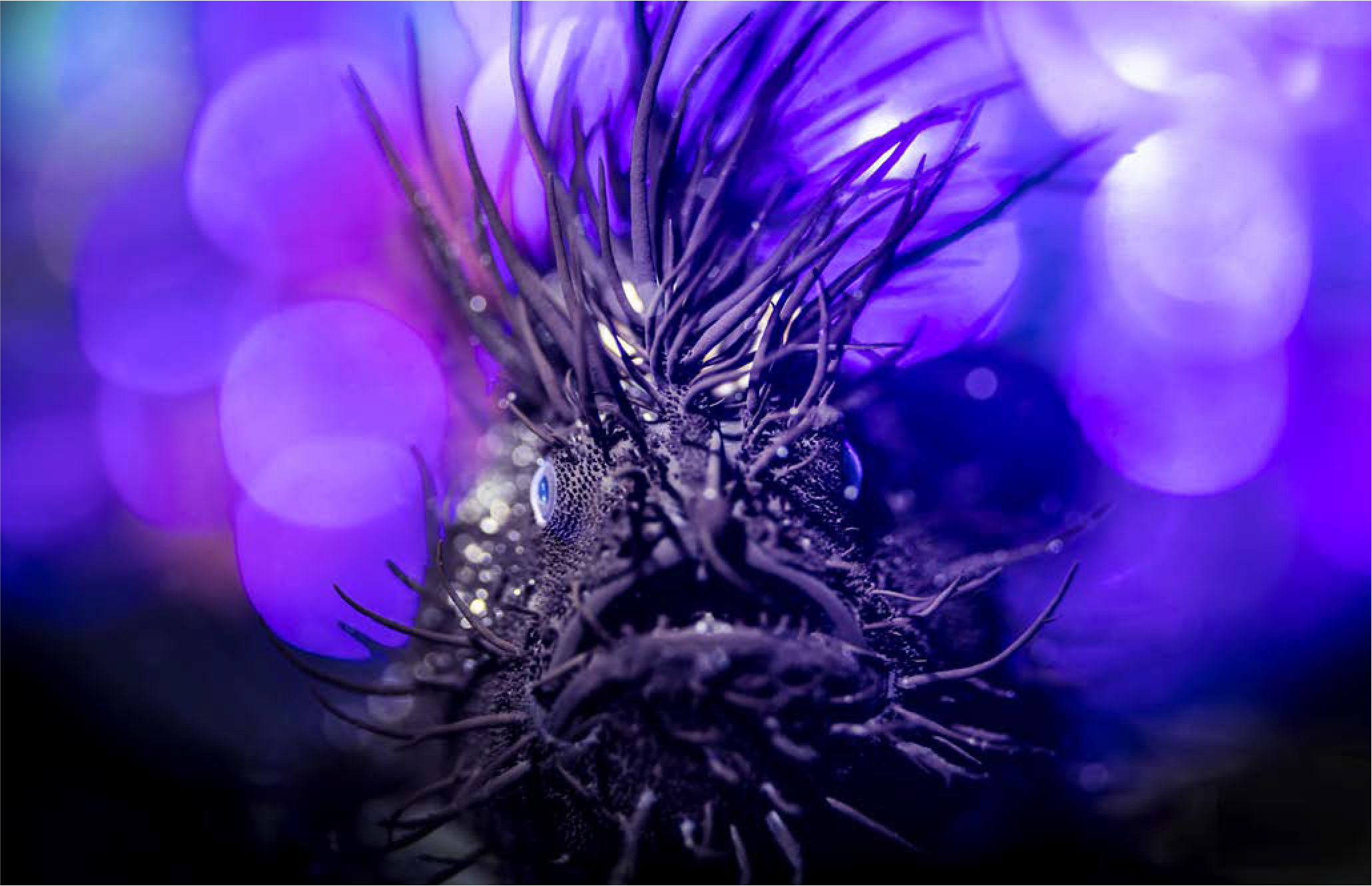
Black Hairy Frogfish
The frontal view of a black hairy frogfish, Lembeh Strait, North Sulawesi, Indonesia

The idea was born, the concept was proven, and a plan was made. I was to create a series of bubble bokeh images with different subjects and backgrounds. Straight after my visit to Lembeh Strait, I visited Doris Vierkötter in Bali. Doris, who is an award-winning photographer herself, was immediately hooked by the idea of this bubble background. Together, we spent nights working on improving the backgrounds till we achieved the mood and colour we wanted. The first results with the improved backgrounds were very satisfactory and for the following months, I went around the world continuing to experiment with this effect. I am proud to say that I am very pleased with the end result, but as with all new creations, the effect wears off on viewers after some time, so I’m not planning on continuing the series. Instead, I will keep looking for more ideas and playing around with natural light for the perfect bubble bokeh shot.

For more stories, download a digital copy of Scuba Diver Australasia + Ocean Planet No.113 Issue 3/2018 here! And for a limited time only, get the best e-magazine deals at USD7.99 for 6 issues* (Usual rate: USD29.94) 
The Consumption Conundrum

0
The Consumption Conundrum
Cleaning up global plastic pollution is a major problem but the real headache is reducing the world’s appetite for this multifaceted material.


Text by Terence Koh 

Convenience. It is the most vital ingredient of our fast-paced, modern lifestyle and the single, biggest impediment to solving the most serious environmental problem faced by humans today. With our rapacious appetite for economic growth throughout the 20th century, convenience has become the most important factor in achieving time savings and better productivity. Our need for everything to be faster, cheaper, better has made convenience an essential need of every productive citizen.

CHASING ECONOMIC GROWTH: THE NEED FOR SPEED

At the turn of the 20th century, with society still using centuries-old techniques to produce household items like porcelain plates and metal cutlery, nowhere was this pressure for progress more keenly felt than in the field of materials science. When the utility of porcelain and glass began to get outstripped by our demand for lower cost and higher efficiency, material scientists started looking for a better man-made solution – a cheaper, faster, more durable synthetic concoction that could provide all the conveniences that Nature could not. The invention of plastics is one that truly revolutionised the 20th century. 

The first man-made plastic, Parkesine, invented in 1862 by Alexander Parkes, was integral to our understanding of creating synthetic polymers, using, in this case, natural substances like cellulose to create long chains of atoms arranged in repeating units to make polymers strong, lightweight and flexible. This initial breakthrough was followed up in 1907 by Leo Baekeland’s invention of Bakelite, the first fully synthetic polymer to use the plentiful carbon atoms provided by petroleum and other fossil fuels as building blocks to build a “pliable and easily shaped” material. The ability to create an unbreakable, lightweight bowl by simply heating a substance and having it retain its shape when cool, not only made the manufacturing process cheaper, but plastic can also easily be shaped into whatever forms consumers wanted. However, what was most revolutionary about the material was not just its cost but the unprecedented changes it made to the lifestyle of the consumer.

With the invention of plastic, families with children could now use plates which were durable, unbreakable and safe. Items easily damaged by water could now be wrapped in protective plastic film while items that disintegrated when wet could now be waterproofed with a film of plastic applied to it. Cheap plastic crockery allowed families to save time by eating on the go, allowing families to work longer hours and finish meals without needing to do the dishes. The convenience produced by plastic products brought about massive time savings, which improved productivity worldwide.

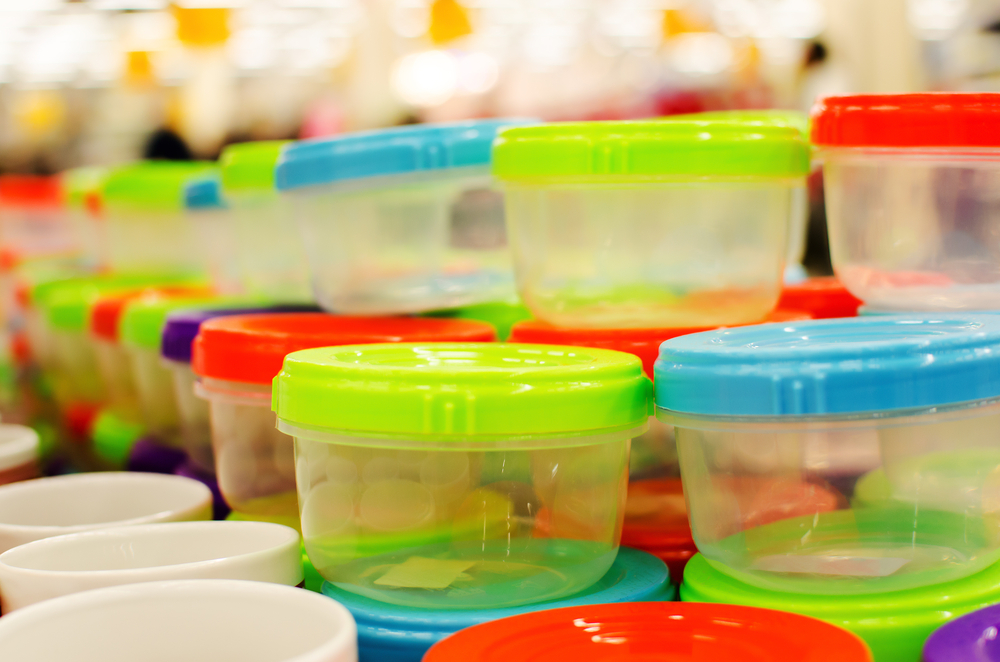
Plastic containers for food with coloured lids

THE COMPLICITY OF THE POOR

Unfortunately, the very properties of plastic that made it so attractive in the first place are also the reasons why the Earth is drowning in plastic waste. Plastic is too cheap and too durable. It’s so durable, it can last for hundreds of years before it breaks down. It is so much cheaper than natural materials that it is easier to justify throwing it away than to spend more money trying to recycle it. One of the main reasons why plastic consumption is so hard to eradicate is because its low production cost upends the economics of being green. Compared with conventional materials like metal and glass, a drinks manufacturer using plastic bottles would be able to pass on the savings from not using glass bottles and metal bottle caps over to its paying customers instead. Poor families would find it hard to give up buying cheap juices in plastic bottles in lieu of juice bottled in glass. In countries where a large proportion of the population is urban and poor, the economics of plastic consumption is especially hard to displace.

THE CONSEQUENCES OF DURABILITY

It is easy to forget that plastic was once seen as an antidote to the killing of elephants for ivory and hawksbill turtles for combs. With ivory being used to make everything from piano keys to billiard balls, animal lovers the world over were grateful when John Wesley Hyatt, in 1869, popularised the cellulose-based plastic (called celluloid) that eventually changed every ivory billiard ball into a plastic one. The ubiquity of plastic, however, was not an immediate event. Celluloid was volatile and making things out of it was labour intensive. It took the invention of the injection-moulding machine for celluloid in 1939 by Arthur Eichengrün to unleash the productivity required for mass production.

The world only realised the usefulness of plastic during World War II when the monopoly of natural rubber by the Axis Powers forced the Allied Powers to invent synthetic rubber for army vehicles’ tyres. Invented by Waldo Semon from the B.F. Goodrich Company in 1940, Semon’s strain of synthetic rubber is a synthetic polymer derived from petroleum-based monomers like styrene and butadiene.

“What was most revolutionary about the material was not just its cost but the unprecedented changes it made to the lifestyle of the consumer.”

For other stories, download a digital copy of Asian Diver No.152 Issue 1/2019 here! And for a limited time only, get the best e-magazine deals at USD7.99 for 6 issues* (Usual rate: USD29.94) 
Critter Confidential

0
Critter Confidential
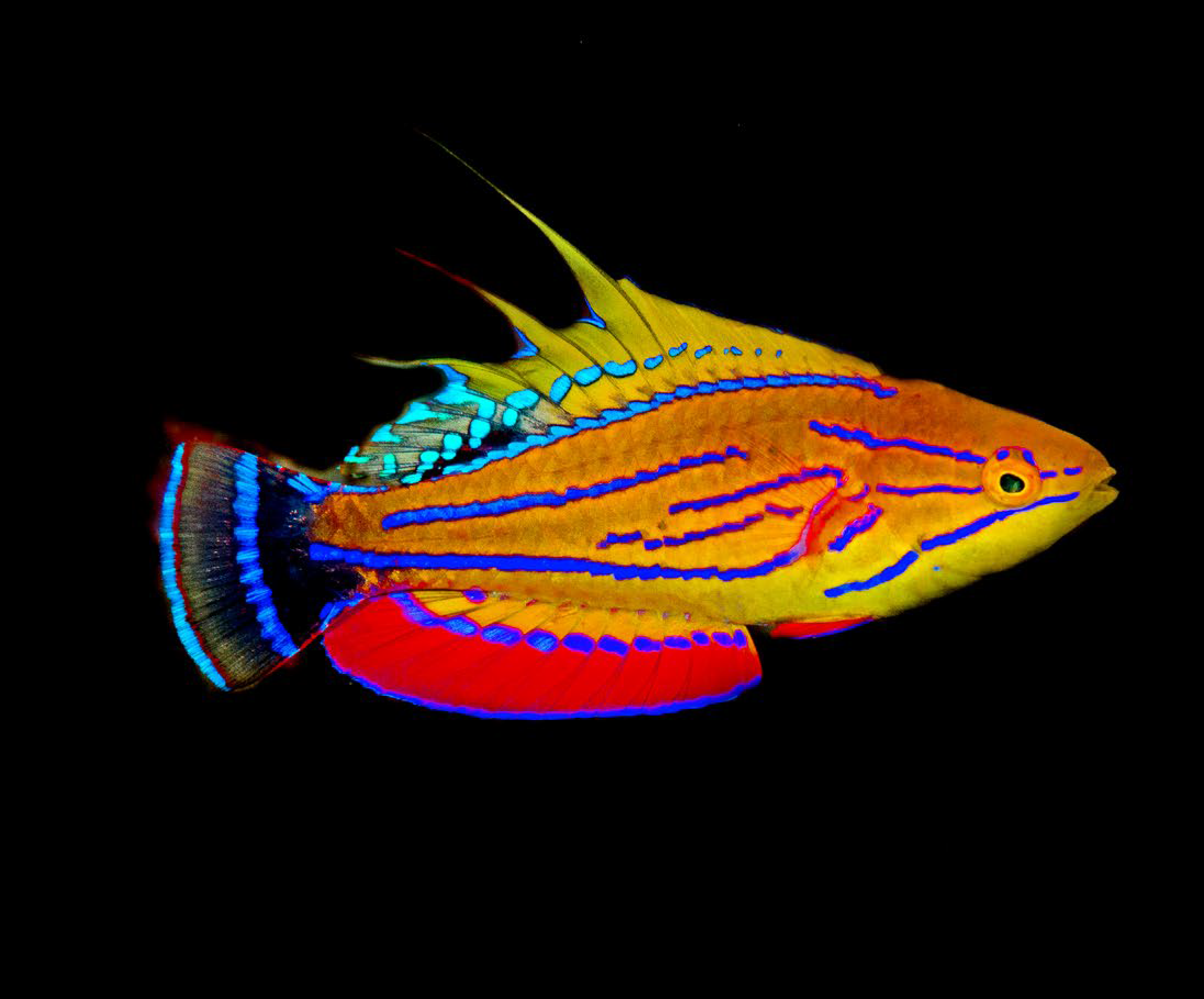
1. Flasher wrasse, Paracheilinus mccoskeri, are another top shot for challenging images. Longer lenses, fast focus and patience helps to capture these strikingly beautiful fish Settings: f/22, 1/200s, ISO 100
Back to the basics of shooting animal behaviour

Text and images by Mark Bartick

Flashback: I sit anxiously and imagine being showered by praise and glory as my mentor quickly rifles through my file of monthly images. After a few minutes, he begins shaking his head and finally looks up at me over his glasses and asks if I was proud of these images and did it take me a long time to shoot them. Before I could answer his questions he loudly exclaimed that I had “blown a chance of a lifetime and that I would never get that chance again!” Talk about deflating.

THE GUIDING TRINITY

Perhaps his methods were a bit rough around the edges but my admiration for him and his work forced me to listen up and to keep my head in the game, as he would challenge each of my photos, demanding:

  1. What am I looking at?
  2. What could I have done to make it a better shot? 
  3. Where is the action?

These three questions still resonate with me as loudly today as they did back then, guiding and inspiring me on each and every outing. Taking your underwater photography to a new level often requires outside intervention, to create a new approach and to smash old habits.

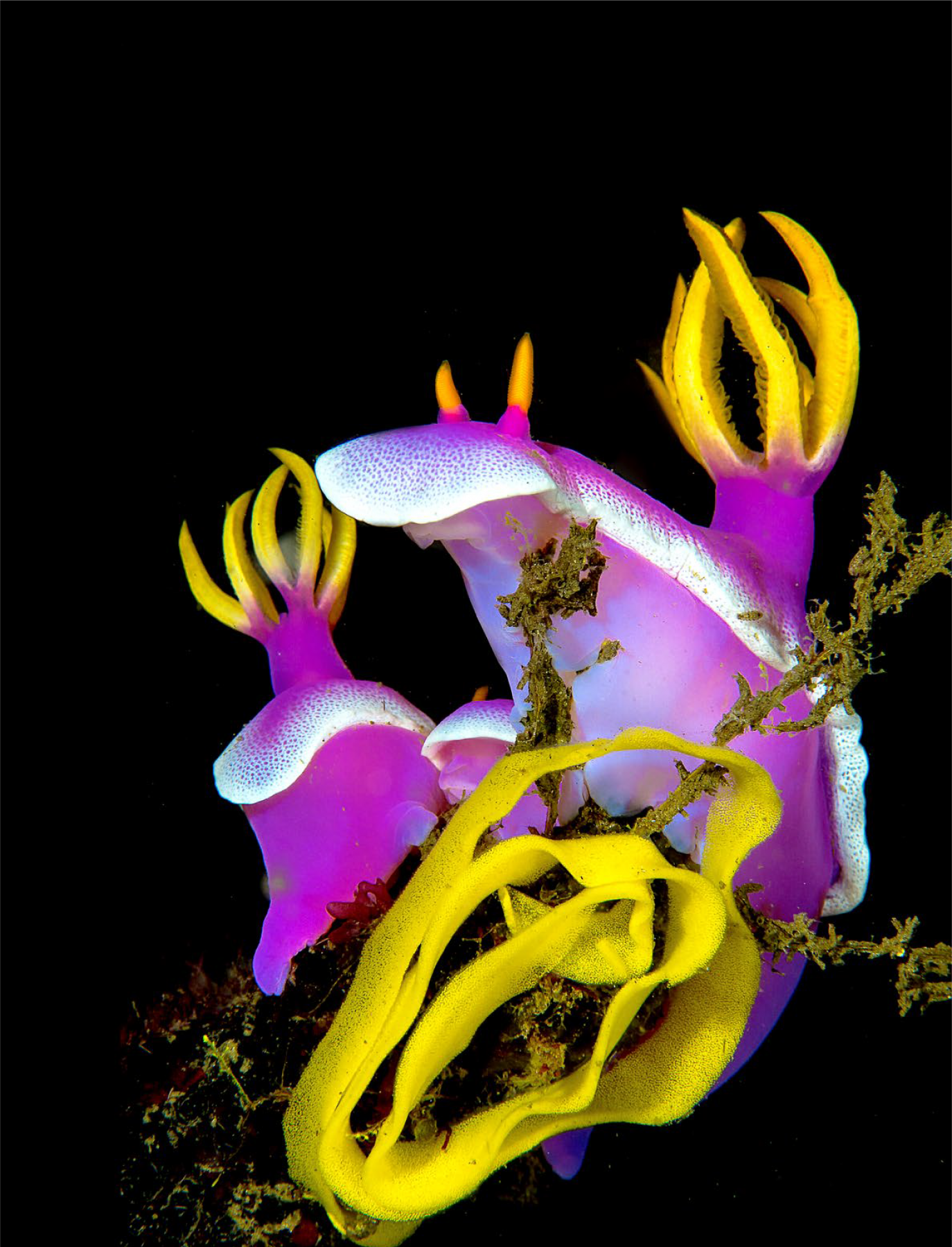
Nudibranch
Nudibranchs also make super subjects to learn and hone your craft for shooting behaviour. Mating, eating, laying eggs are all great images to capture
Settings: f/18, 1/250s, ISO 100

THE TIME IS NOW AND YOU HAVE THE TOOLS

Capturing the action in an image, or behaviour as it unfolds, is often as challenging as capturing lightning in a bottle, but it doesn’t need a million dollar set-up to do so. In fact, the best camera and lens is probably the one you own right now and the best time to shoot behavioural images is on your very next dive. 

Using a simple and regular routine before you set out is highly recommended, and sticking to a system on your dives is a proven way to increase your odds of success. Study, stealth and strategise like a hunter for the toughest of subjects and use a baseline of camera settings for quick action on the sand flats.

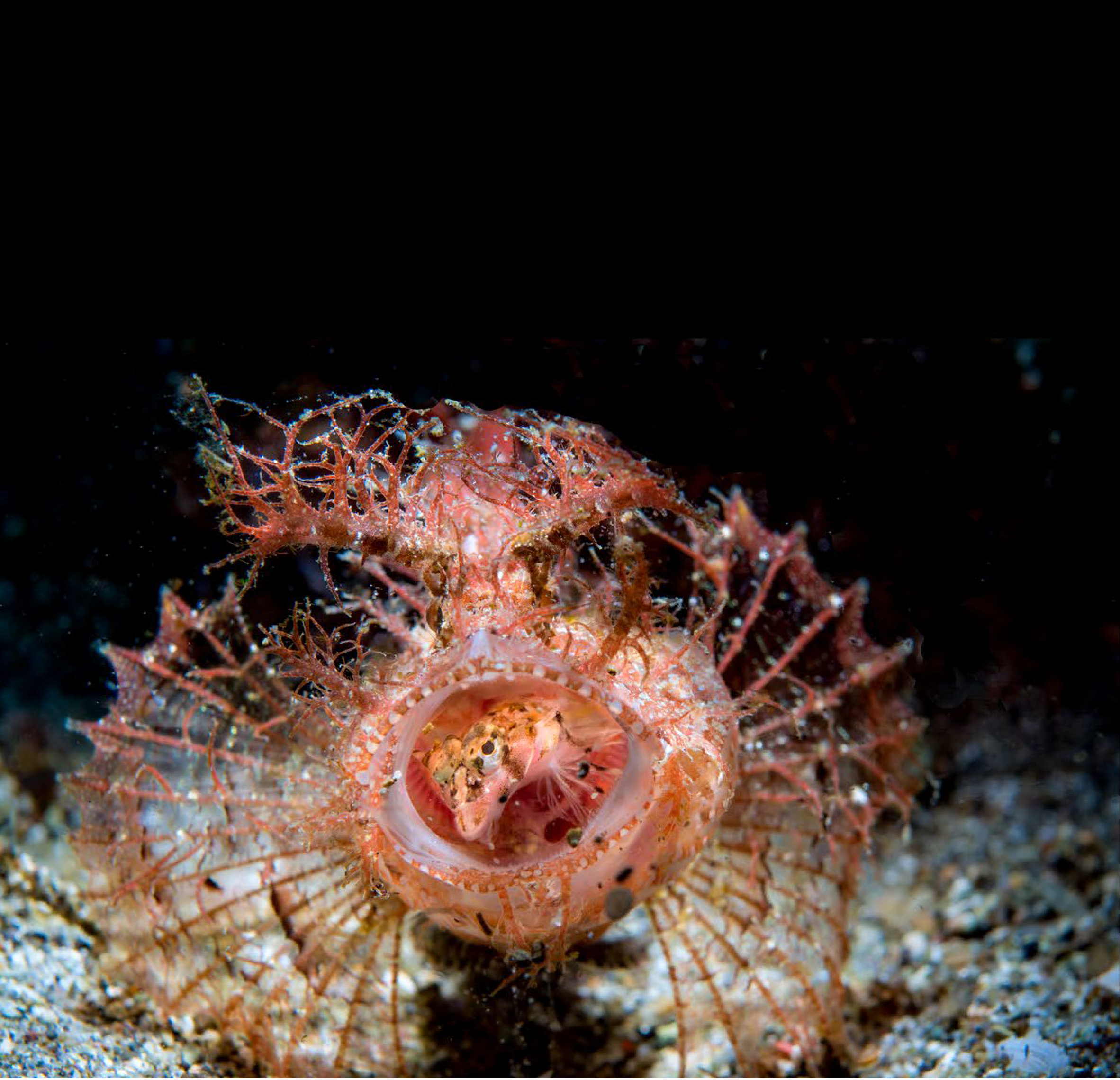
Ambon scorpionfish
Ambon scorpionfish, Pteroidichthyus amboinensis, are shaggy, filamentous lie-and-wait predators that are always on the hunt. Look closely and you will see the remains of a lizardfish that was evidently in the wrong place at just the right time
Settings: f/16, 1/250s, ISO 125

STUDY

Research your subject

Sometimes it takes a while to find your subject. For many travellers, this could equate to years or even a lifetime of searching blindly so try to formulate a plan by knowing your subject. Knowing what it looks like at rest and in action, its main food source and its natural habitat and behaviours will help you to limit your search to specific target zones that will increase the odds of finding your subject.

STEALTH

Approach with care

This phase demands that a diver thinks of his diving skills and dive kit as much as the technique required to shoot the images. Many marine creatures are timid so you need to be stealthy in your approach. Frog kicking is best as you should be careful not to disturb the bottom as many delicate creatures live in the sand and are vulnerable to your presence.

Behaviour shots with macro and super-macro also add a needed punch to common images. The use of snoots and or dioptres will help to create drama and to magnify smaller subjects. Get low, get close and shoot up when possible to help isolate your target from a busy background Settings: f/9, 1/125s, ISO 100

STRATEGY

Lights, Camera, Action! The technical aspects of your photos cannot be ignored as that chance of a lifetime is bound to present itself. Use the simple steps below and try to streamline yourself. A simple set-up is always better and allows you to concentrate on observing your subject.

Lights

Lighting is everything with underwater photography. Pay close attention to your strobe placement and its distance to your subject. This will help to create better exposure and highlight the details of the action. Take a test shot of something else at the anticipated distance before approaching your subject, make your adjustments early and be ready for that one shot photo op!

Camera

Deciding which lens to use ahead of time is a great

way to help you formulate your image. How big is the target subject, how close will you be able to get and is a teleconverter or diopter a good choice? F-stops, shutter speed and ISO settings should all be considered ahead of time.

Action

This is where it all comes together and pays off. Finding the target subject, anticipating its behaviour, setting your strobe positions, and with your camera settings dialled in, making your stealthy approach to capture the image.

Frogfish
Just after sunset I stumbled
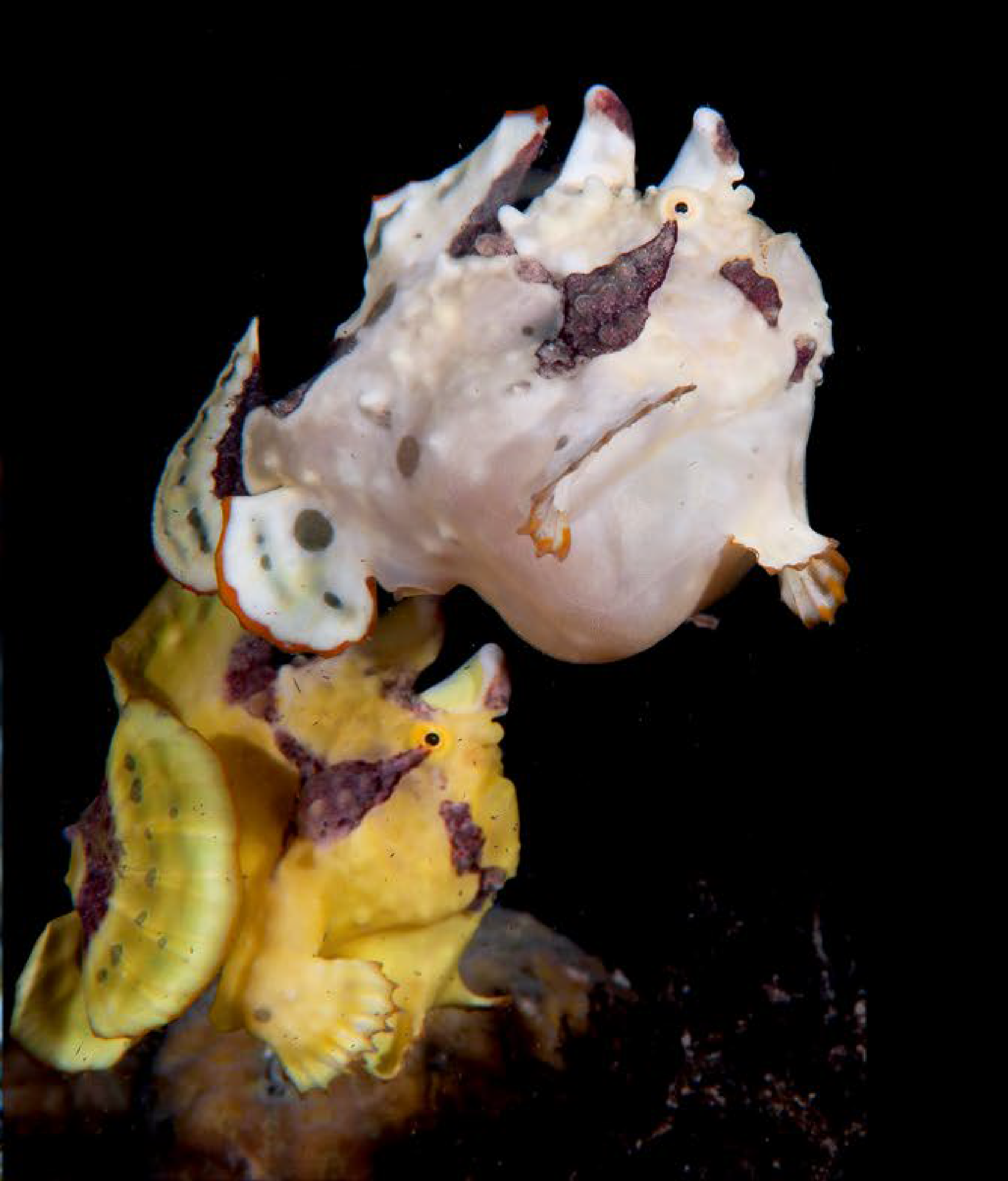
upon these two frogfish, Antenarius maculatus, about an hour before they decided to spawn. The female signalled the male with a subtle twitch, he moved in and pushed her away from the rocks, and with all of their effort they swam to the surface where they spawned. I followed them up trying everything I could to keep them framed and in focus. Try not to become overly anxious or overshoot your strobes’ recycling ability Settings: f/16, 1/100s, ISO 200

Patience pays off and revisiting your subject might be necessary to capture better images. Challenge yourself to create the best possible image of each creature in each situation and settle for nothing less. Remember that there is action and then there is the peak of the action with shooting behaviour, so hold tight and wait for it…  


Get photography tips from acclaimed underwater photographers William Tan, Henry Jager, Pam Murph, Erin Quigley and more by downloading a digital copy of Scuba Diver Ocean Planet No.4 Issue 4/2015 here! And for a limited time only, get the best e-magazine deals at USD7.99 for 6 issues* (Usual rate: USD29.94) 
World Rivers Day: The Plight of Our Rivers

0
World Rivers Day
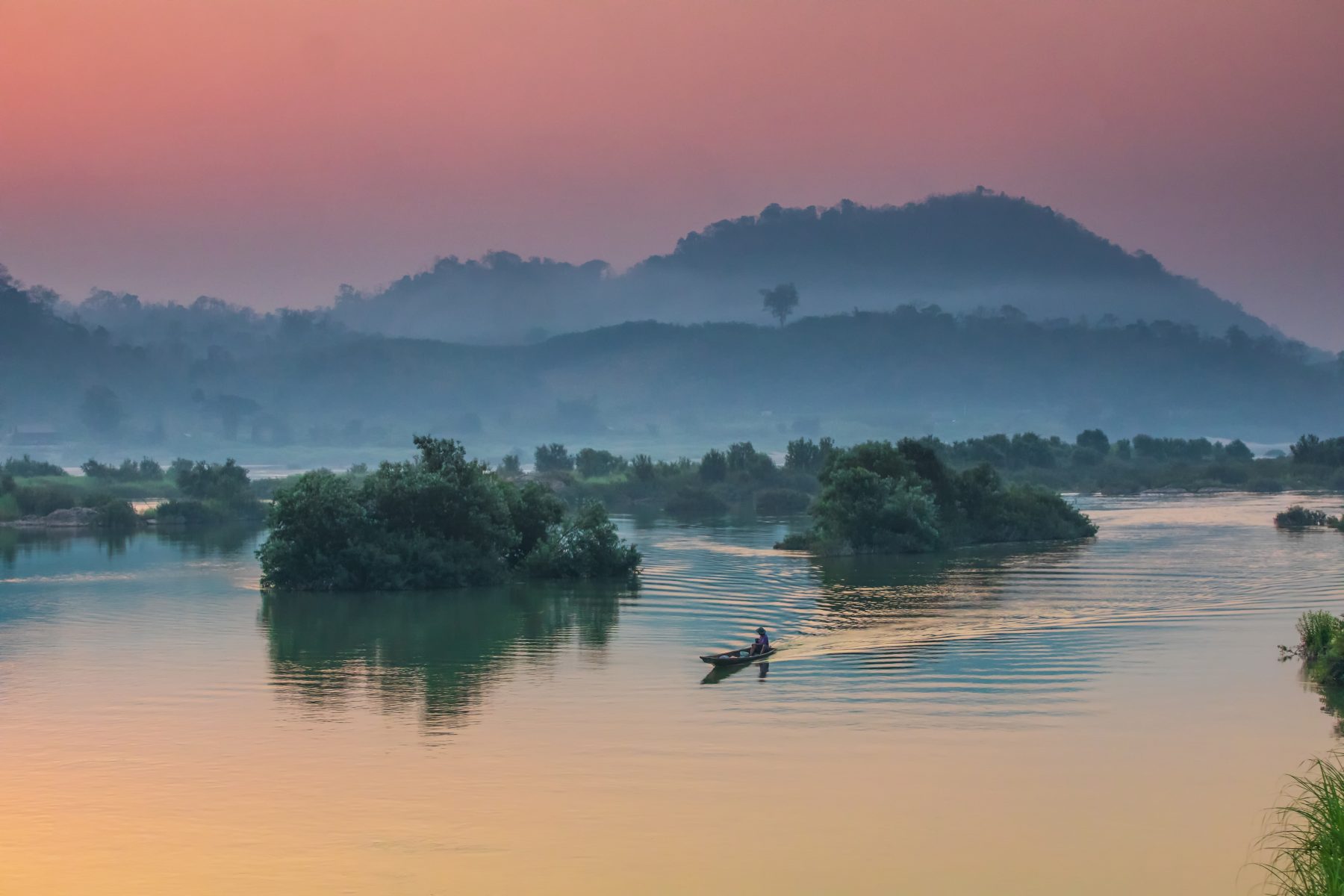
“Rivers are the arteries of our planet; they are lifelines in the truest sense.” — Mark Angelo


The Fourth Sunday of every September is known as World Rivers Day – a day to celebrate the beauty and values of our rivers as well as commit to eliminating the threats that could potentially endanger them. The proposal for this global event was initiated to the United Nations (UN) by internationally renowned river advocate, Mark Angelo, after the organisation launched the Water for Life Decade back in 2005 to create greater awareness regarding the need to better care for our water resources.

Rivers have been extremely important to civilisations across the world since prehistoric times, shaping our cultures, traditions and lifestyles. They provide travel routes for expeditions, trade and recreation, supply fertile soils for agriculture, and serve as an important energy source that powers the water turbines of hydroelectric plants. With around 96% of the Earth’s water body consisting of salt water which is undrinkable to humans, we rely heavily on the freshwater of rivers for hydration and other domestic purposes. 

But the rivers of today face an array of challenges posed by human activities including rapid urbanisation and climate change. According to the UN, 80% of global wastewater returns to the ecosystem without being treated or reused. This pollutes our rivers and results in an estimated 1.8 billion people relying on water sources contaminated with faeces for survival.

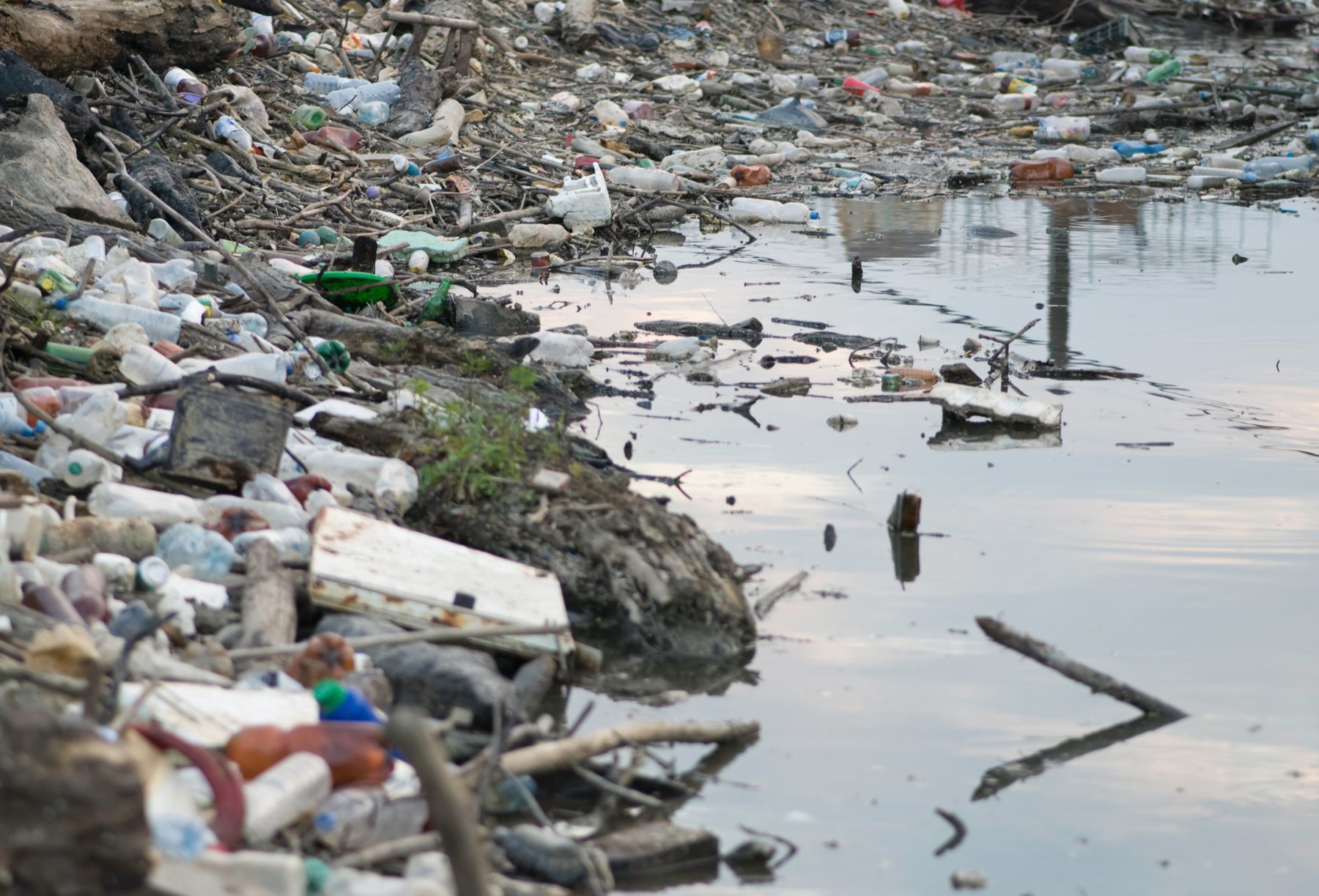
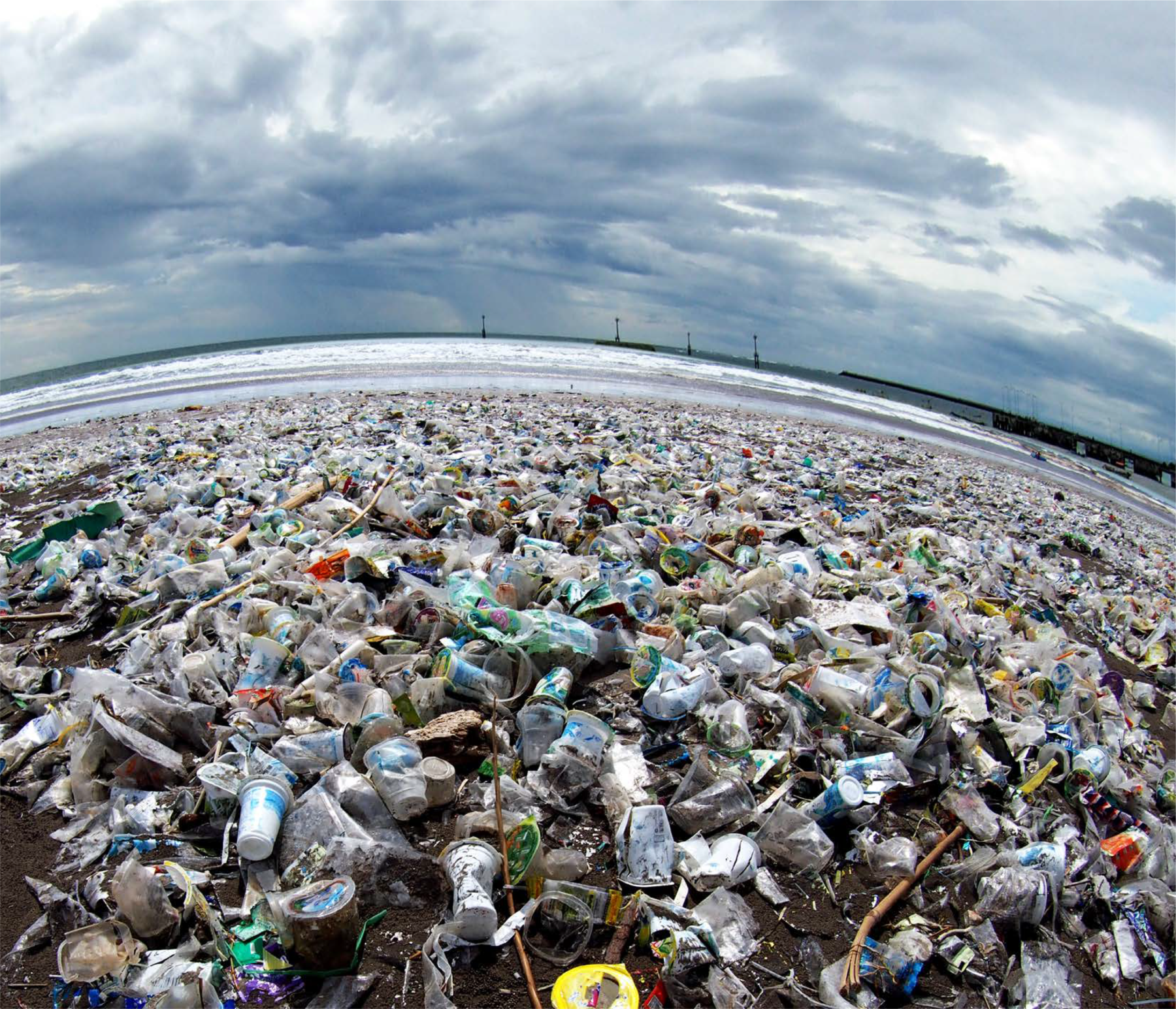
Another study conducted by Helmholtz Centre for Environmental Research (UFZ) in 2017 discovered that about eight million metric tonnes of plastic debris are carried out to sea by large rivers every year. Furthermore, up to 95% of the plastic polluting the world’s seas and oceans come from just 10 river systems, with eight of them in Asia. The beauty of our rivers is no longer able to mask the reality of its plight.


River bank polluted with waste


But there are plenty of things we can do at home to protect our rivers. This includes using biodegradable cleaning products and environmentally-friendly body products as well as reducing the oil or grease being washed down into our sinks. Doing so prevents these chemicals from entering the drainage system and going back into our rivers. Conserving water by turning off the tap when not in use and timing your showers can decrease the amount of contaminated water that needs to be treated. These actions may seem insignificant, but small streams make large rivers and the simple steps we take can go a very long way. 

You may also consider giving your support to these following organisations that are on the frontline of restoring and conserving our precious rivers.


The Ocean Cleanup’s Interceptor

The Interceptor is a 100% solar-powered device that extracts plastic autonomously and is capable of operating in the majority of the world’s most polluting rivers. It is able to extract 50,000 kilograms of plastic per day, and in optimal conditions, up to double of this amount can be collected. There are currently two Interceptors deployed in Asia, one in Indonesia and one in Malaysia. Working together with government leaders, individuals and private corporations, The Ocean Cleanup’s goal is to tackle 1000 of the most polluting rivers within five years. Learn about how you can help them achieve this here


[embedyt] https://www.youtube.com/watch?v=bMenLxORN6M[/embedyt]


Afroz Shah’s Mithi River Project

Afroz Shah, the young Indian Lawyer from Mumbai who spearheaded the world’s largest beach cleanup project at the Versova Beach, has turned his attention to cleaning up the Mithi River in India. Since November 2018, Shah and his volunteers have been collecting plastic waste and sending them to recycling units. Within a year, they have already cleaned 1.25 kilometres of the river. However, Shah estimates that it will take at least five years to cover the remaining 18 kilometers.


Renew Ganga

Almost 55 million kilograms of plastic enter the oceans from the Ganges River each year. To tackle this issue, Renew Ganga devised a strategy known as the “3 C’s” – collection, conversion and community. Their approach involves manual cleanup efforts and the installation of physical barriers to collect plastic waste in the river, conversion of waste into marketable and revenue-generating recycled materials and educating as well as engaging local residents in order to motivate the community to keep the Ganges River clean. As India’s waste pickers are primarily economically disadvantaged and socially marginalised women, the campaign also focuses on empowering them and bringing to light their positive impacts on the environment to help elevate their status and inspire others. 


Plastic Fischer 

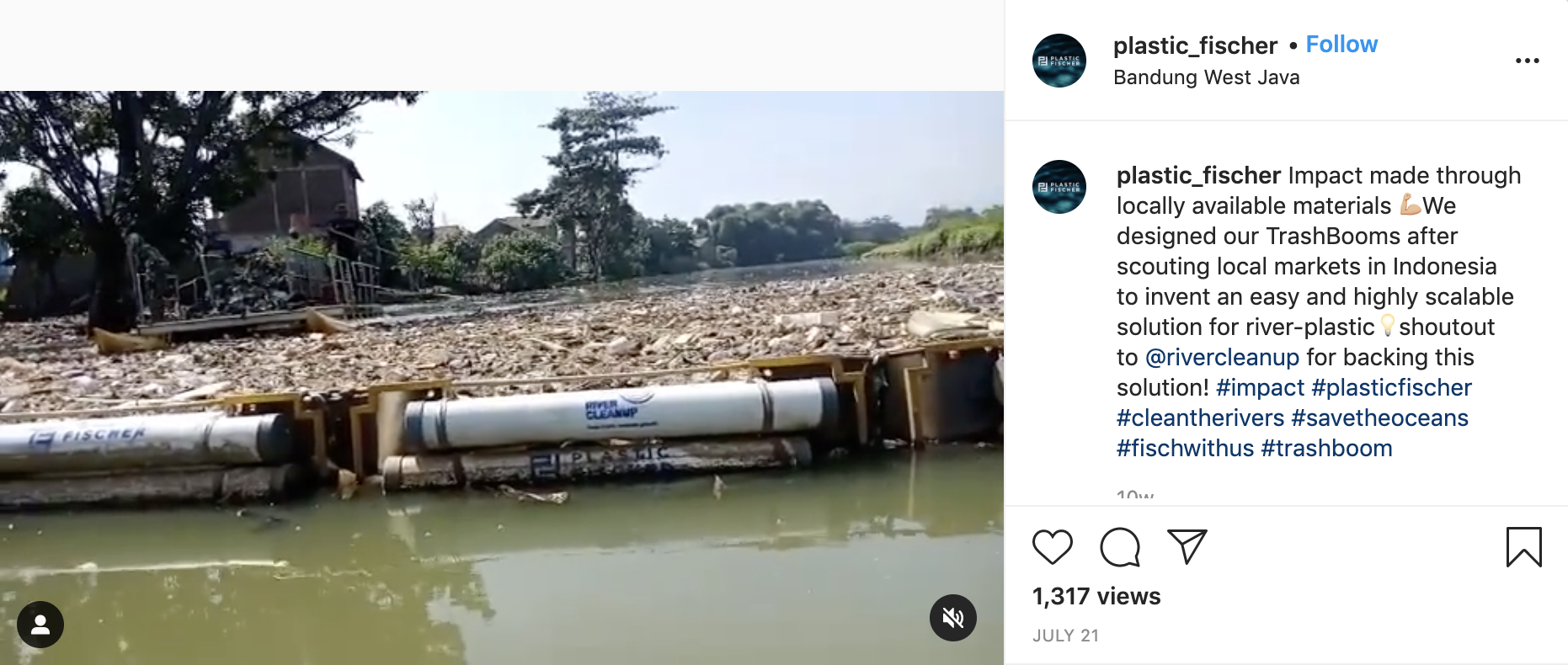
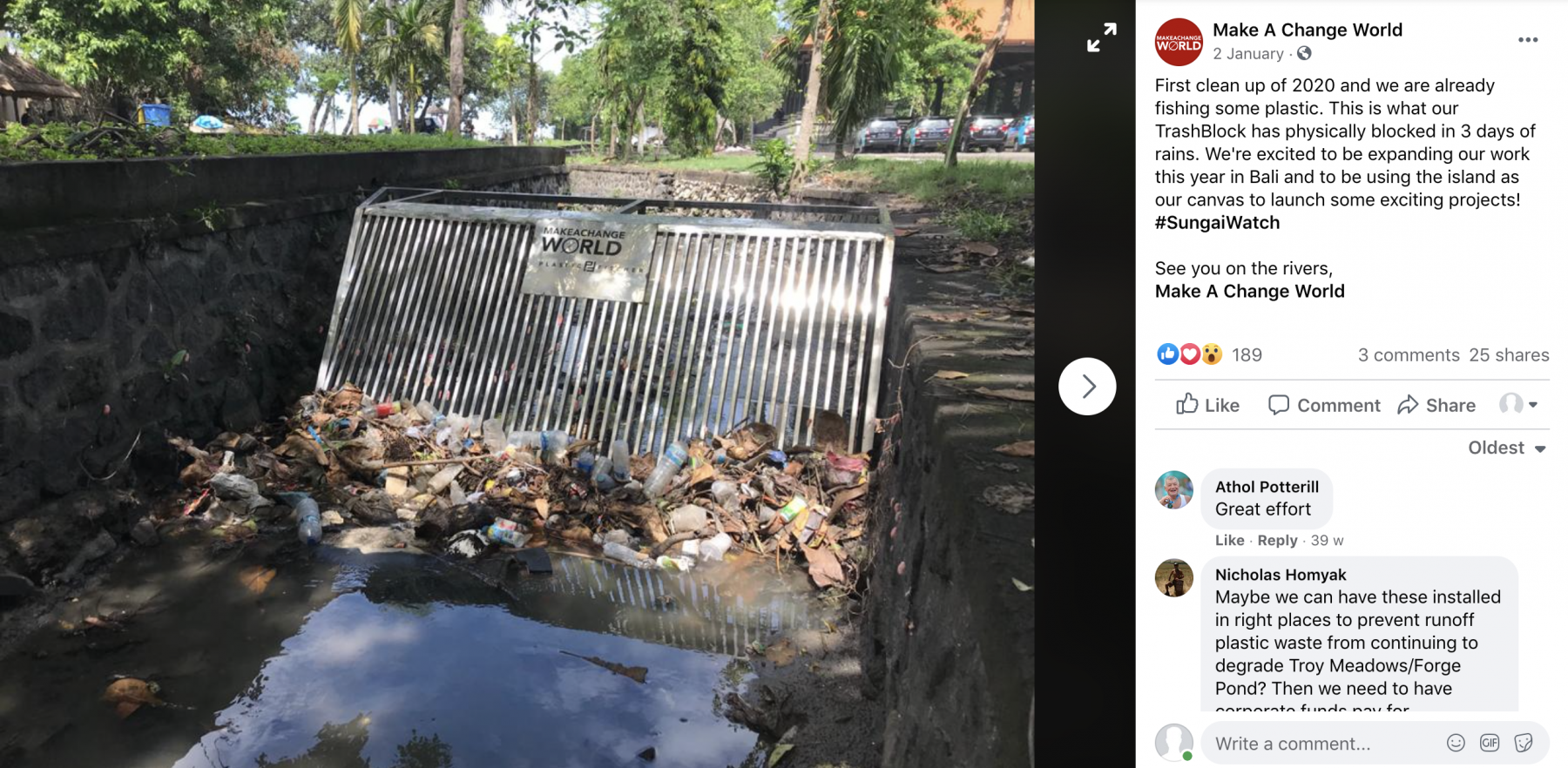
German tech start-up, Plastic Fischer, focuses on producing cost-efficient and effective plastic waste collection solutions for rivers in developing countries. This is done through the use of TrashBooms and TrashBlocks, which act as physical barriers placed in rivers to stop plastic pollution before it enters our oceans. Working in Bandung, Indonesia since 2019, they utilise locally available materials to ensure short production time and high scalability. As a young startup, donations are required to cover the costs for development, material and construction of collection solutions. Find out how you can help here.


Sungai Watch

Sungai Watch is a project launched by Make A Change World with a mission to turn back our rivers into the pristine natural alleyways they once were. In partnership  with Plastic Fischer, they have currently placed trash barriers catered towards rivers in Tibubeneng, South Bali and aim to set up 100 of these barriers by June 2021. The project makes use of Geographic Information System (GIS) mapping and artificial intelligence to monitor rivers, providing a way for the public to watch the cleanup of rivers in real time and inspiring them to take action. 

Descending the Great Wall of China

0
Between perpetual darkness and the “deep blue sea”

Text by Wu Li Xin, translated by Selina Tan

Photos by Wu Li Xin

Panjiakou, a submerged ancient city gate running along the Great Wall, is a hard place to be: looking for the right entry point demands intricate knowledge of the silty dive site, whose view in the summer is constantly obscured by an abundance of lush microalgae.

Thinking about it in the cold light of day, diving this location was indeed fraught with a high level of “surprise” – definitely a euphemism for “difficulty” – except the deeper you go, the clearer your objective becomes. Before Wu and his team plunged below the surface, they had to reference several photographs in order to navigate a safe spot to descend, given the unstable water depths found throughout the year.

Located approximately two hours away from Beijing, this iconic structure stood for hundreds of years by the Luan river (滦河) in Qianxi county, Hebei province, until 1977, when the river was dammed and part of the wall became submerged beneath the newly formed Panjiakou Reservoir. This body of water then overran two gateways of the Great Wall – one known as Panjiakou (潘家口) and the other Xifengkou (喜峰口) – earning the dive site dual names. Today, it is more commonly referred to as the Underwater Great Wall.

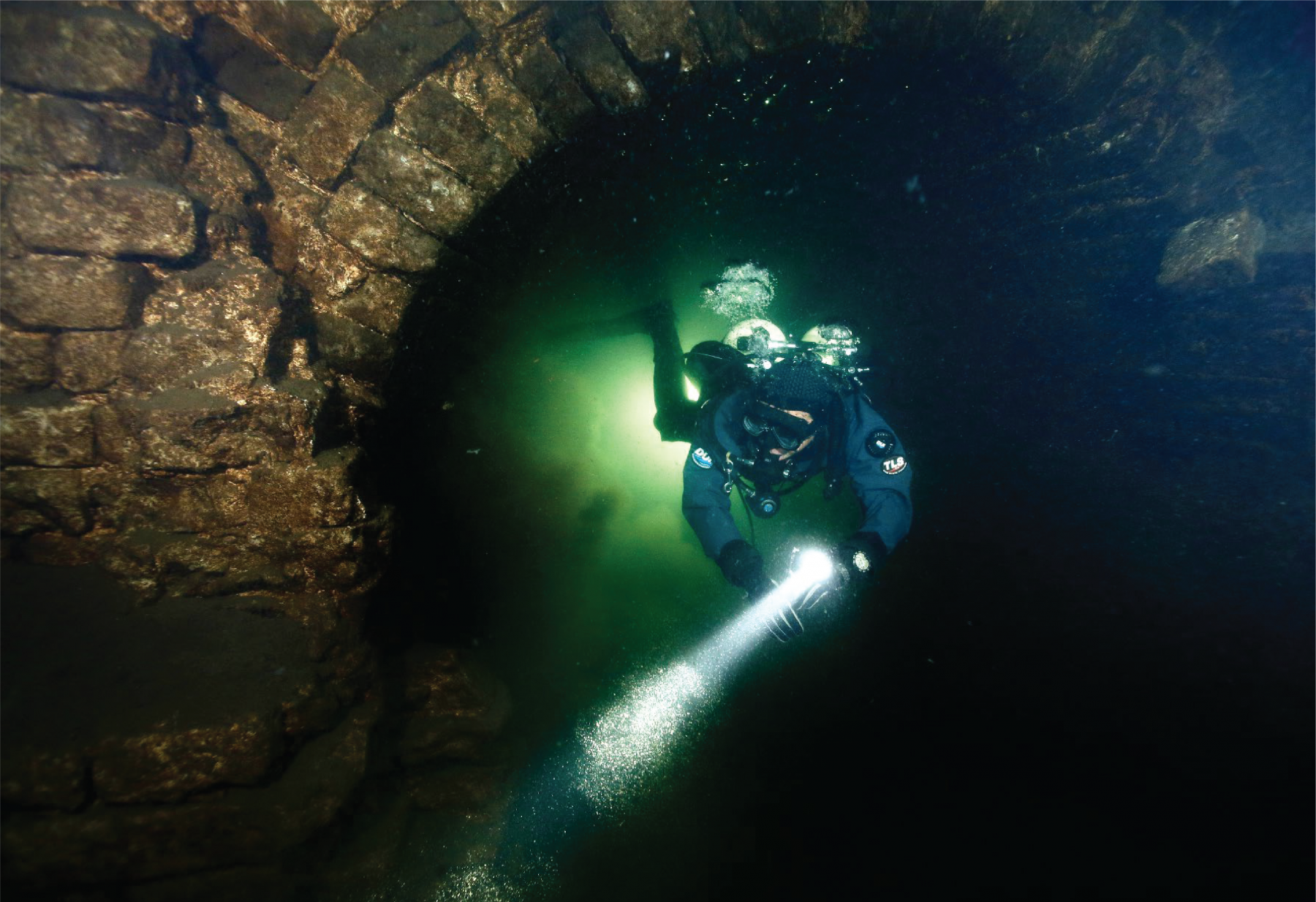
It blows divers’ minds to know there is a section of this famed landmark that is accessible only with scuba gear. Panjiakou lies underwater, and the wall rises again high up into the mountains opposite before dipping again dramatically at Xifengkou. Between them lie straight-line distance of more than 10 kilometres, yet down below, this stretch is greatly contracted. Plunging through the surface, Wu and his team carefully followed the length of the wall, inching closer to the Southern Gate of Panjiakou where they encountered the first beacon, really a turn in the section, christened ba lou, literally meaning “eighth floor”.

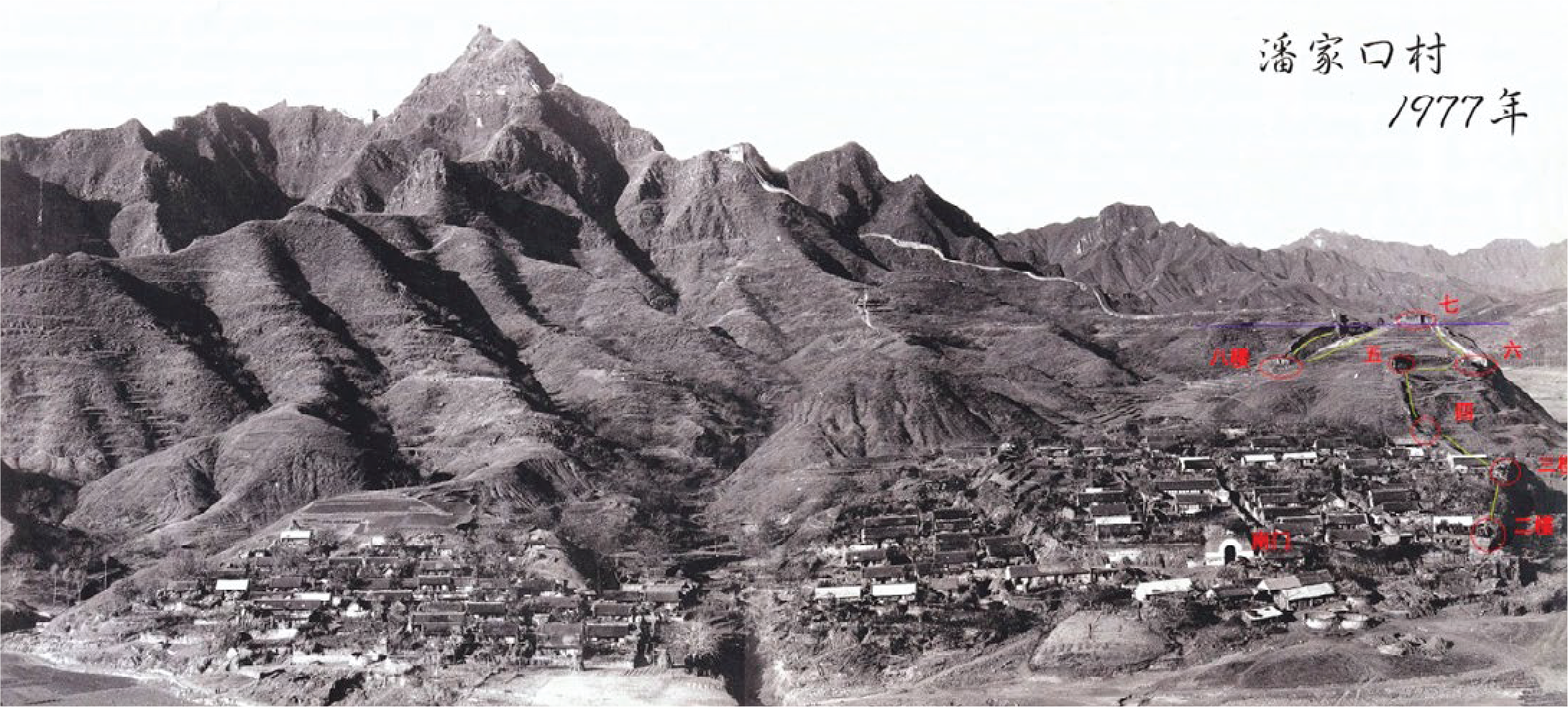
An aerial view of Panjiakou Village in 1977
An aerial view of Panjiakou Village in 1977: The first beacon, known as ba lou or “eighth floor”, lies nearest to the dive site’s entry point while the “first floor”, located near Panjiakou’s Southern Gate, lies at maximum depth.

There are eight “levels” in all to explore – the first and the last having a 30-metre disparity in terms of depth. But this is not the only factor that’s constantly unstable, as Wu attests. Temperature fluctuations are vicious here; even during the summer, at seven metres deep, it’s about 10 to 11°C. Venture to 20 metres and it plummets to just 3 to 5°C. Such conditions make it imperative for divers to don a drysuit, never mind that they’ll be sweating buckets before descending. A cold-water regulator as well as a double tank is also mandatory. As this is a difficult dive where participants reach a maximum depth of 25 to 27 metres, a minimum of 100 to 200 dives for recreational divers is required prior to attempting the Underwater Great Wall.

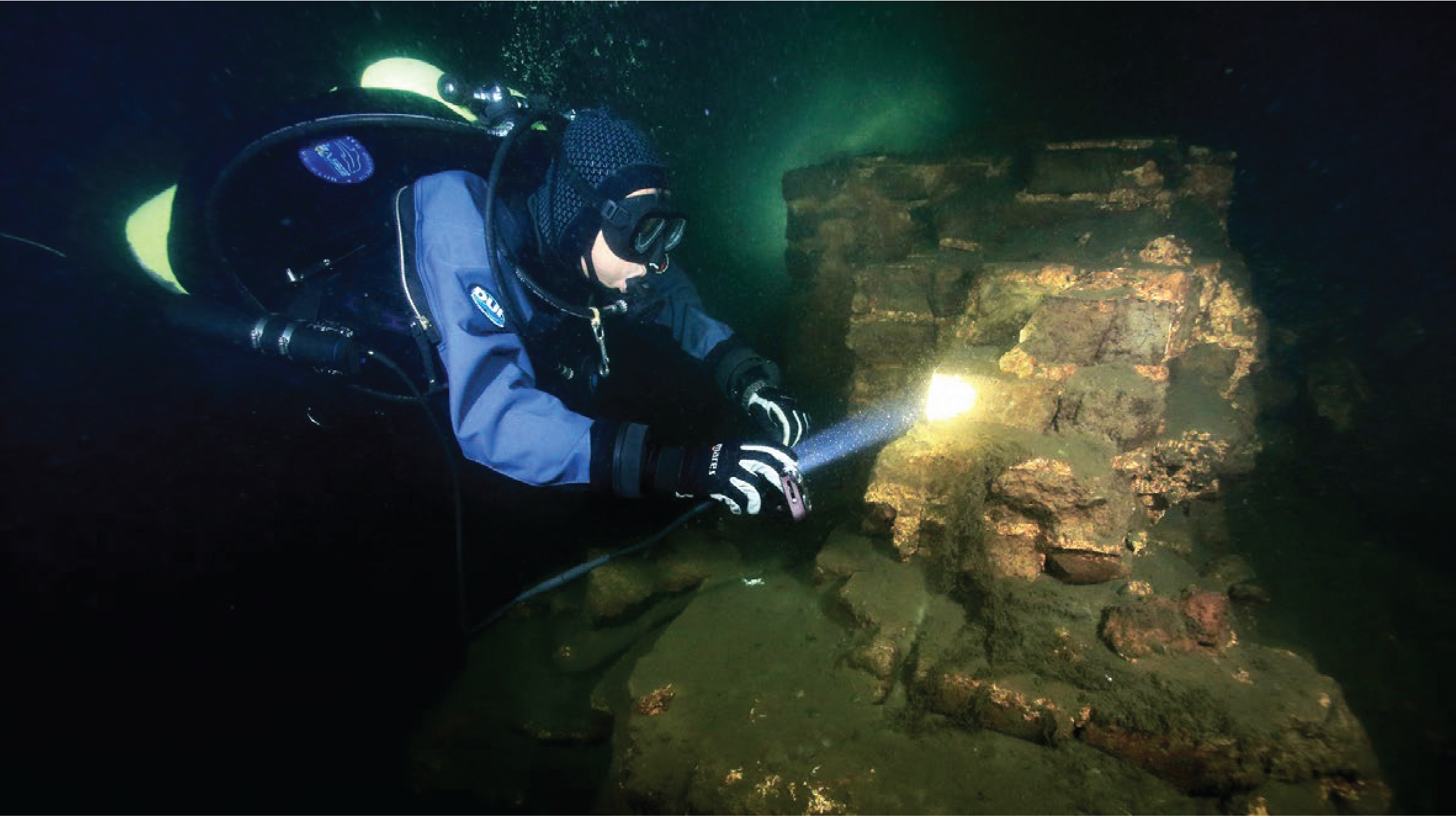
Divers observe in detail the structure of the first beacon – also known as the “eighth floor” – a section that has remained considerably intact.

Why the technical demand, one may ask, given that currents are tame and buoyancy is unlikely to be an issue. Here’s another catch: The city gates beneath are cloaked in almost complete darkness, demanding the use of a powerful dive torch with a small beam angle, suitable for identifying distant targets. At seven metres, the water only affords visibility of three metres while at 20 metres, an abject lack of light penetration is guaranteed to accost the diver. Visibility at this depth, though, increases to between five and six metres. Resembling a night dive, one can expect stunning sightings of old artefacts, remnants of an ancestral home, as well as elegant architecture characterised by impressive stonework that has endured the test of time. One should also not overlook the appearance of precious wildlife – small freshwater fish found near the surface as well as benthic shrimps that are unique to the reservoir environment.

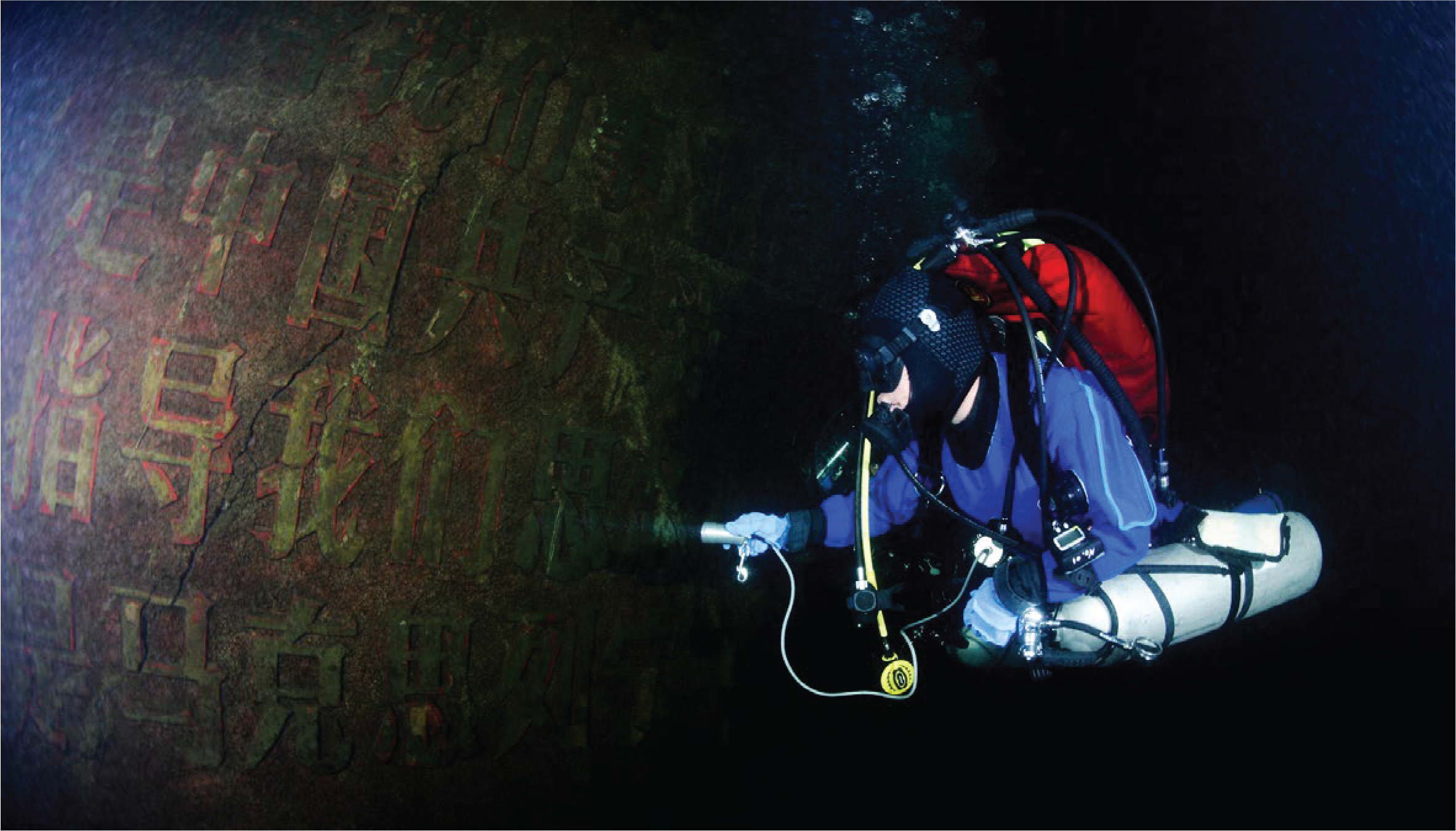
A cement signboard featuring Chairman Mao’s famous quotations
1970s: Next to a highway that was deluged along with the great wall hangs a cement signboard featuring Chairman Mao’s famous quotations. The red paint and white wordings remain clearly visible.

While the Great Wall is titled one of the seven of the wonders of the world above the surface, it is nothing short of a miraculous time capsule down in the soupy green as well. Steeped in history, its hulk of bricks seems trapped in time as you drift above the parapets, hovering in between beacons. Diving it in a dark algal haze, Wu hardly thought of this site as a mirror image to the scenery above. Instead, the dead silence impelled him to contemplate the simple lives of villagers living there just decades ago.

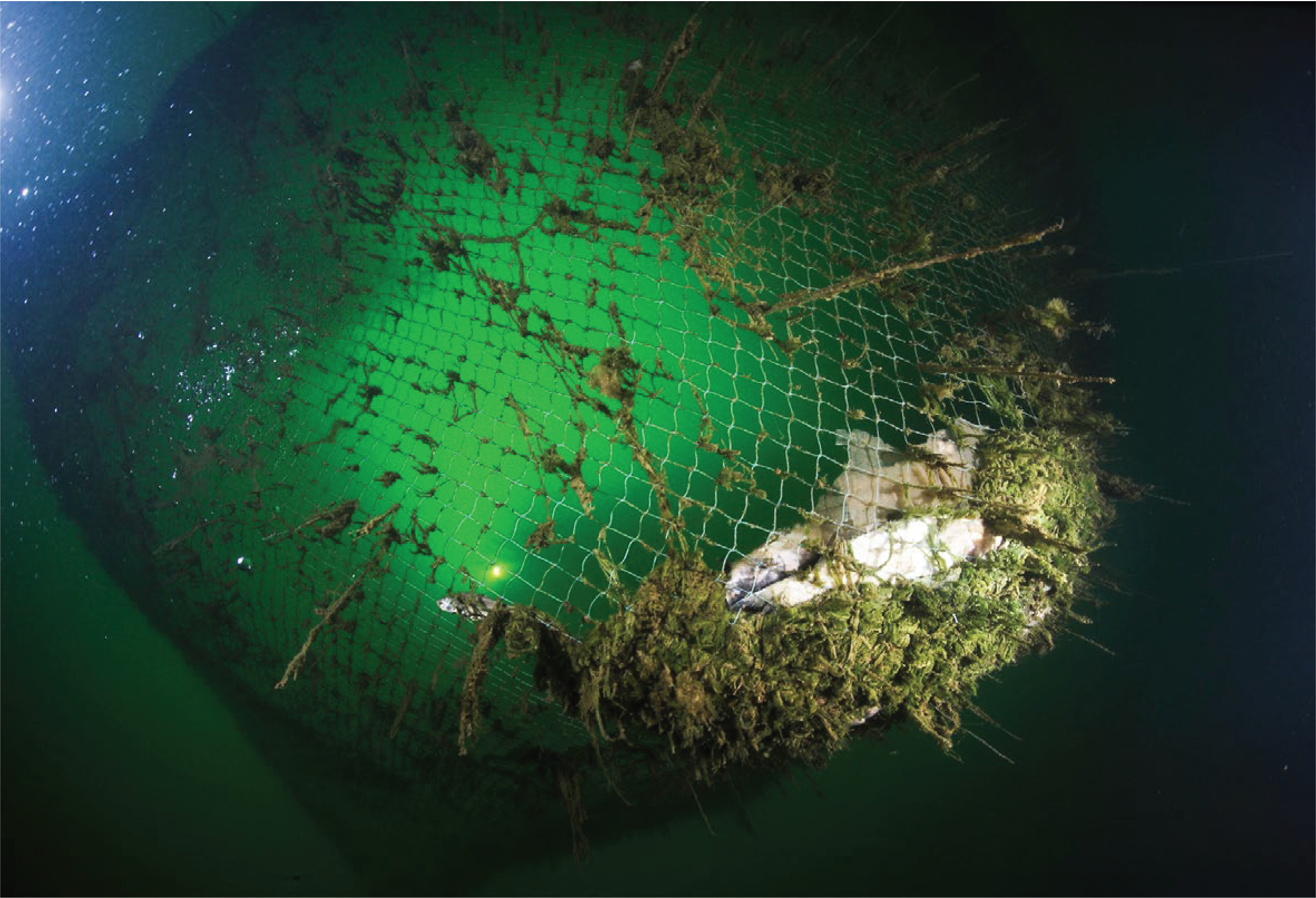
Revisiting the past through a medium that offers a bizarrely microscopic perspective, divers notice every tiny detail when the flashlights are on, with the mortar between the bricks shining like fascinating slivers of reflective white. With every fin kick, the imagination conjures up the generals and soldiers that perhaps once marched past one city gate and then the other in spectacular unison. But Wu warns divers not to get too distracted. Danger looms at Panjiakou in the form of inconspicuous fishing nets. Thus, it’s a must to have a small dive knife, preferably fixed at the harness and a titanium line cutter fixed at the shoulder, to tackle any tangled netting.

Residents living in the vicinity of the reservoir engage in cage culture, constructing cages or baskets to cultivate freshwater fish, in particular carp, grass carp and silver carp. Hovering below these cages is a very dangerous thing to do as the diver risks getting tangled up in those nets.

An immersion like no other, diving the Underwater Great Wall reveals centuries of secrets – paralleling a journey marked by opulence and warfare, from the Qin, Han and Ming dynasties through to modern times – surely too much to absorb on a single dive. Just think of it as a refreshing sluice and get ready to savour this clandestine bit of Asian aquatic heaven.


Asian Diver’s Field Editor (China) WU LIXIN is a tek diver and professional underwater photographer who has many accolades to his name, such as the Silver award for macro photography at the 11th World Underwater Photography Championships. Besides being an avid underwater explorer, Wu is also a member of the China Artistic Photography Academy.

For other stories, download a digital copy of Asian Diver No.135 Issue 6/2014 here! And for a limited time only, get the best e-magazine deals at USD7.99 for 6 issues* (Usual rate: USD29.94) 
Endangered Encounters

0
We are facing a mass extinction crisis; awareness is the first spark that leads us towards taking collective action and ultimately saving species.


Text and Photos by Jason Isley / Scubazoo with various contributors

Capturing images of endangered or vulnerable animals underwater is one of the hardest, yet most rewarding pursuits for an underwater photographer. The aim is always simple – photograph a rare species without impacting on it to raise awareness, gain knowledge and ultimately help save a species.

Before embarking on any shoot, a great deal of research has to be undertaken to ensure a successful trip. Without proper planning and research, you are very likely to come away empty-handed. By definition, endangered animals are rare so you have to know exactly where you should be looking for them. They also tend to be extremely shy and wary of humans, who are usually the cause of their conservation status.

An understanding of the animal’s behaviour is also vital as it will help you to predict their movements, but also to know when it’s time to back off, which can be crucial for the well-being of all involved. And just as important, make sure you’ve got the proper permits and authorisations to embark on any project with endangered animals. 


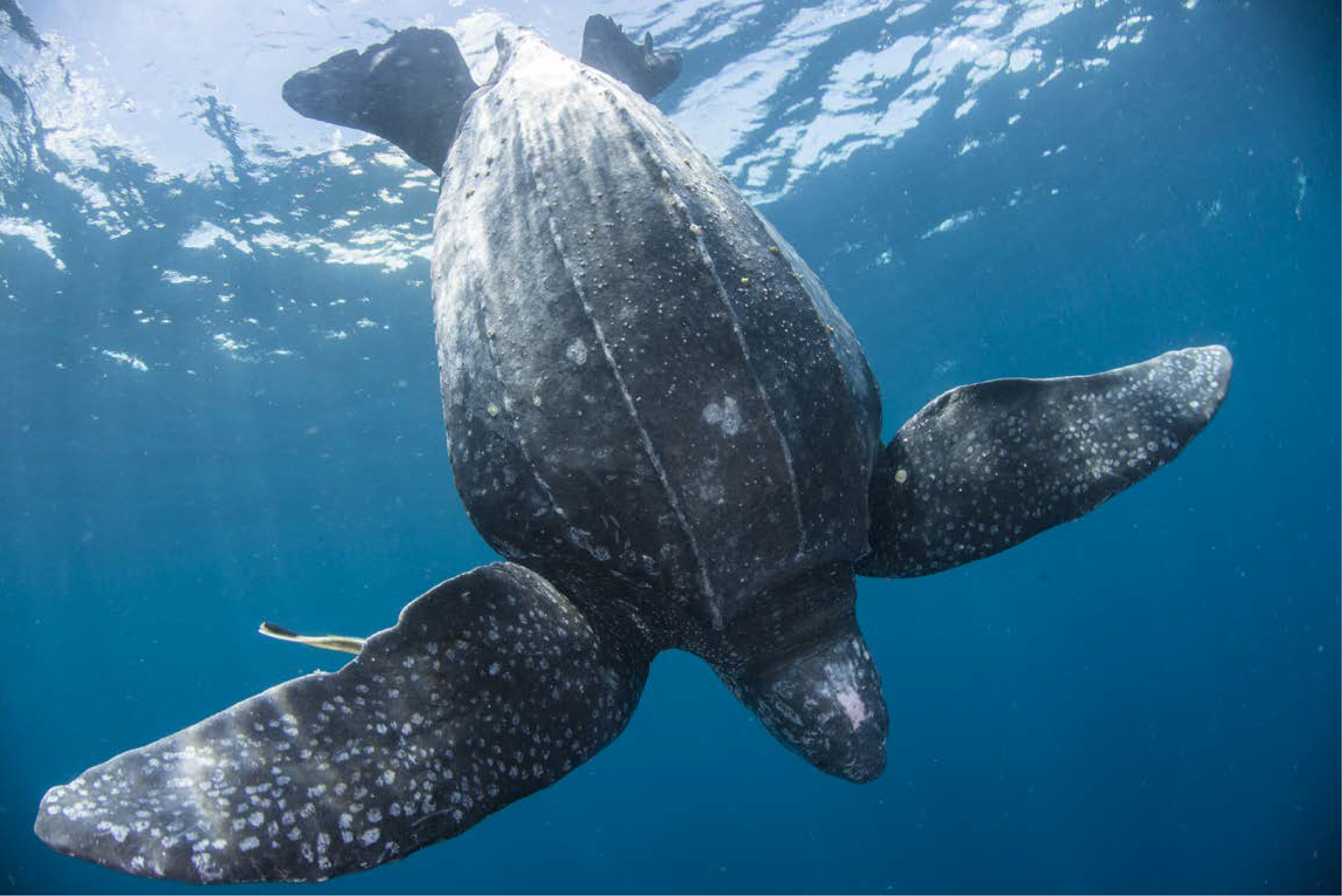
Leatherback turtle


LEATHERBACK TURTLES (Dermochelys coriacea)

Text by UW360

Photo by Jason Isley 

Each year a remarkable migration takes place and very little is known about it, yet it involves a unique and highly endangered marine creature. Leatherback turtles are the largest of the seven species of sea turtle and are unique in the fact that they don’t have a bony shell. Their carapaces are soft, which gives the animal its name. The combined population of Pacific leatherbacks is thought to be less than 2,500, making them one of the most endangered marine turtles.

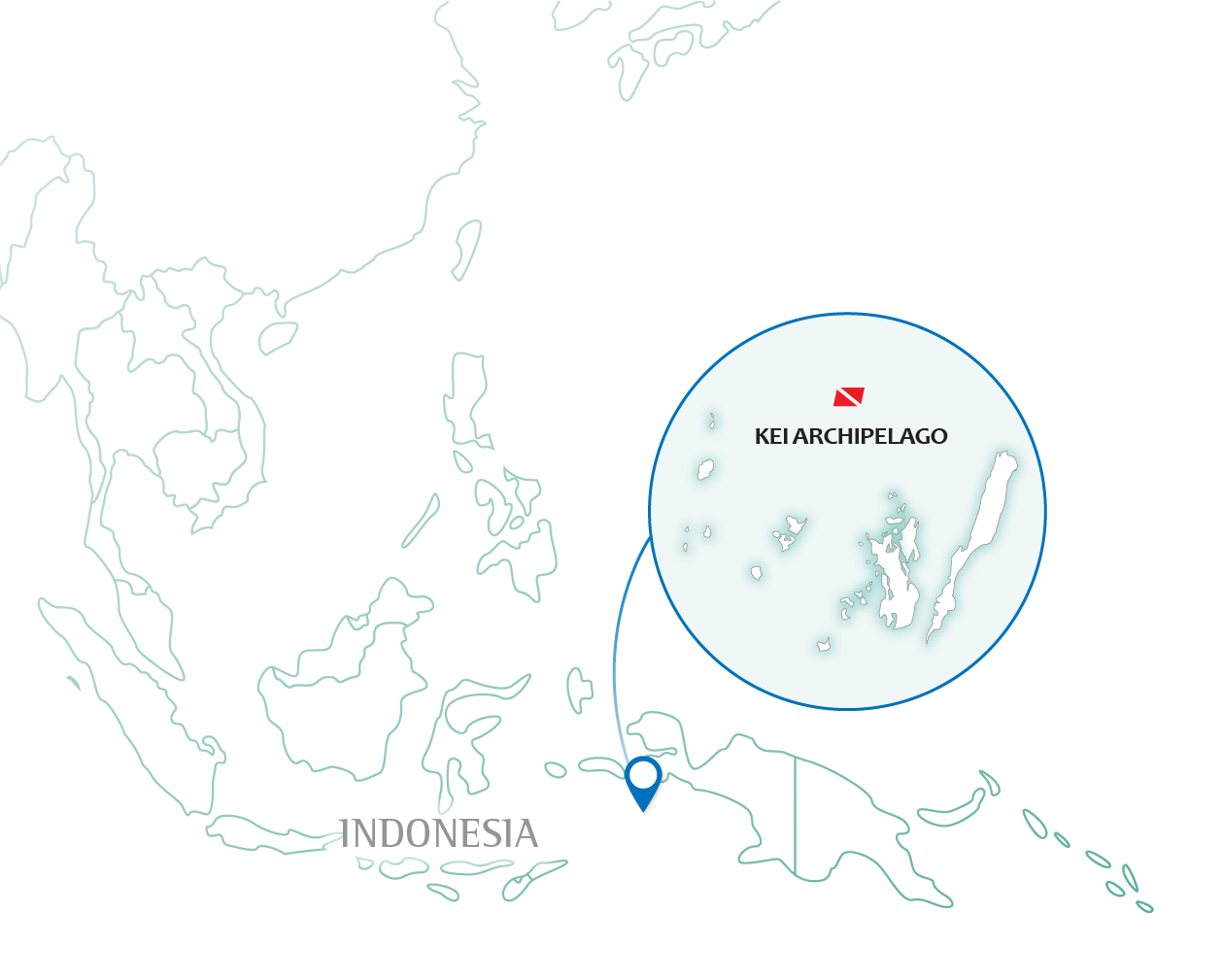
Pacific leatherback turtles make their way from the west coast of America to feed and breed in the area surrounding the tiny Kei Archipelago in the remote Banda Sea, a journey of thousands of miles for these ancient sea creatures. The Kei Islands are one of the few places in the world where you can encounter leatherbacks underwater and the main reason they can be seen here, and undertake their arduous journey, is to feed on the huge numbers of jellyfish that are swept in every year from the vast surrounding ocean. Given that leatherbacks eat an almost exclusive diet of jellyfish, this is an important feeding ground for these turtles and a feast not to be missed. 

Where: Kei Archipelago, Indonesia

When: During the jellyfish blooms, October-December

Sea Temp: 22-26°C

Type: Open water, snorkel/freediving

Conservation Status: Vulnerable


American crocodile


AMERICAN CROCODILES (Crocodylus acutus)

Text and Photo courtesy of Aaron Wong

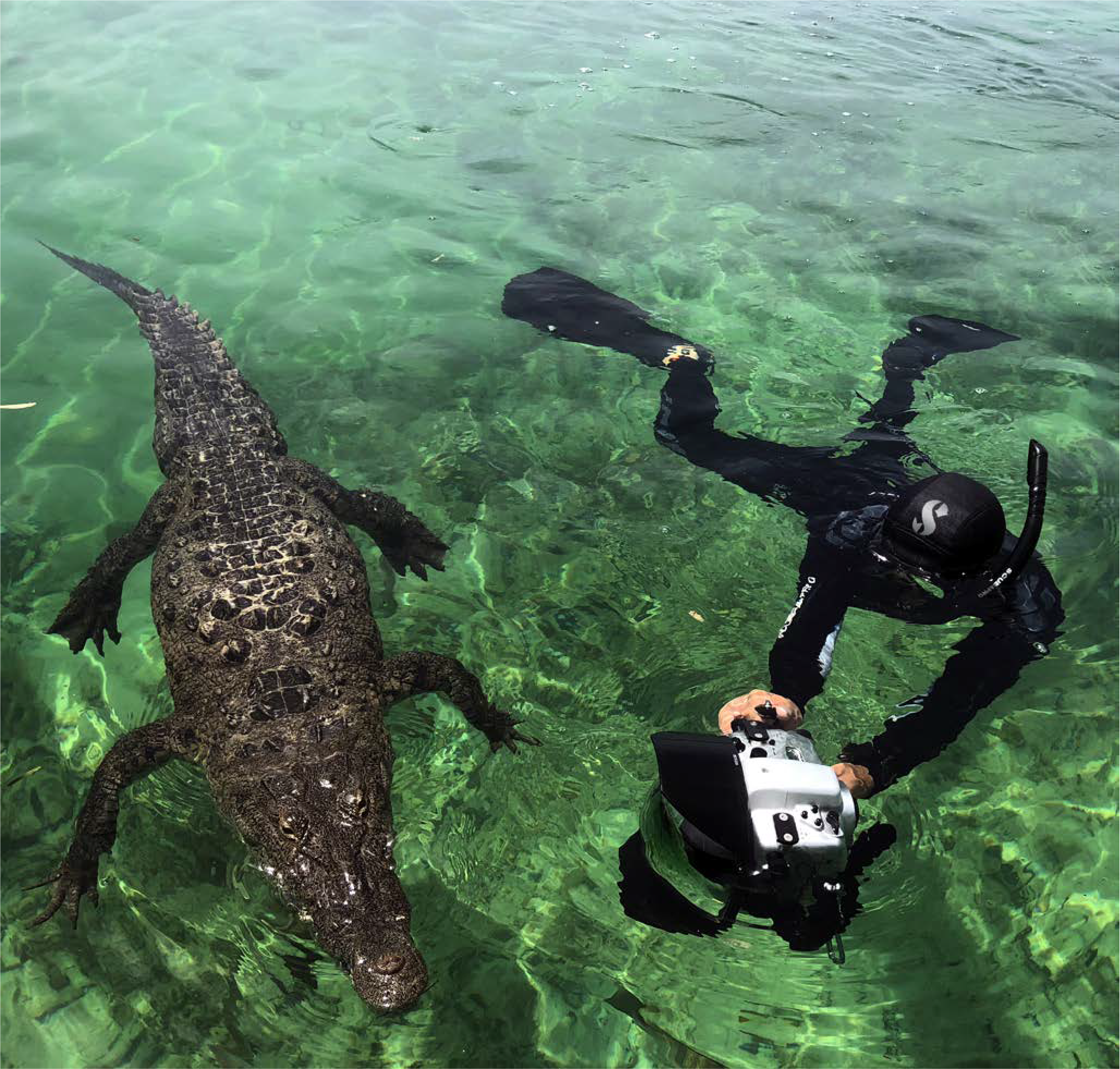
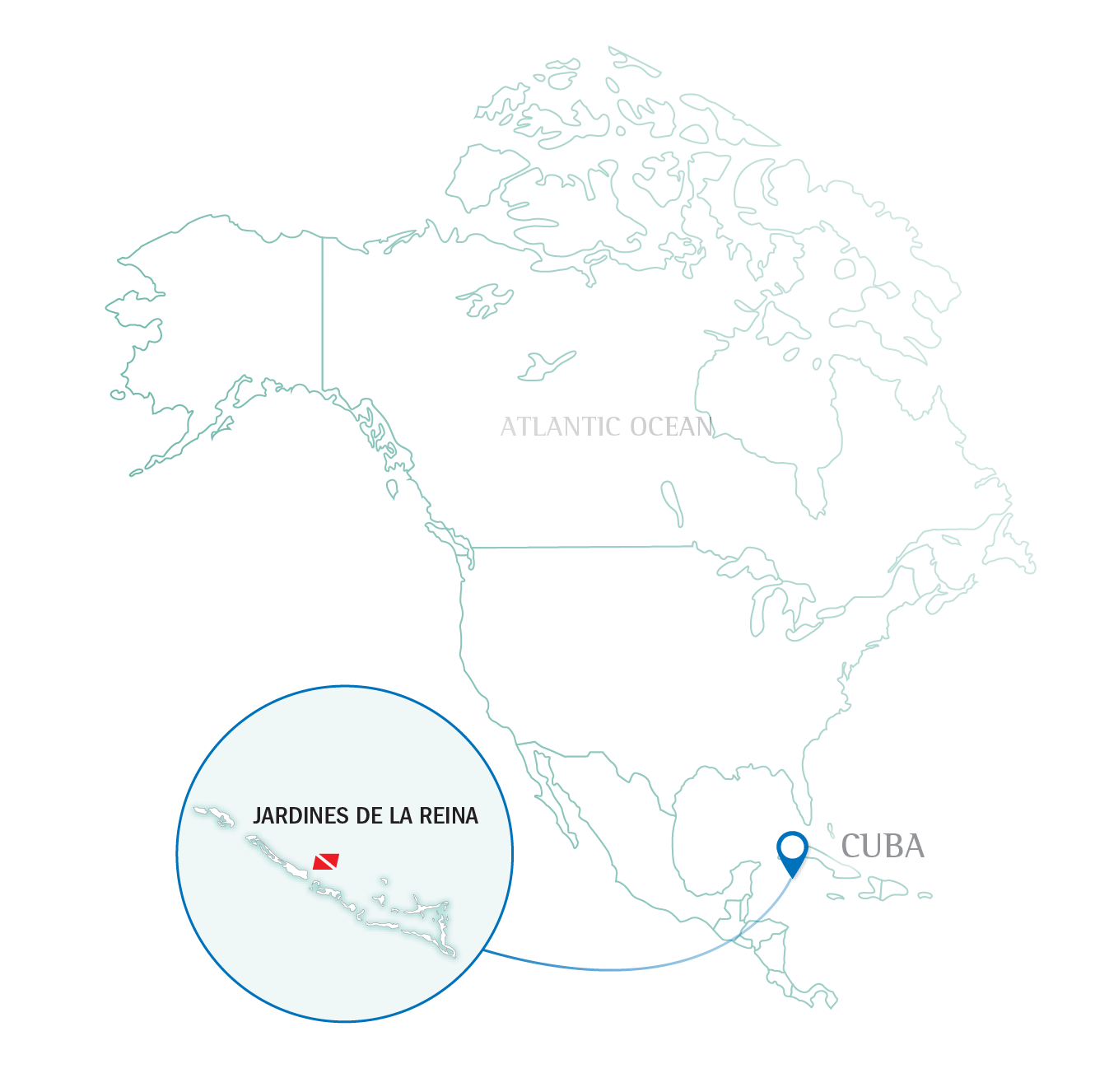
Mention Cuba to a diver and images of crocodiles come to mind. And there is no better place there to do it than at the Jardines de la Reina (Gardens of the Queen) National Marine Park. Getting there is an adventure on its own with a six-hour bus ride from Havana to the harbour in Júcaro. This is followed by another five hours on a boat. This untouched paradise is dotted with mangrove lagoons where the saltwater crocodiles hang out. You will need some nerves, a good guide and, of course, a piece of chicken to get close to these amazing reptiles! 

Where: Jardines de la Reina, Cuba

When: Year-round

Sea Temp: 25-30°C

How: Check with your embassy before embarking to Cuba. Most travellers will connect through Canada, the US, Mexico or via Air China

Type: Gut-check diving

Conservation Status: Vulnerable


Coelacath


COELACANTH (Latimeria chalumnae)

Text by UW360

Photo by Laurent Ballesta (From the book Gombessa: A Meeting with the Coelacanth)

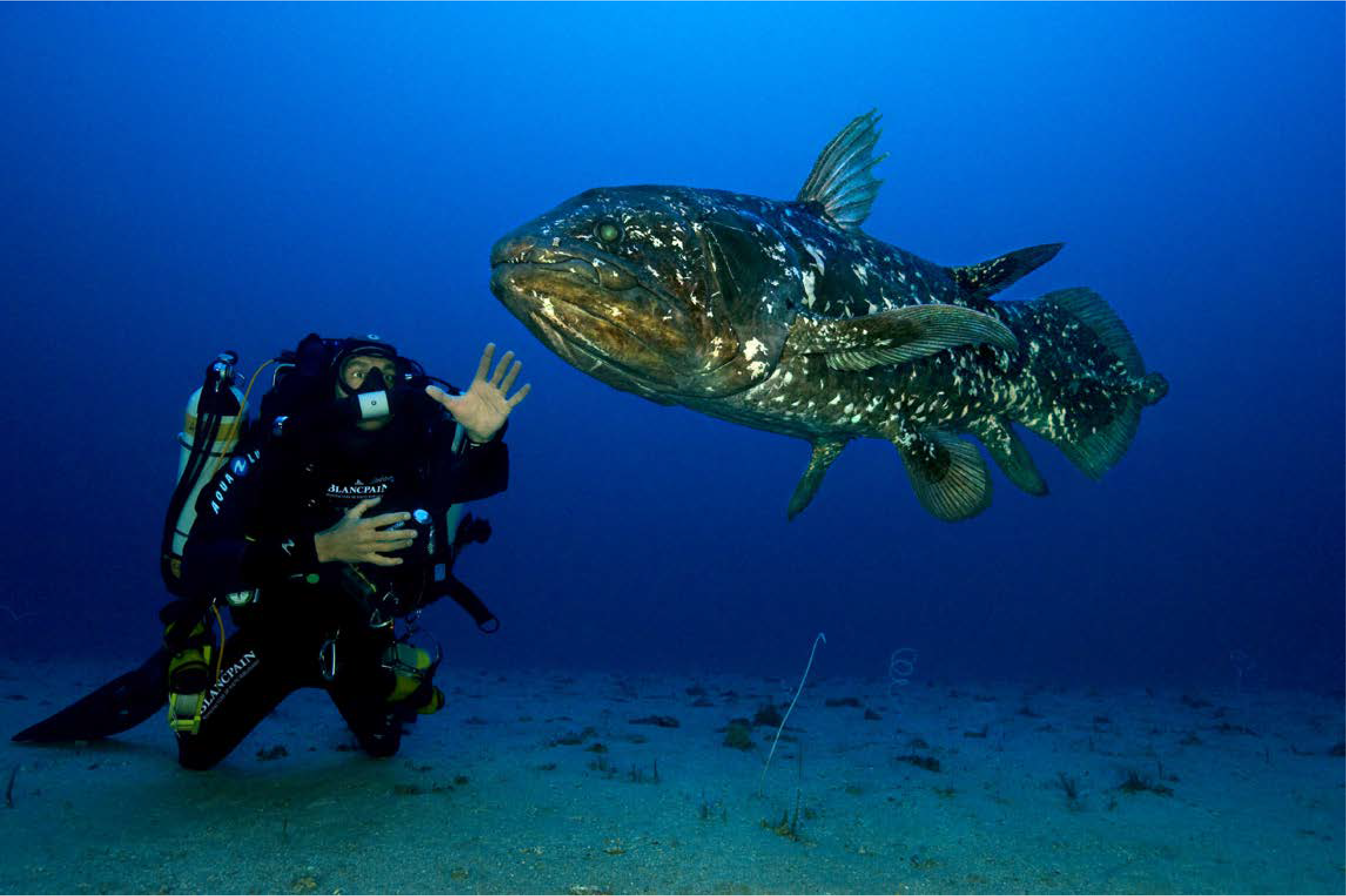
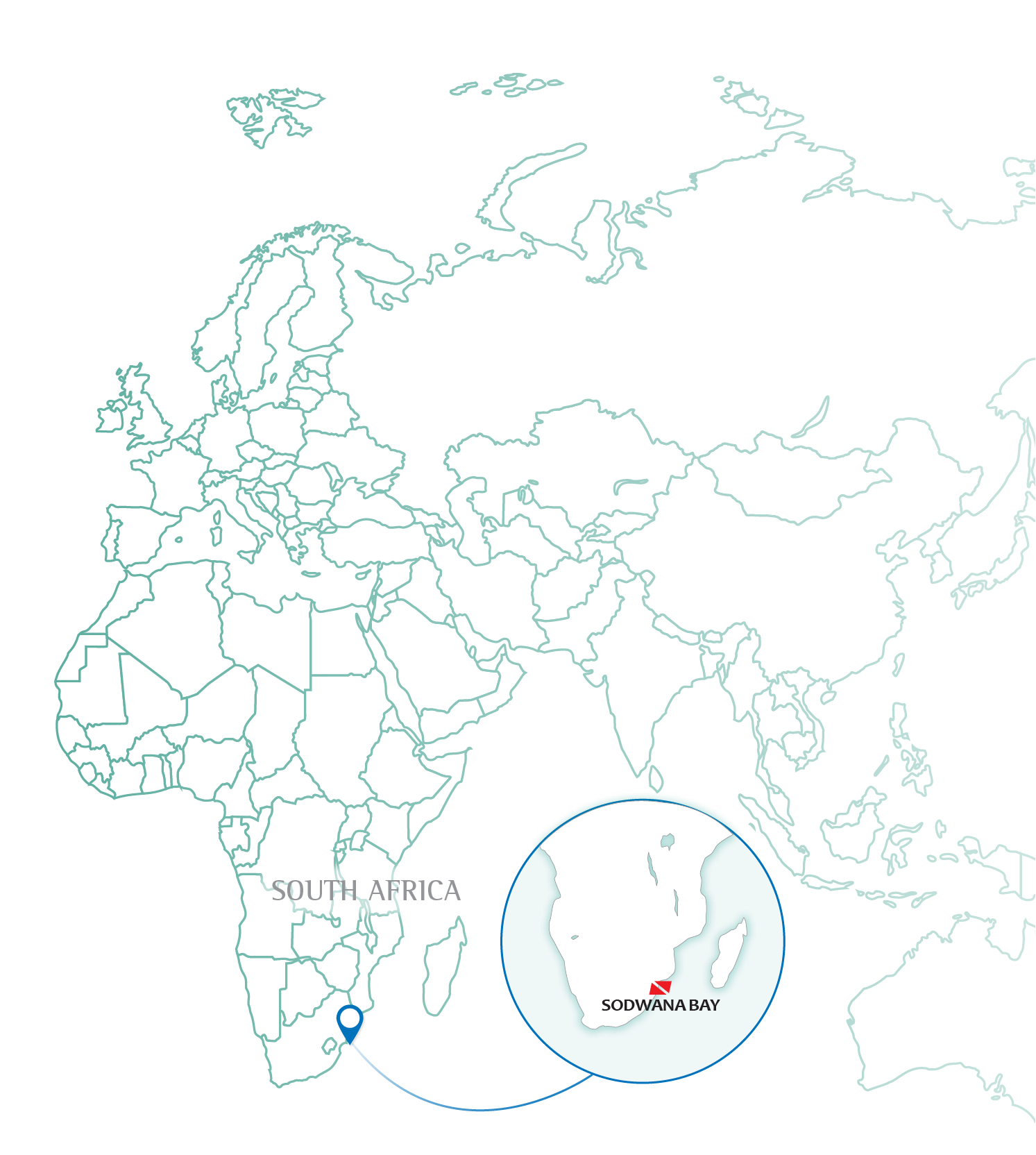
Presumed long-extinct, the now-legendary story of the scientific rediscovery of this bizarre fish began in December 22, 1938, when a fishing trawler pulled one up in its nets. It was then described by a scientist, but it wasn’t until 2000 that a diver named Peter Timm saw a coelacanth in South Africa off Sodwana Bay. The animals were encountered on a technical dive to 120m (400ft). At least two other divers tried the same dive with cameras and both sadly passed away. It wasn’t until 2008 that Laurent Ballesta was able to capture these remarkable images and safely return to tell the tale. 

Where: Sodwana Bay, South Africa

When: Year-round

Sea Temp: 20-28°C

How: Diving with the coelacanth is too extreme to recommend although Sodwana Bay is a great diving spot. Fly into Johannesburg where you’ll meet your guides, then on to KwaZulu-Natal along the east coast

Type: Reef diving, open water, tek

Conservation Status: Critically endangered


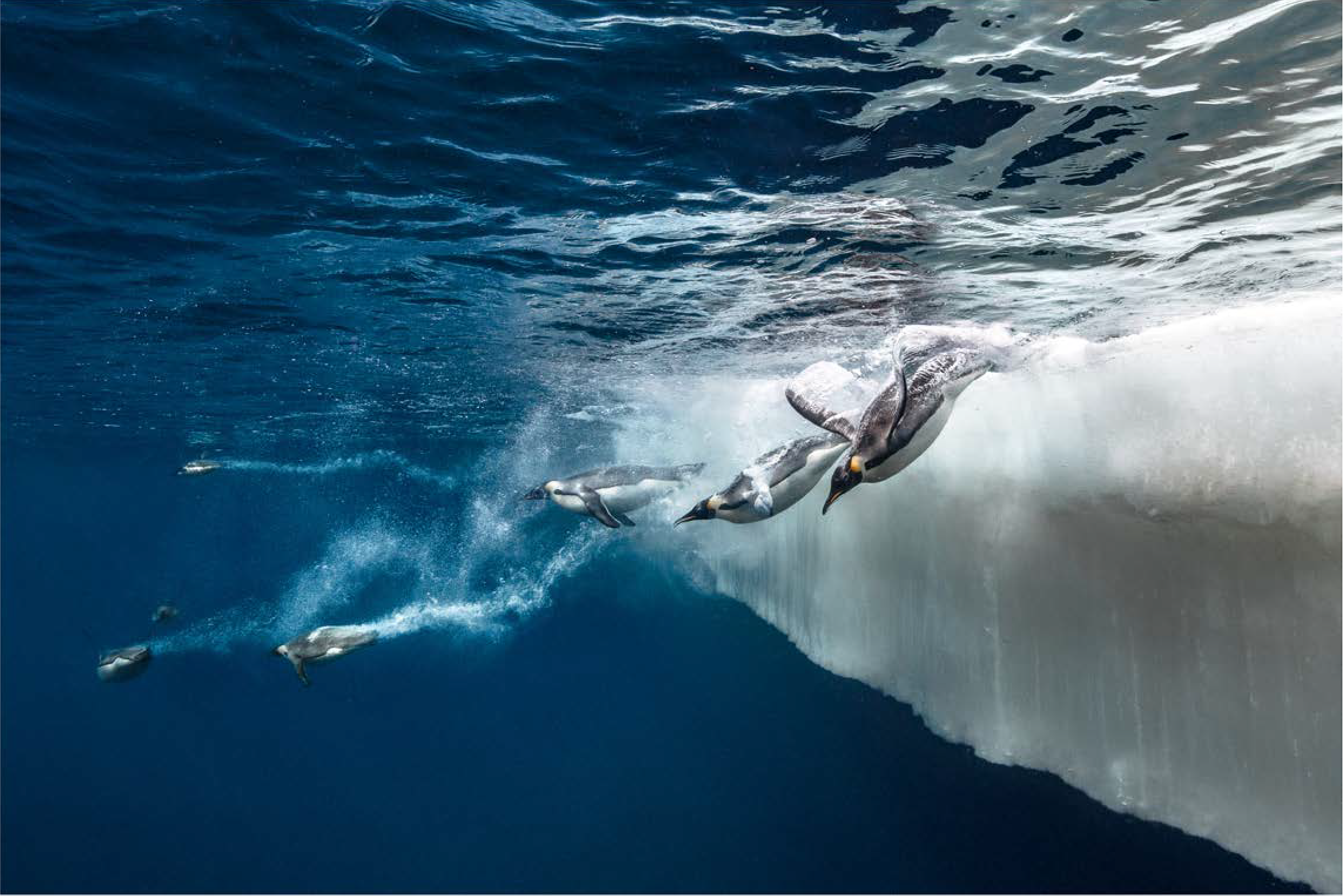
Emperor penguin


EMPEROR PENGUIN (Aptenodytes forsteri )

Text by UW360

Photo by Laurent Ballesta

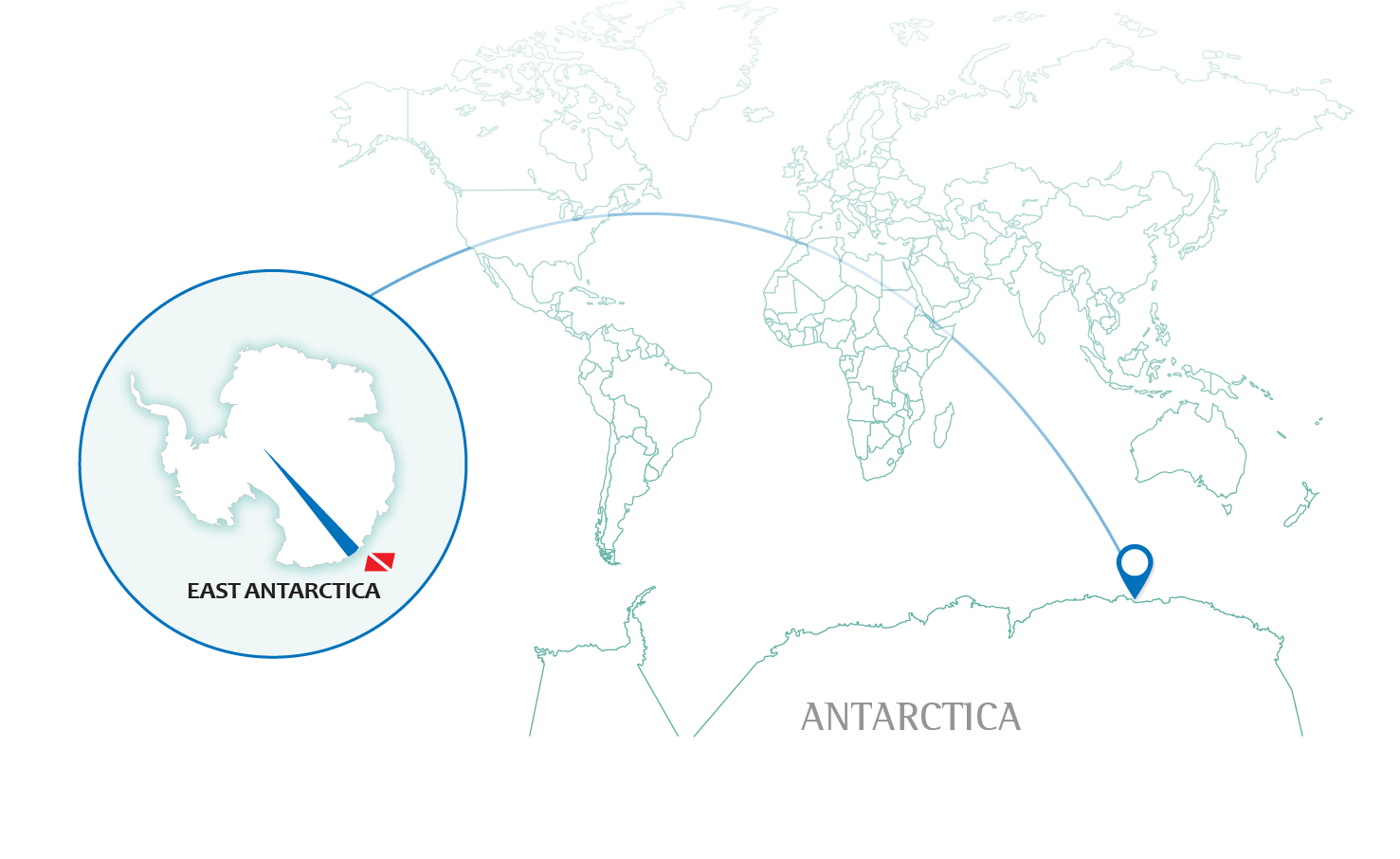
In Antarctica, emperor penguins dive from an ice floe. The largest of all penguins, the emperor stands at most 1.3m tall and can dive to 500m. Renowned photographer and explorer Laurent Ballesta would spend days on these floes where the animals did not fear humans. Each diver on the team carried with them around 200 pounds during their submersions, sometimes as deep as 60m (200ft) below the surface. It took Ballesta seven months to recover from these ice water dives, after suffering damage to his nerves from the extreme cold. 

Where: East Antarctica*

When: December and January

Sea Temp: -2 to 1°C

How: Since Antarctica is not a country, passports are not required for entry, though operators require permits. Common gateway countries include Chile and Argentina 

Type: Snorkelling and drysuit scuba

*20 hours of daylight in summer

Conservation Status: Near threatened


For the rest of this article and other stories, download a digital copy of Scuba Diver australasia + oceanplanet No. 115 Issue 2/2019 here! And for a limited time only, get the best e-magazine deals at USD7.99 for 6 issues* (Usual rate: USD29.94)