Home Blog Page 60

Cenderawasih’s Secrets

0
The false clown anemonefish is found throughout Indonesia, but in Cenderawasih Bay, this true clown anemonefish is found. Usually known form the Coral Sea and Papua New Guinea, this is the most westerly part of its range

Text and photos Richard Smith

Well into the 21st century, we imagine the age of species discovery to be over. The great expeditions, which filled museums with new specimens, are at an end. Remarkably, northern Papua’s Cenderawasih Bay has kept its secrets for millions of years. Here, numerous indigenous fishes evolved in its out-of-the-way waters, which have only recently been discovered by western science.

The Bird’s Head

The Bird’s Head is the name given to the huge peninsula on the western end of New Guinea in Indonesia. Divers are likely to be most familiar with Raja Ampat, a cluster of islands located to the west of the Bird’s Head. The importance of these islands, in terms of global conservation significance, is well documented as they boast the world’s most biodiverse coral reefs.
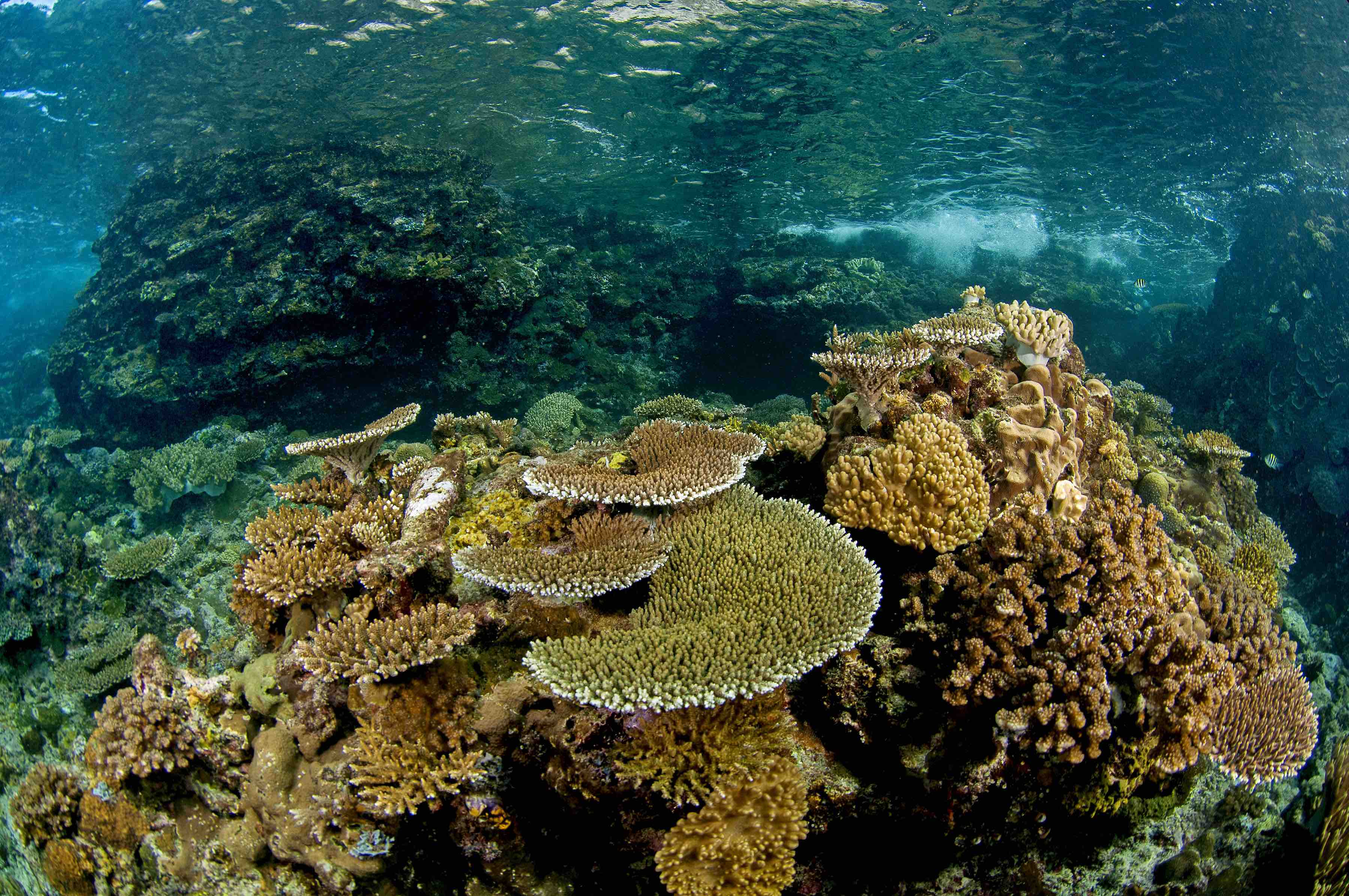
Shallow hard corals grow just beneath the surface in Cenderawasih Bay

After realising the immense species diversity of Raja Ampat, scientists began to ponder how the reefs of the surrounding areas compared. The remoteness of this wilderness had previously hampered exploration, but finally in 2006, an expedition was mounted to document the reefs east of the Bird’s Head. Scientists could never have anticipated what they found.

An evolutionary crucible

Diving in Cenderawasih, which means, “Bird of Paradise” in Indonesian, is almost exclusively possible via a liveaboard. Due to the area’s remote location, there are few liveaboards that venture this far and to join one may take a little forward planning.
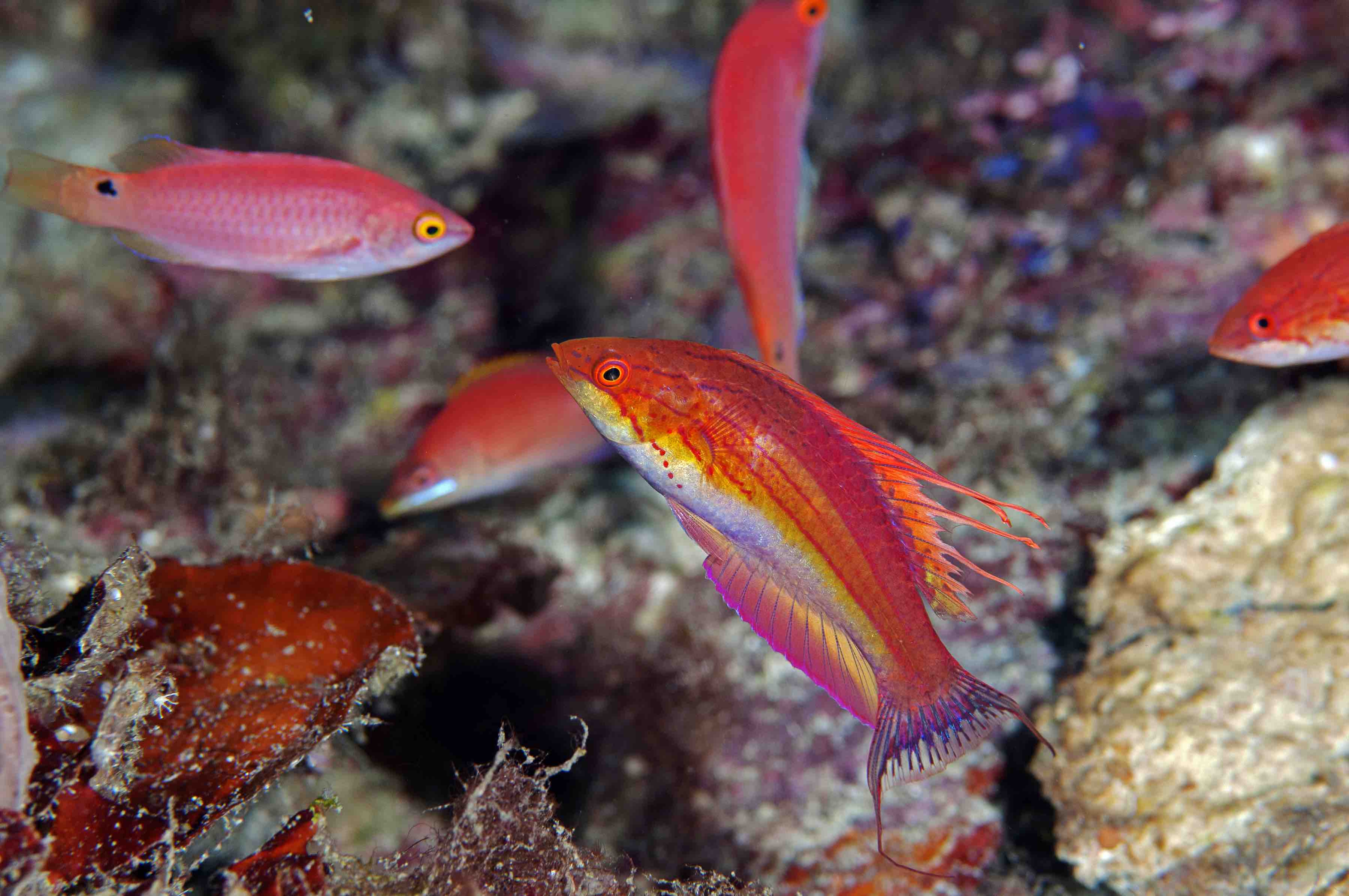
Flasher wrasse are small fish often found on deeper rubble slopes. The species in Cenderawasih Bay was found to be significantly different enough to warrant being described as a new species

Looking around on my first dive in Cenderawasih, something struck me as strange. Having come from Raja Ampat, where I had grown accustomed to the resident species, I noticed something amiss. For one, instead of the usual false clown anemonefish, for the first time in Indonesia, I was looking at the true clown (aka, Nemo), rather than the false clown found across the rest of the archipelago. The long-nosed butterflyfish also looked awry, with a dusky body colouration and yellow band behind the head.

This was in fact my first encounter with the bay’s unique assemblage of endemic fishes, which have only been discovered by scientific surveys over the past few years. At least 15 species found abundantly on its reefs are known from nowhere else, including the Cenderawasih long-nosed butterflyfish, Cenderawasih fairy wrasse, Price’s damselfish, Caitlin’s dottyback and a walking shark. Thinking outside the box, the scientists who discovered these new species came up with an innovative way of naming them. At a black-tie event hosted by Prince Albert of Monaco, the naming rights for some of these fish were auctioned, raising US$2 million to be channelled into their conservation.
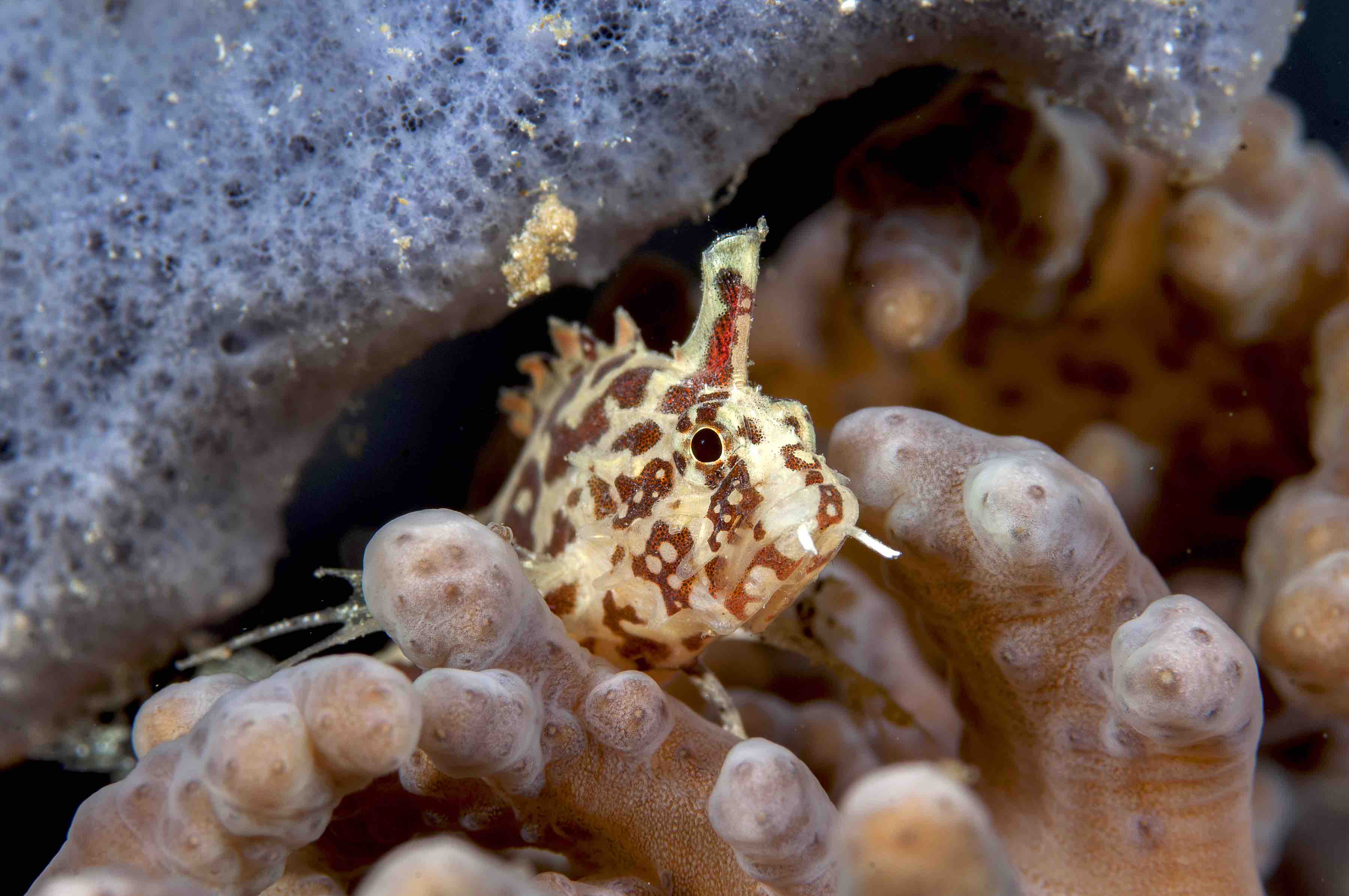
We found this small velvetfish on a day dive in southern Cenderawasih Bay. It is uncertain whether it is a new colour form or a distinct Cenderawasih endemic species

Evolution in action

Darwin first floated the theory of evolution through geographic isolation using the giant tortoises of the Galapagos Islands as his model. Isolated from tortoise populations on other islands, the slightly different environmental conditions on each resulted in the tortoises evolving into distinct species. In the ocean, however, examples like this are rare, as the planktonic larval phase adopted by virtually all reef fish allows for the large-scale mixing of populations.

When scientists analysed the movements of landmasses in Cenderawasih, they found that over the past 14 million years, large island fragments have almost completely blocked the mouth of the bay on several occasions. These severely affected the flow-through of water, effectively isolating its inhabitants from the outside world. The different environmental conditions the creatures experienced acted as drivers of change and eventually moulded them into new species. In isolation, much like the tortoises and finches of the Galapagos Islands, the ancestors of Cenderawasih’s endemic fishes eventually became those we see today.

For the rest of this article (Asian Diver 2013 Issue 6 No 129) and other stories, check out our past issues here or download a digital copy here.

The 25th anniversary of the largest and longest running dive show, Asia Dive Expo (ADEX) is set to occur on the 11-14th April 2019. Centred on the theme – Plastic free Future, ADEX is more than just a dive show with its commitment to the environment. Among an exciting lineup of programs, attendees can look forward to a Future Forward Series of Panel Discussion on the Single-Use Plastic Conundrum in Asia, on 13th April.

So join us at the event, get inspired and for all you know, you might just liberate the inner diver in you! More details of the event here

PHOTOGRAPHING INNER EARTH

0
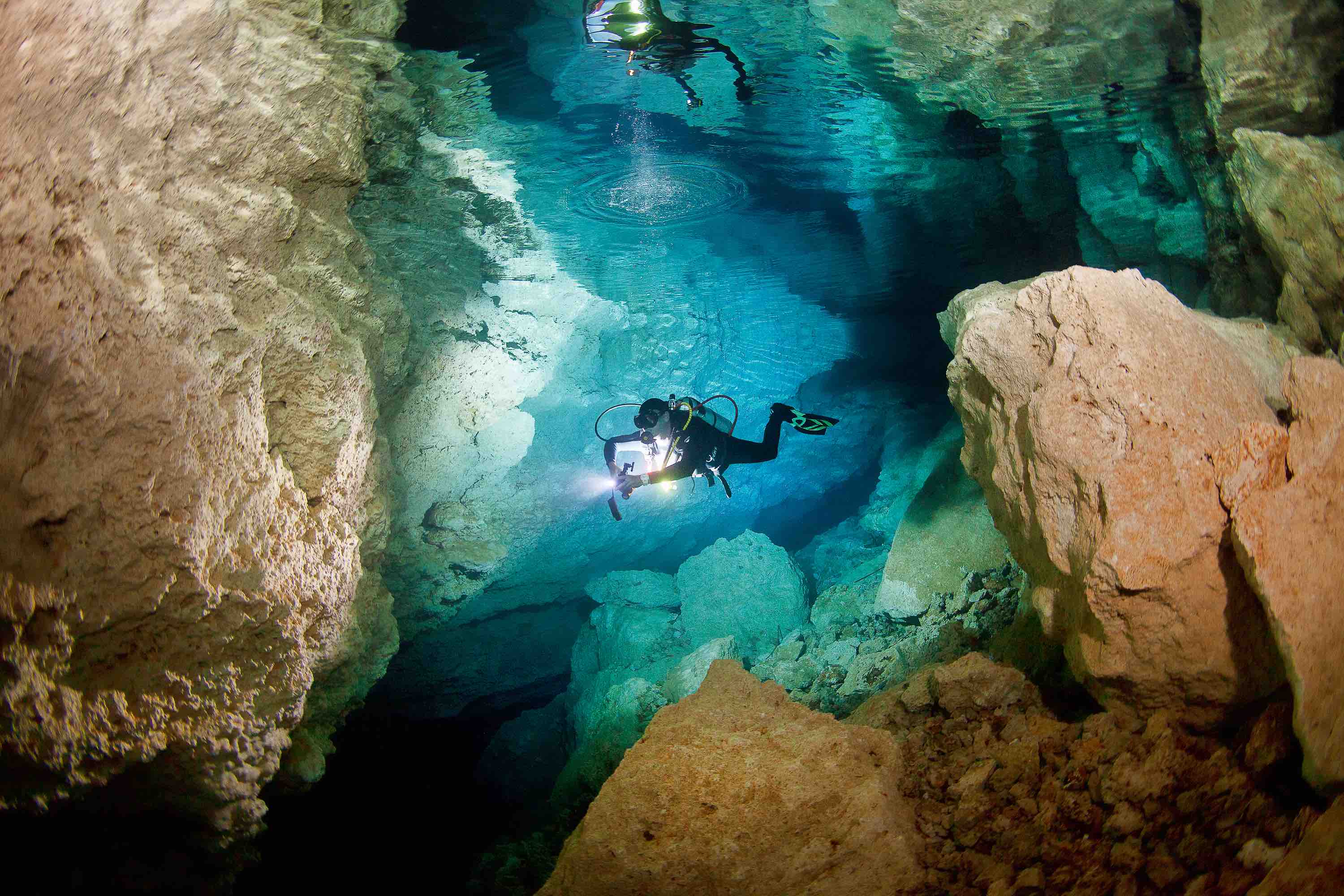
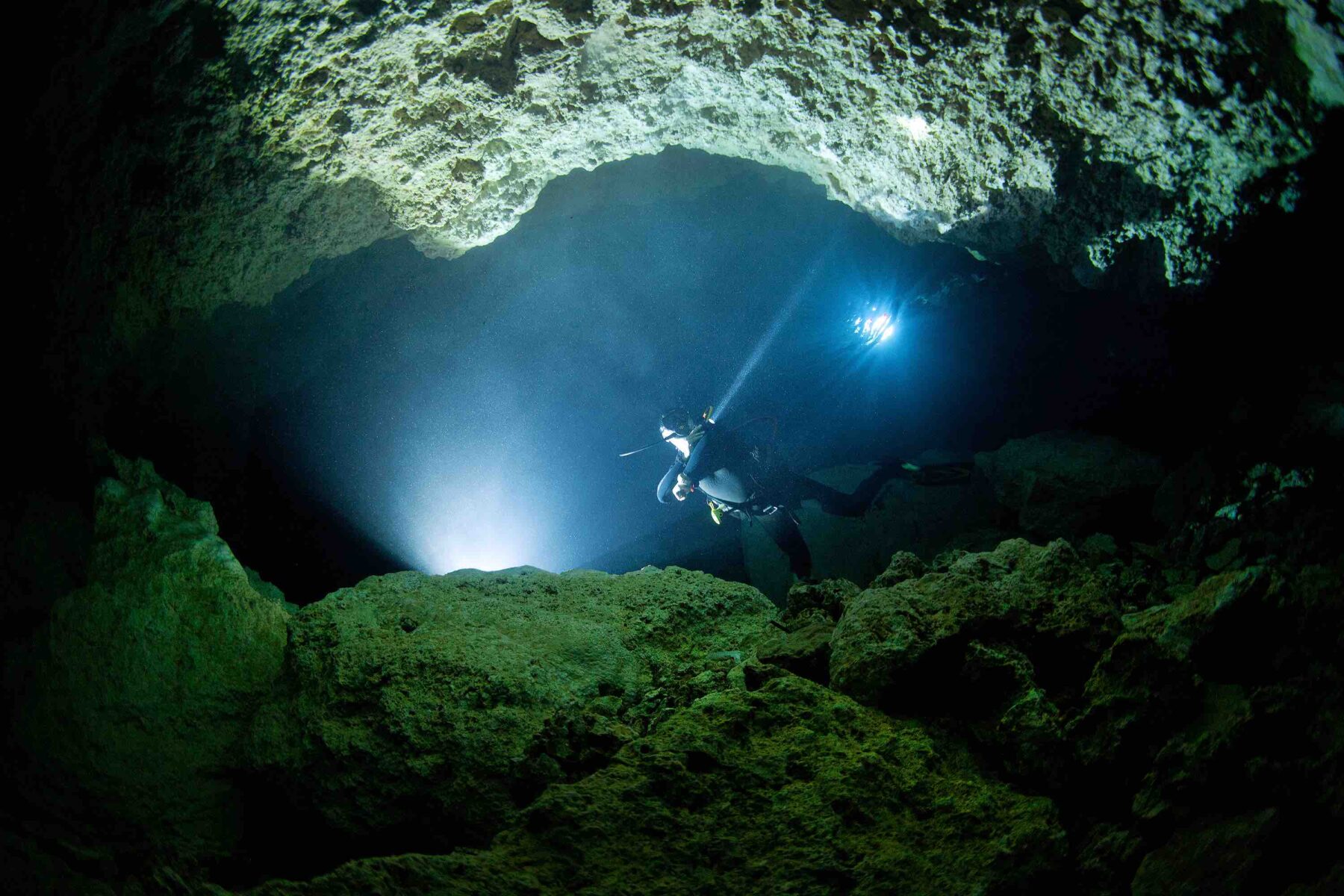
With no ambient light deep within the cave, torchlight marks the way ahead

Text and photos by Chris Simanjuntak

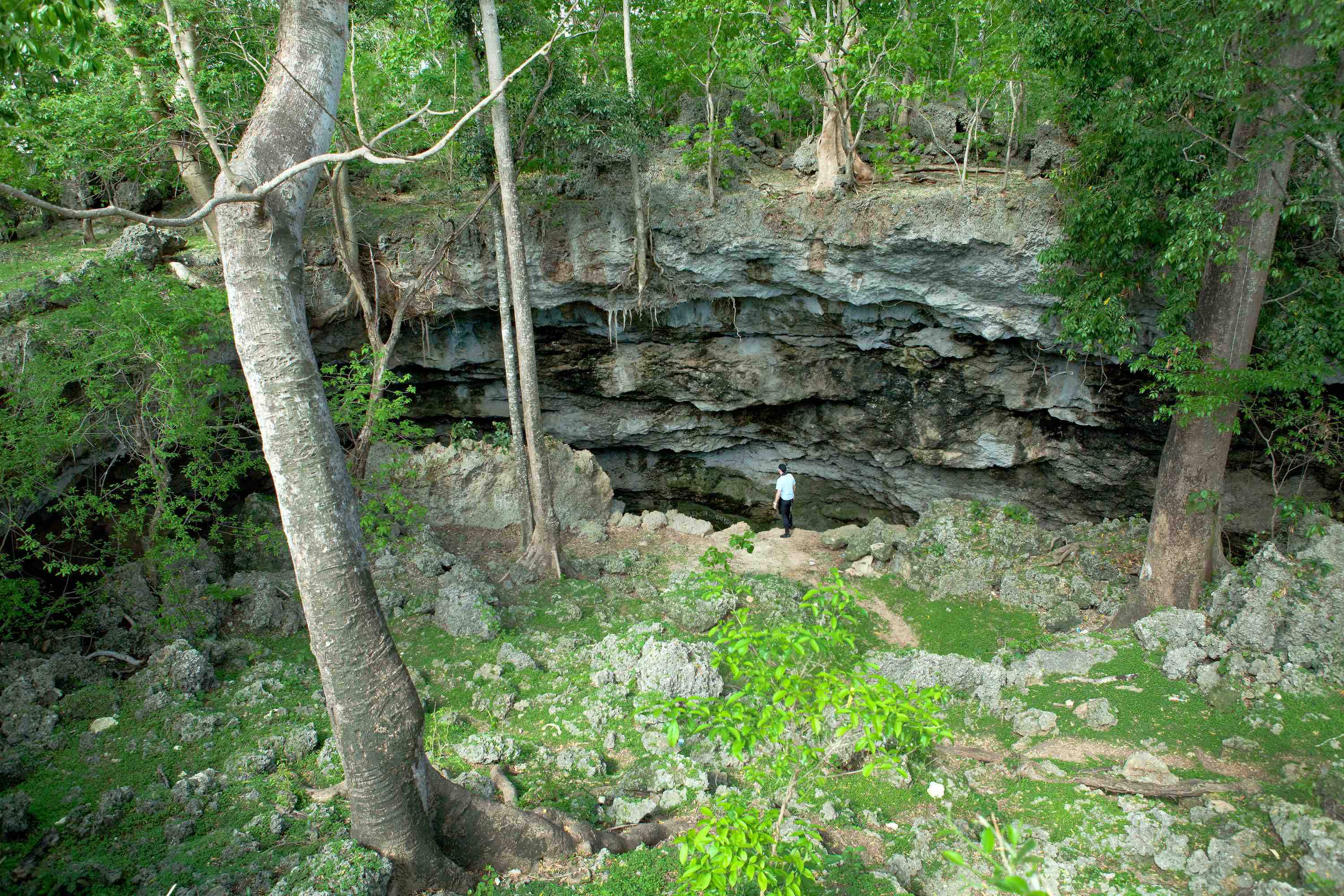
The trees surrounding the cave mouth resembled the Ents from The Lord of the Rings. Massive branches reaching skyward, they looked as if they were guarding the place. The constant breeze tickled the leaves, as if whispering, “This ground is sacred!” Their oversized roots crept down the contoured overhang below, spreading like arterial veins. Thinner trees gripped feebly to the edge, as if they’d only been flimsily glued on.

Enormous rocks piled underneath the overhang showed evidence of a series of landslides from hundreds of years ago. The hole was about 50 metres wide, with the upper lip towering to a height of about 15 metres. The area had been receiving plentiful rain over the past two weeks, and we were surrounded by lush greenery covering the ground and enveloping the edge of the cave mouth. I started to follow the steep path down to the pond.

The formidable, 50-metre-wide entrance to the freshwater cave Gua Oehani

Clutching my underwater camera gear, I carefully placed each foot as I made my way over the sharp rocks and slippery slag. As we went deeper and the ambient light dimmed, torches took over to light the way. After around 20 metres, I reached a small pond, three or four metres wide and a metre and a half deep, filled with clear, silt-free turquoise water. We jumped in to cool ourselves, rinsing off the sweat from preparing and carrying our gear under the midday sun.

This is Gua Oehani, a freshwater cave situated about 30 minutes’ drive from the city of Kupang, the largest town in West Timor, East Nusa Tenggara, Indonesia. It was first explored 15 years ago by a small group of cave divers who mapped the tunnel and installed guiding lines, or the “gold line”, as cave divers call it. Since it was first discovered, only nine divers have dived Oehani, which placed me at number 10. The total penetration in the first exploration went as far as 500 metres, but the tunnel keeps on going. Water depths vary up to 15 metres, with two individual air chambers along the way before a massive water chamber at the 500-metre mark.

Photographing the scene with the right light placement and without stirring up silt is no easy task

We donned our diving gear, tested all our lights and slowly floated at the surface into the narrowing tunnel. I was amazed by the pile of clothes at the tunnel’s mouth. Apparently, the villagers do their laundry here, which explained all the used plastic sachets of washing powder around the pond.

Daylight immediately disappeared, shifting to darkness with the first tunnel descent. Relying only on my torches, I exhaled and worked my way down, penetrating a tight crack. With strobe arms folded as compactly as possible, I pushed my camera forward, until I got to a horizontal tunnel at a depth of nine metres.

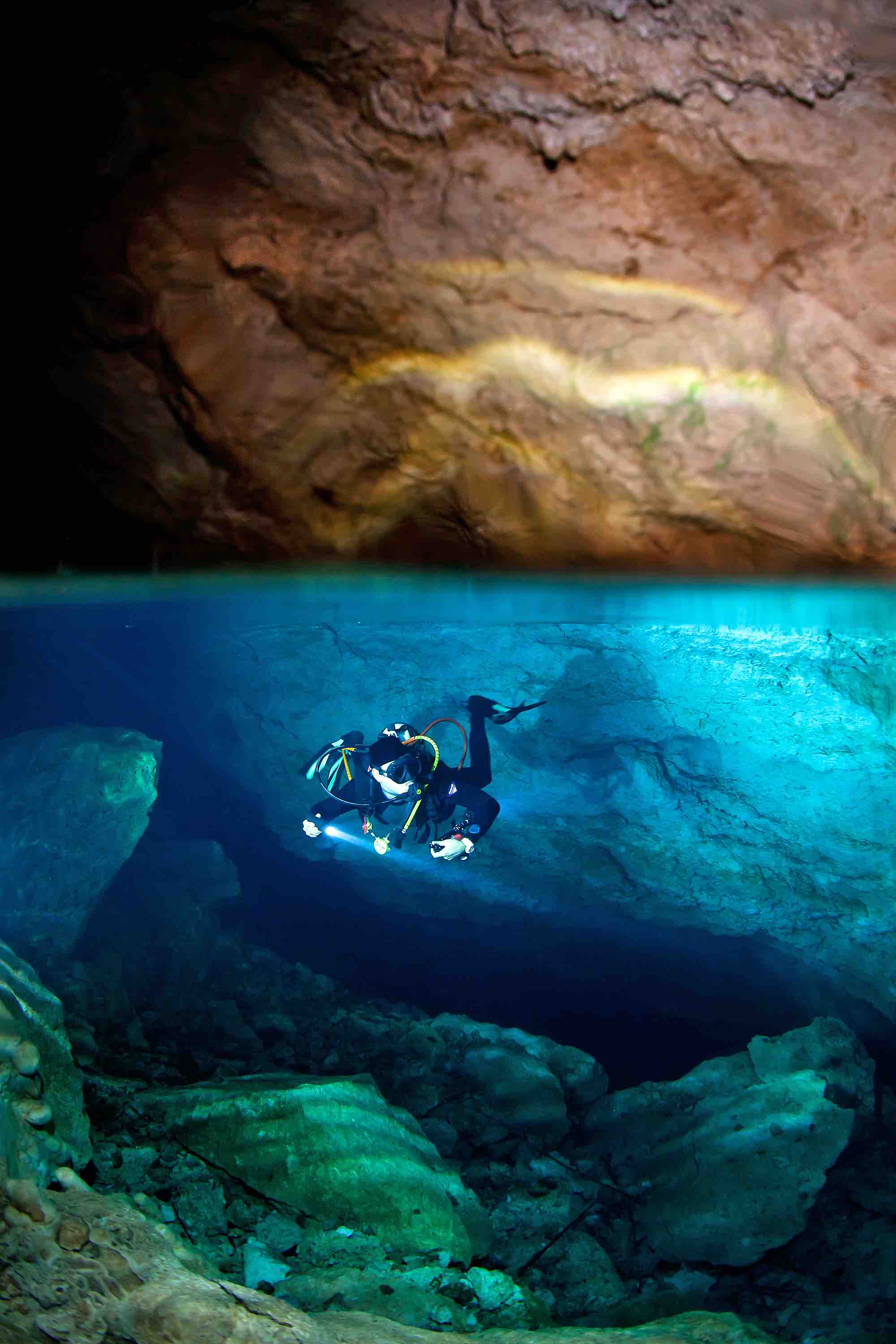
The light from my torches illuminated the passage in front of me. A guide line, fallen rocks, earthly colours, very clear water, and no signs of life. Haloclines at various depths blurred the scene, like peeking through an out-of-focus lens. The different layers created the illusion of surface ripples. Very gently, I frog-kicked deeper, taking care not to stir the fine sediment on the bottom. As soon as I paused and kept still, debris started falling as my exhalation bubbles struck the ceiling above. Occasionally, I used my index finger to cling to a rock or crack and pull my body forward.

[▴]
No marine life: The surreal, solitary beauty of the underwater scene

Some moments later, the tunnel widened. As I pointed my torch up, I could see my bubbles creating surface ripples a few metres above me. We had arrived in the first air chamber. I took my dive gear off, carrying my lights, and started to climb a massive rock pile, leaving one light on and submerged, illuminating the pond behind us to mark our return path.

The plateau after the climb was amazing, with glittering materials embedded in the rocks, and impressive stalactites and stalagmites. Strange-looking serrated flaps lined the walls, like fossilised gill rakers of a giant prehistoric fish. The ground under my feet had originally been attached to the ceiling above until it collapsed many years ago, and it was certainly not a good feeling realising this fact as I stood there. Our logistical preparations didn’t allow us to continue to the next pond on the other side of the rock fall, where the tunnels would take us to the 500-metre mark. So I decided to keep my shoot to this pond only.

For the rest of this article (Asian Diver 2014 Issue 6 No 135) and other stories, check out our past issues here or download a digital copy here.

The 25th anniversary of the largest and longest running dive show, Asia Dive Expo (ADEX) is set to occur on the 11-14th April 2019. Centred on the theme – Plastic free Future, ADEX is more than just a dive show with its commitment to the environment. Among an exciting lineup of programs, attendees can look forward to a Future Forward Series of Panel Discussion on the Single-Use Plastic Conundrum in Asia, on 13th April.

So join us at the event, get inspired and for all you know, you might just liberate the inner diver in you! More details of the event here

Too Close for Comfort

0
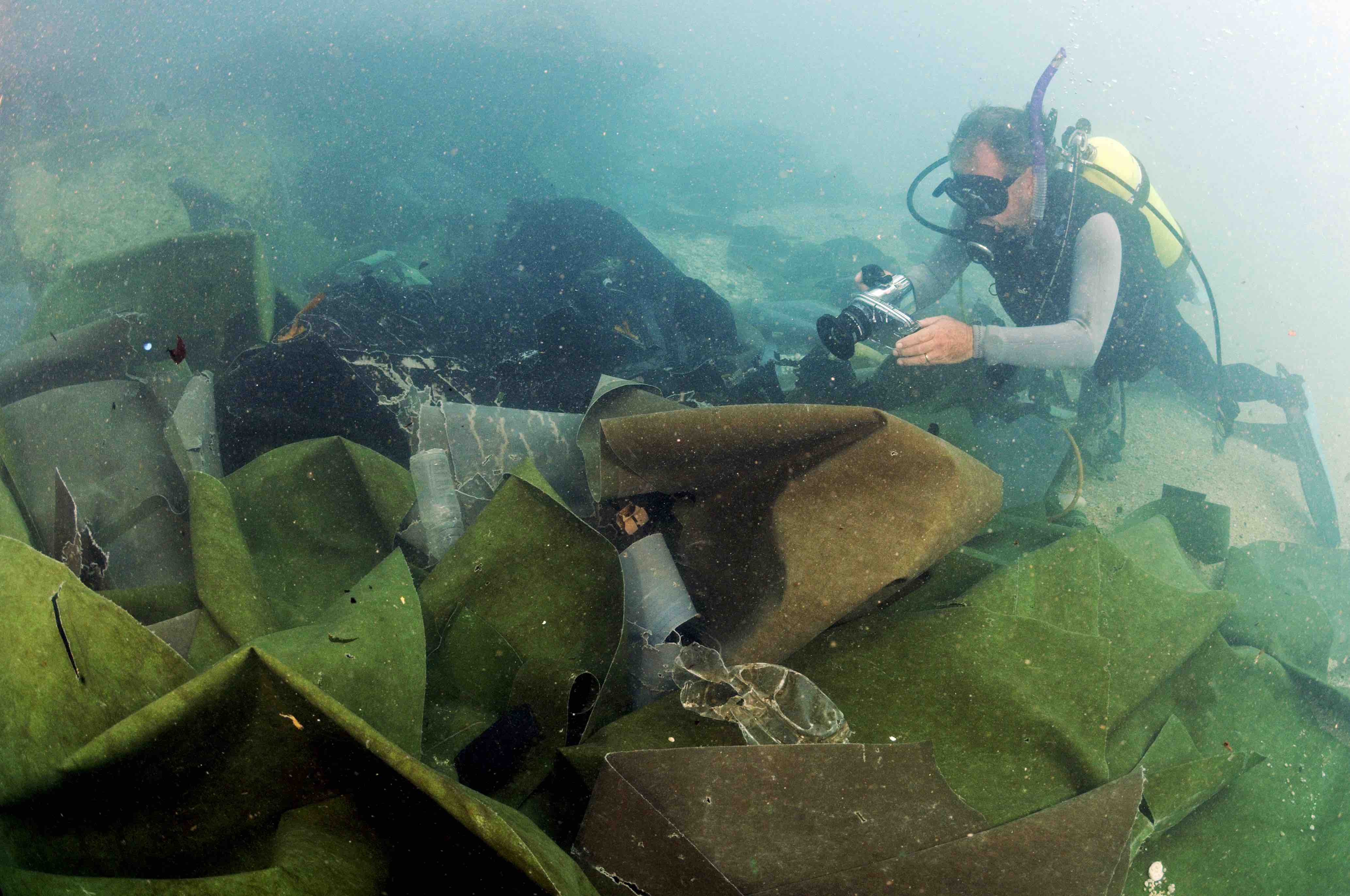
Robber crab and debris from MV Tycoon accident off Christmas Island, Australia, Indian Ocean.

Text and photos Justin Gilligan

The maritime disaster on Christmas Island represents a timely reminder that we must not sacrifice our marine environment for the sake of a quick buck.

In the dawn light, endemic Christmas Island frigate birds watch from the amphitheatre of cliffs that surround Flying Fish Cove, like silent sentinels in the darkness, as sea conditions worsen.

Down below, at the foot of the crescent-shaped bay, the MV Tycoon, an 85-metre Panamanian-flagged cargo ship is moored. Her crew awaits daybreak to finish loading bagged phosphate bound for Malaysia. But the swell rises before the sun, and the second mate wakes the Master to warn him of the deteriorating weather conditions.

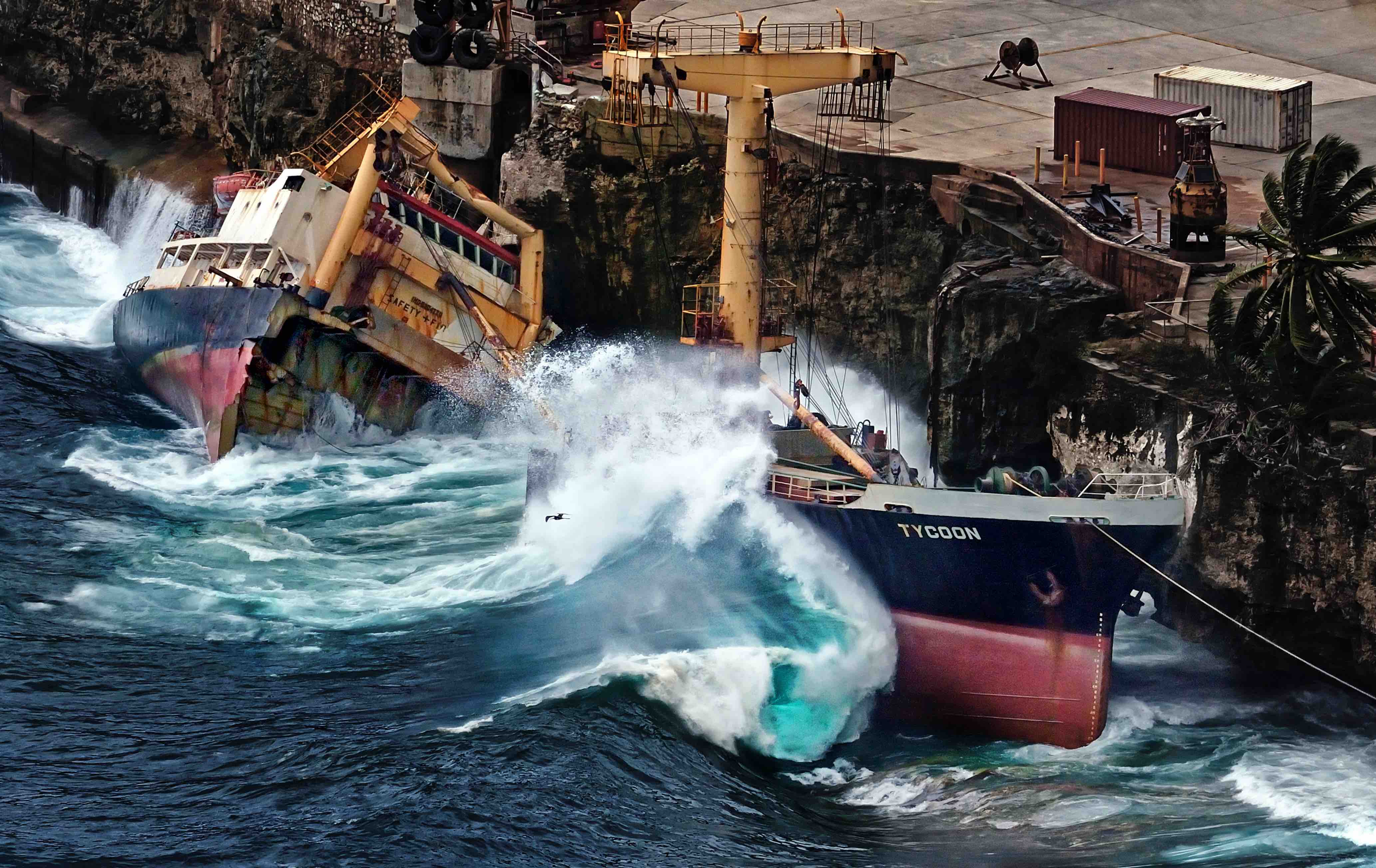
Three hours later, with the swell still on the rise, the stricken Tycoon looms dangerously close to the limestone cliffs. Eventually, under the influence of the confused sea, the mooring lines give way and the vessel makes first contact with the jagged rock-face. Finally, the call for help is raised, but it’s too little too late.

In a desperate attempt to save the vessel, the ship’s crew cut through the remaining stern lines thinking that the Master would be trying to take the ship to sea – he wasn’t. This action seriously hinders the ship’s ability to avoid the cliff and her inevitable fate is soon realised. All 15 crew quickly abandon ship and are rescued by the Australian Navy.

Marine debris caused by MV Tycoon accident off Christmas Island, Australia, Indian Ocean.

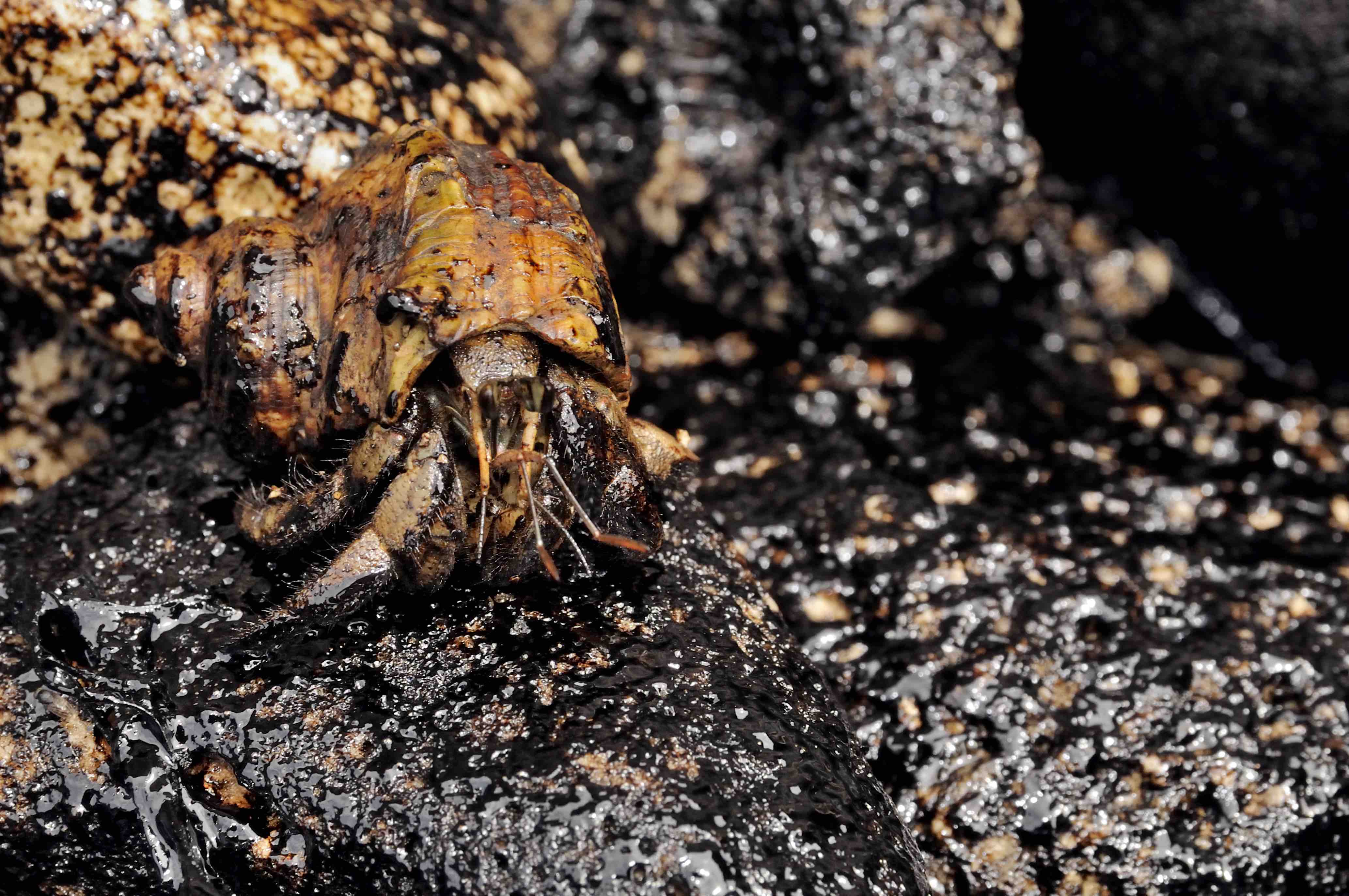
For the remainder of the day and into the next, the Tycoon remains stranded on the shallow coral reef. Winds of up to 30 knots and a swell over three metres cause the starboard side to tear open against the cliff and spew-out an oily broth of pollutants that turn the bright blue Indian Ocean black.

Dr Jean-Paul Hobbs, a Post doctoral Research Fellow of the Oceans Institute at the University of Western Australia and I arrive on Christmas Island on January 19, 2012 – 11 days after the initial event. We are here to determine the impact of the release of 102 tonnes of intermediate fuel oil, 11,000 litres of lubricant oil, 32 tonnes of diesel oil and 260 tonnes of phosphate into a sensitive coral reef environment.

We are no strangers to Christmas Island’s unique marine ecosystem, having studied the reef here for the past seven years. During our first expedition in 2005, we conducted a visual survey of fish and corals for Parks Australia and have since made several return trips.

MV Tycoon accident off Christmas Island, Australia, Indian Ocean.

We are constantly taken aback each expedition; the crystal clear waters and diverse colour palette of the pristine coral reef are magnetic. The island’s steep and dramatic coastline continues into the sea with breathtaking underwater cliffs plummeting into depths beyond 5,000 metres.

A narrow ribbon of coral reef encompasses the island and acts as a living veneer of life that supports thousands of marine species, from endemic gobies smaller than a child’s finger to seasonal aggregations of threatened whale sharks. The reef’s precipitous walls are coated in extravagant fan corals, while in shallower water complex hard coral formations and dramatic cave systems set the perfect scene for massive groups of batfish and schools of nocturnal flashlight fish.

As we examined the reefs more closely, we soon discovered they are unlike any other in the world. The island’s unique position – 350 kilometres south of Java, Indonesia – means it is located within a convergence zone of Indian and Pacific Ocean marine fauna, making it a major meeting place for closely related species that are not normally found together.

Hermit crab and oil during MV Tycoon accident off Christmas Island, Australia, Indian Ocean.

This rare meeting of species presents a unique opportunity to interbreed and produce hybrids found nowhere else in the world in such high abundance. We discovered that Christmas Island has the most hybrid marine fish of any other destination in the world. Rare combinations have been found within a growing list of families such as angelfish, surgeonfish, wrasse, unicornfish, triggerfish, pufferfish, butterflyfish, damselfish and groupers.

Through our research, we soon found that the island’s marine environment is spectacularly unique and parallels its world-renowned terrestrial biodiversity. The two systems, however, are inextricably linked, as illustrated by the famous spawning migrations of land crabs that travel every year from the forest to the coast to release billions of eggs into the sea. Similarly, both systems also share the same threats posed by human activities, with the island’s phosphate mine having the most obvious impact.

[/vc_column_text]

The 25th anniversary of the largest and longest running dive show, Asia Dive Expo (ADEX) is set to occur on the 11-14th April 2019. Centred on the theme – Plastic free Future, ADEX is more than just a dive show with its commitment to the environment. Among an exciting lineup of programs, attendees can look forward to a Future Forward Series of Panel Discussion on the Single-Use Plastic Conundrum in Asia, on 13th April.

So join us at the event, get inspired and for all you know, you might just liberate the inner diver in you! More details of the event here.
For the rest of this article (Asian Diver 2014 Issue 2 No 131) and other stories, check out our past issues here or download a digital copy here.

Karang Lestari

0

Text Karin Van Beeck | Photos Dray Van Beeck

At the foot of the Pulaki Mountains in the northwest of Bali, lies the beautiful bay of Pemuteran. Here, you can find spectacular reefs and a huge variety of marine life only a five-minute boat ride from the coast. It is a real divers’ paradise with coral gardens, drop-offs, muck-dive sites and even an underwater temple! However, the story of Pemuteran was not always a happy one.

In 1998, two things happened, which caused disaster in Pemuteran. First, the Asian economy crashed and Indonesia was hit especially hard by it. It caused thousands of economic refugees to stream into Bali in the hopes of finding work here. Many who could not find work realised the only way to provide for their families was to fish in the waters around Bali, and unfortunately, quite a few turned to dynamite fishing as the fastest way to turn a profit. Others practised cyanide fishing, where poison is used to stun fish that can be caught for the aquarium and live fish trades. The problem with both of these fishing methods is that other than allowing them to catch the target fish, they also lead to the destruction of the reefs.

The second disaster in 1998 was that it was an El Nino year. El Nino is a natural phenomenon, which causes the temperature of the oceans to rise. It is not caused by global warming, but scientists believe that global warming is causing El Nino to occur more frequently and last longer than in the past.

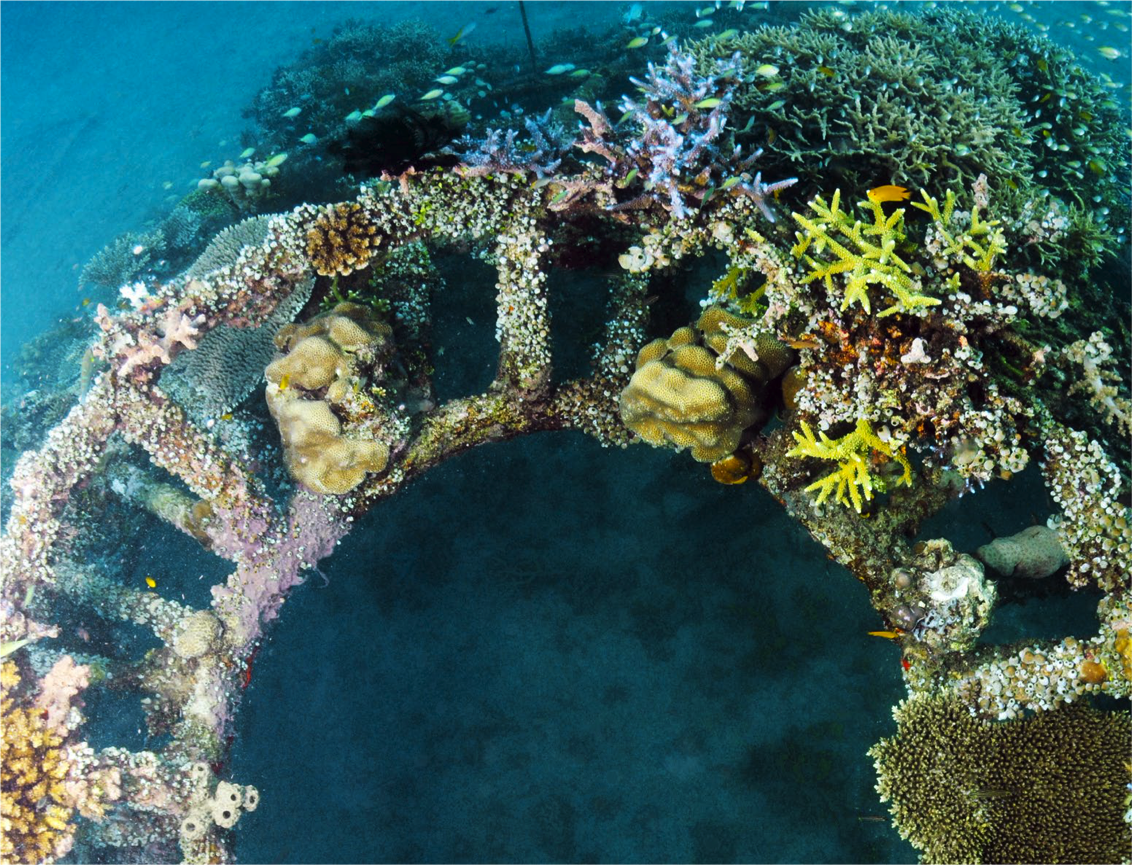
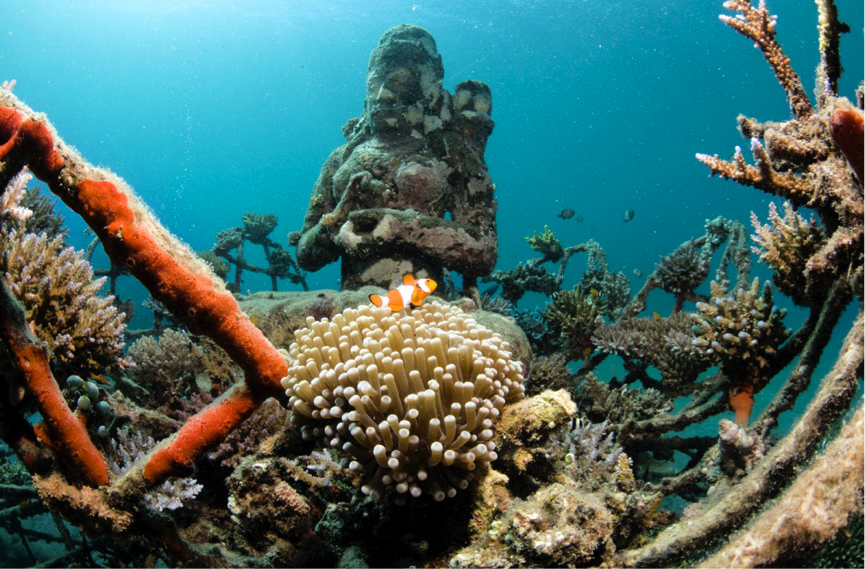
An elaborate strcuture of a deity resting in the middle of a lotus-like construction, where coral gorwth is in an advance stage

Corals live in symbiosis with algae called zooxanthellae, which provide coral polyps with food and oxygen and are also responsible for giving corals their colours. When the water gets too warm, the algae abandon the coral polyps to float in the current as plankton. Without the algae, corals appear bone white and while not dead yet, they are slowly starving. If the water temperature drops, the algae will reoccupy the corals and they will survive, but if the water stays warm for an extended period, the corals will die. This is exactly what happened in many parts of the world, Pemuteran included, in that year. The corals bleached and could not recover, and big portions of the reefs died off.

The local community in Pemuteran in 1998 consisted mainly of fishermen, a lot whom still used traditional fishing methods. They were the hardest hit by these disasters because they had to go a lot further to find fish and their catches were a lot smaller. The tourism industry was also in an uproar because of extensive damage done to the reefs; divers and snorkellers stopped coming and hotels and guesthouses were standing empty.

A more customised structure at the beginning stage of development

The Pemuteran community leaders realised that they had to take decisive action, and fast! First of all, they banned all dynamite and cyanide fishing. To enforce this, they formed the Pecalang Laut or Sea Guardians to patrol the reefs in Pemuteran bay with small, high-speed boats. First time offenders were warned, the second time they got caught breaking the rules, the punishment would be more severe. Illegal fishing methods slowly started to decline, but the breaking point came after the Pecalang Laut arrested a big group of fishermen who had bombed a school of tuna.

They were all arrested, their catch confiscated and all the boats were impounded. After that, there was a marked change in the attitude toward fishing in the region and bombing and cyanide fishing stopped completely. It also helped that the community leaders explained to people what they were trying to do and the reasons behind it.

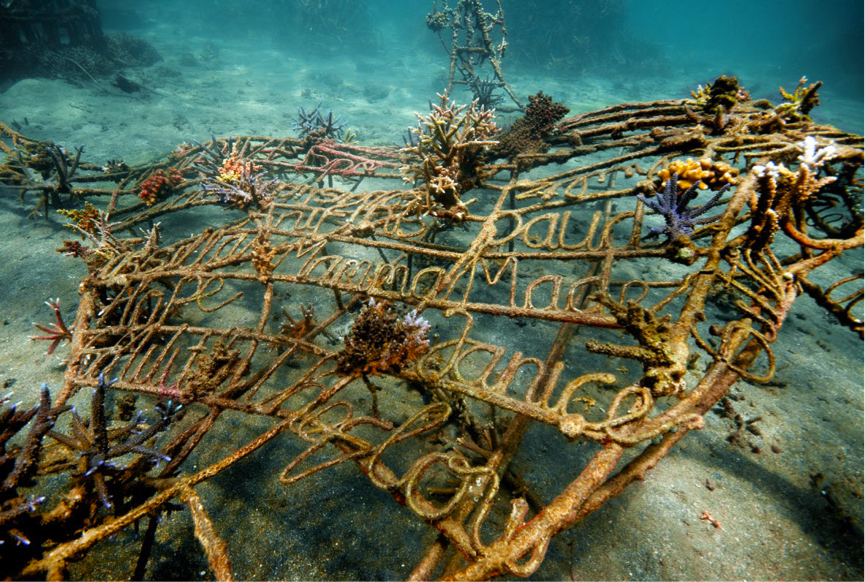
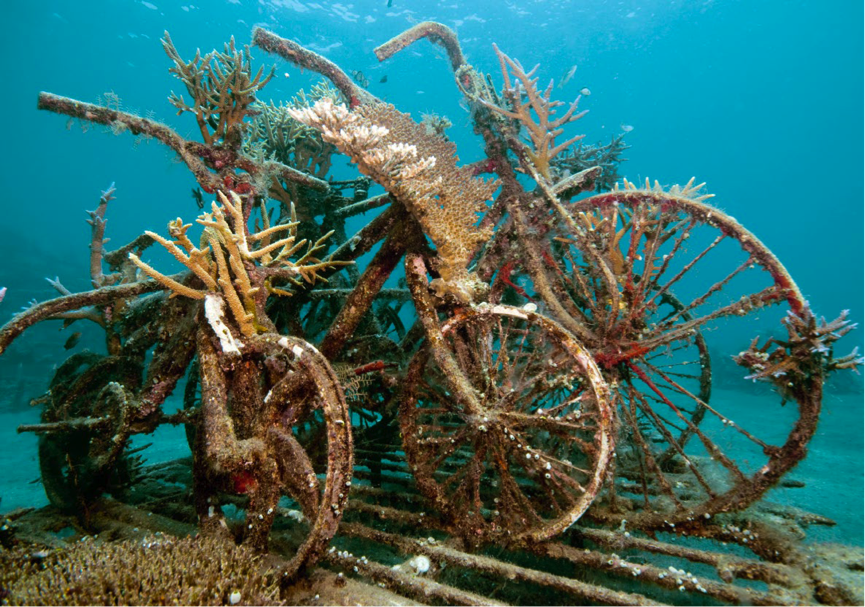
Bicycles! One of the many creative ideas for the Bio-Rock borough at Karang Lestari, here in early growth phase

Another big problem still remained. Most fish nurseries were destroyed and it would take ages for the fish stocks to recover. There were simply not enough healthy portions of reef left to shelter juvenile fish. Help then came from a totally different source! Towards the end of 1998, Yos Amertha, a Pemuteran resident who was also the President of the Balinese Watersports Federation at the time, attended a Coral Reef Restoration Workshop in Thailand. He met two men who would have a massive impact on the future of reefs in Pemuteran. They were Wolf Hilbertz, a German professor of architecture and Tom Goreau, an American marine biologist.

Both of them were worried about the decline of the worlds’ coral reefs and believed that they might have found a way to make a difference. Wolf Hilbertz had just discovered that it was possible to grow “rock” under water through mineral accretion, which is a natural process used by marine animals to build their limestone shells. He had found a way to speed up this process and hoped that it could be used to promote the growth of coral reefs. Tom Goreau had the scientific background in coral reef ecology that was necessary; all they needed was a place to experiment to see if it would work.

Yos Amertha invited Wolf and Tom to Pemuteran in the hope that they could help save the reefs. They started their first experiment in June 2000. The first step was to build metal structures, which would form the foundation of the artificial reefs. This was done with construction steel bars, also known as re-bar, roughly one to one and a half centimetres in diameter, which was bent into different shapes and welded together.

For the rest of this article (Asian Diver 2014 Issue 2 No 131) and other stories, check out our past issues here or download a digital copy here.

The 25th anniversary of the largest and longest running dive show, Asia Dive Expo (ADEX) is set to occur on the 11-14th April 2019. Centred on the theme – Plastic free Future, ADEX is more than just a dive show with its commitment to the environment. Among an exciting lineup of programs, attendees can look forward to a Future Forward Series of Panel Discussion on the Single-Use Plastic Conundrum in Asia, on 13th April.

So join us at the event, get inspired and for all you know, you might just liberate the inner diver in you! More details of the event here

Club 25 Profile – Atlantis Dive Resorts and Liveaboards

0

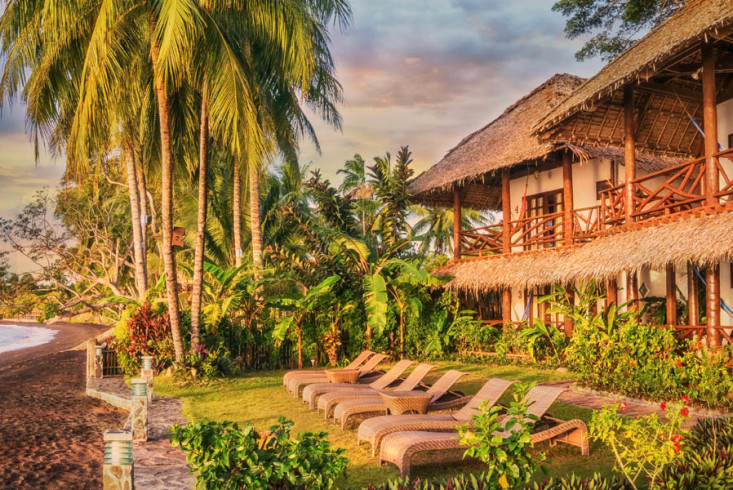
Founded in 1994, Atlantis Dive Resorts and Liveaboards celebrates its 25th Anniversary this year. With a vision of outstanding value and first class service on top of some of the most bio-diverse dives in the world, it did not take long for Atlantis to become synonymous with first class Philippines dive vacations.

From the beginning, with first their resort in Puerto Galera, Philippines and then their second resort in Dumaguete Philippines, partners Andy Pope and Gordon Strahan have focused on the thousands of details it takes to exceed their guests’ expectations. What is quite unique is still offering a value that allows most to experience the Atlantis difference.

In 2010, Atlantis added the luxury Liveaboard Atlantis Azores which quickly became the top Liveaboard in the Philippines. In a market of coastal rated boats, their blue water rated yacht, the Azores, not only has the rating to handle offshore offerings like the world famous Tubbataha Reefs, but to do so in first class quality, safety and comfort. Atlantis Azores offers four different exciting itineraries including Apo Reefs and Coron Wrecks, Tubbatah, and two Visayas itineraries including Bohol and around Cebu island including Malapascua. Atlantis also has two annual transition trips, and their real time availability is accessible on the Atlantis website.

Both Andy & Gordon are grateful to the many thousands of guests who have helped Atlantis reach their success and hope to see them back at the resorts soon. They also look forward to another 25 years of welcoming guests to the Philippines and exceeding their expectations with the dive vacation of a lifetime.

The Depths of Surrealism

0
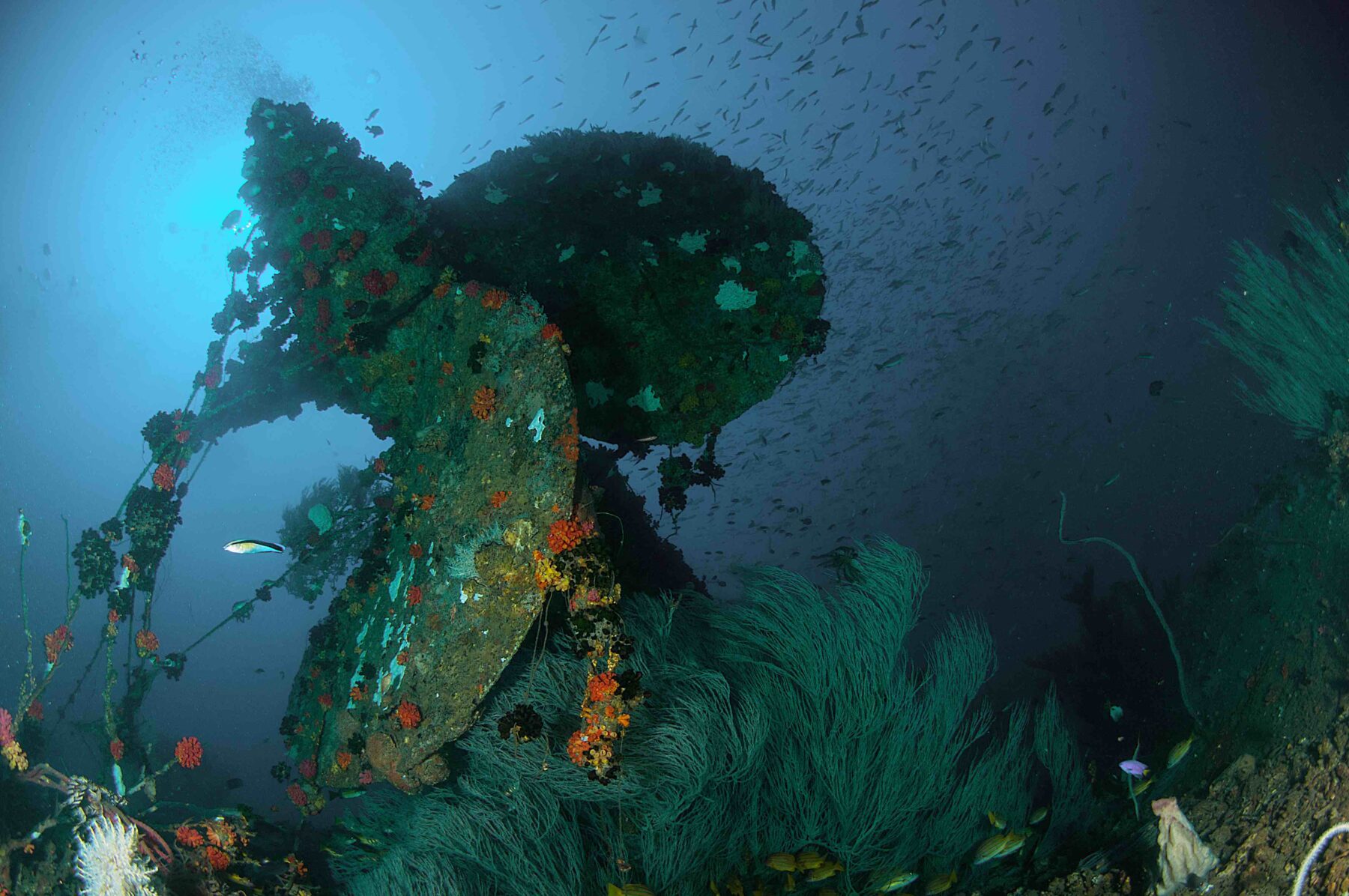
One of the two massive propellers of the Hermes: When the ship sank, it flipped over so the top of the propeller is one of the highest points of the wreck

By Dharshana Jayawardena

At 53 metres and beyond recreational depth limits, the world of the HMS Hermes is surreal. It is also a favourite site to explore for veteran tek diver and Asian Diver Field Journalist for Sri Lanka, Dharshana Jayawardena. We sink into the darkness of the Hermes and discover how it’s stuff dreams are made of.

The month of April 1942, at the height of World War II, was a pivotal moment for Ceylon, as the country was known under its British rulers. A massive Japanese invasion was imminent and the same sea/air strike group that lay devastation to Pearl Harbor, led by Vice Admiral Chuichi Nagumo, was now gathered southeast of the island, poised for a surprise attack.

Then, in what the famous wartime Prime Minister of Britain, Sir Winston Churchill later called “The most dangerous moment of World War II”, the Japanese unleashed a wave of air strikes over the east coast of the island on April 9, 1942.  One of their targets was the naval carrier group led by the HMS Hermes. The attack lasted only a few minutes, but Japanese VAL dive-bombers scored 40 direct hits on the defenceless carrier, causing it to sink within 10 minutes. Over 300 sailors died in the attack.

Today, the Hermes is one of the deepest dives and one of the best dive sites in Sri Lanka, lying 10 kilometres off the idyllic shores of Batticaloa, an easternmost town that was ravaged by three decades of war and the catastrophic tsunami of December 2004. The journey to Batticaloa can be arduous, often requiring a gruelling eight- to 10-hour drive through winding roads, thick jungles, fiercely inhospitable and uninhabitable bush country, and countless security checkpoints. Yet the trip is almost as exciting as the destination, because brief detours can be made to two wonders of the ancient world: the magnificent rock fortress of Sigiriya and the ruins at Polonnaruwa.

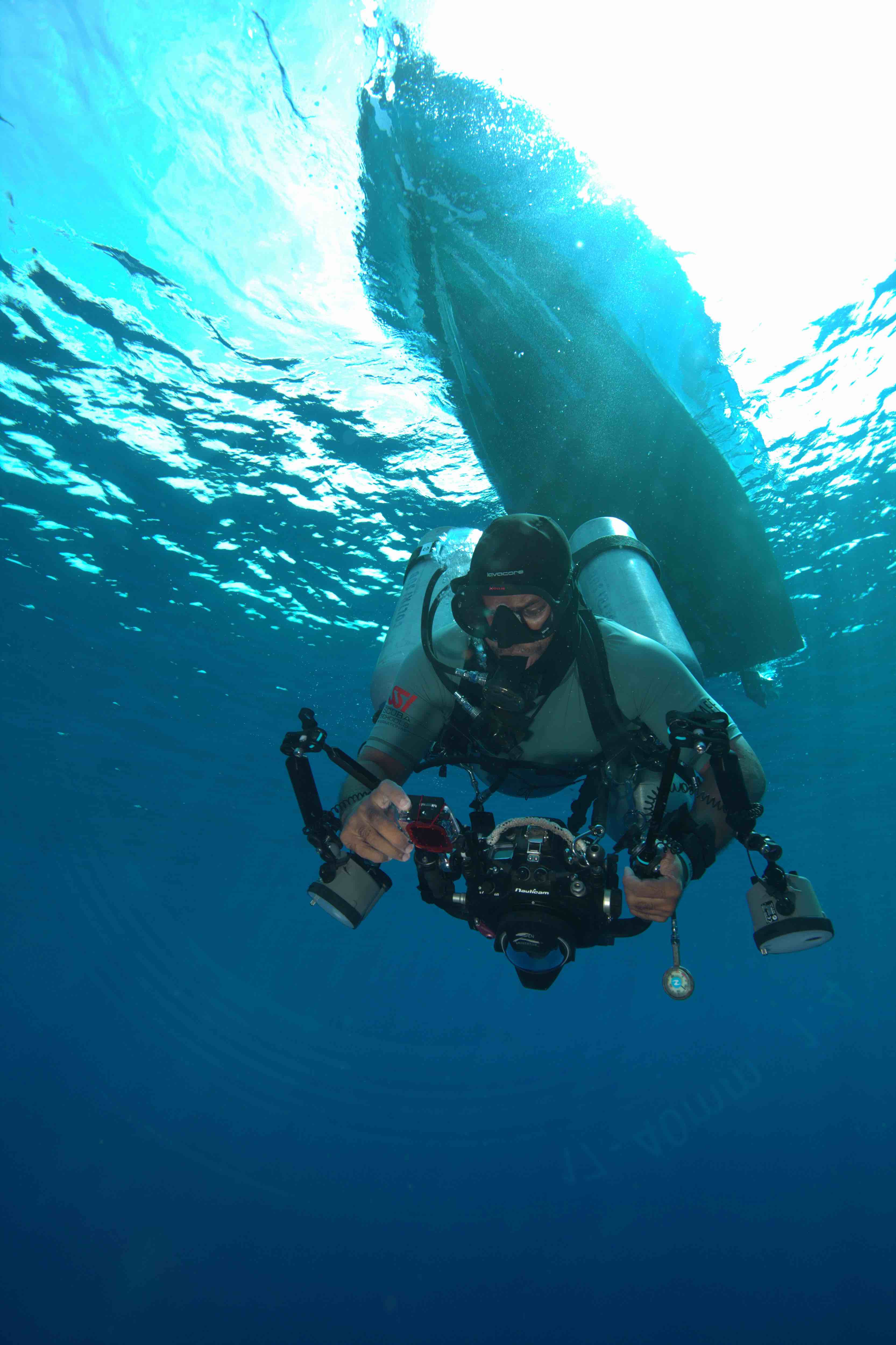
A typical dive plan to the Hermes is 25 minutes at the bottom with a primary dive computer, a backup computer and a plan on wrist slate as the third backup in case of computer failure

At 53 metres deep, beyond recreational depth limits, the world of Hermes is surreal and dream-like. It is a mysterious shadow world of low light, with ominous-looking structures that loom over the seascape. Because of challenging conditions, it is a dive only for tek divers. While trimix is the best gas option to explore the Hermes, especially if you are new to tek diving, it is also possible to dive with air, especially if you have experience in deep air-diving.

The conditions can vary at the Hermes, depending on the month. A strong colder-water current can be experienced at depth and fighting against it can really impair the judgment of a diver because of severe narcosis when air-diving. Because of the currents and the size of the ship, it is sometimes impossible to get back to the anchor line, so divers should be prepared for a drifting ascent during the long hour of decompression. Given that this is a remote location with scant access to medical help and hours away from a decompression chamber, it is certainly a dive requiring immaculate planning, proper procedures and safety equipment.

When it sank, the Hermes tipped over and came to rest on its flight deck, partly propped up by the “island” or superstructure. At 183 metres long, the wreck is huge and requires many dives to thoroughly explore it. The keel of the ship is at a depth of 48 metres, and like a magical white forest in a mythical land, the entire hull is covered with a beautiful outcrop of large black coral. At 53 metres, most of the upper deck is buried and beyond reach. Yet, to this day, you can see the great Bofors guns of the lower deck, anti-aircraft guns, the island superstructure, a huge propeller, and the massive caverns that once led to the lower deck. Also strewn across the wreck are unused anti-aircraft shells. While most of the wreck is largely intact, the bombing damage in some areas is so severe that it is impossible to ascertain at which part of the ship you are positioned.

A sidemount tek diver during the last two stages of staged decompression stops

It is the teeming marine life at the Hermes site that sets it apart from many other dives in Sri Lanka. Here, especially during the months of August to October, sea creatures are in great abundance. Large potato cods peer curiously through the black coral at intruding divers. Massive shoals of mangrove and bluestripe snappers congregate over the keel like large rain clouds. Solitary great barracuda, packs of huge dogtooth tuna and giant trevally join this melee by hovering around the ship and waiting for an opportune moment to pounce on an unsuspecting victim. The Hermes, it seems, is the theatre for an eternal ballet of life and death between predator and prey. Sometimes, even bigger pelagics such as sailfish and passing Bryde’s whales can be seen.

For the rest of this article (Asian Diver 2013 Issue 4 No 139) and other stories, check out our past issues here or download a digital copy here.

The 25th anniversary of the largest and longest running dive show, Asia Dive Expo (ADEX) is set to occur on the 11-14th April 2019. Centred on the theme – Plastic free Future, ADEX is more than just a dive show with its commitment to the environment. Among an exciting lineup of programs, attendees can look forward to a Future Forward Series of Panel Discussion on the Single-Use Plastic Conundrum in Asia, on 13th April.

So join us at the event, get inspired and for all you know, you might just liberate the inner diver in you! More details of the event here

Photographing at 1,000 metres?

0
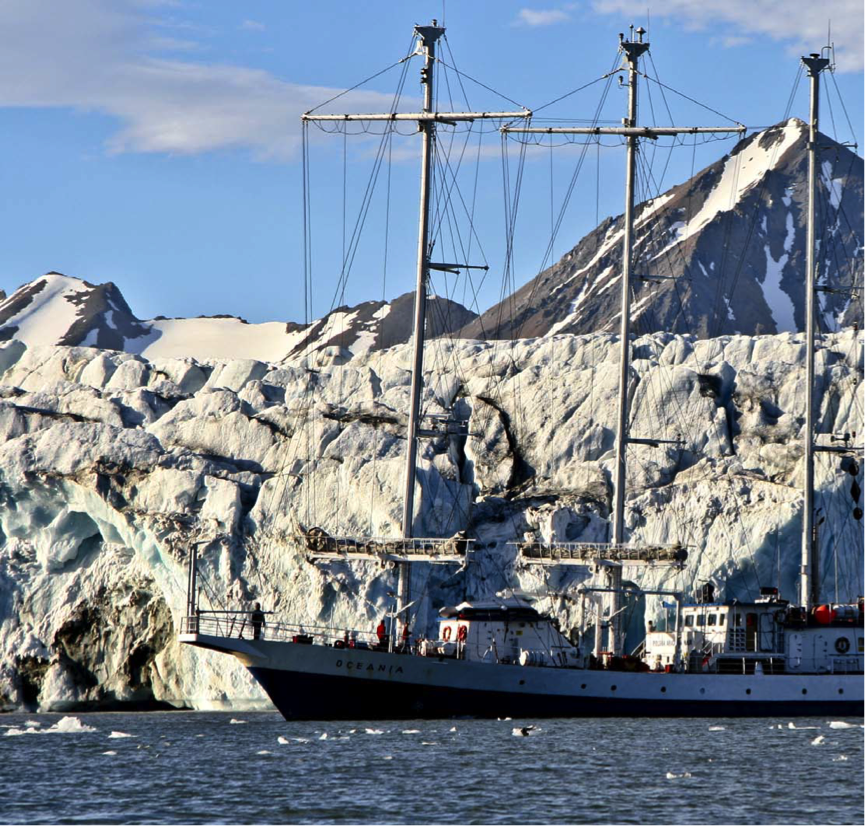
The scientific vessel Oceania of the Polish Academy of Science

Text Bogdana Vashchenko Photos Marek Zajączkowski

During their annual expedition, the Spitsbergen Polish Academy of Sciences explores the ocean bottom. From year to year, sediments change the depth. The scientists wanted to know how quick it sediments affect changes at different depths, how it looks like and what plants and sea creatures live at a depth of 1,000 metres.

They could of course take samples but had nothing to take photos with from such a deep place. In 2005, scientists looked for a famous inventor, Bartłomiej Grynda to seek his help. Bartłomiej was asked to design a housing for a camera and develop a method on how to get pictures at depths up to 1,000 metres. Scientists at the time had a very good camera – the Canon 350D – and chose to use it with a 50mm lens to bring things down to the smallest of distortions.

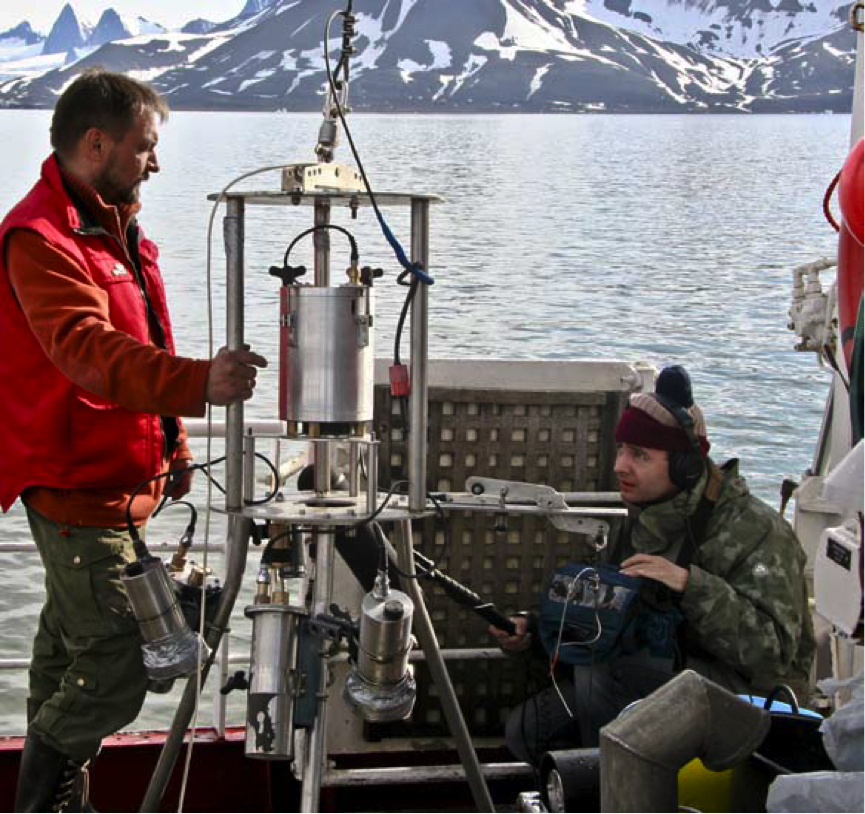
Assembling details together on deck: The camera in the housing with two 35-Wt HID lights mounted on tripod

Although Bartłomiej said it was easy, the work was very laborious. Everything had to be done with intense accuracy and precision; that is why it took almost half a year to see any results whatsoever. To withstand the giant pressure of depth the aluminium walls of the housing had to be 20mm thick, with the window made of polycarbonate. To be sure that their expensive camera would be protected, they placed three O-rings under the window and at the closing wall. The housing was closed with four screw locks, which also fixed the closing wall. To everyone’s amazement, he succeeds with the very first model.

The next problem was light. It is dark as night down there at 1,000 metres – no sunlight can go through hundreds of metres of water. So, special lights had to be designed. Two HID lights, 35 watts each, were used with only two O-rings that could last for three hours. Camera and lights were mounted on a tripod. Now scientists had the possibility to bring their camera to the bottom on a wire rope. But who would take the shots?

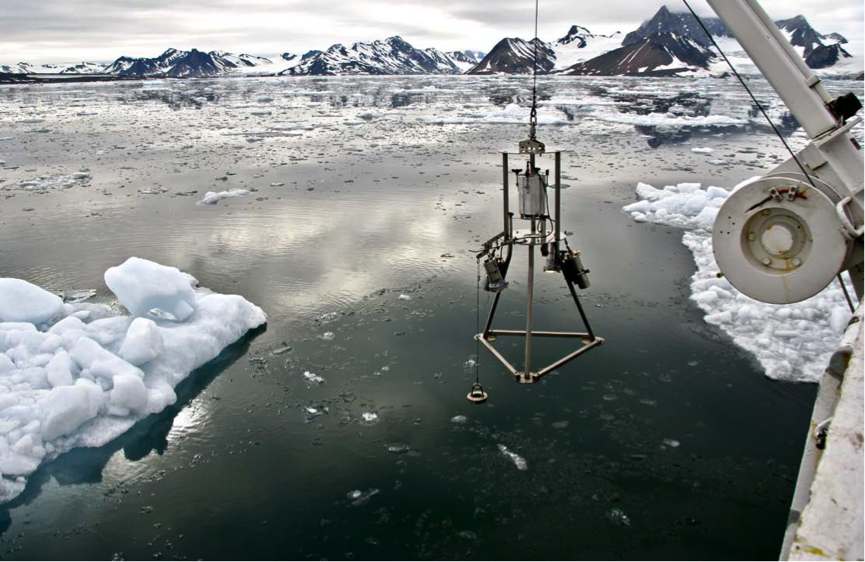
The lights are switched on and the set up is ready to be immersed

They measured the distance from the bottom of the tripod to the lenses to be 1.5 metres and Bartłomiej had found a very simple solution – he would use a mechanical lever with weights on a 1.5-metre rope. Each time it touched the bottom, the rope released the lever, which would then push the button on the housing. The button itself was not mechanical but one with a magnetic sensor.

For the rest of this article (Asian Diver 2013 Issue 1 No 124) and other stories, check out our past issues here or download a digital copy here.

The 25th anniversary of the largest and longest running dive show, Asia Dive Expo (ADEX) is set to occur on the 11-14th April 2019. Centred on the theme – Plastic free Future, ADEX is more than just a dive show with its commitment to the environment. Among an exciting lineup of programs, attendees can look forward to a Future Forward Series of Panel Discussion on the Single-Use Plastic Conundrum in Asia, on 13th April.

So join us at the event, get inspired and for all you know, you might just liberate the inner diver in you! More details of the event here